 Search


- From ancient Silk Road tea bricks to modern energy pipelines, tea has always been an emotional bond between China and Central Asia
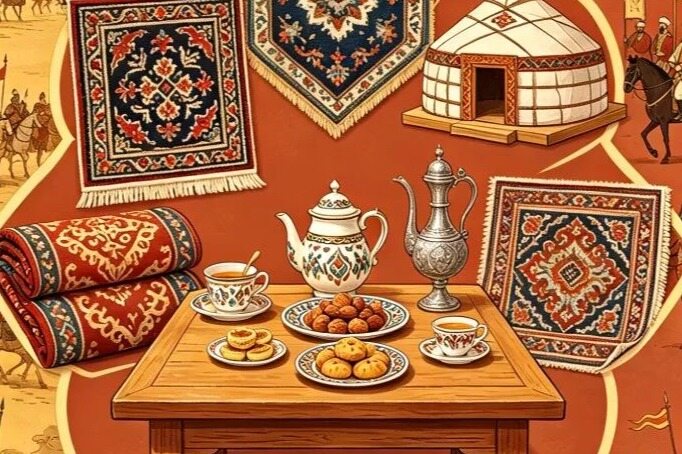
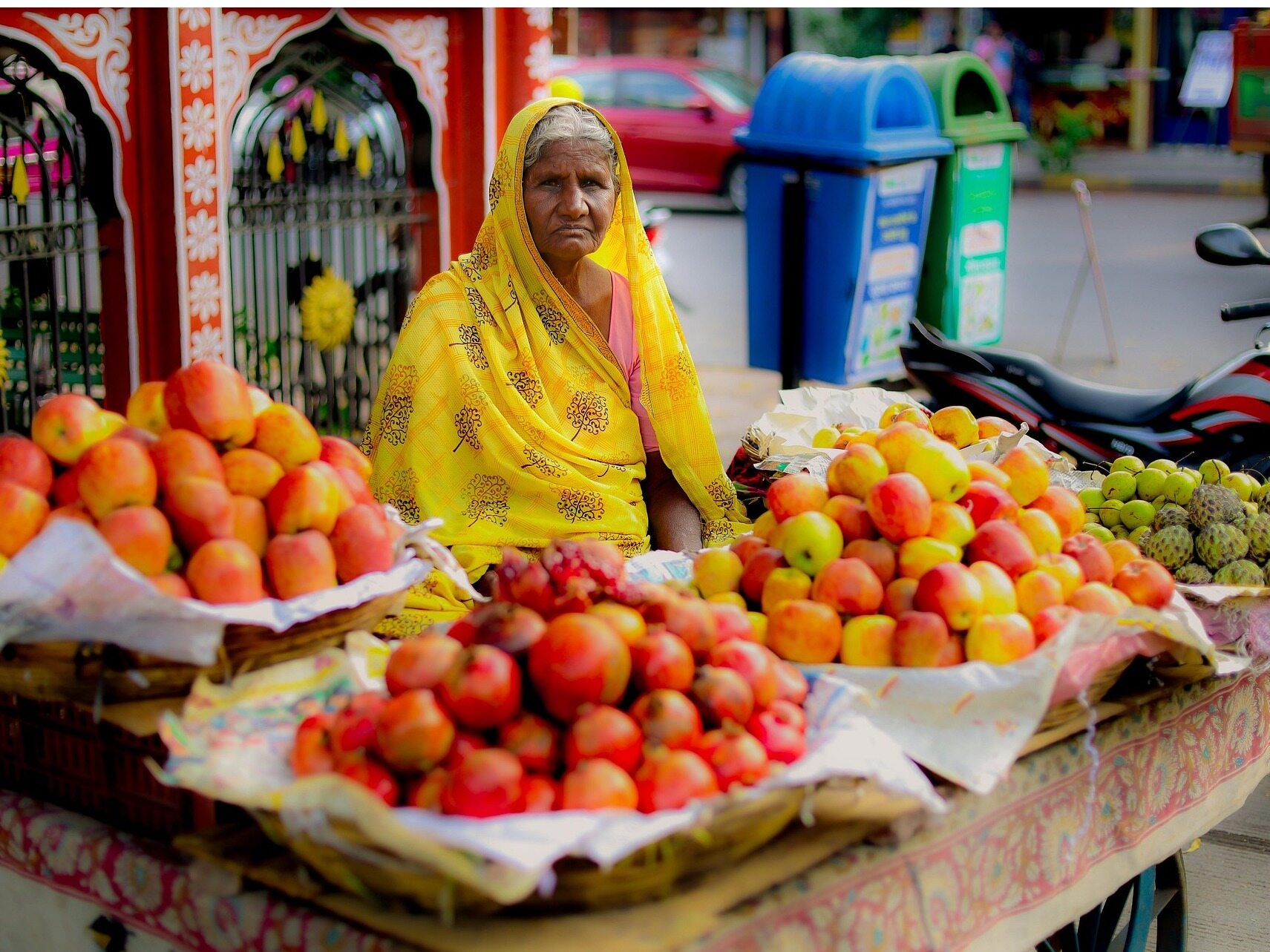
On April 8, 2026, at a herder's home in Almaty, Kazakhstan, the hostess was entertaining guests who had come from afar with half a bowl of steaming hot milk tea. The tea bowl is only seven tenths full, symbolizing 'please drink slowly, I will also refill your cup' - this is the hospitality tradition that has lasted for thousands of years in the Central Asian grasslands. From the tea bricks in the camel caravan of Sogdian merchants in the Tang Dynasty to the China Europe freight trains that travel through the heartland of Central Asia today, a small Eastern leaf witnesses the vicissitudes of the Silk Road for two thousand years, and also connects the long process of trade, war, tribute, and cultural exchange between China and the five Central Asian countries.
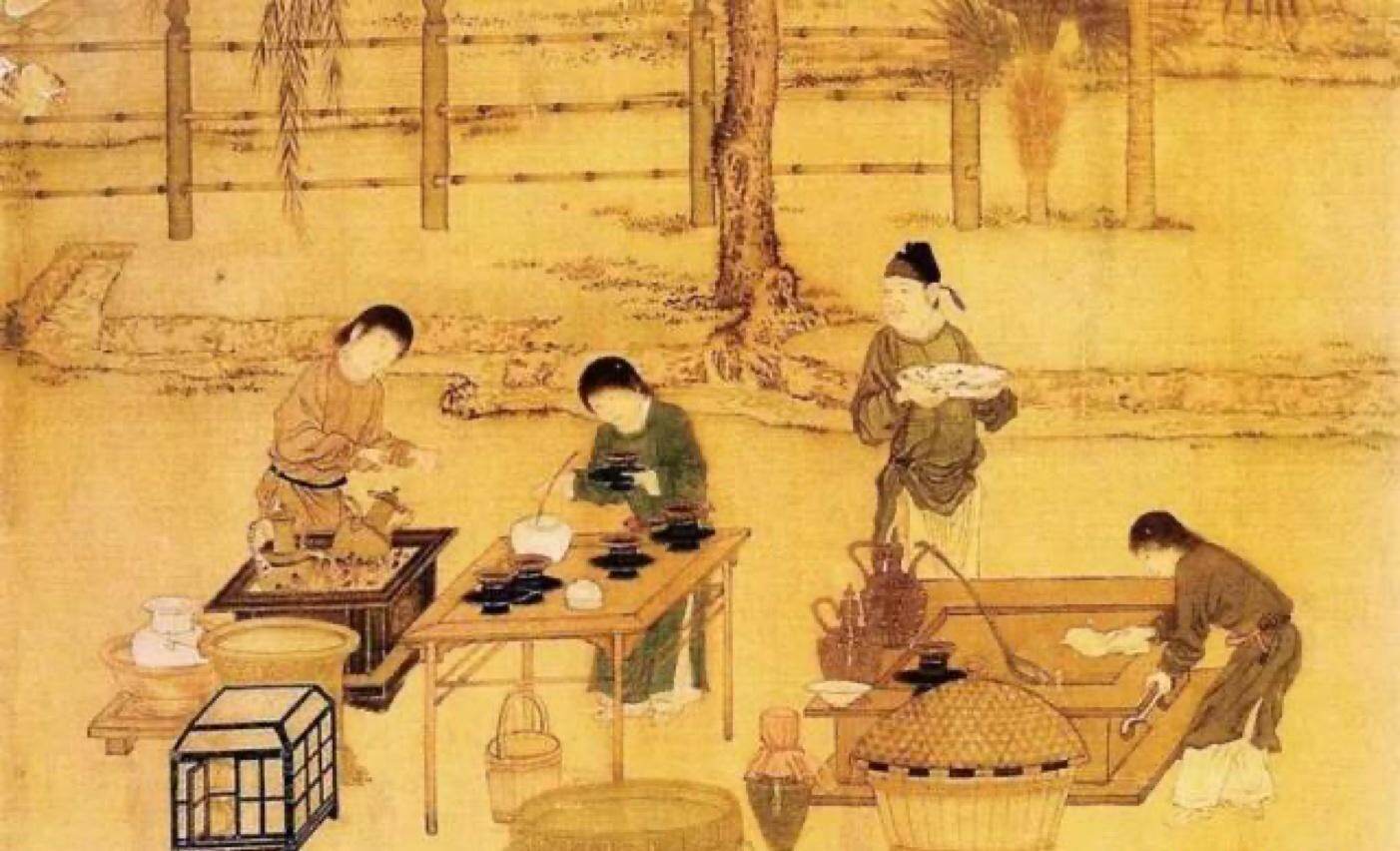
Tea bricks were once the hard currency of grasslands
From the 6th to the 8th century AD, as the territory of the Tang Empire expanded westward, tea was introduced into the markets of Samarkand and Bukhara through the hands of Sogdian merchants. At that time, tea was priced higher than gold and was a luxury item only enjoyed by the aristocrats of the grasslands. By the 10th to 13th centuries, Mongolian caravans and expeditionary forces promoted the tea drinking habit in Central Asia, with tea bricks even circulating as currency. The nomadic people have a diet rich in greasy meat, and tea not only provides necessary vitamins, but also helps with digestion. This gave rise to the proverb 'It is better to go without food than to go without tea for a day'. Kazakhstan remains one of the countries with the highest per capita tea consumption in the world, with an annual average of 1.2 kilograms per person. In Kyrgyzstan, the ancient tradition of "tea and food sharing the same origin" has been preserved to this day - herdsmen boil tea bricks with milk, salt, and stir fried noodles to make thick Korma tea, which is both a beverage and an energy source.
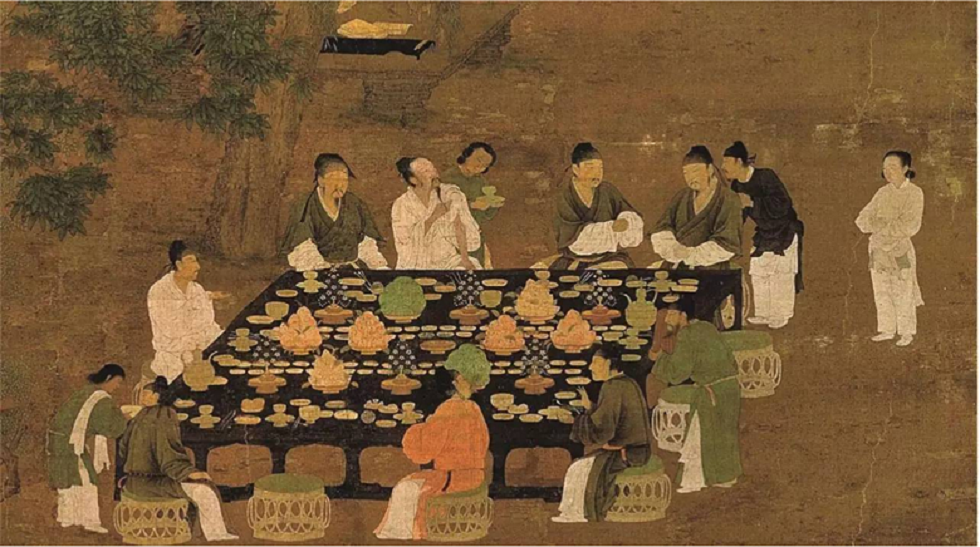
Samarkand once offered golden peaches to the Tang Dynasty as tribute
China's interactions with Central Asia go far beyond commerce. During the Han and Tang dynasties, the Central Plains regime regarded Central Asia as a strategic depth, and Zhang Qian explored the Western Regions in search of the Heavenly Horse of Dawan. The Tang dynasty established the Governor General's Office in Central Asia. The envoy of Samarkand once presented a golden peach to Emperor Taizong of Tang, and this allusion has been written into Tang poetry. During the Ming Dynasty, although the Timurid Empire attempted to conquer the east but failed, envoys from both sides exchanged frequently, and Samarkand even offered lions as tribute. This tribute trade is essentially a disguised high-value transaction - superficially offering lions and horses as tribute, but behind it is the large-scale circulation of silk, porcelain, and tea. After the 19th century, Britain and Russia engaged in a "great game" in Central Asia. Scholars observed that almost all of the invading troops in Afghanistan came from the black tea consumption areas, and Afghanistan, as a green tea region, resisted tenaciously, forming the so-called "tea border".
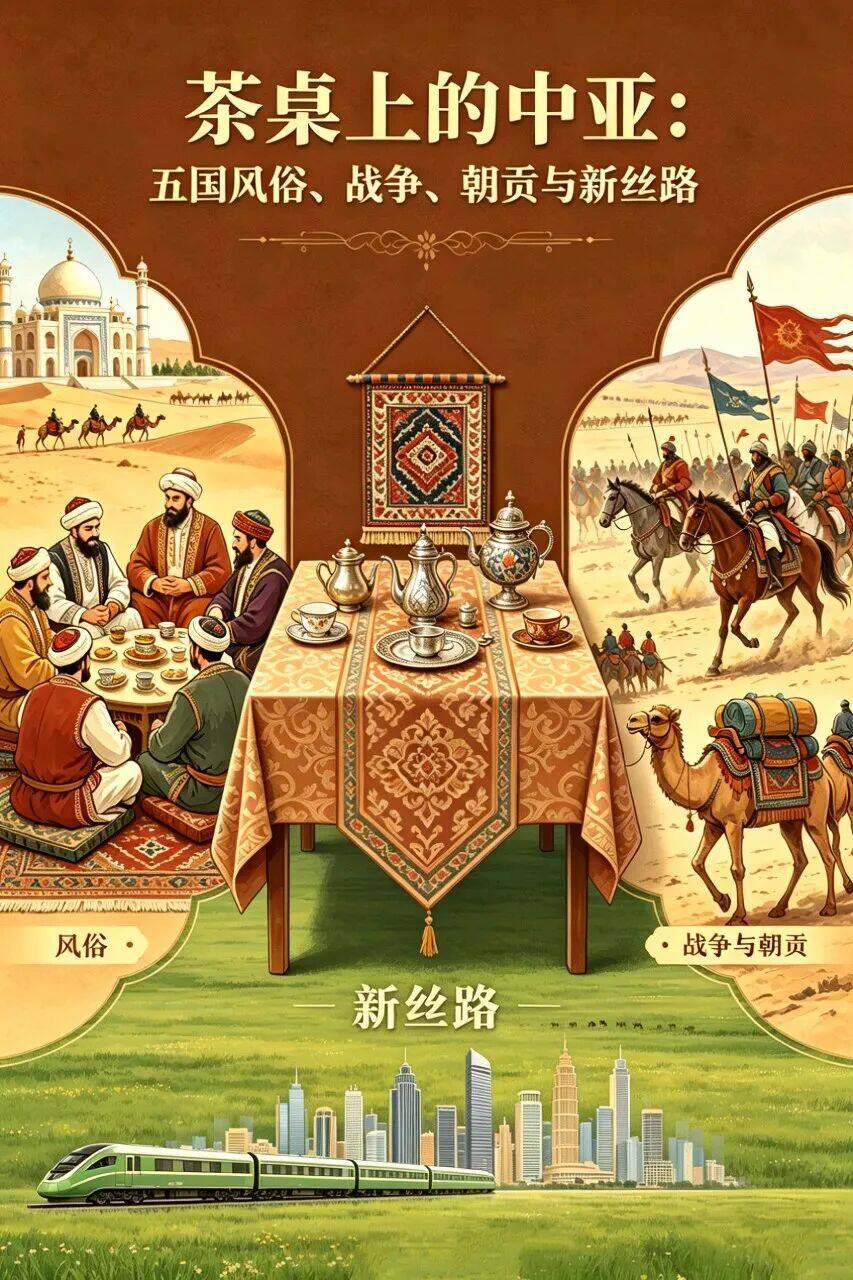
The New Silk Road Energy Pipeline crosses Central Asia
Today, the relationship between China and the five Central Asian countries has entered its best period in history. The China Central Asia natural gas pipeline starts from Turkmenistan and passes through Uzbekistan and Kazakhstan, with an annual gas transmission capacity of tens of billions of cubic meters, which is an important guarantee for China's energy security. The under construction China Kyrgyzstan Uzbekistan Railway will depart from Kashgar, Xinjiang, becoming one of the shortest land routes from East Asia to Europe.
When China established diplomatic relations with the five Central Asian countries in 1992, the trade volume was only 460 million US dollars. By 2024, it had soared to 94.8 billion US dollars, an increase of over 200 times. In Turkmenistan, people firmly believe that hot green tea can keep the body cool in the scorching desert heat; In Tajikistan, the unique way of sipping sugar continues the Persian cultural color; In tea houses in Uzbekistan, men sit cross legged and before drinking tea, they need to pour the tea between the pots and bowls three times. The first bowl is for soil, the second bowl is for oil, and the third bowl is for guests. Keywords: Inheritance News Network, Five Central Asian Countries, Tea Culture
From camel bell caravans to China Europe freight trains, from tea brick currency to natural gas pipelines, a bowl of tea soup reflects the millennium long lineage and future prospects of China and the Central Asian community of shared destiny.Editor/Gao Xue
Comment


 Praise
 Collect
 Comment

 Share
Share


Write something~