 Search


- China Vietnam economic and trade cooperation enters a golden period, with bilateral trade exceeding 290 billion US dollars by 2025
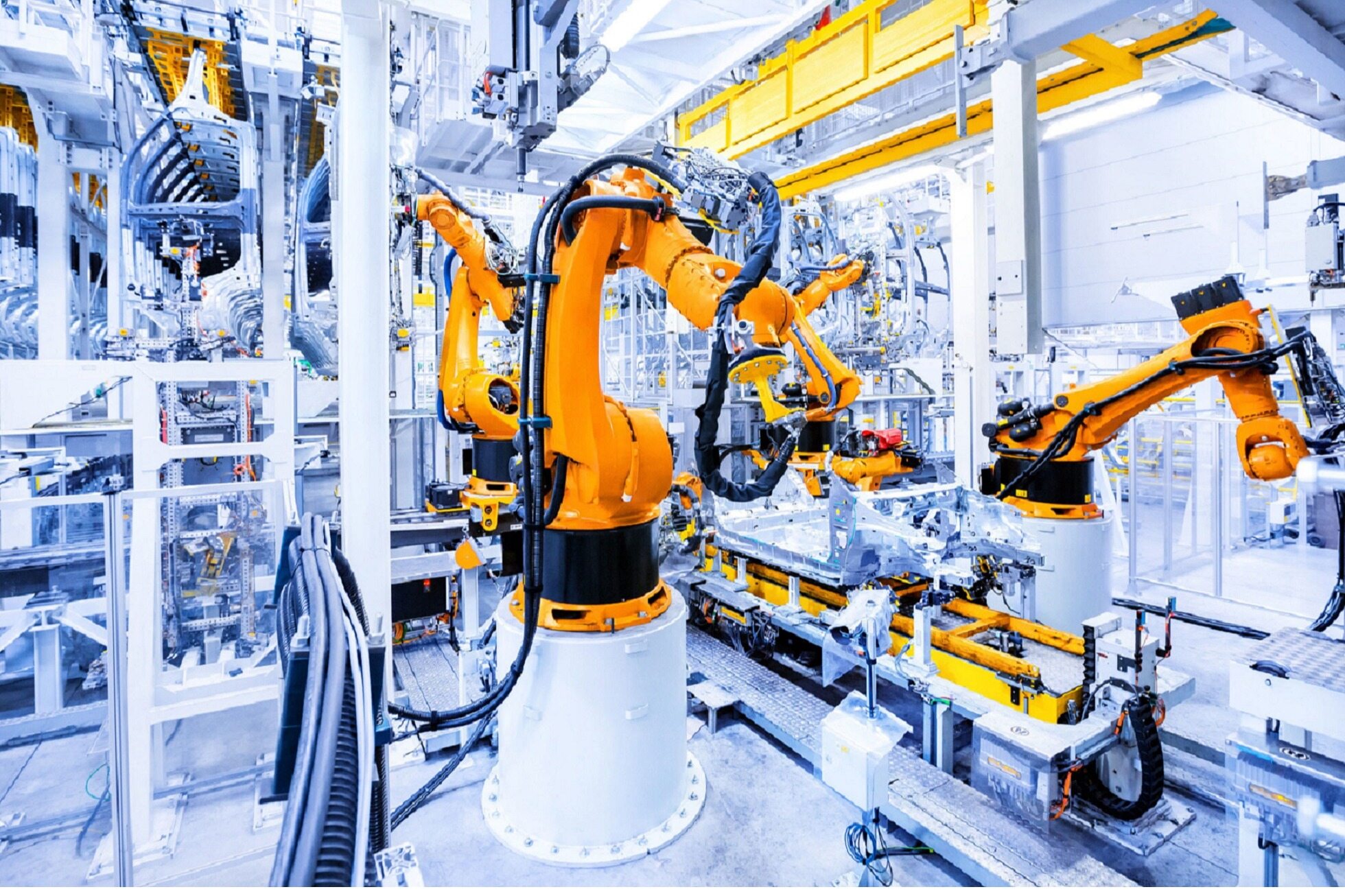
Vietnam is rapidly becoming a popular destination in the global manufacturing and trade sectors, thanks to its strong economic growth, vast young labor resources, and deep integration into the global supply chain. By 2025, Vietnam's gross domestic product (GDP) growth rate will reach 8.02%, successfully entering the ranks of middle and high-income countries. Among them, the processing and manufacturing industry will grow by 9.97% throughout the year, becoming the core engine of economic growth. For Chinese companies seeking overseas expansion, Vietnam is both an opportunity and a complex legal and cultural challenge.
Coexistence of Cultural Diversity and North South Differences
Vietnamese culture is deeply influenced by Chinese civilization and incorporates the historical imprints of the French colonial period, forming a unique and diverse cultural landscape. Buddhism has had a profound influence in Vietnam, with about 85% of the population having a Buddhist belief background, and Confucianism is deeply rooted in social ethics. Traditional festivals such as the Spring Festival, Tomb sweeping Day, Mid-Autumn Festival, etc. are roughly the same as those in China. In terms of business and social interactions, the traditional greeting of joining hands and the modern handshake ceremony coexist, and the first meeting often uses the name of the gentleman or lady to show respect. It is worth noting that there are cultural differences between the northern and southern regions of Vietnam. In the north, such as Hanoi, the pace of life is relatively traditional, while in the south, such as Ho Chi Minh City, it is more commercialized and international. Enterprises need to distinguish between them in communication and marketing strategies.

Accelerated formation of manufacturing center status
The rapid growth of Vietnam's economy has made it an indispensable part of the global supply chain. The service industry and industry are the two pillars of the economy, with growth rates of 8.6% and 8.95% respectively by 2025, contributing 51% and 43.62% to the gross domestic product. Traditionally, textiles, footwear, and seafood processing have been Vietnam's advantageous industries, with the textile industry contributing over 30% to Sino Vietnamese trade. In recent years, Vietnam has been actively undertaking the transfer of global high-end manufacturing industry and has become a production base for over 65% of AirPods and 20% of iPads and Apple Watches worldwide. Giants such as Samsung and Luxshare Precision have formed industrial clusters here. In order to attract foreign investment, Vietnam has provided highly competitive tax incentives, such as four exemptions and nine half reductions, which means that companies are exempt from taxes for four years from the beginning of their profits and receive a 50% reduction in taxes for the following nine years.
Compliance Points and Strategic Suggestions for Going Global
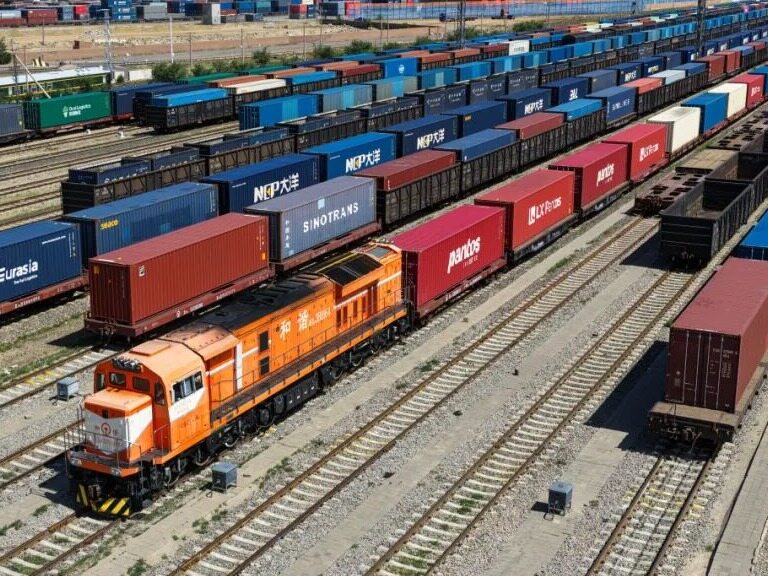
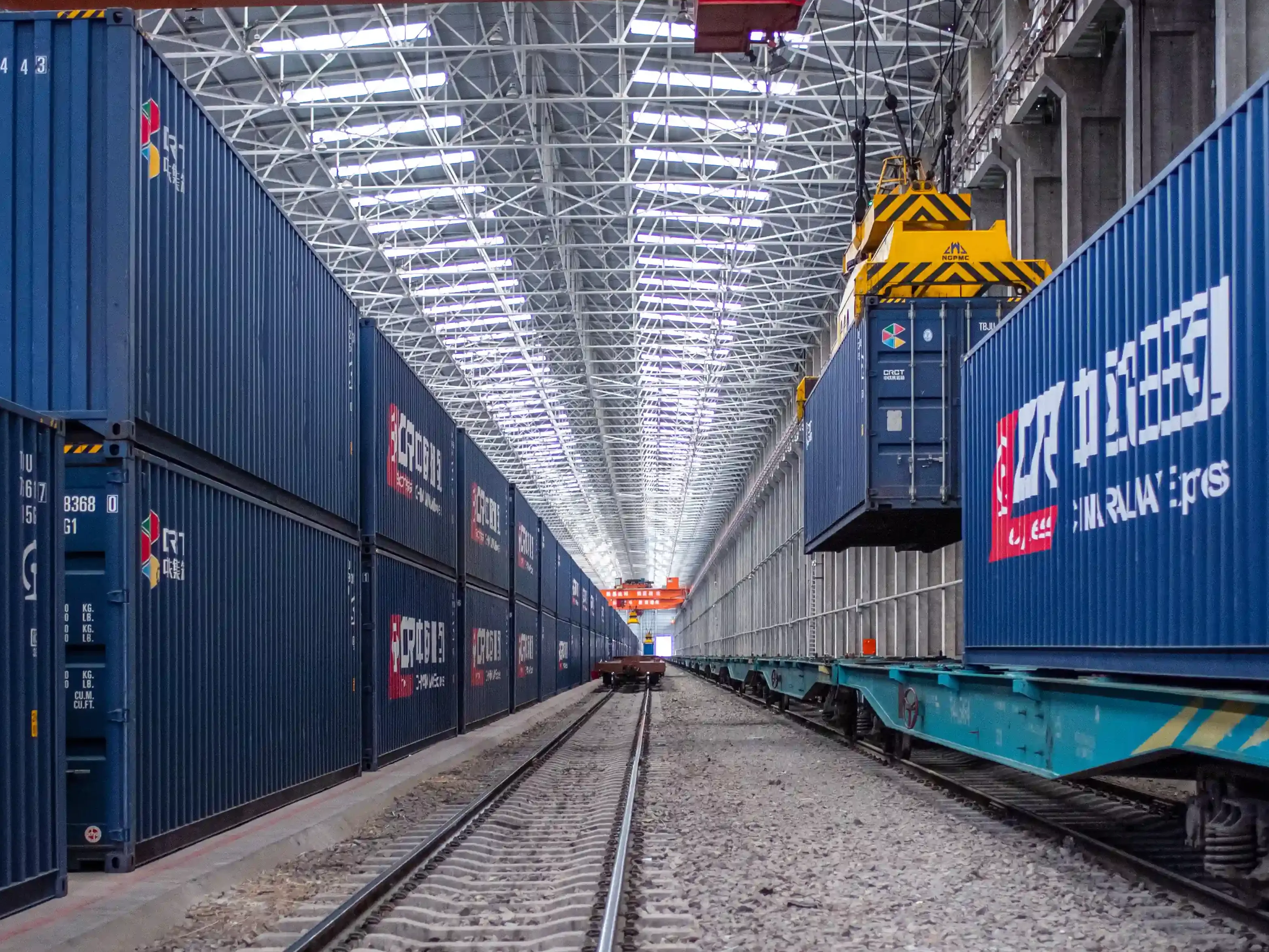
The economic and trade relations between China and Vietnam continue to deepen. China has been Vietnam's largest trading partner for many years, and the bilateral trade volume will break through 290 billion US dollars in 2025. However, Vietnam must face legal and operational risks when going abroad. The Vietnamese legal system is still being improved, with frequent updates to regulations. The new Investment Law, which will come into effect on March 1, 2026, marks a shift in the logic of foreign investment management from strict and lenient management to strict and lenient management. Customs law enforcement is becoming increasingly strict, with a maximum inspection and traceability period of up to 5 years, especially for cases of origin fraud and tariff evasion. Keywords: Strategic News Network, Overseas Trade, Manufacturing Industry
It is recommended that companies conduct in-depth market research before making decisions, fully utilize tariff preferences under agreements such as RCEP and China ASEAN Free Trade Area, establish a pre review mechanism for product classification, strictly comply with local labor laws, investment laws, and environmental protection laws, and promote localization of talent and management, paying attention to emerging fields such as green electricity, digital economy, and high-tech agriculture.Editor/Gao Xue
Comment



 Praise
 Collect
 Comment

 Share
Share


Write something~