 Search


- China's energy storage going global is shifting from exporting products to rooting production capacity
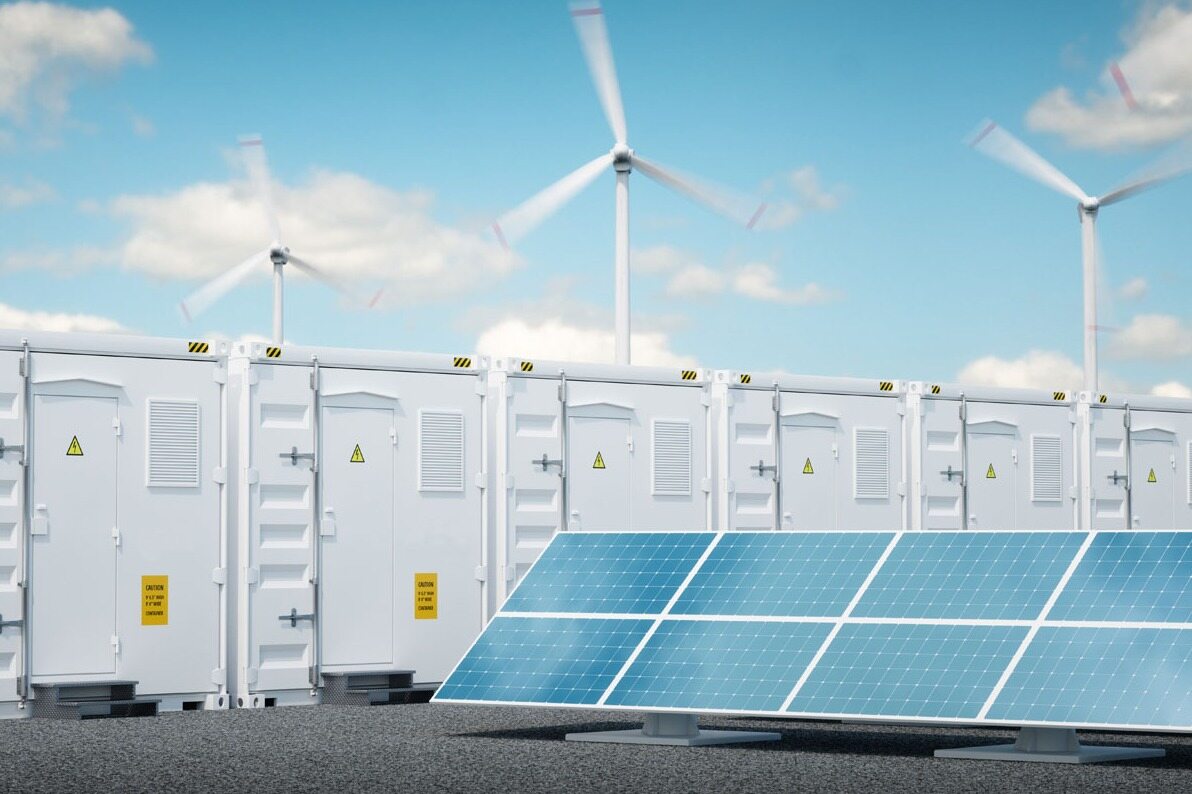
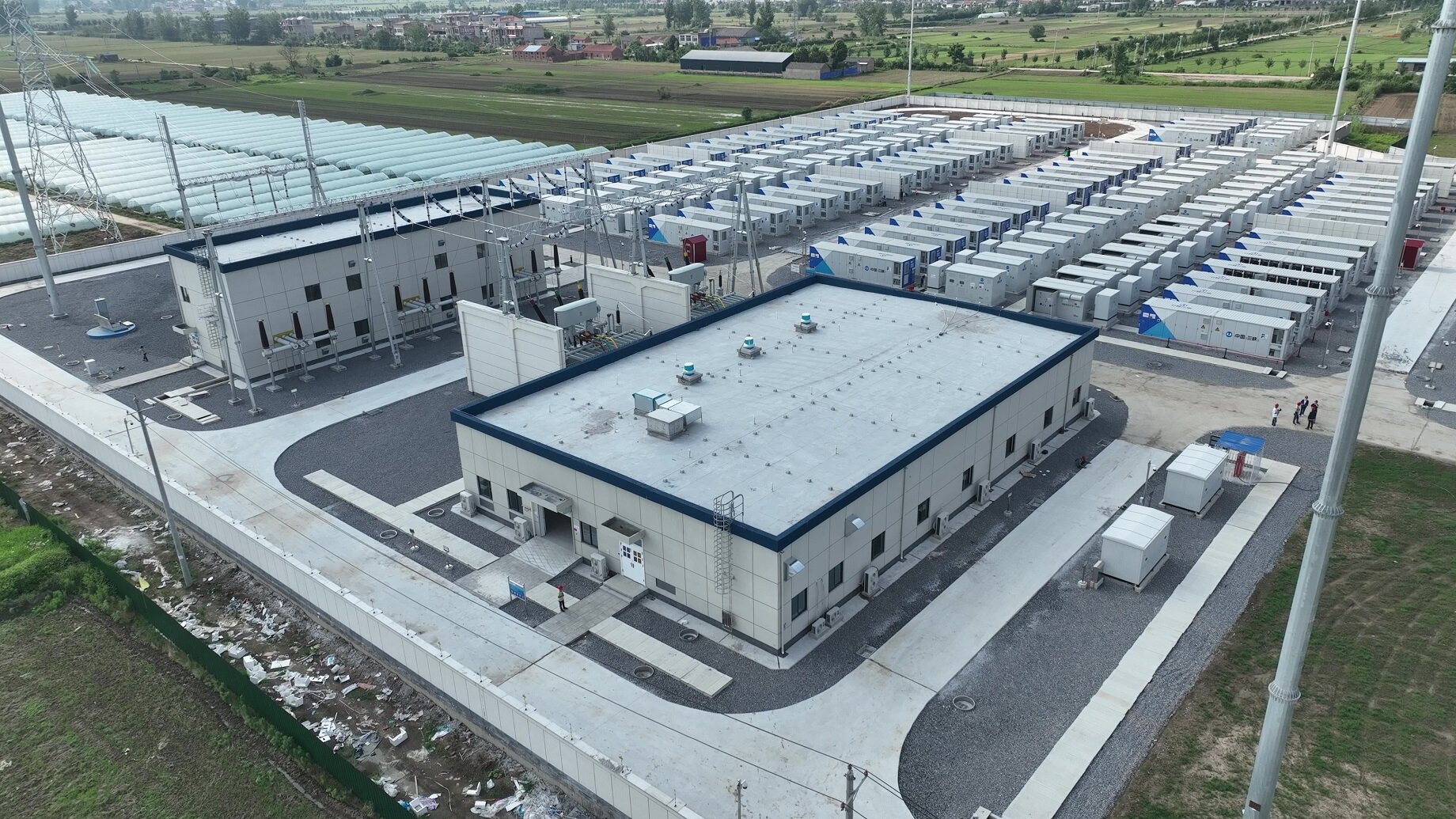
In the Suez Canal Economic Zone of Egypt, the battery energy storage system manufacturing plant jointly built by Sunac Power and Norwegian company Scatec is undergoing land leveling. This is the second overseas manufacturing base announced by Sunac Power within two months - in February 2026, the company just finalized an investment of 230 million euros in Europe to build a factory with an annual output of 20 gigawatts of photovoltaic inverters and 12.5 gigawatt hours of energy storage systems. The globalization narrative of Chinese energy storage enterprises is undergoing a profound transformation from product export to local manufacturing.
The list of overseas factory construction keeps refreshing
Since the beginning of 2026, the pace of Chinese energy storage companies building factories overseas has significantly accelerated. China Innovation Airlines signed a contract with the Portuguese government in January to build a lithium battery factory in the port of Sinis, with a total investment of 2.067 billion euros and an initial production capacity of 15 gigawatt hours. It is expected to be fully operational by 2028, and the Portuguese government has provided a subsidy of 350 million euros for this purpose.
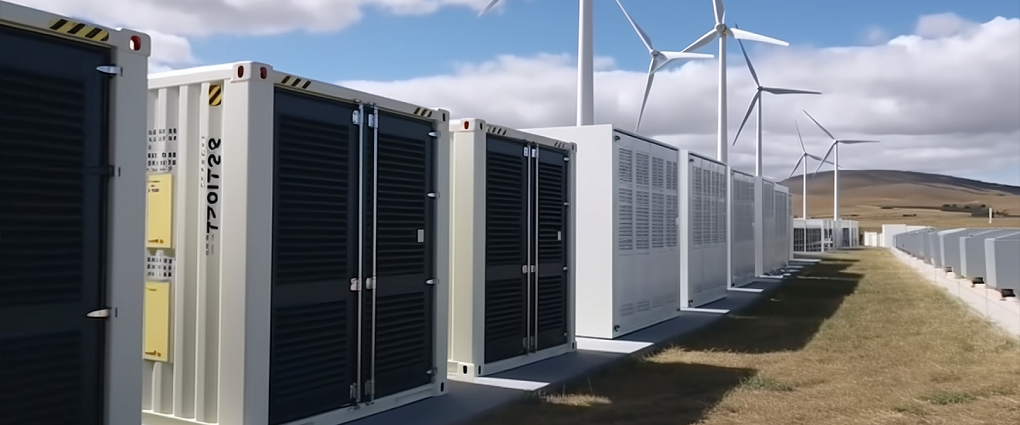
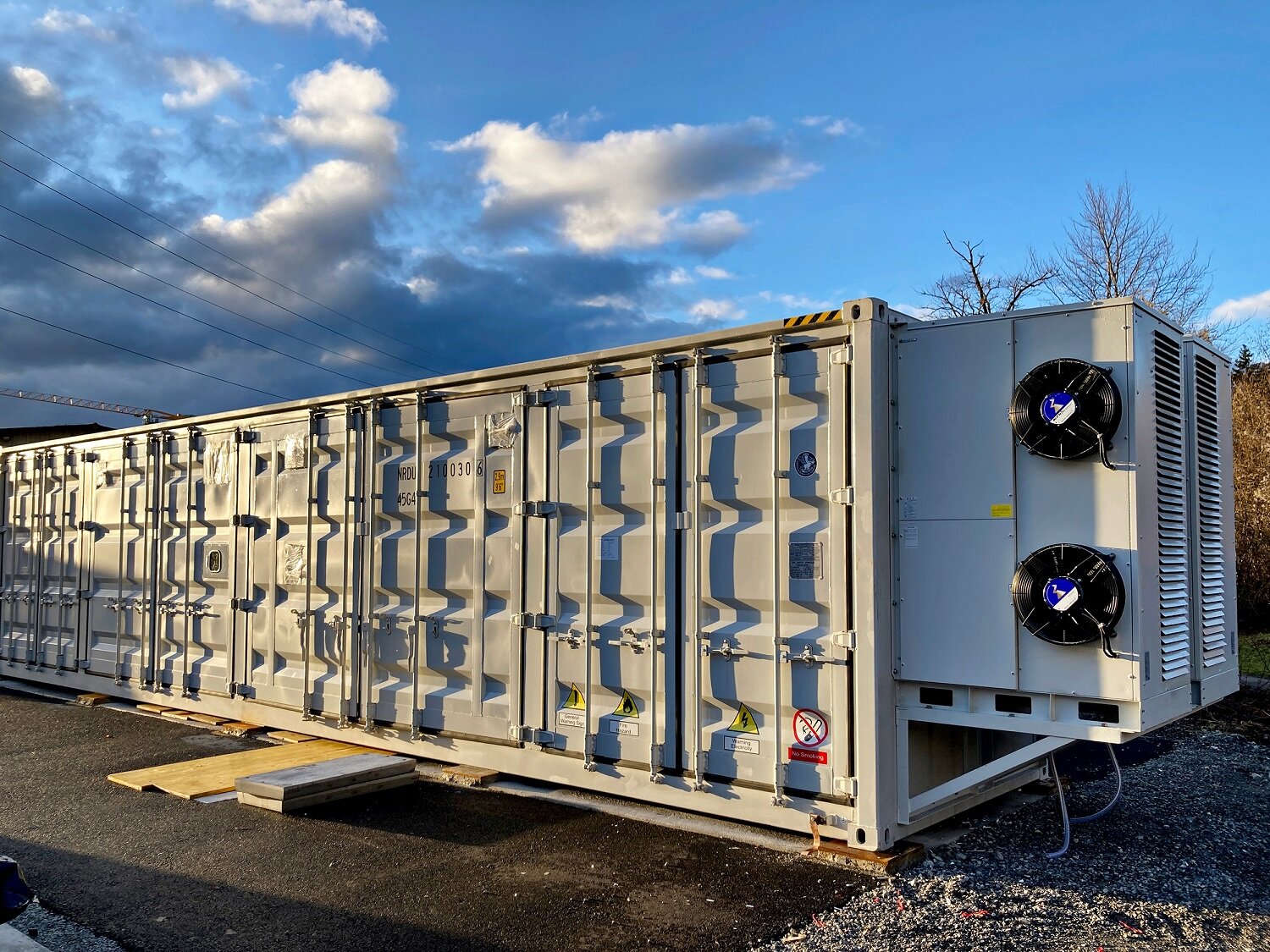
Haichen Energy Storage signed a 400 million euro investment intention letter with the Spanish government in March, planning to build a large-scale battery and energy storage system manufacturing plant, focusing on lithium iron phosphate battery cells and containerized energy storage systems, with plans to put them into operation in 2027. Longi Green Energy, together with Precision Control Energy and NeoVolta from the United States, has established a joint venture to build a battery energy storage system production base in Georgia, with an initial annual production capacity of 2 gigawatt hours. Far East Energy signed a joint development agreement with Kazakhstan's sovereign wealth fund in January to promote localized production of battery energy storage systems. Shuangdeng Corporation announced on March 31st that its board of directors has approved the establishment of a wholly-owned subsidiary in Malaysia to promote the construction of lithium-ion battery production facilities.
Not only complete machine factories, but also CATL, EVE Energy, and Guoxuan High Tech have invested in building battery production capacity in Malaysia and Indonesia. Material companies such as Xingyuan Material, Enjie Co., Ltd., and Huayou Cobalt have followed suit, forming a full chain overseas pattern for mineral material batteries.
Explosive growth of orders in emerging markets
Behind the trend of building factories overseas is the continuous increase in global demand for energy storage. According to data from the Zhongguancun Energy Storage Industry Technology Alliance, by 2025, the scale of new overseas orders for Chinese energy storage enterprises will reach 366 gigawatt hours, a year-on-year increase of 144%, covering over 60 countries and regions worldwide, with more than 70 overseas enterprises. From January to February 2026, China's inverter exports amounted to 1.66 billion US dollars, a year-on-year increase of 56%; The cumulative export of power and energy storage batteries is 48 gigawatt hours, of which 13.5 gigawatt hours are energy storage batteries, accounting for nearly 30% of the total export.
The Middle East region's demand for energy storage has exploded simultaneously with the installation of large photovoltaic bases in Saudi Arabia and the United Arab Emirates; The high proportion of renewable energy grid connection in Latin America brings system regulation pressure, and energy storage has become a necessity; The weak power grid foundation and intensified operational fluctuations in emerging Asian markets make energy storage a key support for ensuring the safety and stability of the power system. Driven by both orders and production capacity, China's energy storage is deeply tied to the global market.
Upgrade the ability to force tax refunds and refunds
While making rapid progress, the policy environment is undergoing changes. Starting from April 1, 2026, the value-added tax export rebate for photovoltaic products will be reduced from 9% to 0%; The battery tax rebate rate will be adjusted from 9% to 6% within the year, and will be completely abolished by 2027. The adjustment of tax refund policies directly compresses the profit margin of the industry, forcing enterprises to shift from competing on prices to competing on capabilities, technology, and services. The compliance threshold is also increasing, with the EU's new battery law requiring disclosure of the full lifecycle carbon footprint and implementation of extended producer responsibility; The US IRA Act stipulates that key minerals must come from free trade partner countries, coupled with high punitive tariffs. Keywords: Strategic News Network, Energy Storage Going Global
The local content requirements in Southeast Asia and other regions, inconsistent power access standards among countries, frequent changes in safety regulations and environmental impact assessment requirements, require a significant amount of time and resources for product access and project delivery certification, and the overall cost of going global continues to rise. From Sunac's Egypt base to China Innovation Airlines' Portugal factory, the globalization of China's energy storage is no longer just a simple transfer of production capacity, but a collaborative output of technology, standards, and ecology. When the policy dividend recedes and competition deepens, the ones who can truly establish themselves globally are the long termists who hold core technologies, root in local ecosystems, and hold the bottom line of profitability. Editor/Gao Xue
Comment


 Praise
 Collect
 Comment

 Share
Share


Write something~