 Search


- The Qinghai Tibet Railway has jumped from 360000 tons to 8.31 million tons, becoming a strong engine for the plateau economy
- This steel road that crosses the forbidden zone of life, with an average annual growth rate of 18%, has become a powerful engine driving high-quality economic and social development in the Qinghai Tibet region
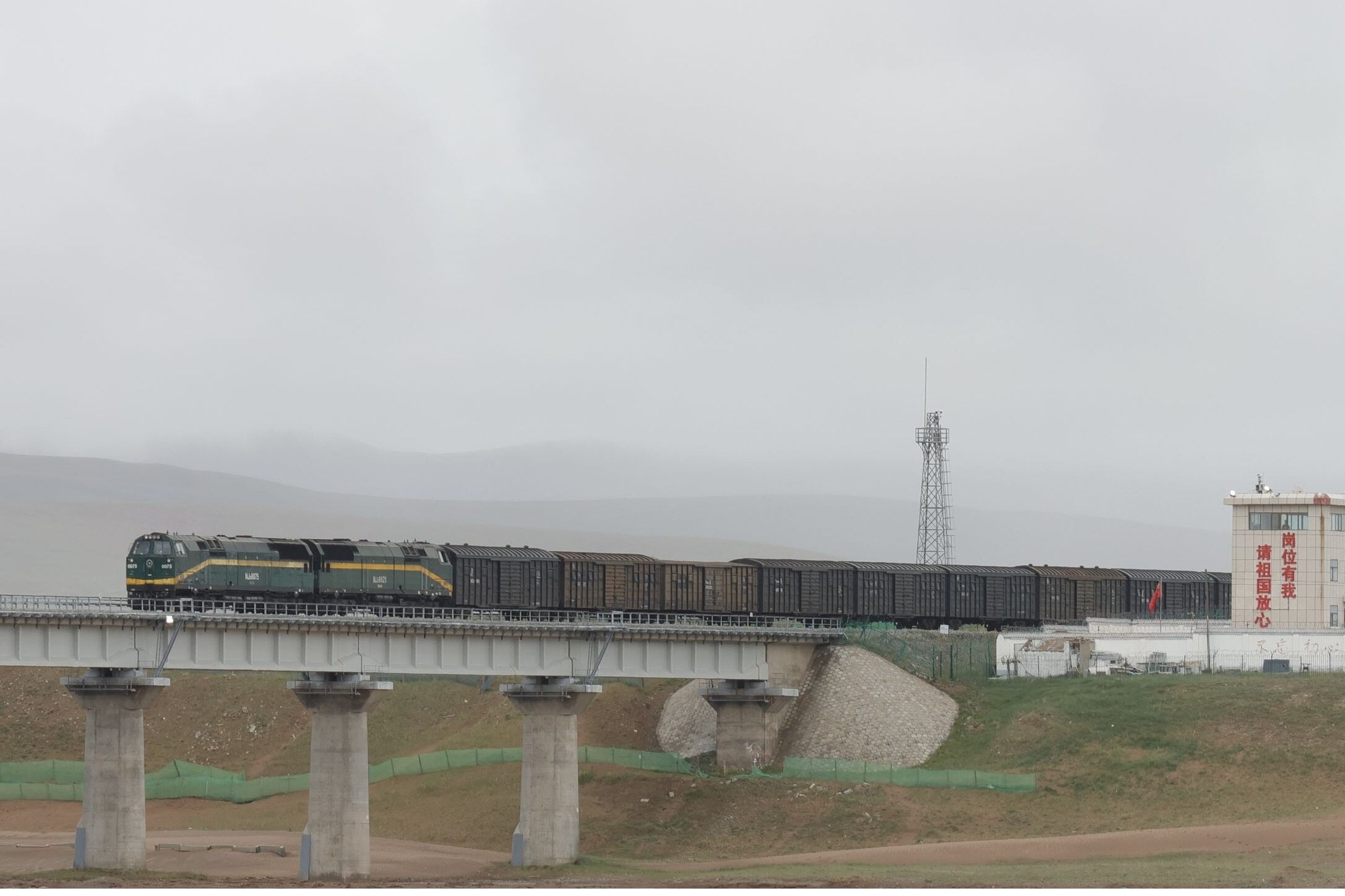
When the first ray of morning light falls on the snow peak of Nianqing Tanggula Mountain, the train loaded with goods is roaring through Kekexili. As of April 13, 2026, the cumulative transportation of goods entering and leaving Tibet by the Qinghai Tibet Railway has exceeded 100 million tons. After 20 years of operation, this iron and steel road, once regarded as a life restricted zone, not only rewrote the history of Xizang without railways, but also became a powerful engine to drive the economic growth of the two provinces and regions.
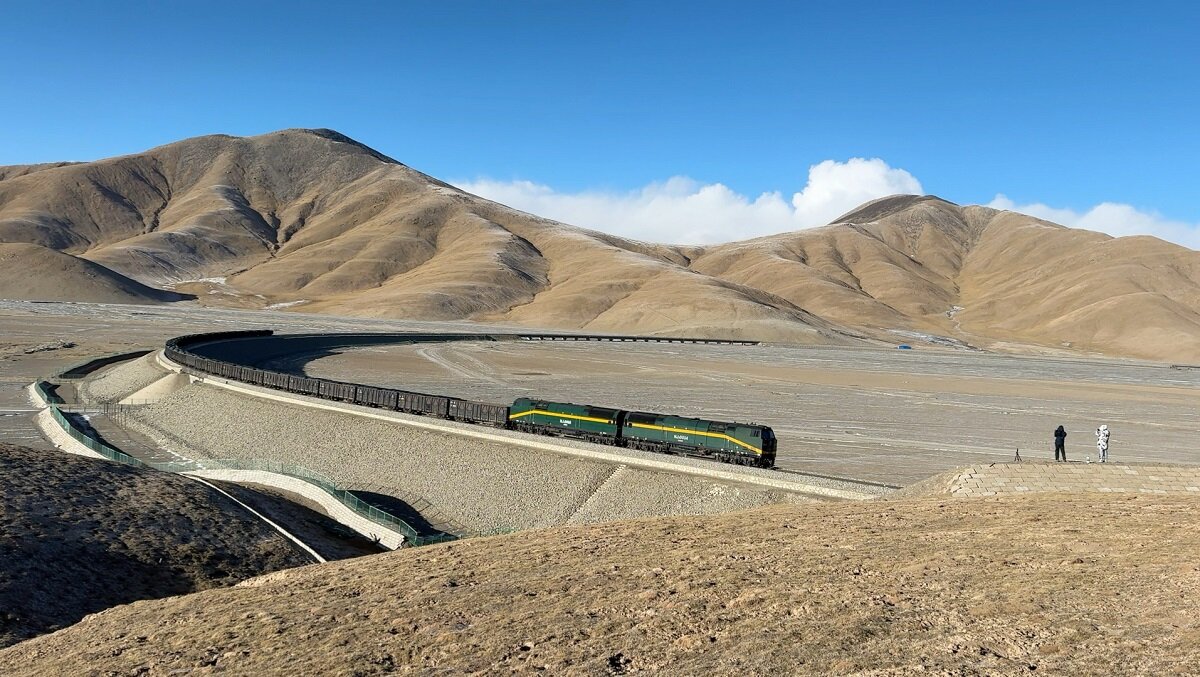
Miracle from 360000 tons to 8.31 million tons
Numbers are the best witnesses. When the entire line was opened to traffic in 2006, the annual freight volume was only 361000 tons; By the end of 2025, this number had soared to 8.313 million tons, with an average annual growth rate of 18.0%. What is even more remarkable is the optimization of the cargo structure: the import of goods into Tibet has increased from 340000 tons to 6.908 million tons, with an average annual growth rate of 17.2%; The outflow of goods has surged from a negligible 21000 tons to 1.405 million tons, with an average annual growth rate of 24.8%. This group of data reflects the historical transformation of Xizang's economy from relying solely on external blood transfusion to focusing on both endogenous blood production and export.
Capacity release and reconstruction of spatiotemporal pattern
To meet the demand for explosive growth, the Golmud Lhasa section of the Qinghai Tibet Railway has undergone a complete transformation. The number of stations has increased from a few in the early days to 58 now, the traction weight has been improved to 2880 tons, and the number of passenger and freight trains has increased to 17 pairs. The operating mileage of Xizang railway has exceeded 1000 kilometers, and the number of freight stations has increased to 8. This constantly expanding road network makes the roof of the world no longer far away, and also enables highland specialties to reach the world at lower costs and higher efficiency.
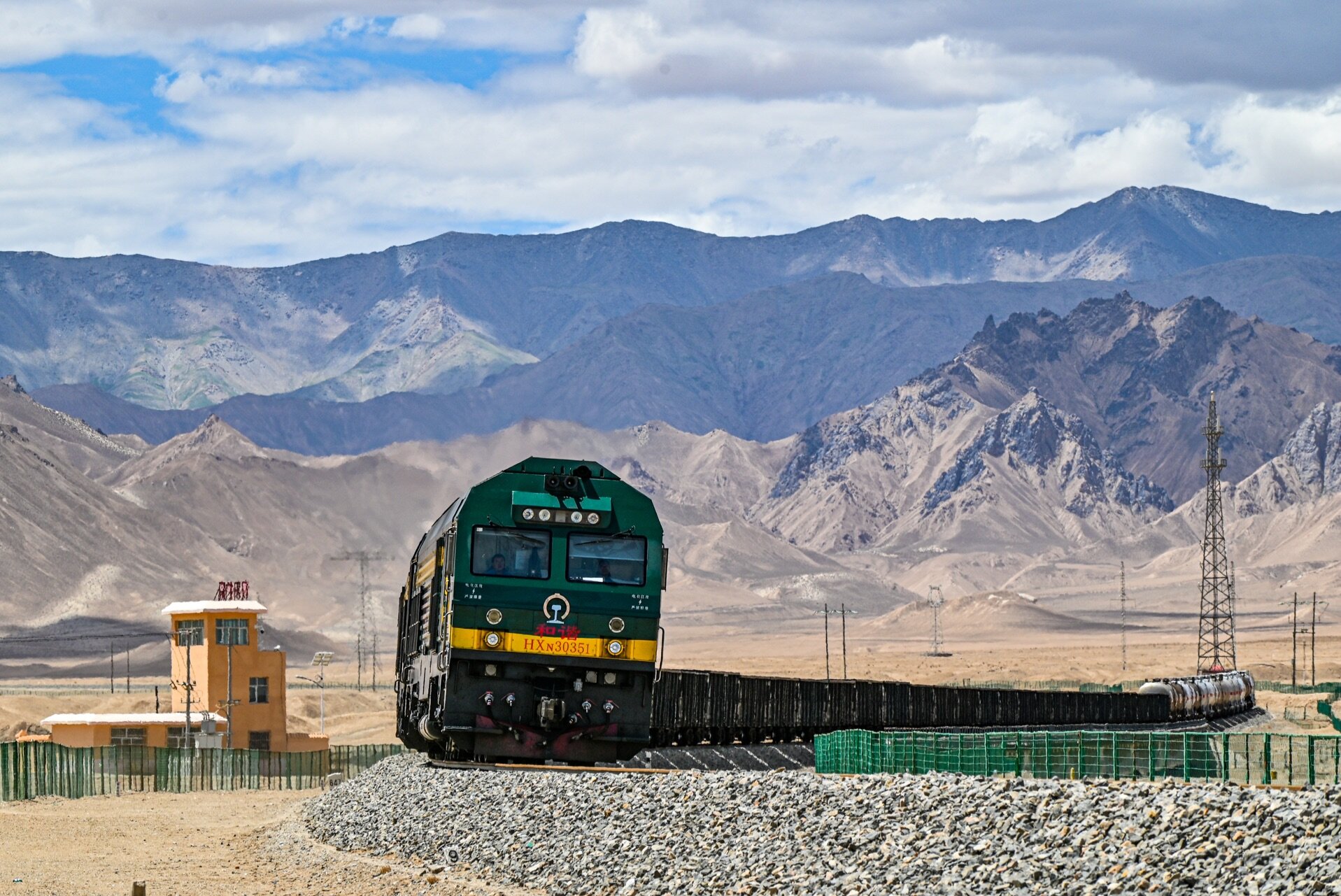
Logistics connectivity activates new driving forces for development
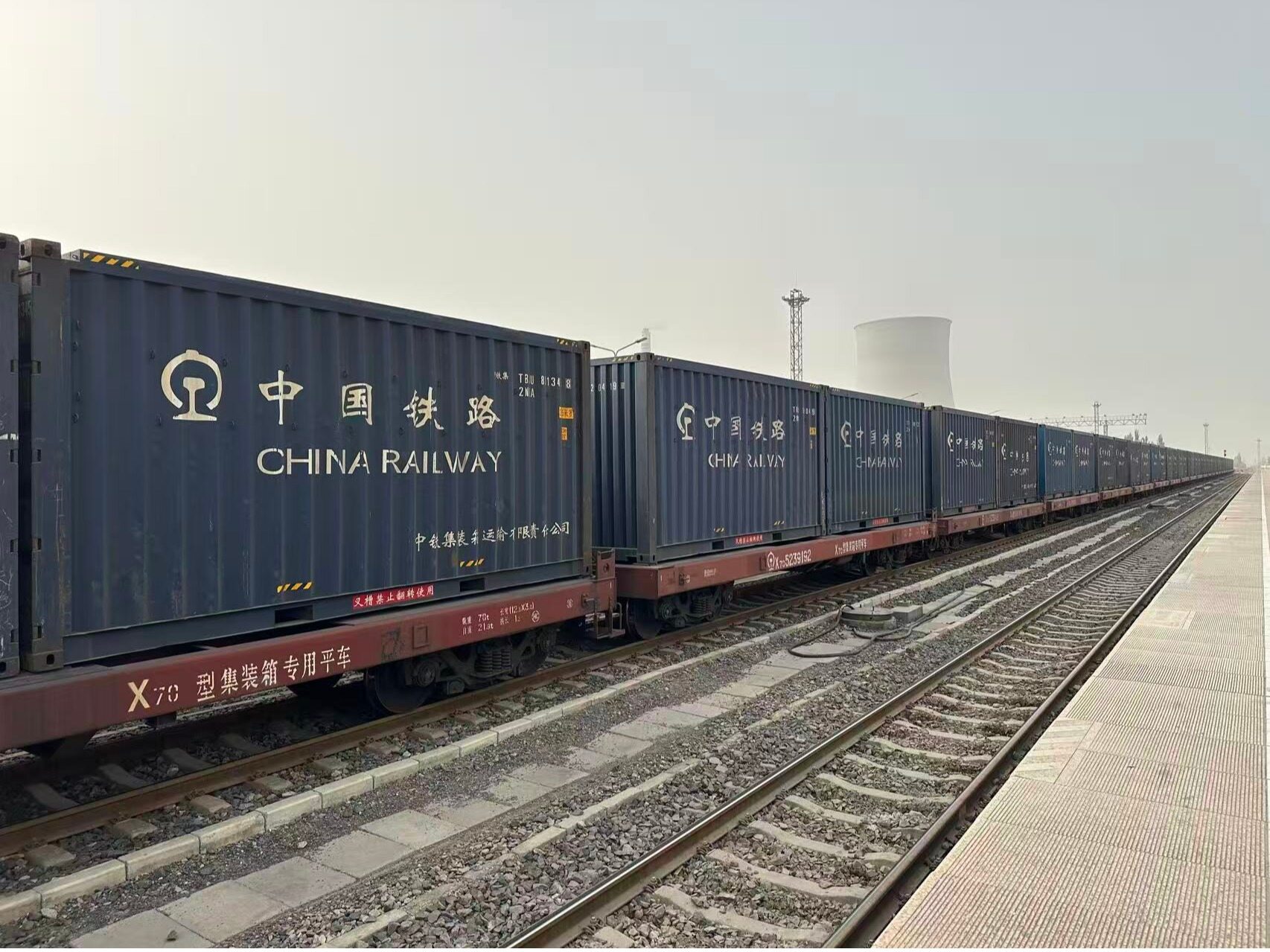
China Railway Qinghai Tibet Group Co., Ltd. has not stopped at infrastructure construction, but has deeply cultivated services guided by the market. The regular operation of daily necessities trains entering Tibet has ensured the bottom line of people's livelihood, while the new business of self driving tour car transportation opened up by cleverly utilizing return air resources has tapped into the potential of tourism. More strategically significant is the expansion of cross-border logistics based on location advantages, which has achieved zero breakthroughs in the intermodal transportation of public and rail trains in South Asia and Central Asia. Keywords: Qinghai Tibet Railway, freight transportation, railway
After twenty years of wind and rain, the Qinghai Tibet Railway has evolved from a single transportation channel to an economic corridor integrating logistics, commerce, and tourism. Under the grand background of the the Belt and Road Initiative, the steel artery on this snow covered highway is injecting continuous power into the high-quality economic and social development of the plateau with a more open attitude.Editor/Cheng Liting
Comment




 Praise
 Collect
 Comment

 Share
Share


Write something~