 Search



Macro
The National Energy Administration deploys the next phase of hydrogen energy pilot tasks
04-16
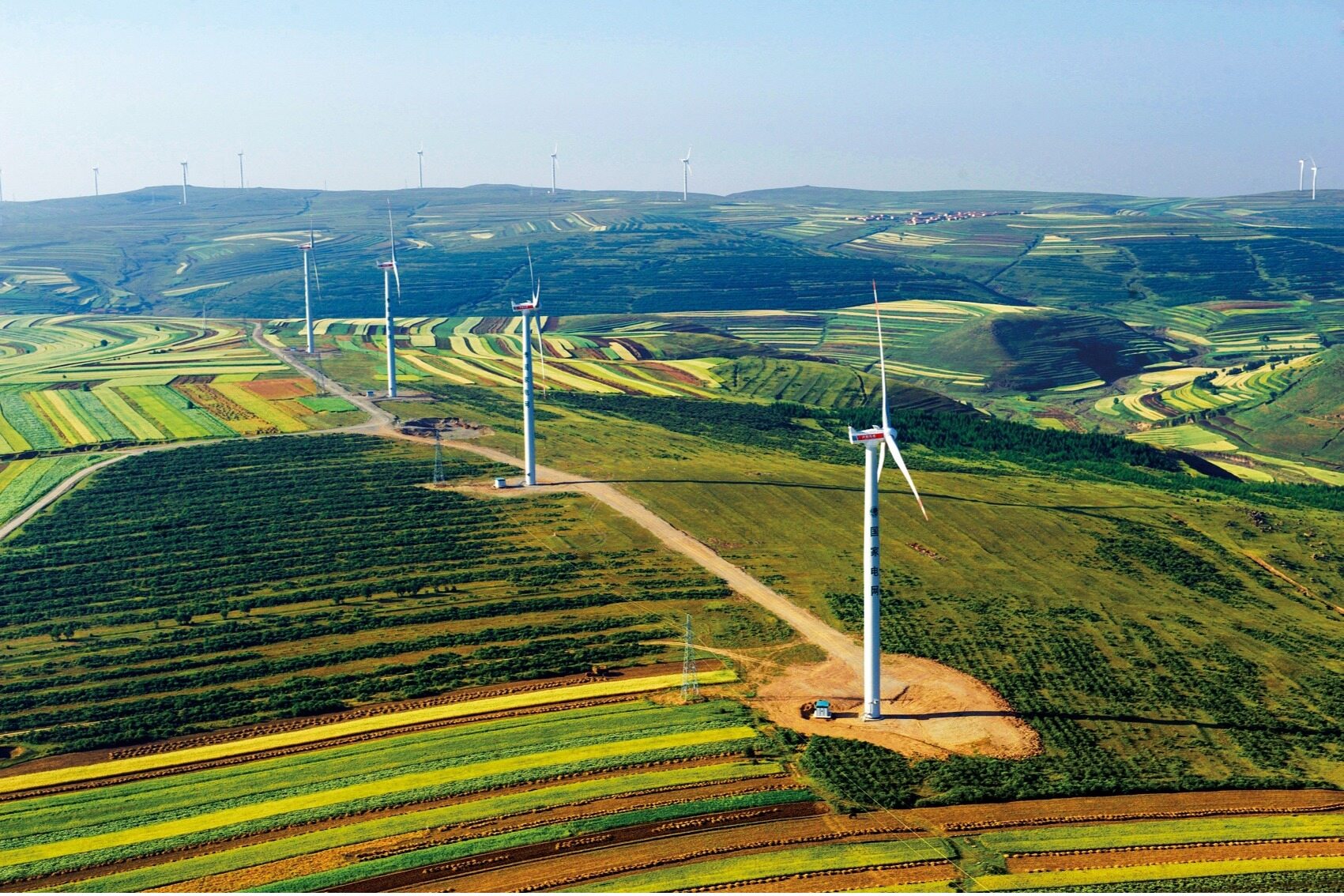
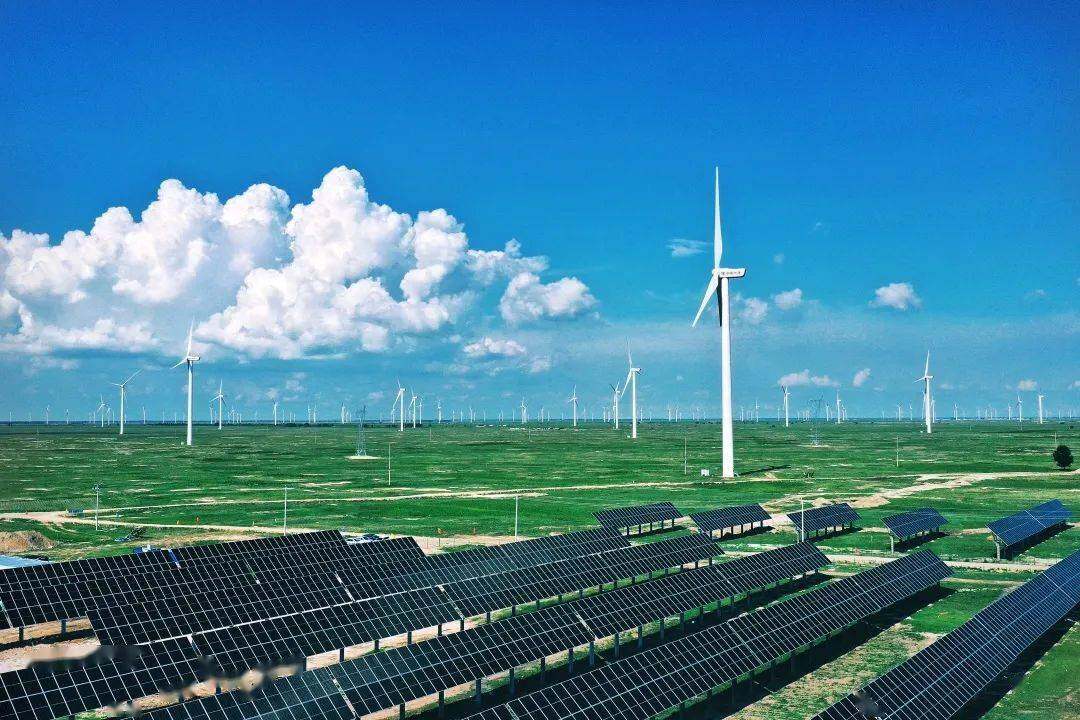
In Kyrgyzstan, a Central Asian mountainous country just one step away from Xinjiang, a profound energy revolution is quietly underway in legal provisions. This country, which has long relied on outdated power grids and hydropower, is about to have its energy landscape rewritten by a large number of newly signed photovoltaic panels and wind turbines. However, how the fragile power grid can withstand the severe fluctuations of intermittent renewable energy has become a problem hanging over its head. Now, the answer is revealed in the form of a law - starting from April 17, 2026, all newly built large-scale scenic projects must come with their own "stabilizers".
On this day, Kyrgyzstan's new Renewable Energy Law officially came into effect. This marks the acceleration of electricity marketization reform in another Central Asian country, following Uzbekistan and Kazakhstan. It also means that the development of new energy in the region has completely bid farewell to the era of simple subsidies and entered the "deep water zone" that emphasizes both bidding and technological barriers.
Mandatory allocation of hard indicators for storage
Compared with the old law promulgated in 2008 and revised in 2019, the new regulation has made fundamental adjustments in project economy, power grid access, and settlement methods.
Firstly, the long-term electricity price subsidy dividend is gradually diminishing. Previously, renewable energy generators could enjoy discounted grid prices up to 1.3 times that of ordinary consumers, and the discount period for wind and solar power was as long as 25 years. The new regulations have significantly reduced the discount coefficient for micro projects, from 1.3 times to 1.0 times. For large-scale projects, electricity prices will be determined through unified public bidding in the future. Although there will still be preferential periods to attract investment, the era of high subsidies for "lying down and making profits" has come to an end.
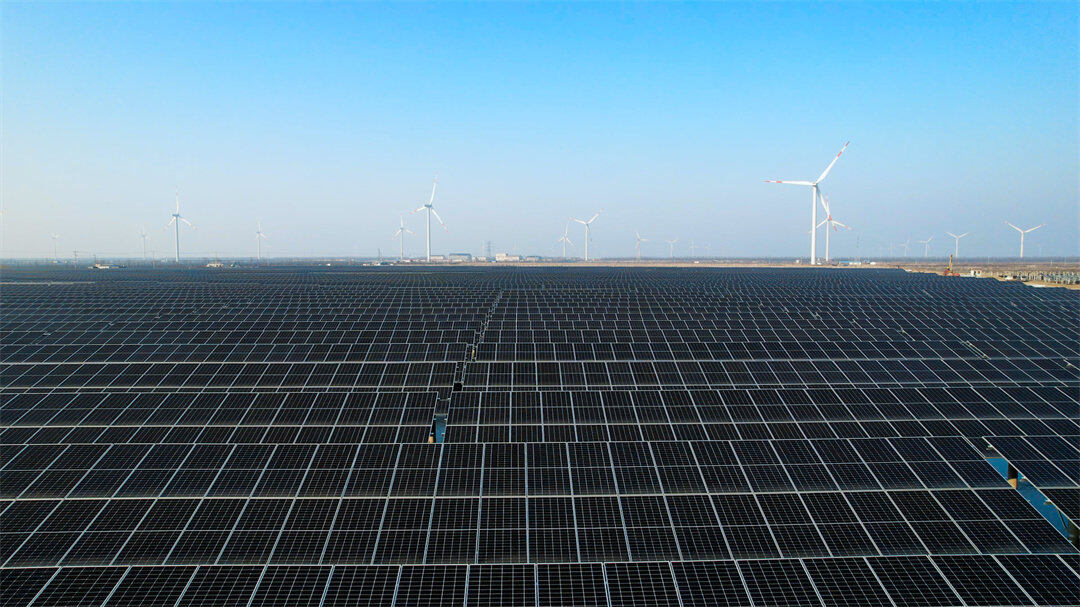
A more crucial and far-reaching move is to mandate the installation of energy storage. The new regulations clearly require that newly built wind and solar projects must be equipped with energy storage systems, and the energy storage capacity must not be less than 30% of the project's installed capacity. This means that the pressure and cost of power grid peak shaving will be directly transferred to power generation project developers.
This move is a burden that the Kyrgyzstan power grid cannot bear. More than 90% of the substations in the country have been in operation for over 25 years, with severely aging lines and fragile system regulation capabilities. At the same time, renewable energy projects are experiencing explosive growth. According to the International Renewable Energy Agency (IRENA), by the end of 2024, Kyrgyzstan's photovoltaic installed capacity will be almost zero. By December 2025, its first 100 MW large-scale photovoltaic power station will be put into operation. However, the total capacity of renewable energy projects that have signed development agreements nationwide has exceeded 5 gigawatts, including investments from Chinese, Vietnamese, and Middle Eastern companies. It is expected that there will be a peak in project production in 2026. Compulsory storage allocation is a "rigid" measure taken by the authorities to ensure system stability in the context of power grid transformation not keeping up with the pace of green energy leap forward.
Policy backtracking and land red line
The new regulations, while outlining a new blueprint, have also brought significant uncertainty and challenges to developers, especially international investors who have already entered the market.
The primary risk lies in whether the policy has traceability. For a large number of projects that have been approved or even under construction, the Kyrgyz government has not yet clarified whether they can be exempted. Whether these 'old projects' will be required to build energy storage facilities in the future, or whether the on grid electricity prices will be re evaluated, is still an unresolved question, casting a shadow over investment expectations.
Another test comes from the sudden tightening of land supervision. The new regulations stipulate that if the project land is not actually started within two years after approval, the government has the right to directly reclaim the land. This clause completely blocks the operation mode of some developers in the past, which involved occupying land resources and waiting for appreciation or transfer. It requires investors to be more practical and efficient, and puts forward higher requirements for the early progress speed of the project.
Settlement openness and market-oriented future
Despite the severe challenges, the new regulations have also released some positive signals, attempting to maintain investment attractiveness while raising the threshold.
One important arrangement is to open up foreign currency settlement. For large-scale renewable energy projects, electricity prices are allowed to be denominated in foreign currencies (such as US dollars, euros), although the final payment is still in local currency som. This regulation aims to help international investors, especially developers who need overseas financing, to some extent avoid exchange rate fluctuations and improve the stability of project financial models.
The transformation of Kyrgyzstan is a microcosm of the evolution of new energy policies in the entire Central Asian region. From Uzbekistan to Kazakhstan, and now to Kyrgyzstan, countries are gradually moving away from the initial stage of high subsidies and shifting towards a sustainable development track that allocates resources through market competition and ensures safety through technological standards. This not only demands the consumption capacity of the local power grid, but also greatly tests the refined cost accounting, technical solution integration, and comprehensive risk control capabilities of overseas enterprises.
Under the framework of the the Belt and Road Initiative, Chinese energy enterprises are an important force for new energy investment in Central Asia. In the face of Kyrgyzstan's energy reform aimed at "scraping bones to cure poison", how to optimize energy storage solutions under compliance and how to accurately control investment pace under new bidding and land rules will become the key to determining the success or failure of projects and even their future market position in Central Asia.Editor/Yang Meiling
Comment

 Praise
 Collect
 Comment

 Share
Share




Write something~