 Search


- This move aims to break through industrial bottlenecks and accelerate the process of large-scale industrialization of hydrogen energy

On April 10, 2026, in the conference room of the National Energy Administration, nine transcripts of hydrogen energy regional pilot projects were unfolded one by one. While various regions are still debating the policy boundaries of the hydrogen energy industry, this push has already begun to assign the next stage of hard tasks. Hydrogen energy, which is regarded as a strategic track for future energy, is moving from decentralized pilot projects to systematic breakthroughs.

Nine pilot projects form a differentiated pattern
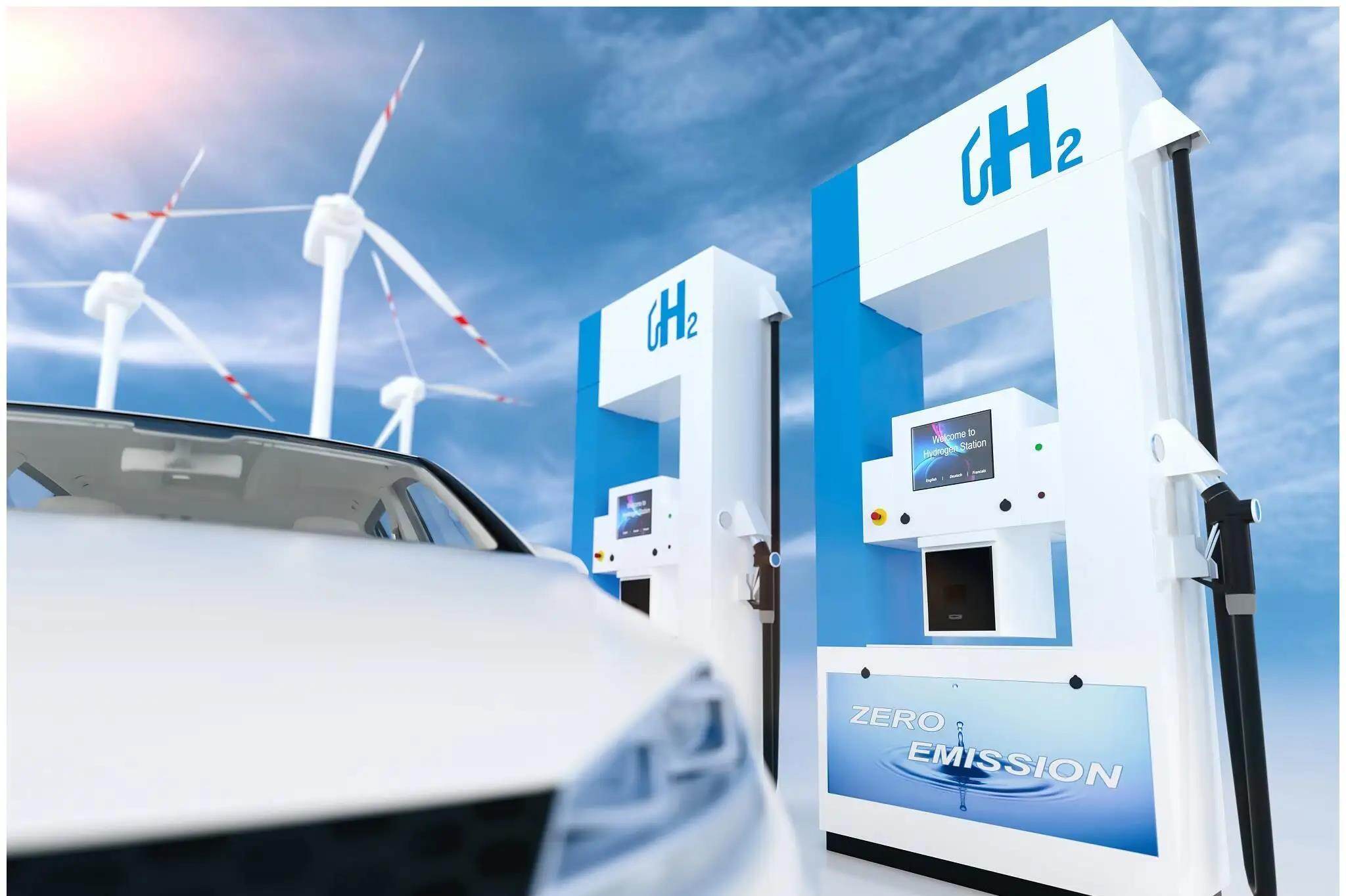
The nine pilot projects are based on their respective resources and industrial foundations, and have begun to develop with differentiation. Some focus on on-site consumption of wind and solar hydrogen production, some specialize in industrial by-product hydrogen purification and pipeline hydrogen blending, and some focus on the application of heavy trucks and hydrogen powered ships in ports. These pioneering samples will provide fresh data on cross departmental collaboration, mutual recognition of standards, and other aspects for the national hydrogen energy management system.
Cracking the bottleneck requires institutional breakthroughs
The core challenges highlighted in the meeting are the lack of a hydrogen trading mechanism and the absence of a green certification system. The next pilot will boldly test the rules for spot and forward trading of hydrogen energy, and promote the linkage between green hydrogen and carbon markets, as well as the green certificate system. The demonstration application of the first set of equipment has been repeatedly emphasized, aiming to bridge the conversion gap between the laboratory and the production line, and enable key equipment such as domestically produced electrolytic cells and liquid hydrogen storage tanks to obtain admission tickets. Keywords: Strategic News Network, Hydrogen Energy Strategy Layout

Plan a game of chess and sprint for the 15th Five Year Plan
Song Hongkun, Deputy Director of the National Energy Administration, has explicitly requested that all regions establish a sense of playing chess to avoid redundant construction and resource mismatch. The pilot cities need to fulfill their local responsibilities, and the development and reform departments and energy departments will work together to ensure factors such as land use, power grid access, and financial subsidies. On the eve of hydrogen energy being officially included in the 15th Five Year Plan for energy, the signal of this promotion meeting is clear enough: the pilot is not a bonsai, it is to grow a replicable industrial chain.Editor/Gao Xue
Comment




 Praise
 Collect
 Comment

 Share
Share


Write something~