 Search


- In the first quarter of 2026, the China Europe freight train will operate 5460 trains and transport 546000 TEUs
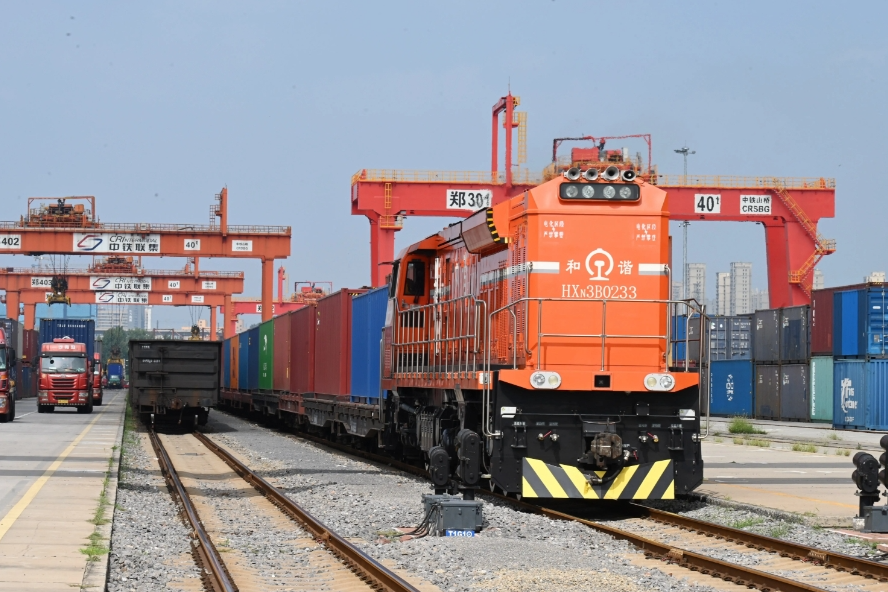
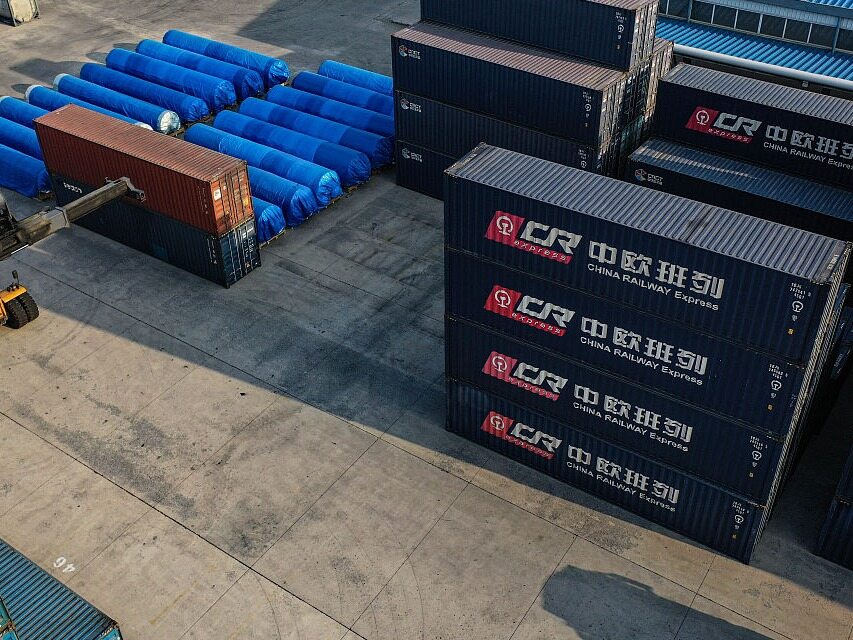
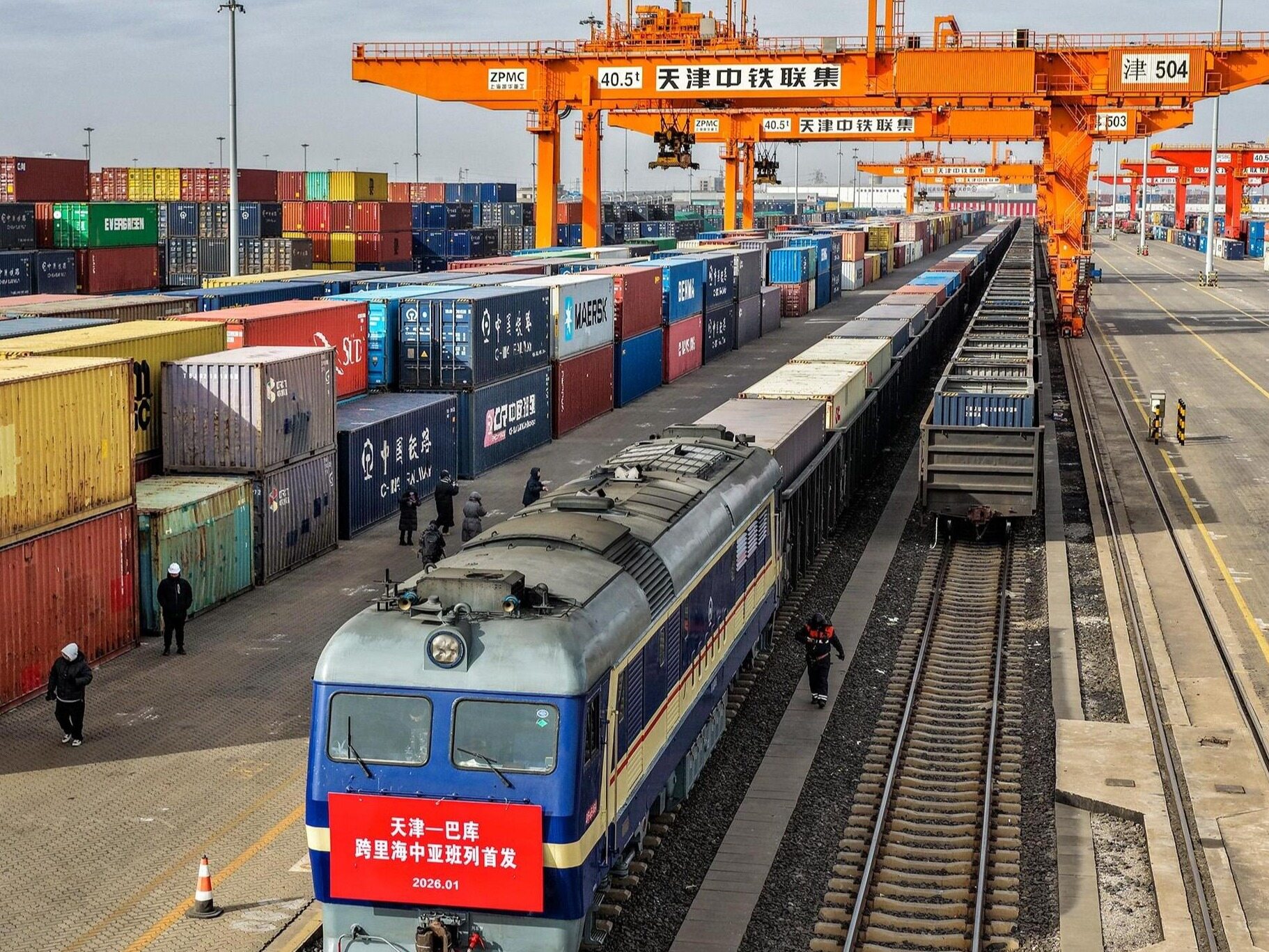
In the first quarter of 2026, the China Europe freight train continued its strong growth momentum, operating a total of 5460 trains and sending 546000 TEUs of goods, with year-on-year growth rates of 29% and 22% respectively. Against the backdrop of global supply chain restructuring, the Chinese railway sector has promoted the simultaneous improvement of quantity and quality in the logistics channel of the Eurasian Continental Bridge through road network expansion and digital reform, providing solid support for stable growth in foreign trade.
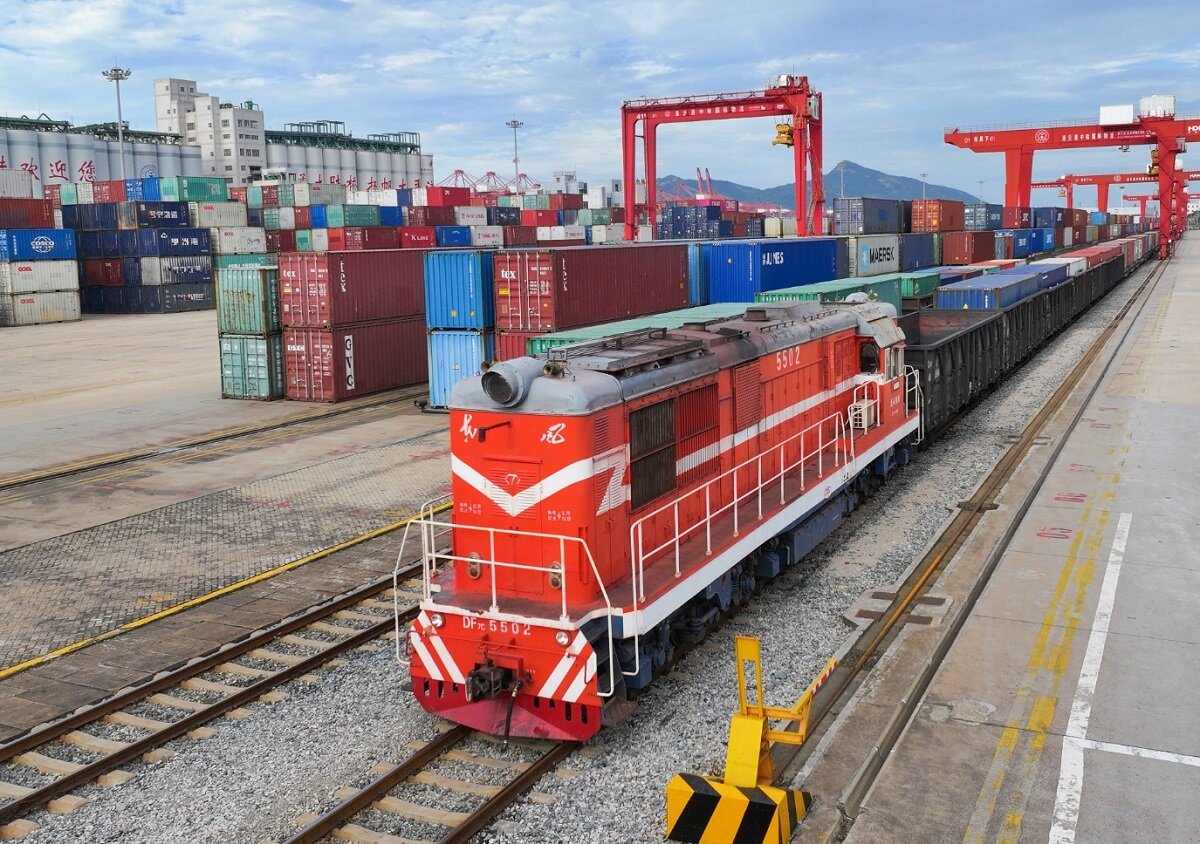
The East Passage has increased by nearly half
In the first quarter, the number of planned routes within the China Europe freight train increased to 93, and the overseas channels diversified and expanded to 235 cities in 26 European countries, basically achieving coverage throughout Asia and Europe. It is worth noting that the performance of the three main channels, West, Central, and East, is differentiated, with operating volumes increasing by 19%, 26%, and 49% year-on-year, respectively. The East channel leads the way with optimized port efficiency.
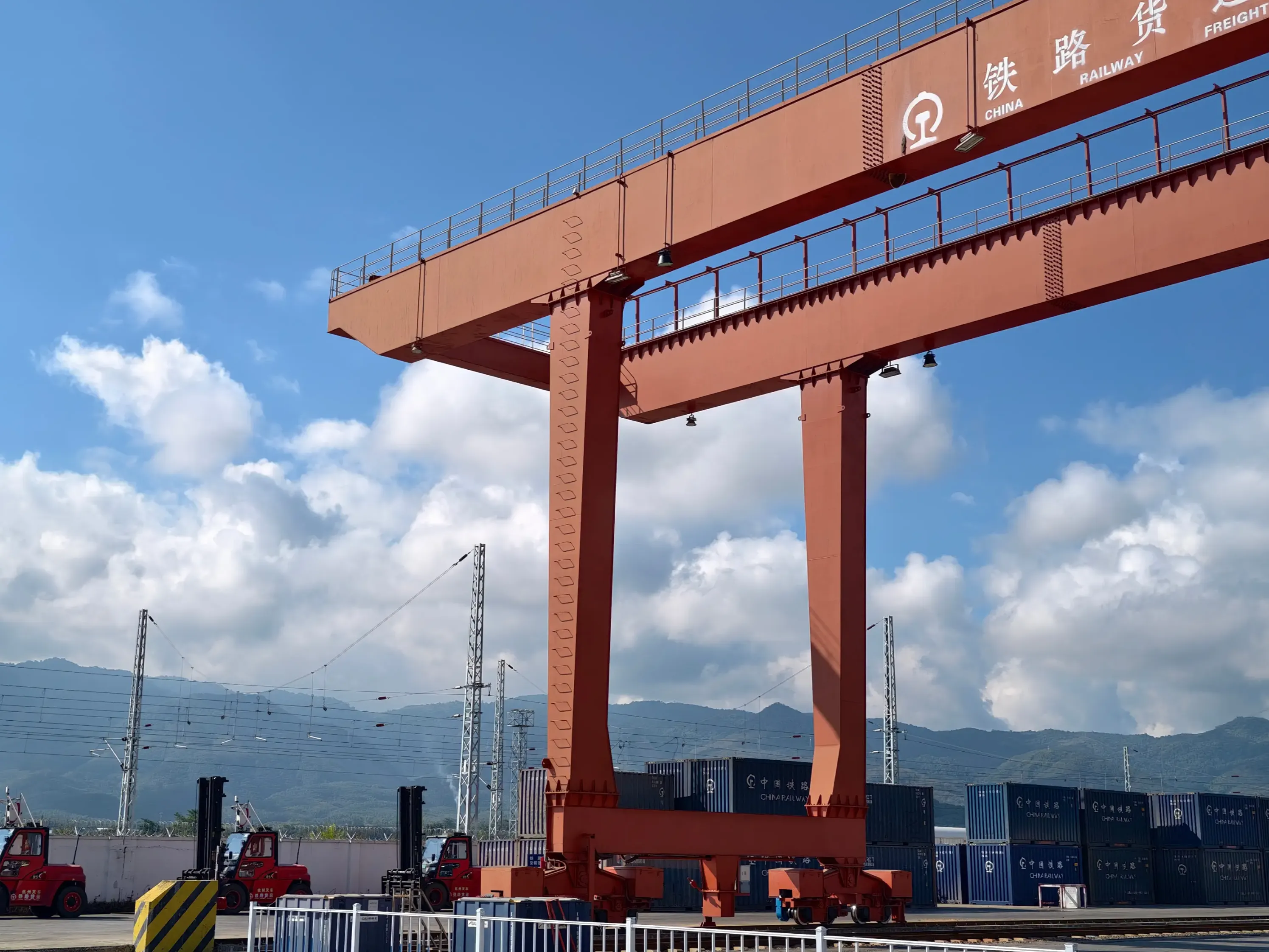
This growth is attributed to the deepening of cross-border coordination mechanisms. The railway department and railway enterprises along the line will strengthen intermodal transportation organization and implement precise scheduling for border port congestion issues. For example, at ports such as Manzhouli and Suifenhe, by increasing the capacity of the replacement yard and implementing the open top box direct transportation mode, the backlog caused by insufficient turnover of train boards has been effectively resolved, ensuring that the daily operating volume remains at a high level of over 60 trains.
Improving the quality and efficiency of the entire schedule
The revolutionary improvement in clearance efficiency is the highlight of this quarter. The railway department and customs have comprehensively promoted the railway express mode, relying on the 95306 digital port system to compress the port clearance time to less than 30 minutes, which is nearly 70% shorter than the traditional mode.
In terms of product innovation, the 22 weekly full timetable trains have covered 9 cities in China and 6 cities in Europe. Their operating time has been reduced by more than 30% compared to ordinary trains, and the average single container cargo value has increased by 41%, making them the preferred choice for high value-added electronic products and automotive parts exports. Keywords: logistics, China Europe freight trains
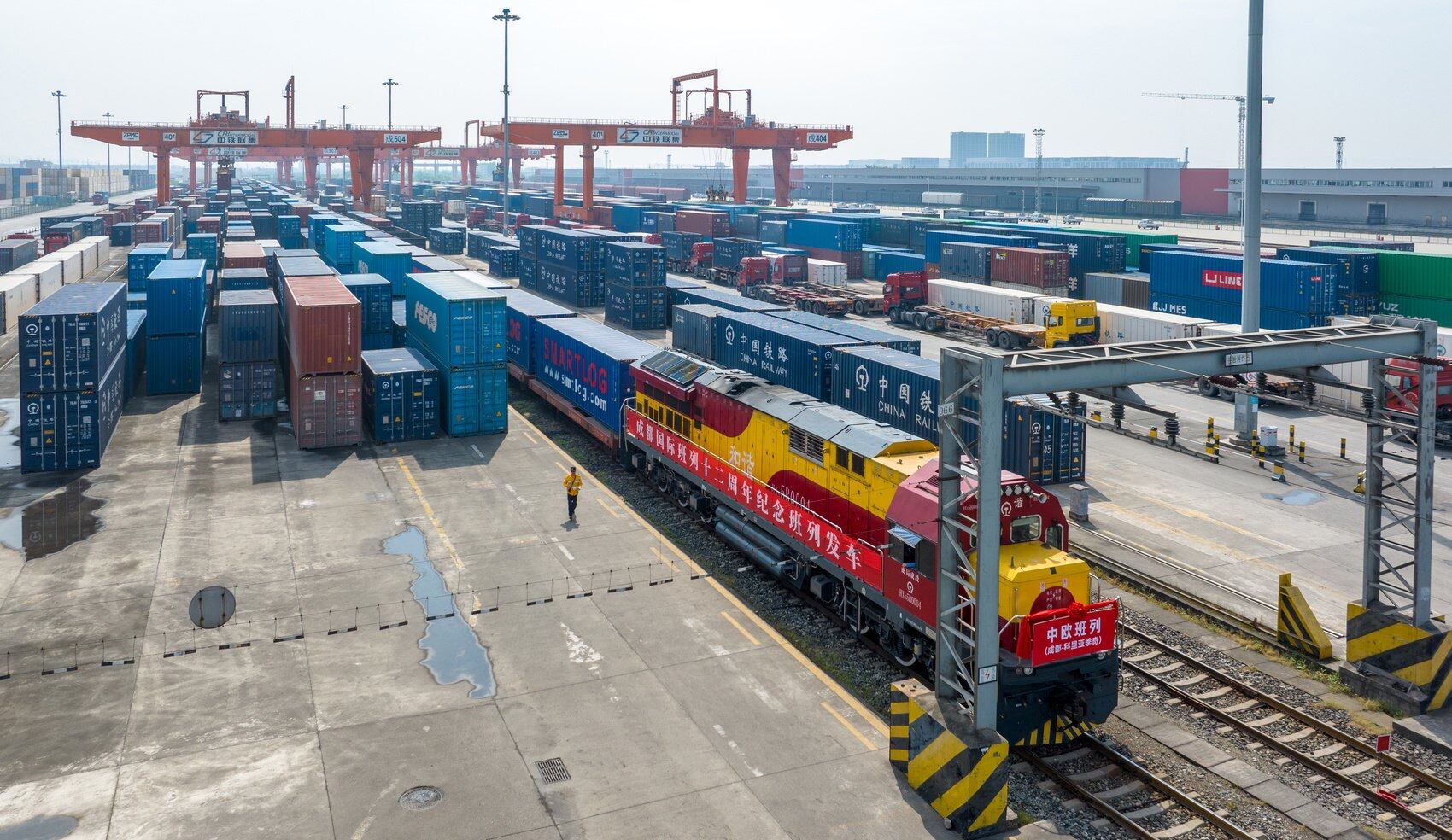
In addition, for neighboring countries without railway ports, the railway department has launched railway public transport products based on multimodal transport bills of lading, achieving end-to-end tracking of information throughout the entire process. This not only solves the problem of last mile connection, but also provides a new channel for cross-border trade that combines timeliness and flexibility through the model of railway logistics enterprises as full process operators.Editor/Cheng Liting
Comment

 Praise
 Collect
 Comment

 Share
Share


Write something~