 Search


- Within 60 days, the six major ports of the China Europe freight train have submitted the answer sheet for operating over 3500 trains
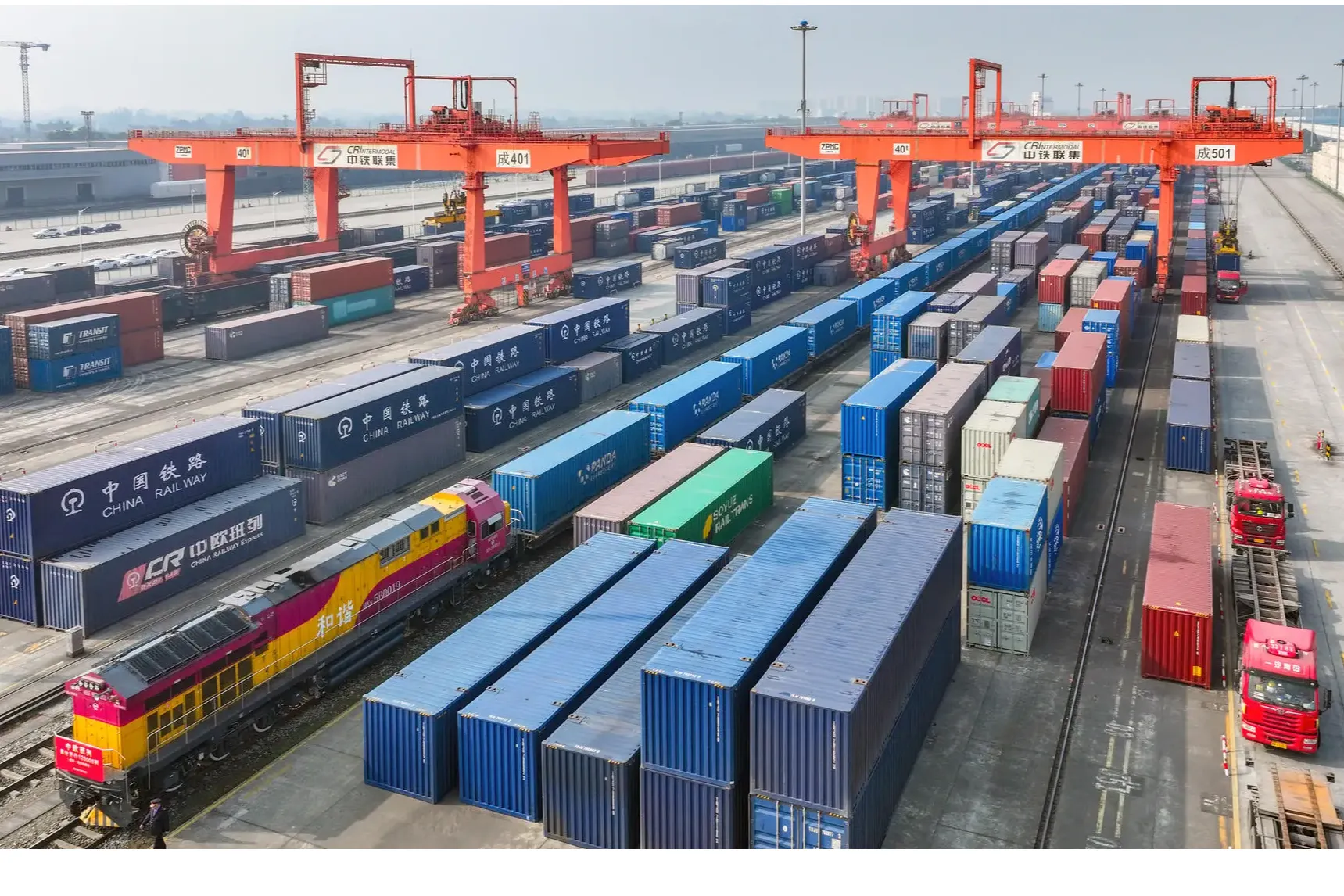
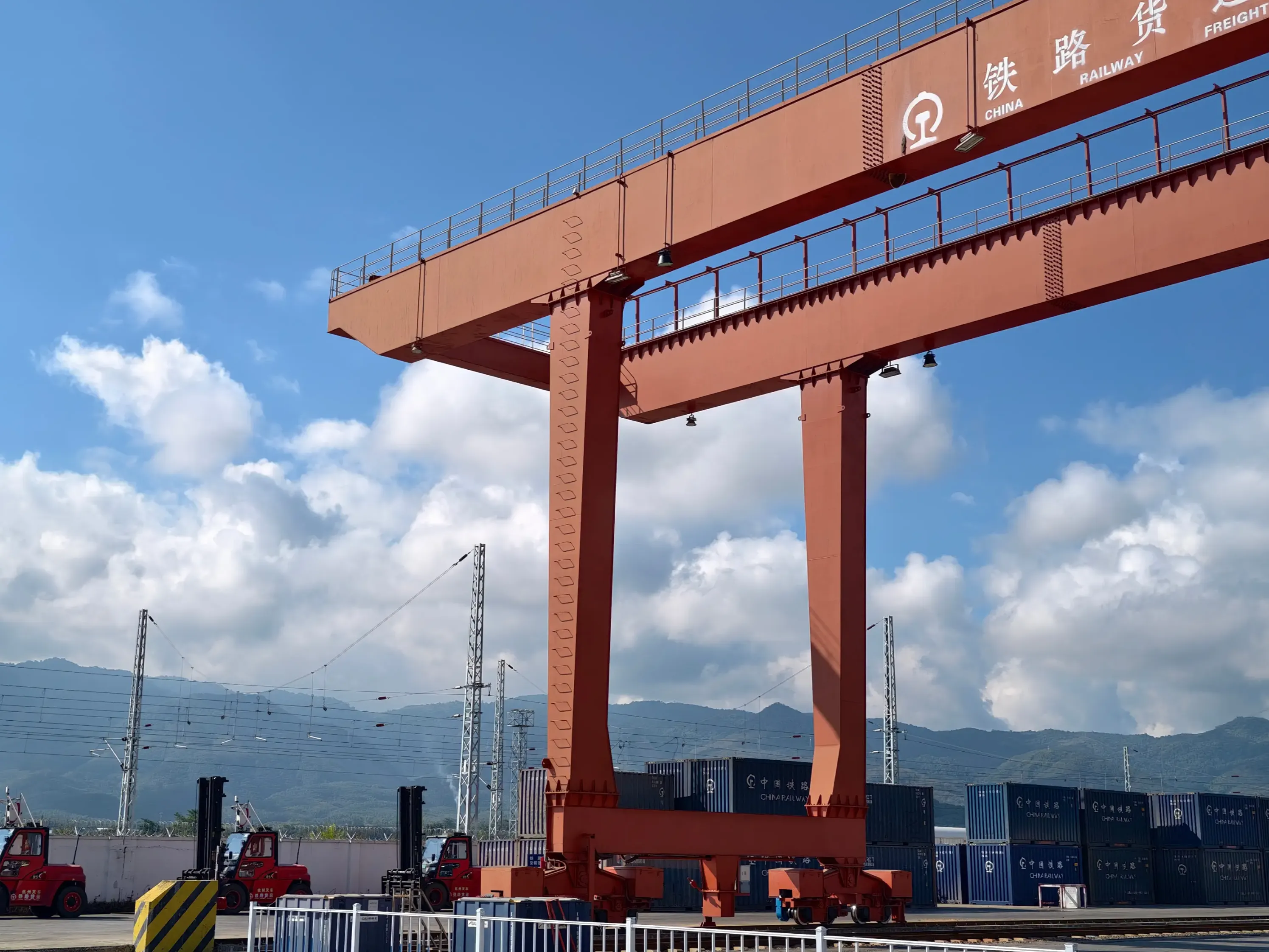
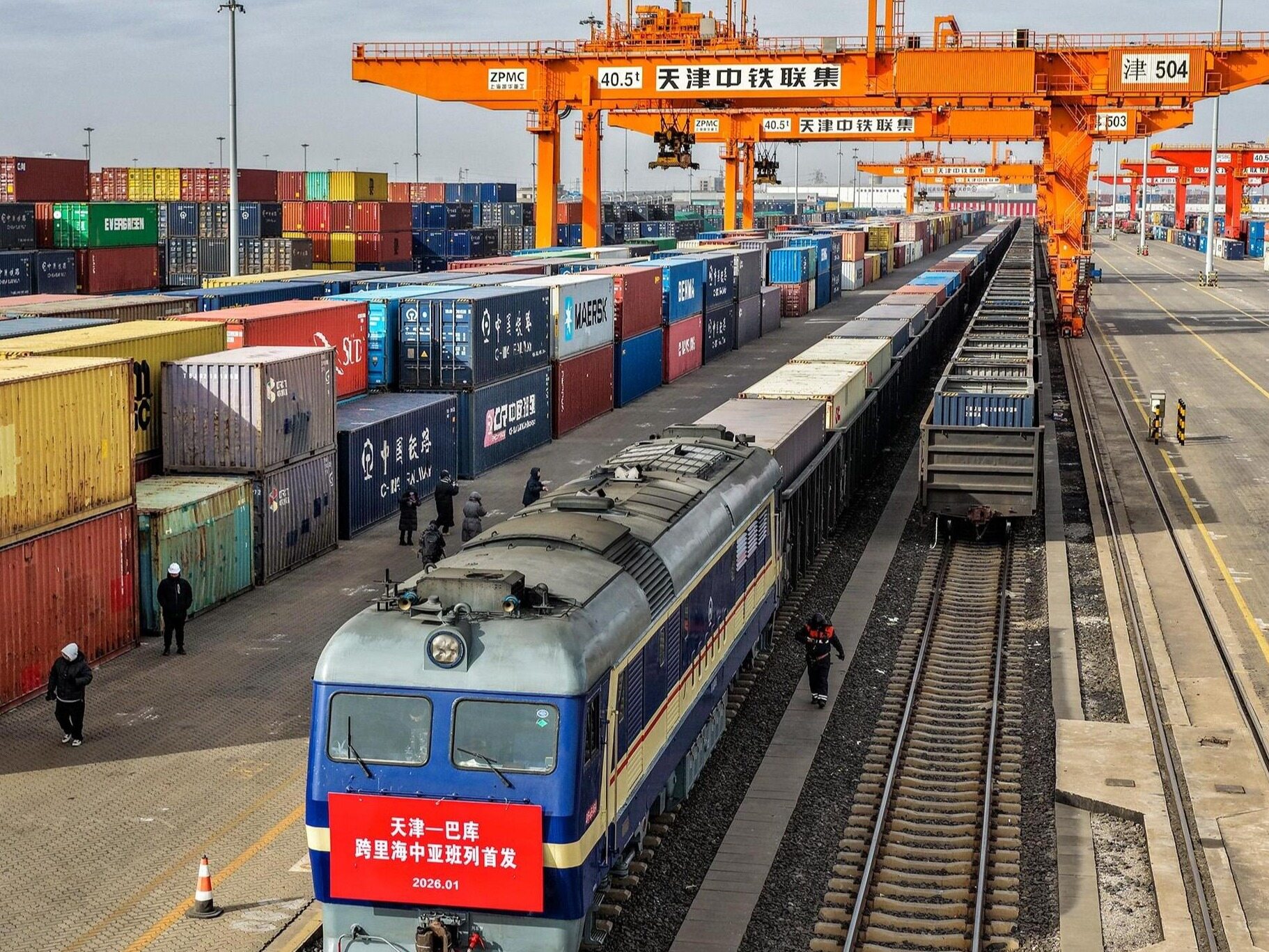
As trains loaded with new energy vehicles, wind power equipment, and cross-border e-commerce packages honk their horns and depart, a speed and passion spanning 8000 kilometers is unfolding on the Eurasian continent. This is not a movie scene, but a daily routine of the China Europe freight train. As the steel backbone of the the Belt and Road, the China Europe Express, relying on the six major railway ports in China, is like a precisely engaged gear, delivering the strong heartbeat made in China to the hinterland of Europe.
In just the first two months of 2026, these six major ports have delivered an astonishing record of operating over 3500 trains and sending over 350000 TEUs of goods, building an all-weather lifeline for Asia Europe trade amidst cold and adverse currents.
The Western Corridor supports half of China Europe trade
In the vast Gobi Desert in Xinjiang, Alataw Pass and Khorgos constitute the twin stars of the Western Passage. Alashankou firmly holds the top position, with 1136 trains operating in January and February, undertaking more than half of the national train traffic with its own efforts. Its seamless track change with Kazakhstan's Dostyk Port has made it a throat for bulk goods.
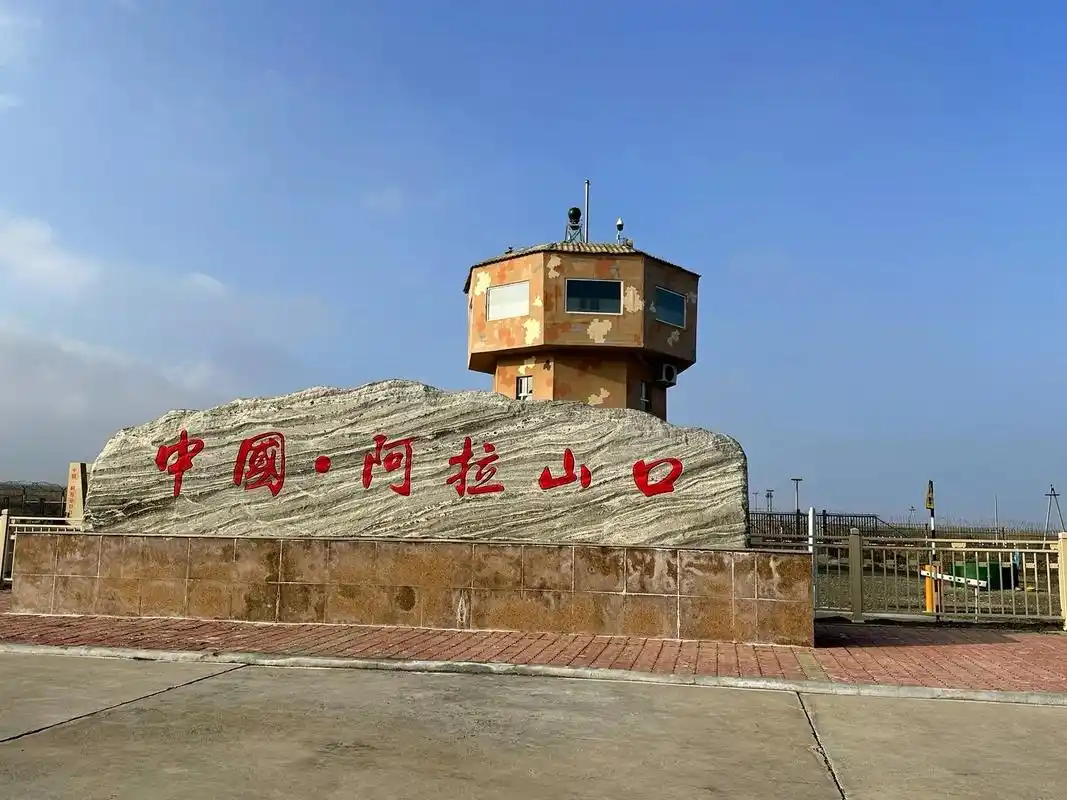

Khorgos, only a hundred kilometers away, is more flexible. As the diversion valve of the western channel, it focuses on high value-added goods. Behind the 512 trains, there is the explosive growth of wind power equipment and vehicle exports, which effectively alleviates the congestion on the western route and enables Chinese intelligent manufacturing to reach Europe faster.
Deep cultivation of trade black soil with Russia in the East Passage
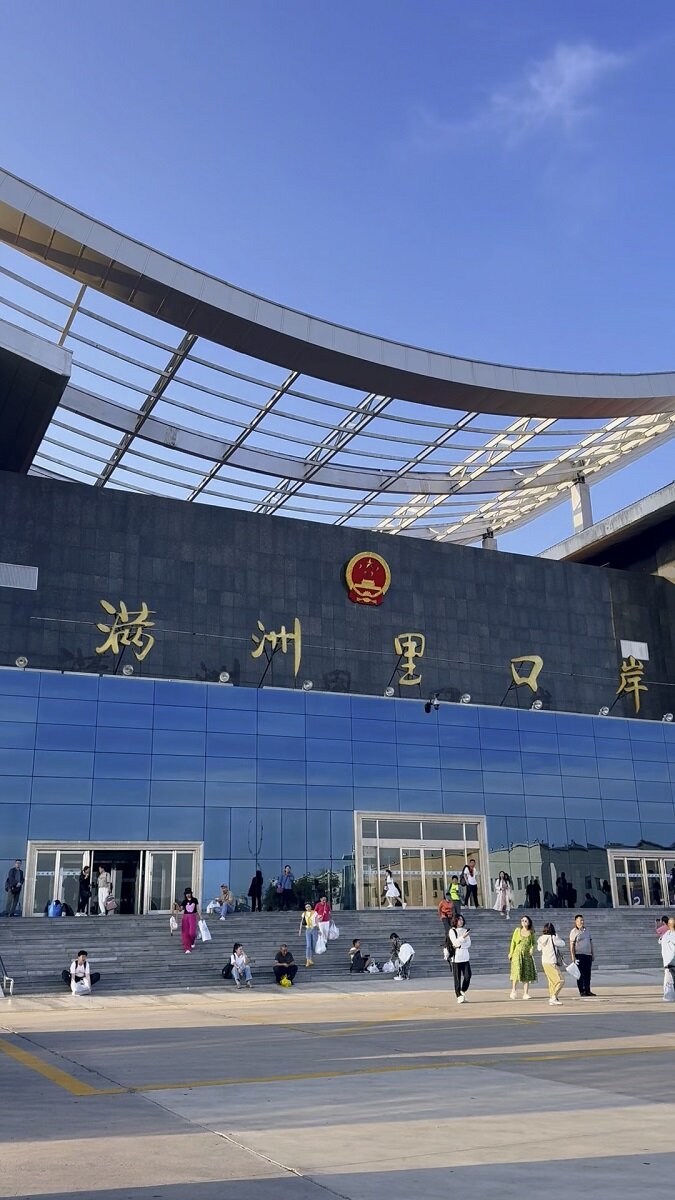
Turning to the northeast, Manzhouli, Suifenhe, and the emerging Tongjiang North jointly weave a dense network of the eastern passage. As an old mainstay, Manzhouli ranks first in the transportation volume of the 906 train in the East Passage. It is not only the starting point of the Trans Siberian Railway, but also the core hub for grain and timber return.
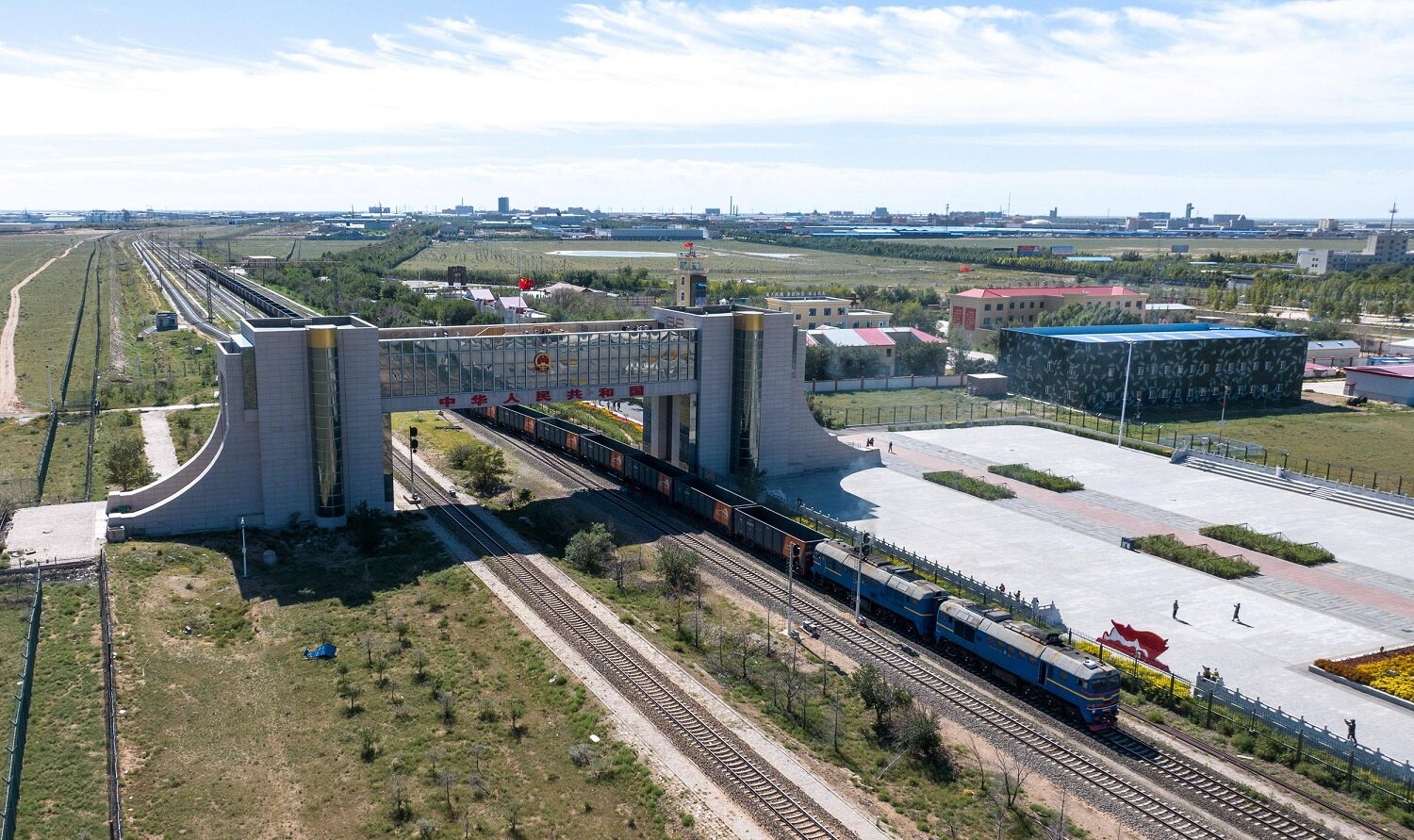
The century old port of Suifenhe focuses on people's livelihood and light industry. Although the 165 train operation volume is not dominant, its small batch and high timeliness characteristics make it a dynamic blood vessel of the old industrial base in Northeast China. As a rising star, Tongjiang North has only operated 59 trains, filling the railway gap in the middle and lower reaches of Heilongjiang. 5472 TEUs of goods are passing through the Ningskoye Port, becoming a new growth pole for trade with Russia.
The acceleration of geopolitical logistics in the middle channel
At the border between China and Mongolia, Erenhot alone carries the banner of the Central Passage. As the only railway node of the China Mongolia Russia Economic Corridor, it is not only a shortcut connecting central and northern China with Europe, but also proves its hard advantages of short distance and low cost with a running volume of 723 trains. This is not only a transit station for goods, but also a strategic gateway for geopolitical trade, allowing China Europe trade to no longer bypass sea transportation, but directly cross the Mongolian grasslands and reach the heart of Europe. Keywords: China Europe freight train, trade

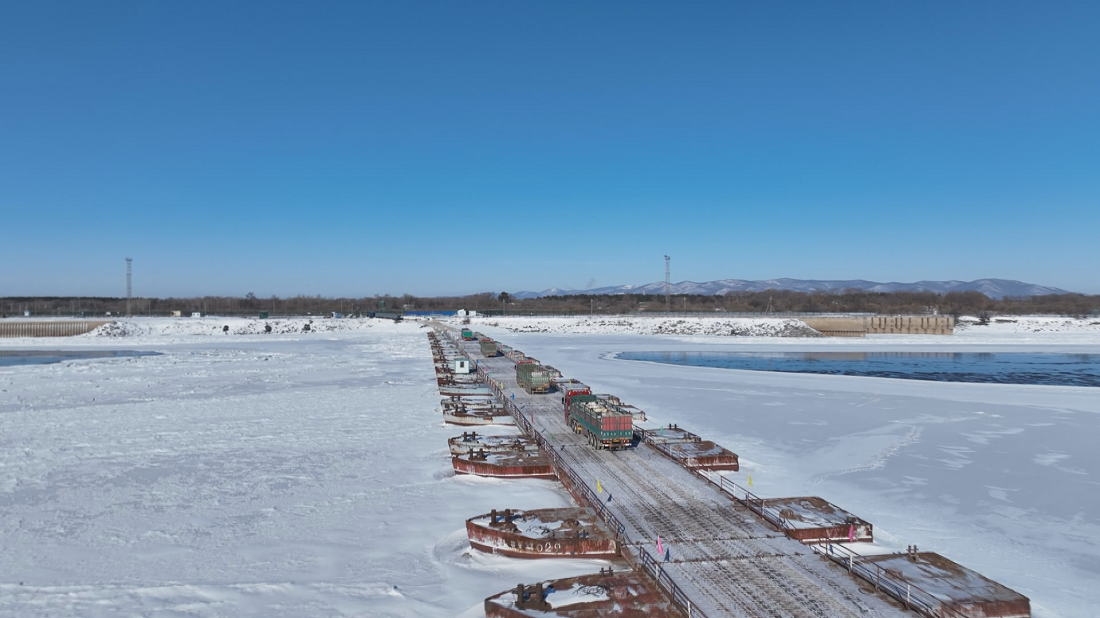
From the sandstorms on the western front to the snowy plains on the eastern front, the six major ports are not only geographical coordinates, but also pressure valves and drivers for China's outward oriented economy. In the current global supply chain restructuring, the China Europe freight train is tightly welding Chinese manufacturing with the world market with its irreplaceable certainty.Editor/Cheng Liting
Comment

 Praise
 Collect
 Comment

 Share
Share


Write something~