 Search


- Jiangsu has become the forefront of solving this problem
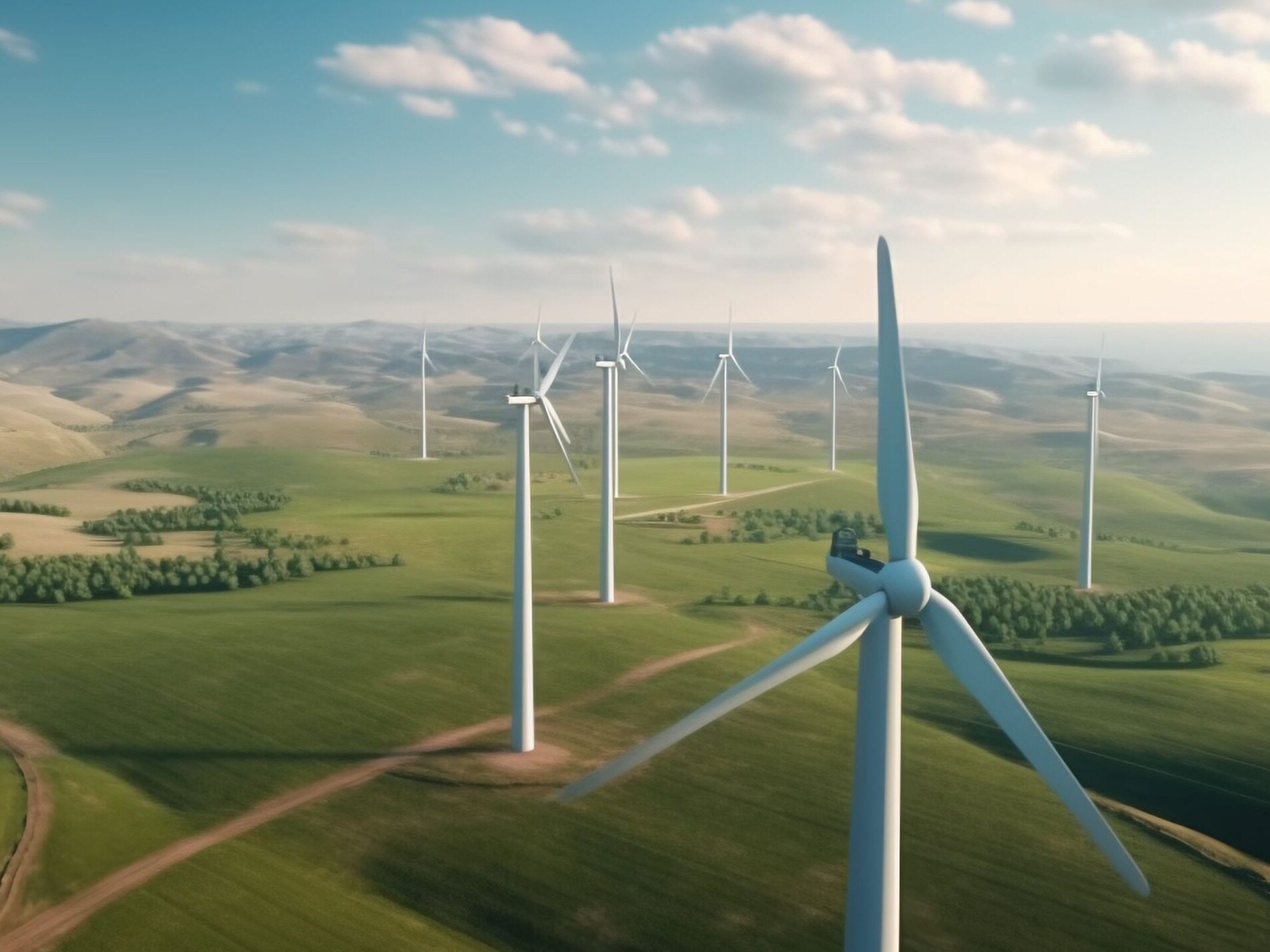
The scale of installed power capacity in China has repeatedly reached new highs, which cannot be separated from the rapid rise of new energy industries such as wind power. Since the beginning of this year, China's offshore wind power industry has accelerated its expansion to deep-sea areas 85 kilometers offshore. A key challenge has emerged: how to safely transmit the electricity generated from deep-sea areas back to land and smoothly integrate it into the national power grid?
As the province with the largest scale of offshore wind power grid connection in China, Jiangsu has become the forefront of solving this problem. At 9 o'clock in the morning, the local offshore wind power technology laboratory was already bustling, with over 300 square meters of experimental space filled with people from all walks of life who came to visit and conduct research. The reporter saw a list of visitors in the laboratory. Since the beginning of the year, it has received 20-30 research teams every month, and the visit plan has been scheduled until the end of April.
Jia Chenchen, Deputy Director of the Offshore Wind Power Technology Laboratory at State Grid Jiangsu Electric Power Research Institute, introduced: "The main visitors for the visit and research are investment and construction enterprises in the field of wind power generation. They are most concerned about various cutting-edge issues in the development of offshore wind power. Therefore, our visit appointment has always been very tight.
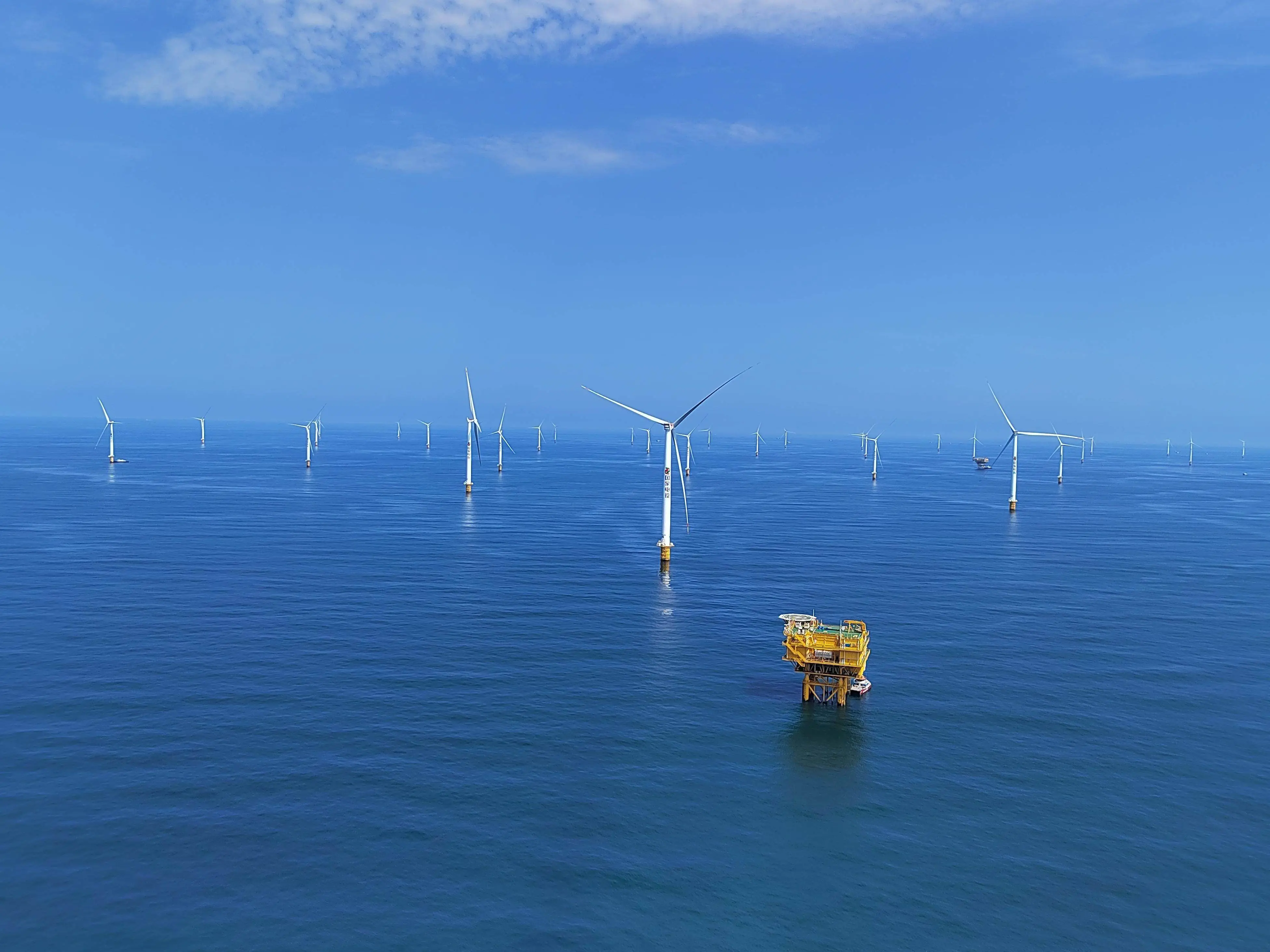
Nowadays, China's offshore wind turbines are constantly extending to farther sea areas - the farthest offshore wind power project that has been put into operation has an offshore distance of 85 kilometers, while the projects planned and constructed this year have exceeded 100 kilometers offshore. Seemingly only a 15 kilometer extension, there are many technical difficulties that urgently need to be overcome behind it.
Li Qiang, Secretary of the Party Branch of the Offshore Wind Power Technology Laboratory at State Grid Jiangsu Electric Power Research Institute, explained that although it is only a 15 kilometer deep sea extension, the farther the wind turbines are offshore, the more superior the wind energy resources are, but the technical difficulty also increases significantly. Data shows that for every 10 kilometers away from the coast, the impact of wind power on grid stability increases by 20%. Currently, the commonly used international grid connection methods are unable to effectively solve this global problem.
To overcome this technological bottleneck, the research team is fully committed to developing new grid connected technologies. The two high-speed rotating motors in the laboratory are the core equipment for solving problems. Liu Jian, Director of the Offshore Wind Power Technology Laboratory at State Grid Jiangsu Electric Power Research Institute, introduced: This is our independently developed prototype of a new energy grid connected stabilizer, in which the electric motor simulates the offshore wind power generation scenario, and the generator is connected to the national power grid. We concentrate the scattered wind power to drive the electric motor, which then drives the generator to operate. This is equivalent to installing a voltage regulator on the wind turbine with fluctuating speed, ensuring that the output power is stable and reliable, and meets the requirements of grid connection.
The development of deep-sea offshore wind power not only tests grid connection technology, but also poses new challenges to various aspects such as equipment manufacturing, operation and maintenance management, and transmission efficiency. To this end, the laboratory has extended the technology verification scenario to the Yancheng Dafeng Demonstration Base, which is over 300 kilometers away, to conduct full chain technology experiments and promote the transfer of technological achievements from the laboratory to practical applications.
Wang Chenggen, senior expert at the Offshore Wind Power Technology Laboratory of State Grid Jiangsu Electric Power Research Institute, pointed to the on-site equipment and introduced that this set of new energy long-distance efficient and economical grid connection equipment can achieve efficient grid connection of 100 kilometer level offshore wind power; The other set is the new energy grid stabilizer that has just completed grid connection debugging this year. In the reserved area next to it, we will also develop a new type of new energy grid connected equipment and continuously improve the technical system.
According to the plan, by 2030, the cumulative grid connected scale of offshore wind power in China will reach 100 million kilowatts. At present, Jiangsu Offshore Wind Power Laboratory has taken the lead in formulating 7 international standards, covering core aspects such as offshore wind turbine operation and grid connection. With the explicit proposal of increasing the development of deep-sea offshore wind power in the 15th Five Year Plan, the laboratory has been upgraded from a single scientific research and testing site to a joint research and development base for "industry university research application" collaboration. Keywords: offshore wind power, new energy
Li Qiang, Secretary of the Party Branch of the Offshore Wind Power Technology Laboratory at State Grid Jiangsu Electric Power Research Institute, stated that during the 15th Five Year Plan period, we will deploy over 200 scientific research projects covering the entire industry chain of wind power equipment manufacturing, intelligent operation and maintenance, and grid connected transmission. Every kilometer that China's offshore wind power advances into the deep sea is an exploration of uninhabited areas, which cannot be separated from countless experiments and challenges. But we must rise to the challenge, fill the technological gap, turn the impossible into the possible, and promote the high-quality development of China's offshore wind power industry. (This article is from the official website www.seetao.com of Jian Dao. Reproduction without permission is prohibited, otherwise it will be prosecuted. Please indicate Jian Dao website+original link when reprinting.)Editor of the New Energy column on Jiandao Network Editor/Wu Zhiqiang
Comment



 Praise
 Collect
 Comment

 Share
Share


Write something~