 Search


- Amazon signs 430MW agreement, with a total capacity of nearly 1GW, to compete in AI computing power competition
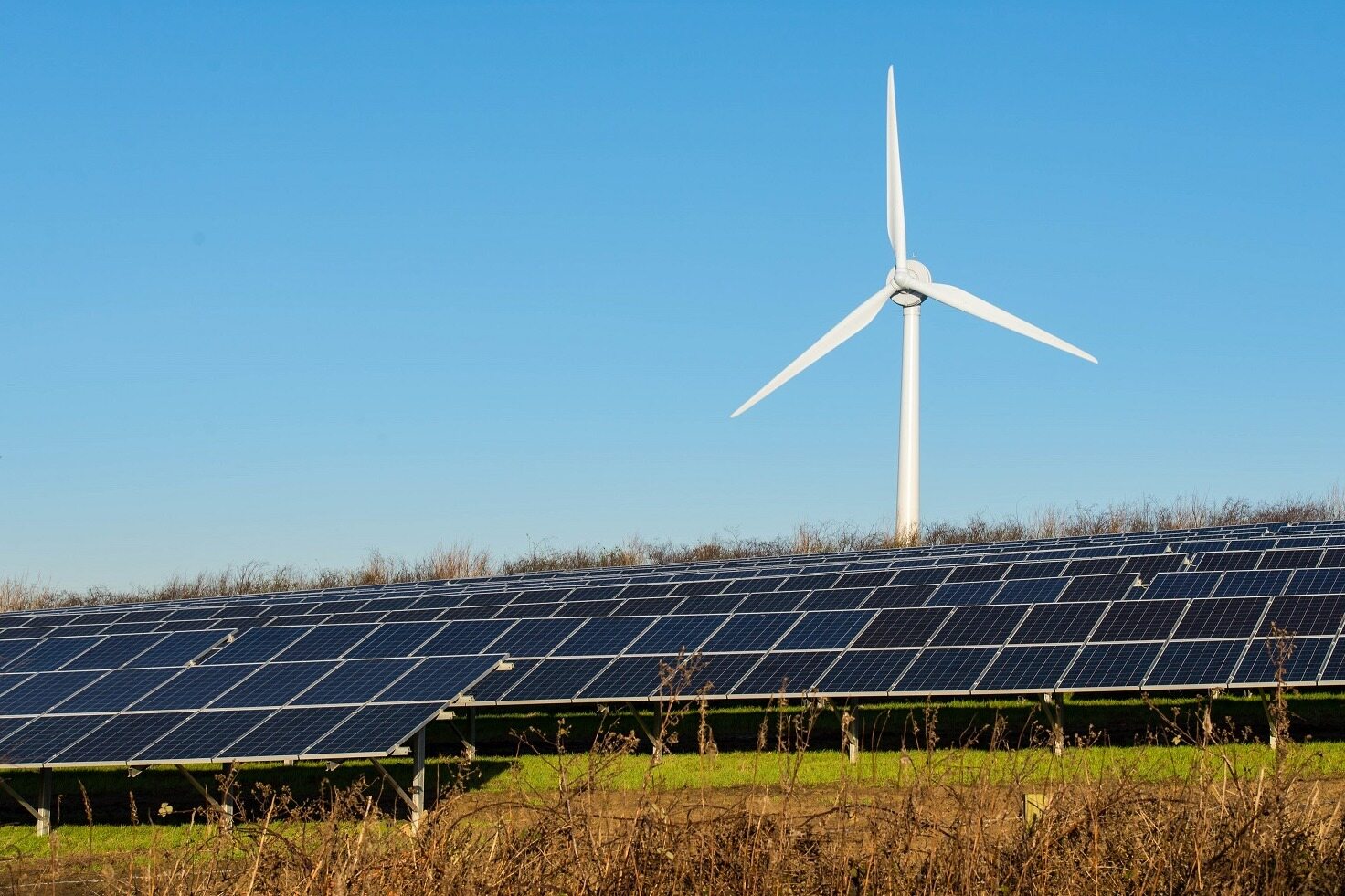
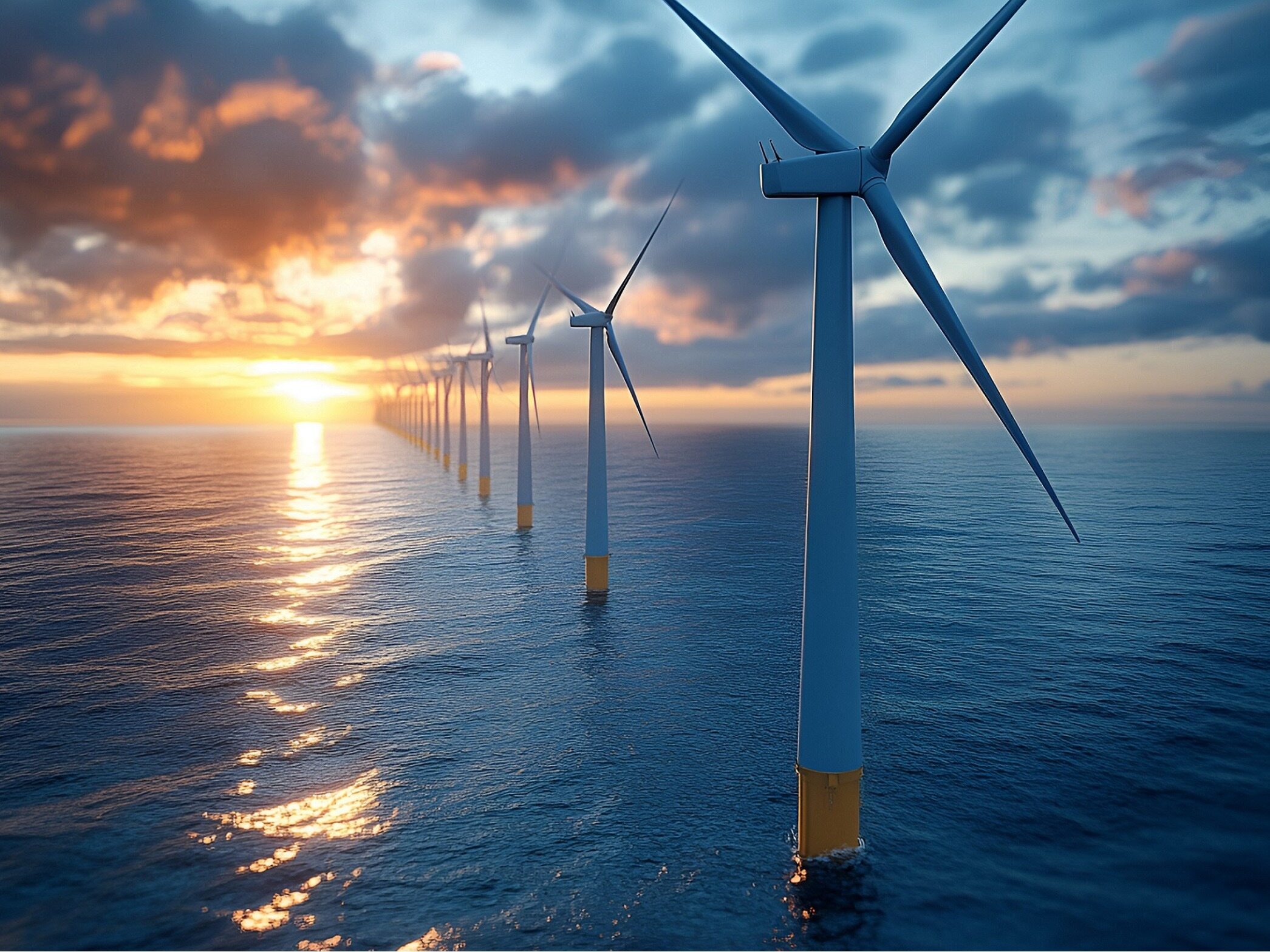
Amazon is expanding its green energy footprint in Australia at an unprecedented pace. This tech giant recently signed nine new agreements to add 430 megawatts of renewable energy capacity, consolidating its position as the country's largest buyer of carbon free energy and providing key impetus for its upcoming surge in demand for artificial intelligence computing power.
Gigawatt level green matrix forming
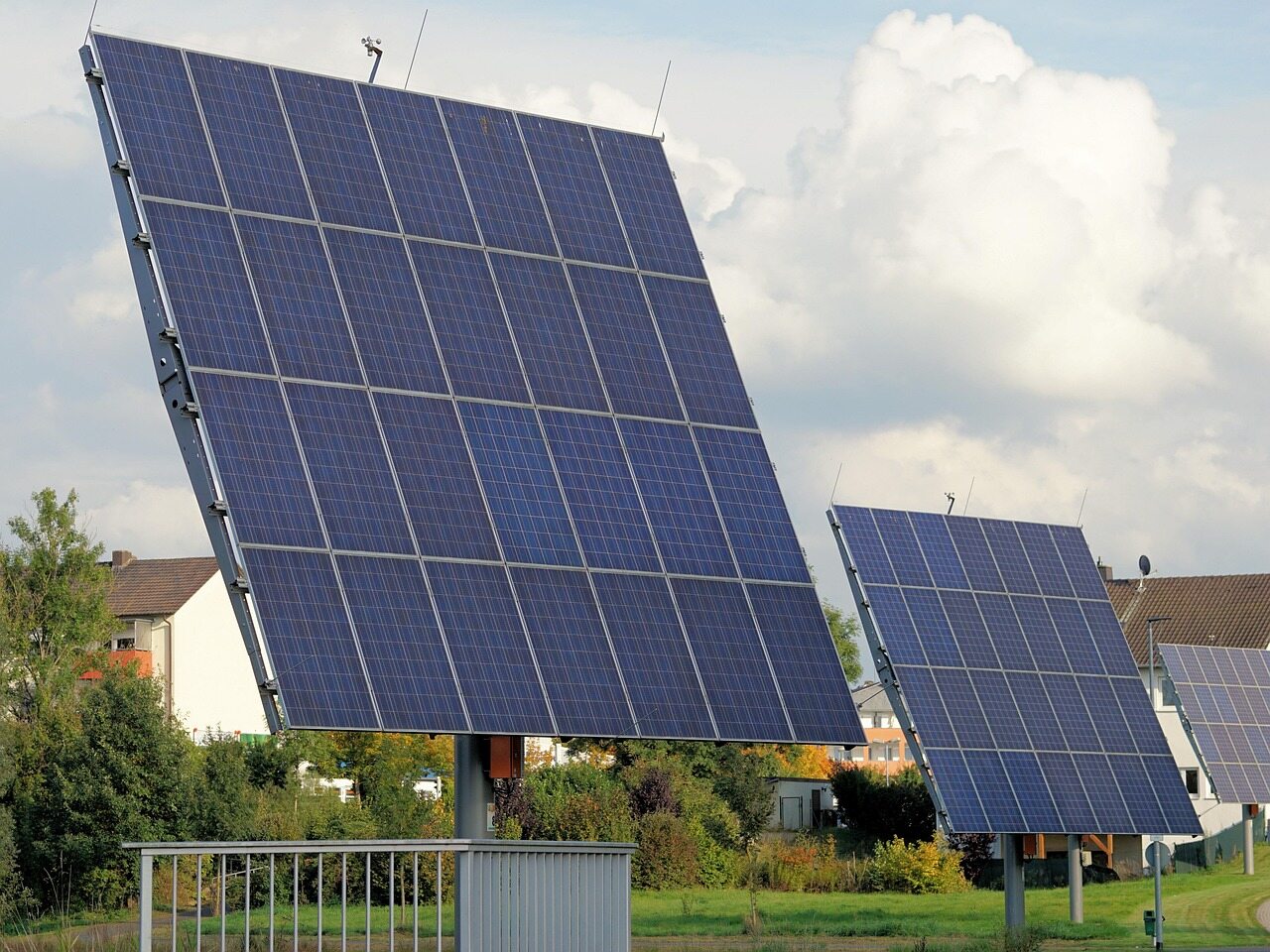
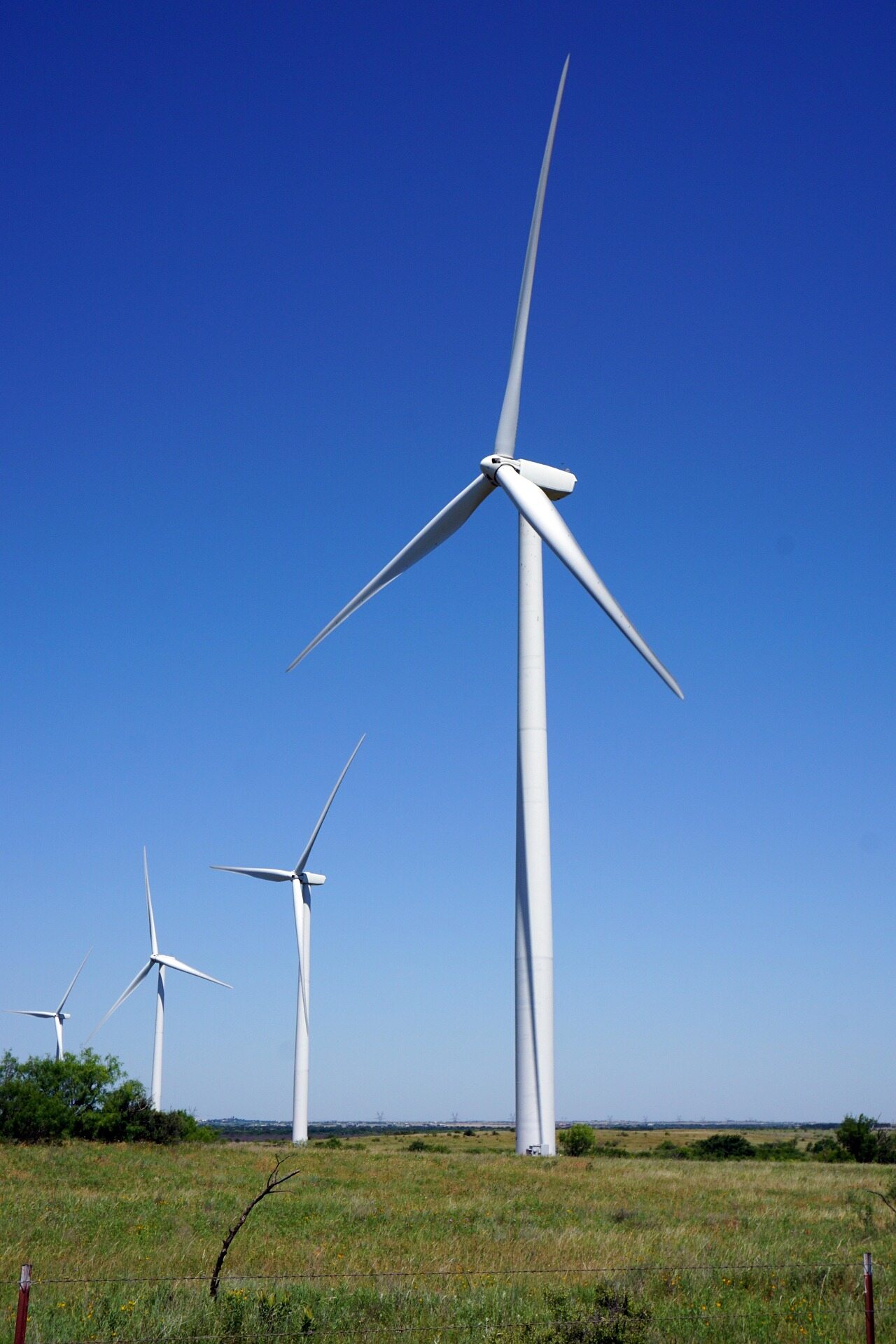
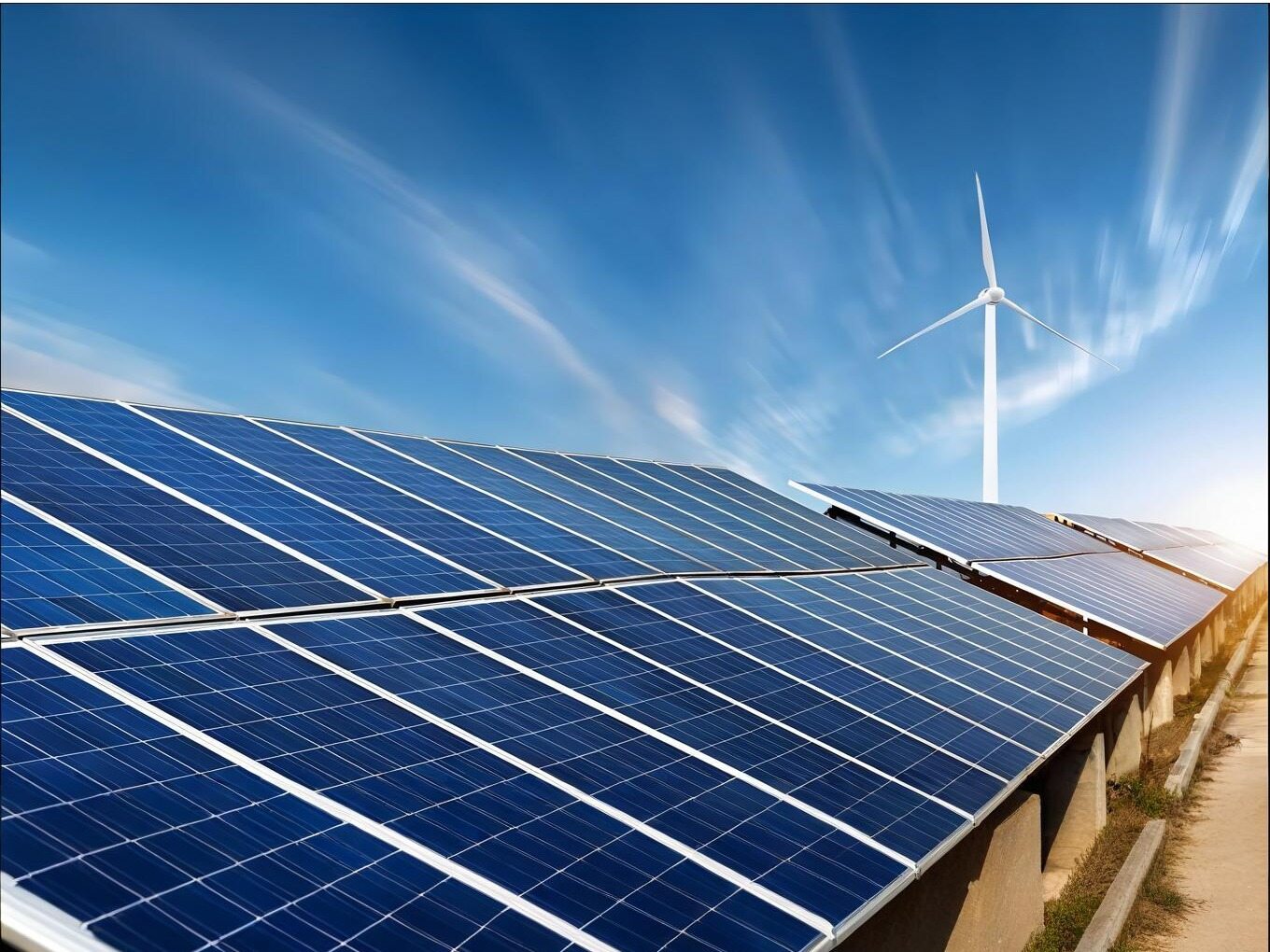
This signing brings Amazon's renewable energy portfolio in Australia to nearly 990 megawatts, covering wind, large-scale solar, and distributed photovoltaic projects in New South Wales and Victoria. It is worth noting that 80% of the new projects integrate battery energy storage systems, aiming to solve the intermittent problem of renewable energy and improve grid stability. Since 2020, Amazon has invested approximately AUD 2.8 billion in clean energy in Australia, and its annual electricity generation after full operation is sufficient to meet the needs of 500000 households. In addition, the project also incorporates ecological considerations such as land restoration and agricultural sharing. For example, the use of abandoned coal mine land in the Muswellbrook solar project reflects the combination of energy development and environmental restoration.
AI computing power thirst drives energy procurement
This series of investments directly serves Amazon's ambitious infrastructure expansion plan - investing AUD 20 billion in Australian data centers by 2029. With the surge in workloads for generative AI and cloud services, data center energy consumption is growing exponentially.
According to data from the International Energy Agency, global data center power consumption is expected to double to 950 terawatt hours by 2030, accounting for 3% of global demand, with AI facilities growing the most rapidly. Although Amazon claims that its investment is aimed at incremental expansion of the power grid rather than simply offsetting it, the real-time power supply of data centers from the grid still puts pressure on areas with lagging infrastructure. The IEA warns that without new dispatchable capacity, relying solely on renewable energy agreements is difficult to cope with the peak load impact brought by AI. Keywords: new energy, wind power, photovoltaic

In the era where computing power is power, Amazon's layout in the southern hemisphere reveals a new survival law for the technology industry: whoever can lock in green energy will have a ticket to the AI race. With the injection of AUD 20 billion in infrastructure funding, Australia is becoming the best example to observe how tech giants balance energy hunger and climate commitments.Editor/Cheng Liting
Comment


 Praise
 Collect
 Comment

 Share
Share


Write something~