 Search


- Regional integration accelerates, and commercial services become a new growth point for China ASEAN cooperation

Recently, when the blue light of digital trade lights up in Singapore's business negotiation room and intelligent sorting robots made in China shuttle through warehouses in Indonesia, the business and service industries of China and ASEAN are intertwined at an unprecedented speed. During an interview on this day, Xu Ningning, Chairman of the RCEP Industrial Cooperation Committee, pointed out that the process of regional economic integration continues to accelerate, and the commercial and service industry has become an important growth point for the upgrading of cooperation between the two sides. It is moving from the traditional supporting model to a new stage of comprehensive and deep integration.

Current Status of ASEAN Commercial and Trade Services Development
The overall scale of ASEAN's commercial and service industry is steadily expanding, with Singapore, Malaysia, Thailand, Indonesia, and Vietnam forming core markets and significant industrial agglomeration effects. The region presents a gradient development pattern, with Singapore deeply cultivating high-end commerce and digital trade, and emerging industries such as e-commerce and smart logistics rapidly rising in most countries. The industry still faces problems such as uneven infrastructure layout and inconsistent service standards, but the integration model of "regional manufacturing+commercial circulation" has gradually taken shape, laying a good foundation for cross-border cooperation.
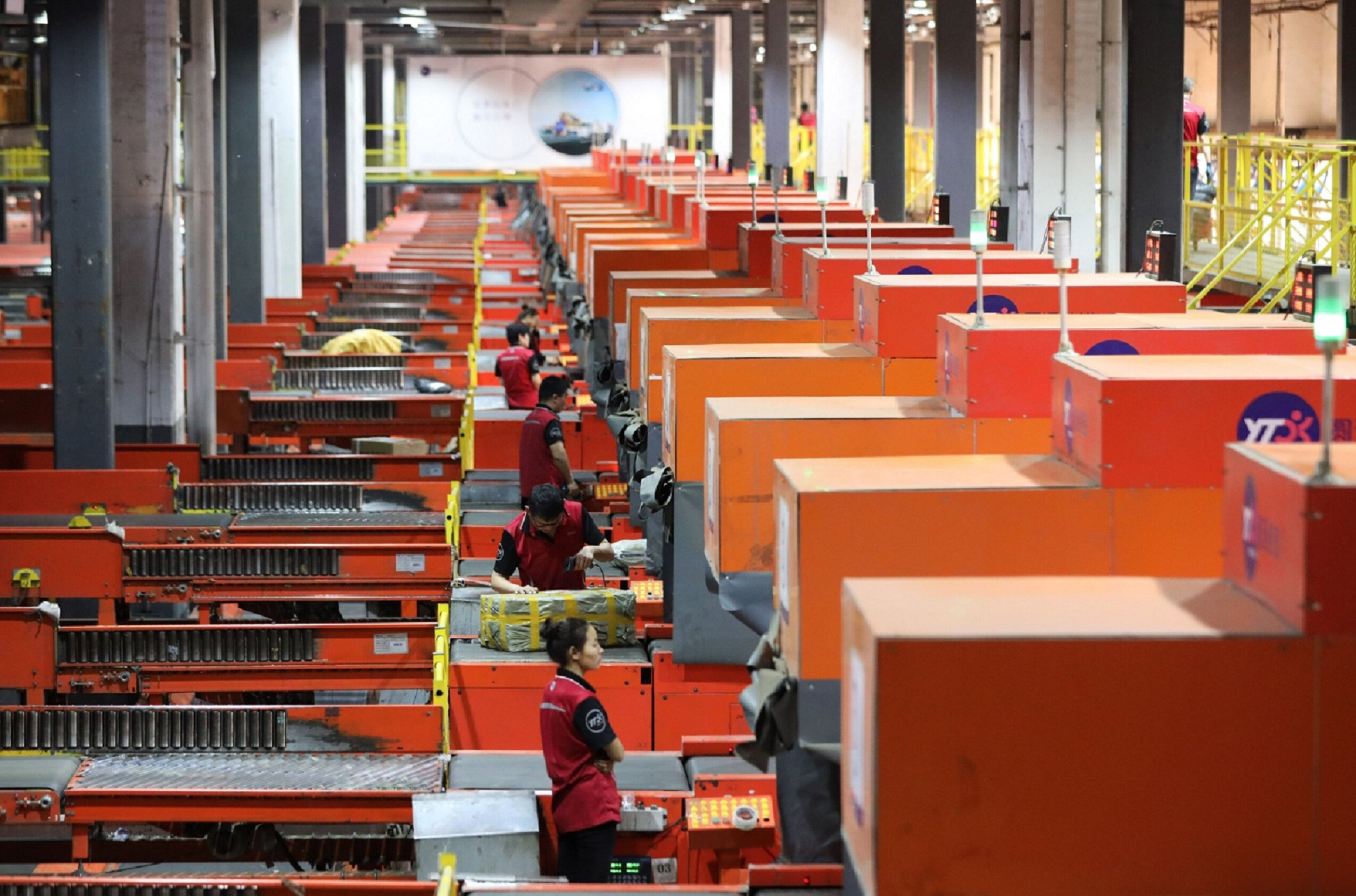
Deepening the pattern of China ASEAN cooperation
Multiple policy dividends continue to be released, promoting sustained growth in bilateral trade and service trade. China relies on its industrial chain and technological advantages to export high-quality services such as cross-border e-commerce operations, modern logistics, and supply chain management to ASEAN; ASEAN provides local circulation and basic supporting services. Domestic leading enterprises are accelerating their localization layout in ASEAN, implementing projects such as logistics parks and e-commerce industrial parks, and transforming their cooperation model from a single service export to industry co construction and long-term operation. The RCEP rules and cross-border RMB settlement continue to reduce barriers to service circulation. Keywords: the Belt and Road news network, ASEAN, digital trade

Deepening direction and enterprise suggestions
Xu Ningning pointed out that deepening bilateral cooperation should focus on three key areas: industrial chain coordination, digital transformation, and policy interoperability, build an integrated regional service chain, and promote mutual recognition of service standards. He suggested that overseas enterprises conduct in-depth research on the local policy environment and consumption characteristics, proficiently use RCEP rules, adhere to localized operations, optimize service models according to local conditions, implement differentiated market layouts, and jointly promote the quality and upgrading of regional trade and service industries.Editor/Gao Xue
Comment





 Praise
 Collect
 Comment

 Share
Share


Write something~