 Search


- Singapore concentrates 78% of solar financing and 94% of energy storage financing
- Of the $1.8 billion in financing, nearly $1.6 billion went towards solar energy and electric vehicles

Market research firm Tracxn recently released a report showing that financing resources in Southeast Asia's energy transition sector are highly concentrated in the two core tracks of solar energy and electric vehicles.
Uneven distribution of financing
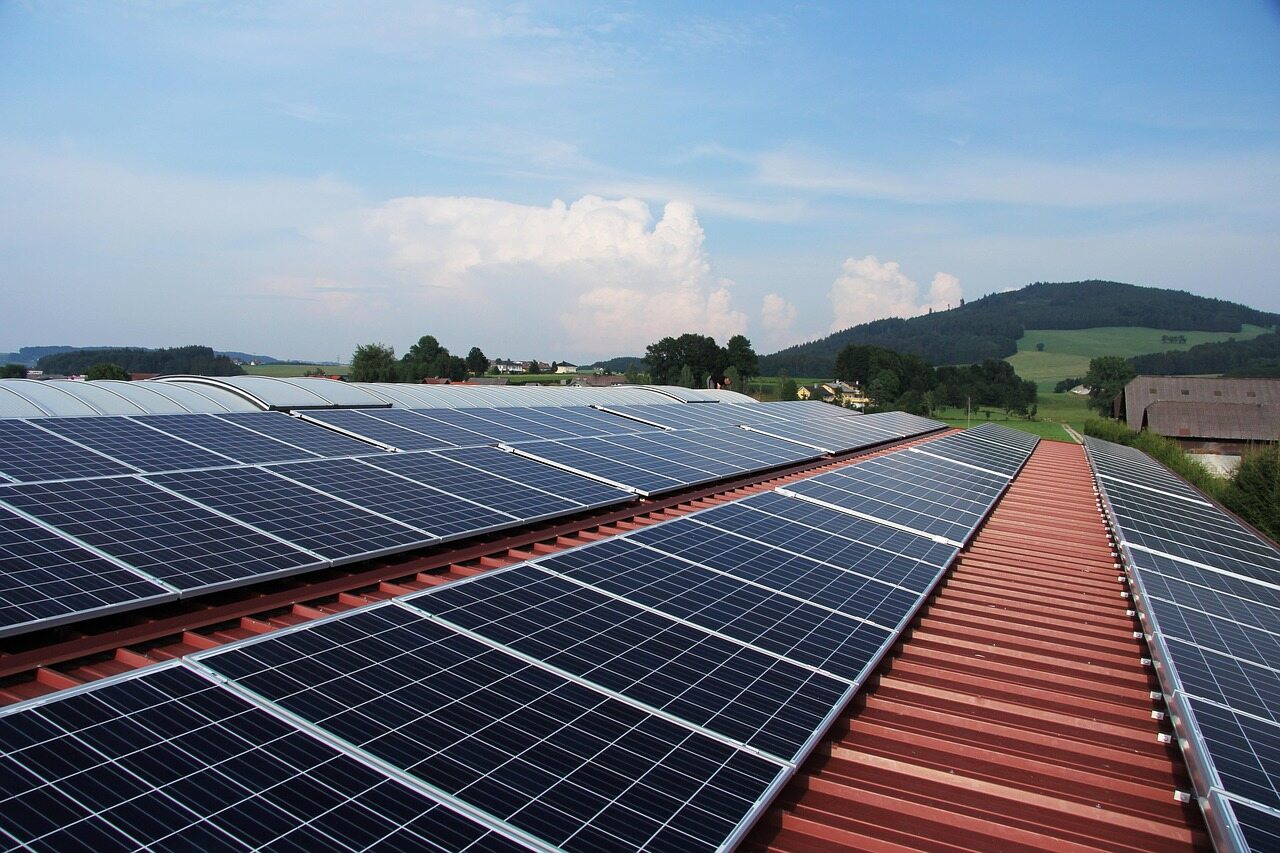
Data shows that the total scale of financing related to energy transformation in Southeast Asia is about 1.8 billion US dollars, and the two major tracks of photovoltaics and electric vehicles have received a total of 1.6 billion US dollars in funding, accounting for nearly 90% of the total. Among them, the financing performance of the solar energy track is the most outstanding, with a financing amount of 1.1 billion US dollars, accounting for 62% of the overall financing scale; The financing for the electric vehicle track is $505 million, accounting for approximately 28%. On the other hand, energy storage and energy efficiency, which support energy systems, have extremely low funding attention and are located on the edge of the industry. According to data statistics, the financing in the energy storage field is only 119 million US dollars, while the financing in energy efficiency is 77 million US dollars. The total financing proportion of the two key tracks is only 11%. Tracxn analysis points out that current investment institutions prefer mature tracks with low risk, clear profit paths, and strong policy support. However, the capital market investment in energy storage and energy efficiency, which are crucial for ensuring the stability of the power grid and promoting long-term low-carbon development, is seriously insufficient.
The industry as a whole is still in its early stages
From the perspective of enterprise development, the energy transformation industry in Southeast Asia is still in its early stages of development, with a relatively low level of industry maturity. According to the report data, only 13% of the over 2000 energy transformation related enterprises in the region have successfully obtained financing. Among them, the solar energy track has the most mature development, with 109 out of 1078 related companies receiving investment. It is also the track with the most exit cases in the industry, with a total of 50 IPOs and 25 M&A transactions. In contrast, the number of companies investing in electric vehicles and energy storage tracks is relatively small, with only 54 and 41 companies respectively. The development of the energy efficiency track is particularly lagging behind, with only 6 companies successfully entering Series A financing, and the conversion rate from seed round to Series A financing is only 11%. This also reflects the overall weak ability of Southeast Asian energy companies to move from startups to large-scale development, apart from imbalanced fund allocation.
There is a misalignment of regional capital
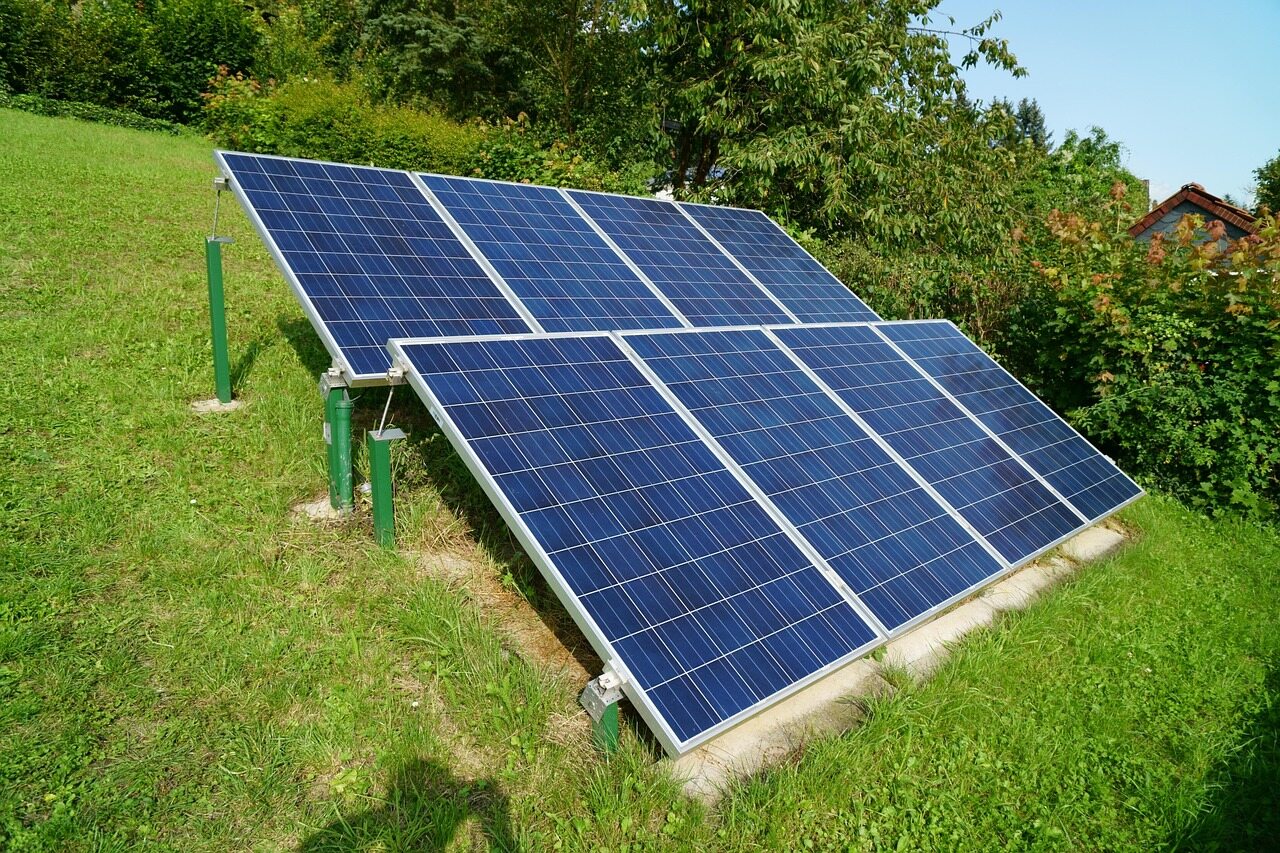
The report also pointed out the deep-seated structural problems of energy transformation in Southeast Asia: the mismatch between capital gathering regions and energy demand markets, with obvious misalignment. As the financial core of Southeast Asia, Singapore has absorbed the vast majority of energy transformation financing in the region, covering 78% of solar energy financing, 94% of energy storage financing, and almost all energy efficiency investments. However, from the perspective of actual energy demand and infrastructure upgrading needs, countries such as Indonesia, Vietnam, Thailand, and the Philippines have more urgent demands for clean energy, power grid upgrades, and supporting facilities. The industry believes that the mismatch between capital and demand markets has significantly reduced the efficiency of capital landing in high demand areas, and has also caused uneven energy transformation and development in various regions of Southeast Asia. From a policy perspective, there is significant differentiation in the progress of energy transition among Southeast Asian countries. Vietnam once relied on electricity price subsidy policies to rapidly promote the scale growth of photovoltaic installed capacity from 2017 to 2020; In recent years, the Philippines has actively attracted investment in new energy projects by optimizing its approval process. However, countries lacking clear policy support find it difficult to attract capital to settle in, resulting in slow progress in energy transformation.
This also indicates that the current energy transformation in Southeast Asia is not only constrained by technology and funding, but also by policy stability and business environment, which directly determine the willingness of capital to settle in and the efficiency of project implementation. Regarding the future development of the industry, Tracxn predicts that the energy transformation pattern in Southeast Asia will remain stable, with solar energy and electric vehicles still dominating, while energy storage and energy system supporting technologies will need to wait for a turning point in development. According to the report analysis, after experiencing a decline in the early stage, the financing scale of the Southeast Asian electric vehicle track will gradually stabilize; In the next two years, the energy storage industry is expected to usher in development opportunities, and start-ups in segmented fields such as flow batteries, hydrogen energy, and grid level energy storage will concentrate on achieving breakthroughs in Series A financing. Keywords: Southeast Asia, energy transition, photovoltaics

Meanwhile, the weak areas where commercial capital has not yet focused on layout will be taken over by development oriented financial institutions as the main force. The core development focus of Southeast Asia's energy transformation will gradually extend from simply expanding installed capacity to the entire industry chain, promoting funding from the power generation end to cover all system links such as energy storage, energy efficiency optimization, grid operation and maintenance, and demand response, and improving the ecosystem of the new energy industry.Editor/Gong Ziwei
Comment



 Praise
 Collect
 Comment

 Share
Share


Write something~