 Search


- Kyrgyzstan's goods transit through Pakistan for the first time through a Chinese port
- Opened a new Asia Europe land corridor that avoids the turbulent areas of Afghanistan and connects to Karachi Port
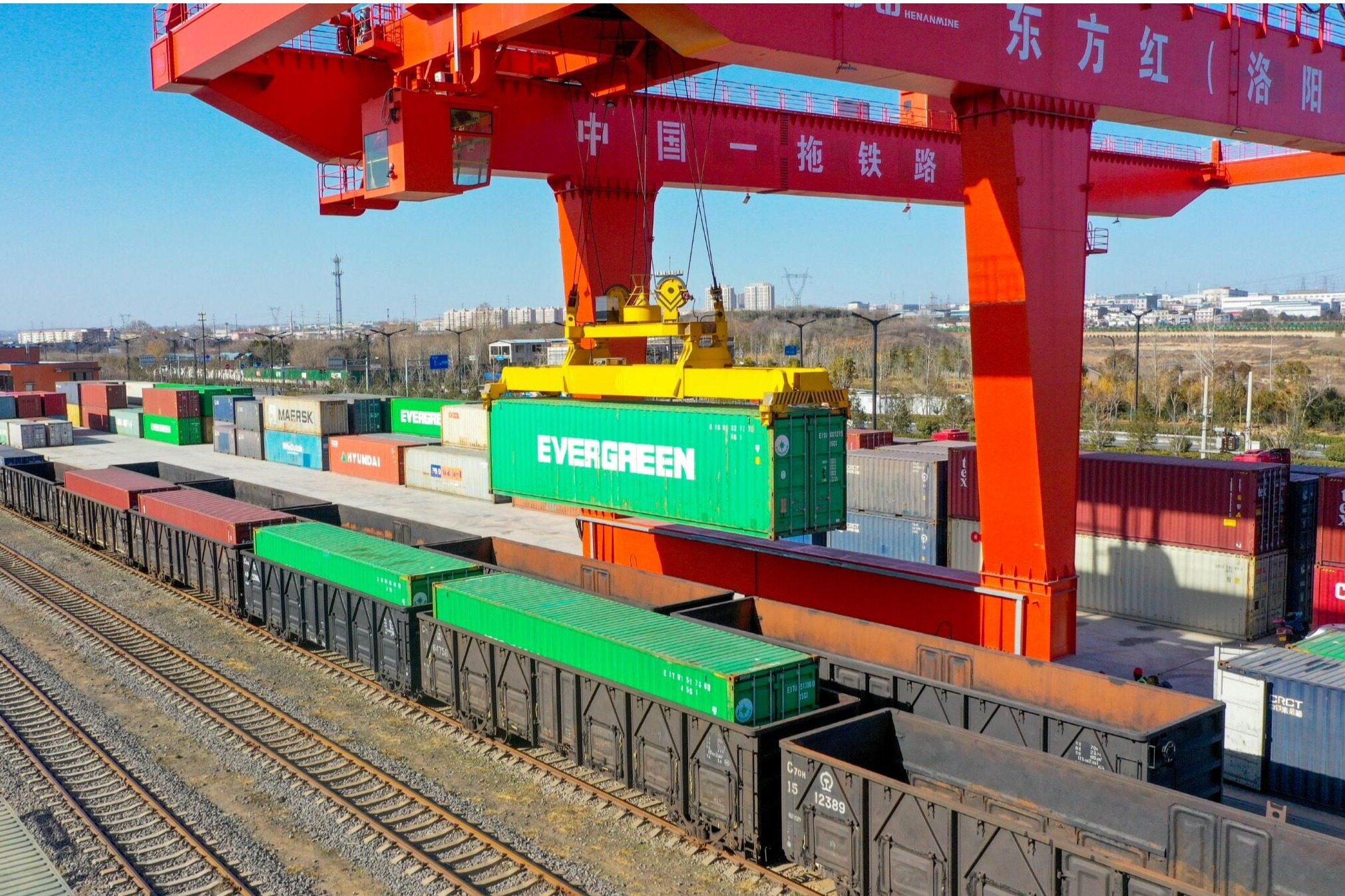
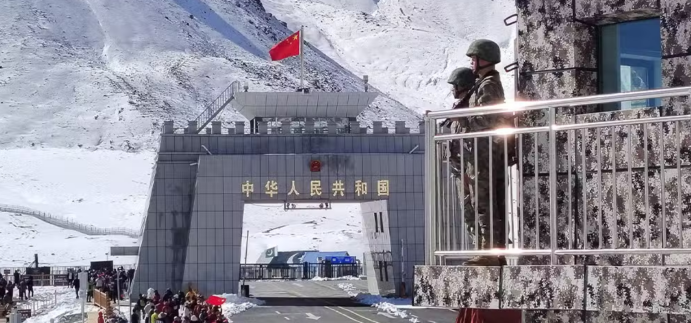
In April, the Pamir Plateau is experiencing the initial melting of ice and snow. A convoy of trucks with Kyrgyz license plates slowly drove through the Kunjelab Pass at an altitude of nearly 5000 meters. Driver Ahmed tightly gripped the steering wheel, marking the first time in his twenty years in the industry that he had taken this "roundabout" new route: starting from Bishkek, heading east into Xinjiang, China, then heading south along the Karakoram Highway, and finally arriving at the Sostgan Port in northern Pakistan.
Previously, when going to Pakistan, one could only take the risk of mountain roads in Afghanistan. Now, with the help of China, although there is a turn on the map, one feels much more at ease. "Ahmed's words of" at ease "are the greatest significance of this first shipment - Central Asian landlocked countries have finally found a stable sea outlet that bypasses the war-torn areas of Afghanistan.
The geographical breakthrough of the Three Kingdoms linkage
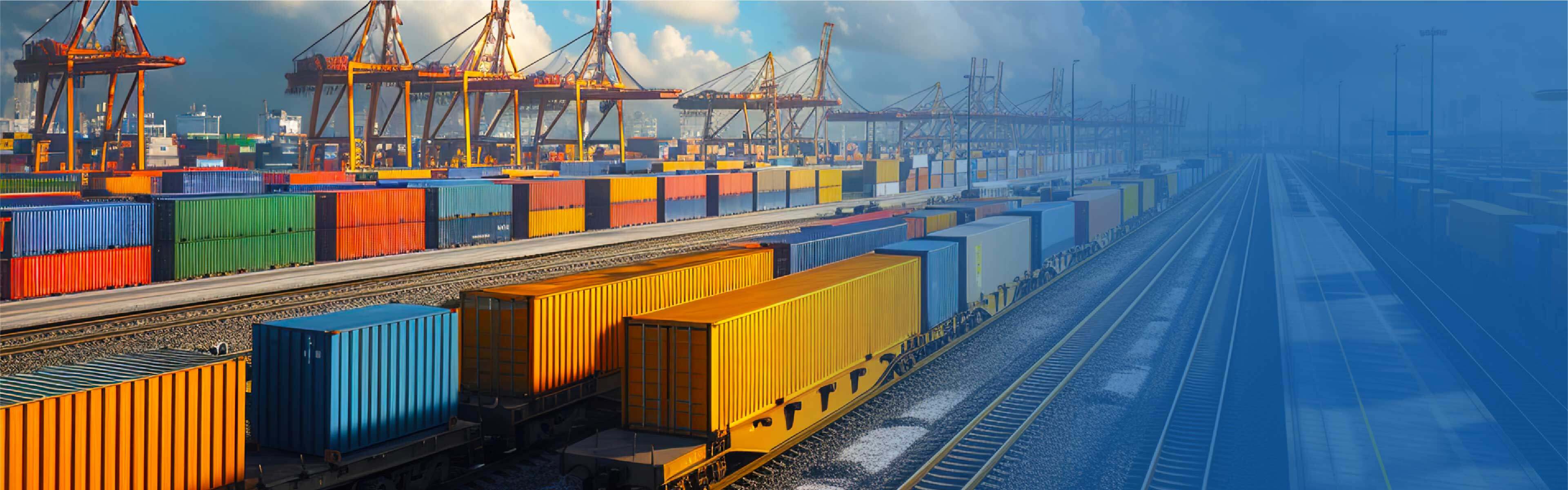
This trip is not a simple point-to-point transportation, but a carefully designed cross-border relay. This transportation is led by the National Logistics Group (NLC) of Pakistan and its partners. After the goods departed from Kyrgyzstan, they achieved a "one-stop" transit clearance in China, entered Gilgit Baltistan Province of Pakistan through the Kunjelab Port (China Pakistan border), and finally completed the first stop at the Sostgan Port.
The key to this new artery lies in 'borrowing from China'. In the past, the southward movement of goods from Central Asia to South Asia heavily relied on high-risk ports such as Tokhtam and Spinbuldak that crossed Afghanistan. Nowadays, the new route utilizes the mature highway network in Xinjiang, China (Karakoram Highway) as a "safety bridge", directly connecting the shipping hub of Karachi Port in Central Asia and Pakistan. According to feedback from on-site operators, the first batch of goods has successfully completed all cross-border customs clearance procedures, verifying the practicality of the route.
Risk avoidance and dividends
Behind choosing to take a detour is the severe geopolitical security pressure and huge logistics cost game.
Recently, there have been frequent conflicts in the border areas between Pakistan and Afghanistan, and traditional transit channels are often interrupted due to security controls or armed conflicts. For commercial enterprises in countries such as Kyrgyzstan, the risk of goods being stranded at the border or being robbed far exceeds the meager profits brought by shortened routes. The new channel completely removes dependence on the situation in Afghanistan and provides predictable transportation cycles.
Pakistan is striving to break away from its role as a mere "gateway country" and is attempting to leverage its geographical advantages to build a logistics hub between Central Asia and South Asia. The upgrading and transformation of the Sostgan Port is a crucial step - it is not only an important node in the China Pakistan Economic Corridor (CPEC), but now it has been given a new function of absorbing Central Asian cargo flows. The data shows that since the port has been open for the whole year (originally only for about 8 months), the freight processing capacity has significantly improved, providing hardware support for undertaking the transit goods from Kyrgyzstan.
For "dual landlocked countries" such as Kazakhstan and Uzbekistan, a stable southern corridor means diversification of the supply chain. The new route covers five countries including Kyrgyzstan, Tajikistan, Turkey, Kazakhstan, and Ukraine, and is expected to efficiently connect the energy and mineral resources in the Caspian Sea region with the Indian Ocean market through multimodal transportation in the future.
From 'first order' to 'main line'
The success of the first order is just the beginning, the real challenge lies in how to turn this' demonstration line 'into a' main road '.
Although the road conditions in the Chinese section (from Kashgar to the port) are excellent, the mountainous areas in northern Pakistan still face traffic pressure in winter. At present, NLC is installing large scanners and expanding storage at the Port of Sost to shorten the inspection time of goods. At the same time, China and Pakistan are deeply coordinating on the "single window" customs clearance at border ports, with the goal of reducing truck transit time from the current few hours to less than 90 minutes.
Chinese logistics companies played a key "connector" in this breakthrough. On the one hand, ports such as Irkeshtam and Tuergat in Xinjiang are accelerating their connection with the China Pakistan Economic Corridor; On the other hand, Chinese capital has participated in the operational upgrade of the Port of Sost. This model of "Chinese ports+Chinese capital+multi country cargo flow" is being replicated in the hinterland of Central Asia, providing a standardized template for the subsequent transit of goods from Tajikistan and Uzbekistan.
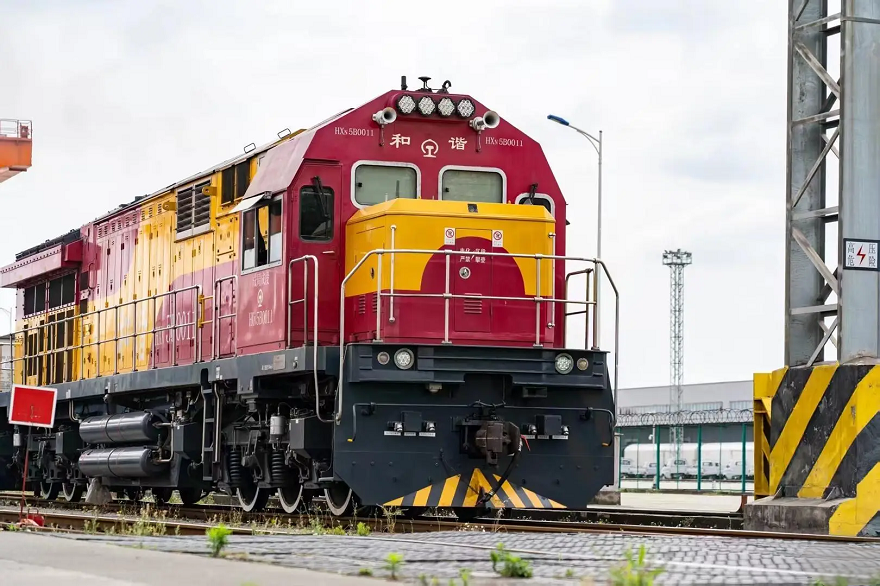
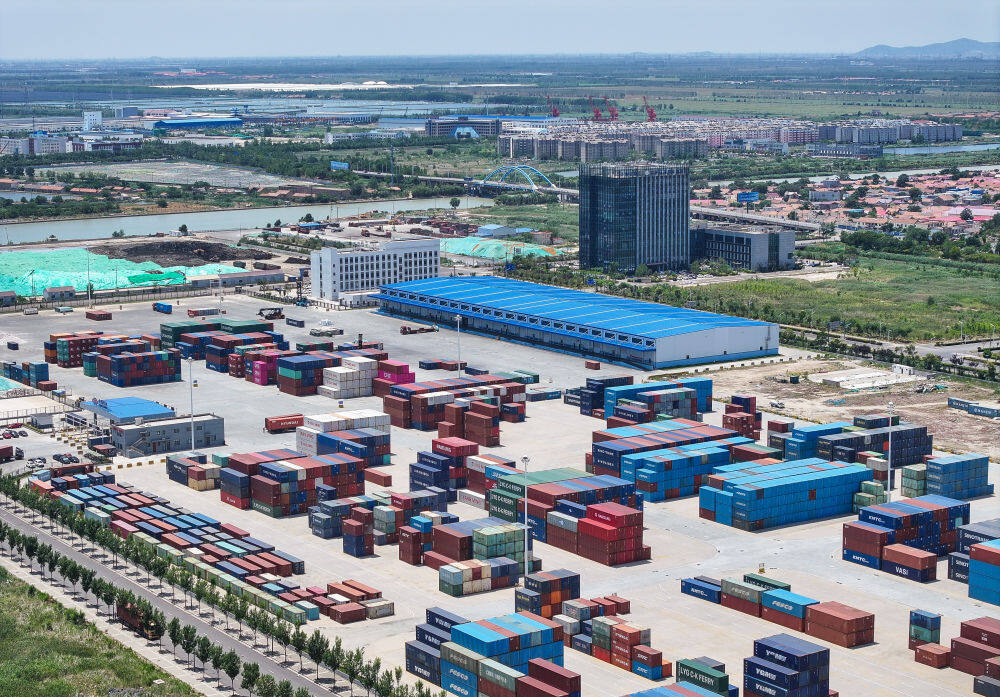
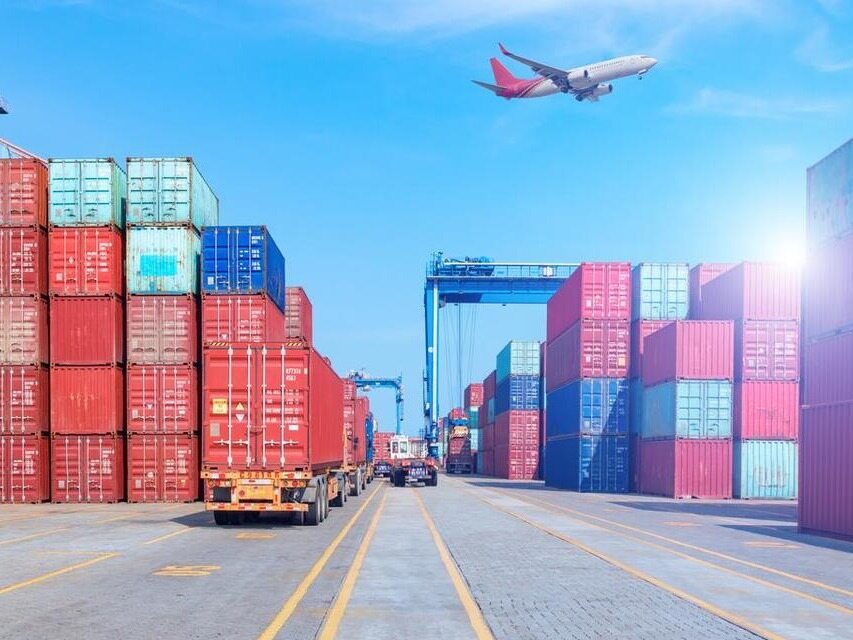
Standing next to the yard of Sostgan Port, watching containers from Kyrgyzstan being lifted onto trucks, local officials couldn't hide their excitement: "This is not just a few trucks of cargo, this is the beginning of Pakistan's transformation from a 'terminal station' to a 'transit station'." As goods from Kazakhstan and other countries continue to join, this' mountain corridor 'that avoids Afghanistan may become a key variable in reshaping the economic and trade map of Central Asia and South Asia.Editor/Yang Meiling
Comment

 Praise
 Collect
 Comment

 Share
Share


Write something~