 Search


- Starting from May 1, 2026, China will implement zero tariffs on all African countries with diplomatic relations
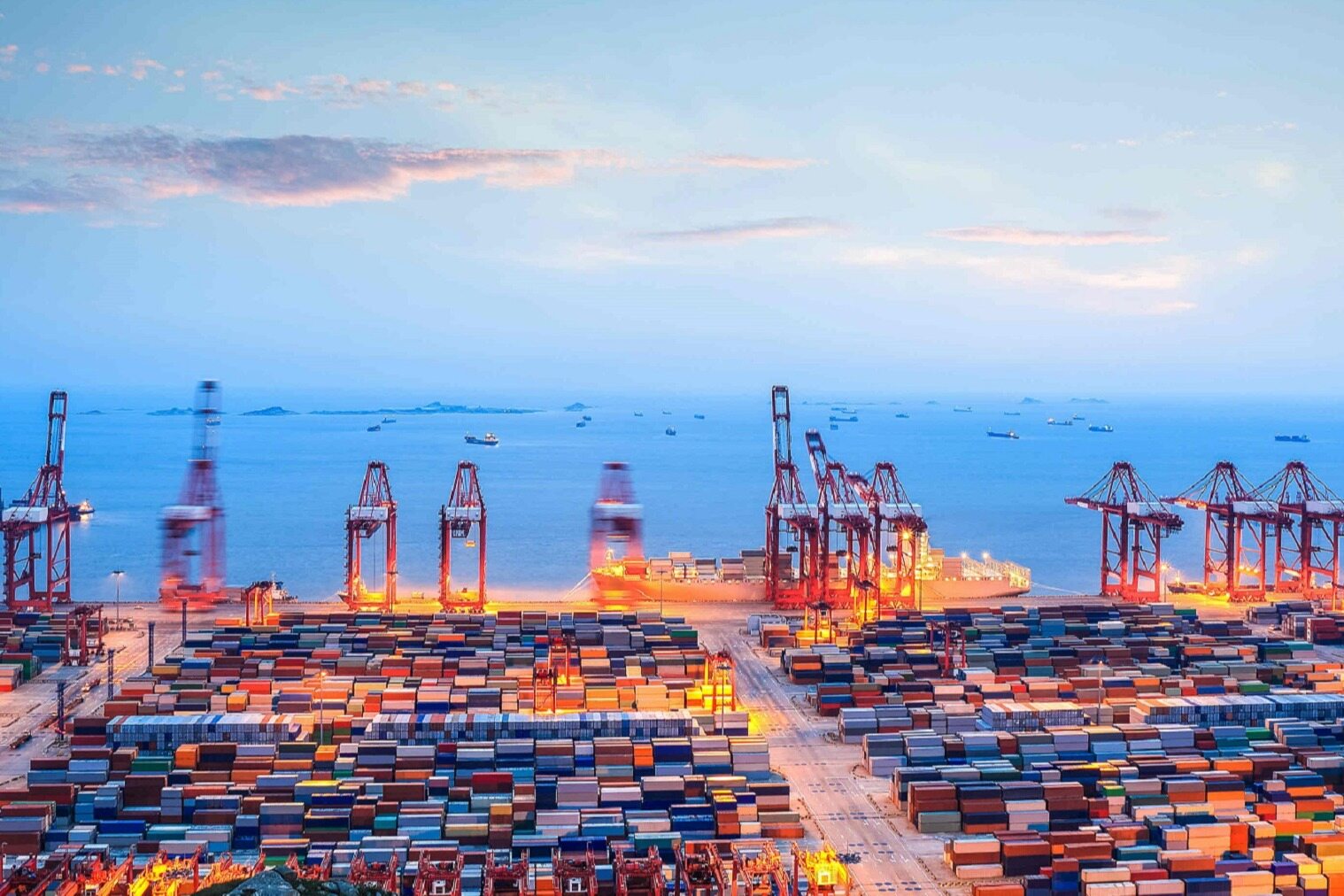
China will implement zero tariffs on all African countries with diplomatic relations from May 1, 2026. People from all walks of life in Africa generally believe that in the current global trade environment facing multiple challenges, China's comprehensive opening of its market to Africa demonstrates its responsible image as a major power in the global trading system. Relying on high-level opening-up to the outside world, China promotes the "addition" of trade through the "subtraction" of tariffs, and the Chinese market will provide greater opportunities for Africa.
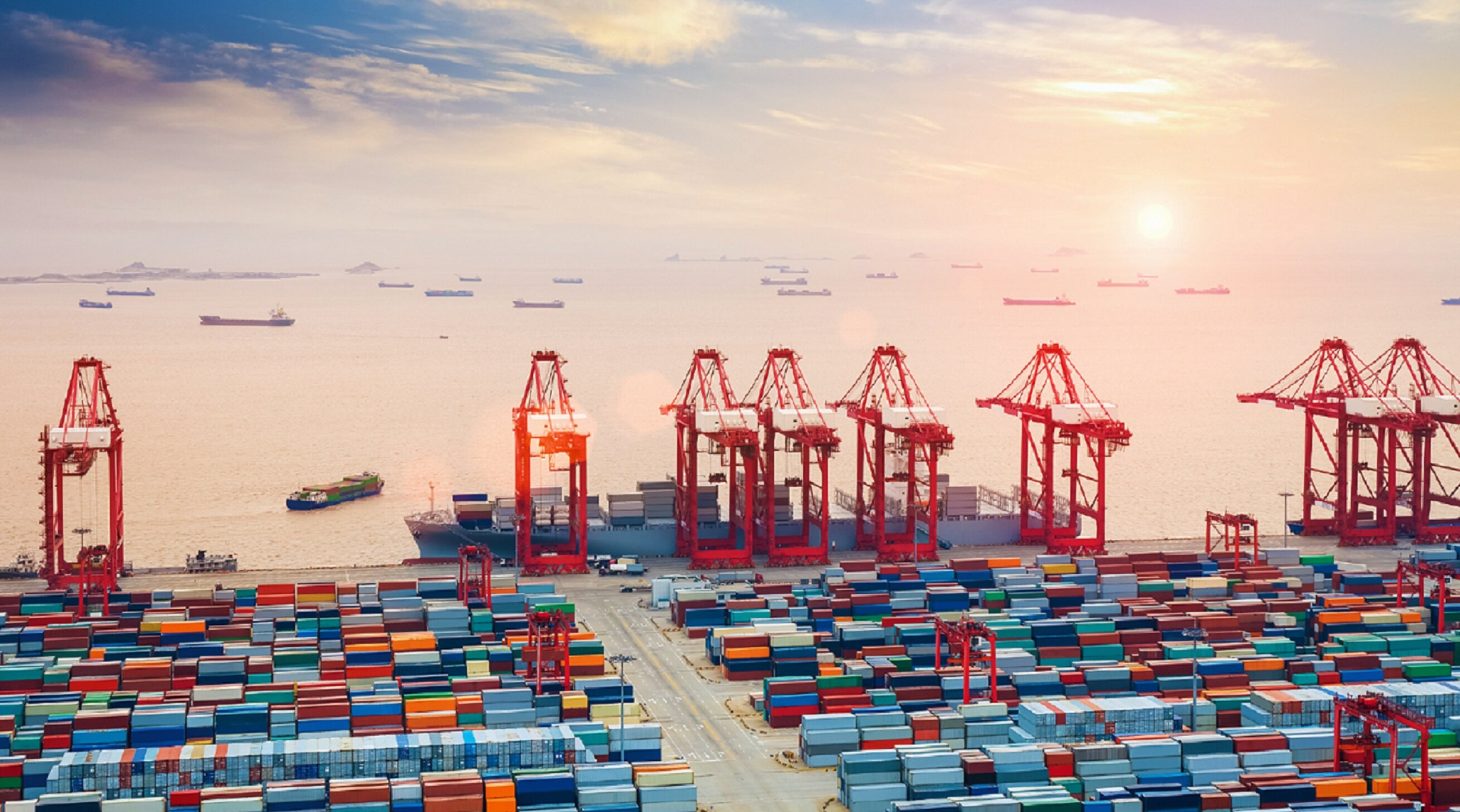
Zero tariff measures demonstrate an open mind
As a member of the global South, China advocates for inclusive and inclusive economic globalization, always demonstrating an open mind and bringing growth momentum to the global South through practical actions. China will fully implement zero tariff measures for 53 African countries that have established diplomatic relations with China starting from May 1st. At the same time, China will continue to promote the signing of economic partnership agreements for common development, and further expand the access of African products to China through upgrading the "green channel" and other measures.
For the 33 African least developed countries that have established diplomatic relations with China, China has implemented zero tariffs on 100% of their taxable products since December 1, 2024. Starting from May 1, 2026, China will become the world's first major economy to achieve unilateral and comprehensive zero tariff treatment for all African countries and all least developed countries that have diplomatic relations with Africa.
Boniface Bununge Fuda, a professor and economist at the Cameroon Institute of International Relations, recently wrote in the country's Tribune that China's further opening up of its vast market to African countries is an important opportunity for Cameroon to achieve modernization. This measure reflects China's willingness to undertake more international obligations and also demonstrates China's unwavering determination to expand high-level opening-up to the outside world.
The website of the South African newspaper The Star published an article by political scientist Gideon Chitanga, stating that China's comprehensive implementation of zero tariff measures towards African countries with diplomatic relations is a major strategic breakthrough in South South economic and trade and economic diplomacy, providing a real opportunity for Africa to achieve long-term growth.
Amadou Magagi, an economic expert from the Niger Chamber of Commerce, said in an interview with Xinhua News Agency that the zero tariff measures reflect China's willingness to further expand opening up and deepen cooperation with developing countries, which will help promote mutually beneficial South South cooperation and highlight China's important role in international economic cooperation.
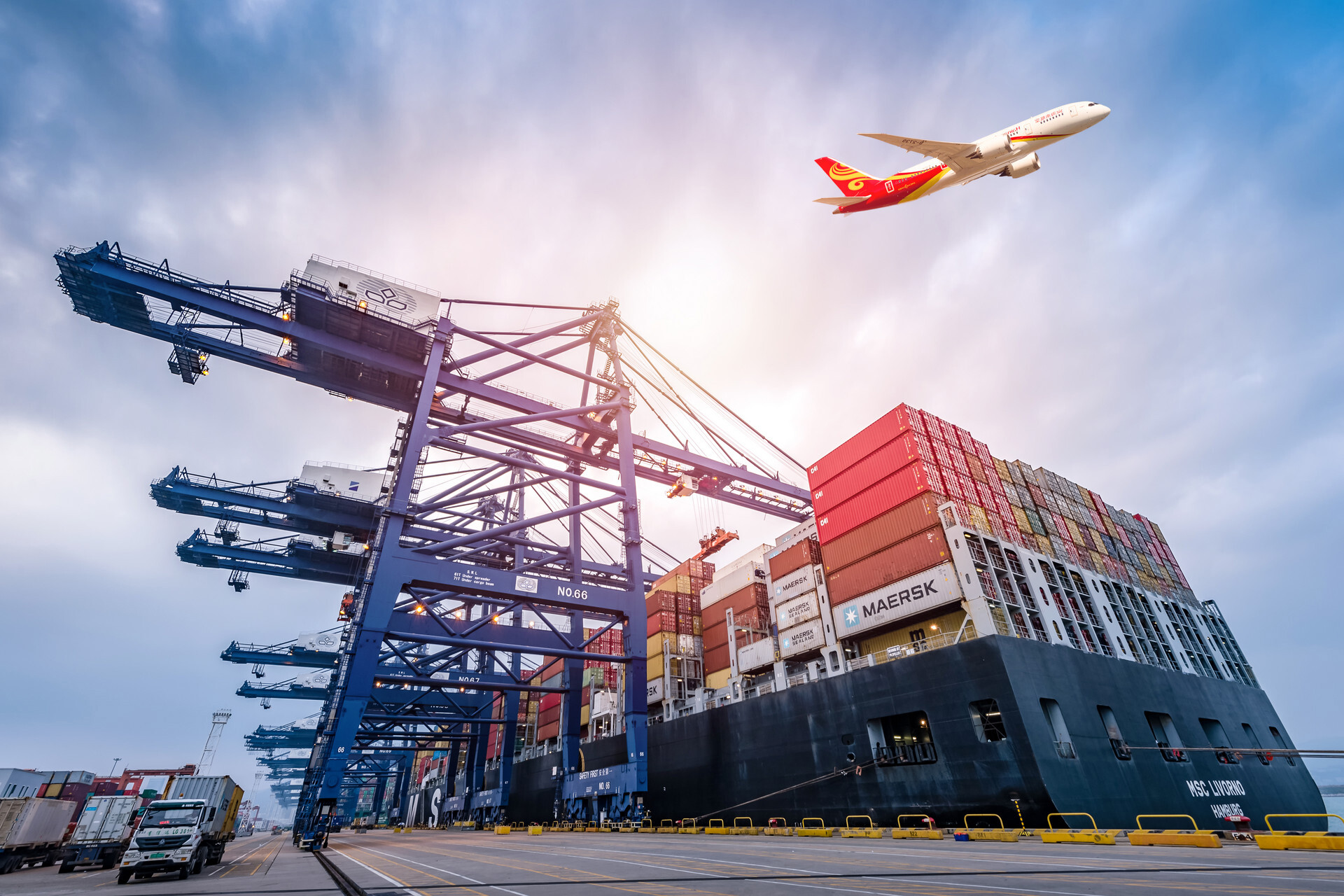
Broad opportunities promote trade diversification
The size of the Chinese market makes zero tariff measures strategically significant for African countries. In 2025, China will become the world's second-largest import market for the 17th consecutive year, accounting for approximately 10% of the global import share. During the same period, Africa's exports to China exceeded 123 billion US dollars. With the implementation of China's non-zero tariff measures, multiple industries in Africa will further benefit from the vast Chinese market.
In recent years, China has continued to expand its imports of agricultural products from Africa. Taking Zimbabwe as an example, various agricultural products such as citrus, avocado, and blueberry have entered the Chinese market. Ankesios Masuka, the Minister of Land, Agriculture, Fisheries, Water Resources and Rural Development of Zimbabwe, told Xinhua News Agency that Zimbabwe is accelerating negotiations with China on an agricultural export protocol to fully utilize the upcoming zero tariff policy and further expand exports to China.
For Kenyan producers, China's zero tariff measures have a profound impact. "A commentary article published in the Kenyan Capital News Network stated that many Kenyan exporters are highly dependent on markets such as Europe and North America, but these markets are becoming saturated and trade rules are constantly changing. In contrast, China has a huge and continuously expanding consumer market, with a growing demand for high-quality agricultural products.
The coffee industry is one of Kenya's important economic pillars. Mbula, founder of Kenya's Utak Coffee Company, said that currently the company's main exports to China are high-quality green coffee beans, accounting for about 40% of its total exports. The zero tariff measures will drive the growth of enterprise revenue and the expansion of business scale.
China is Namibia's second largest trading partner and one of the largest sources of foreign direct investment. Selma Ashipara Mousavi, Minister of International Relations and Trade of Namibia, stated that the Namibian side will seize the new market access opportunities that China is about to implement and promote diversified exports to China, including agricultural products, leather products, and finished diamonds.
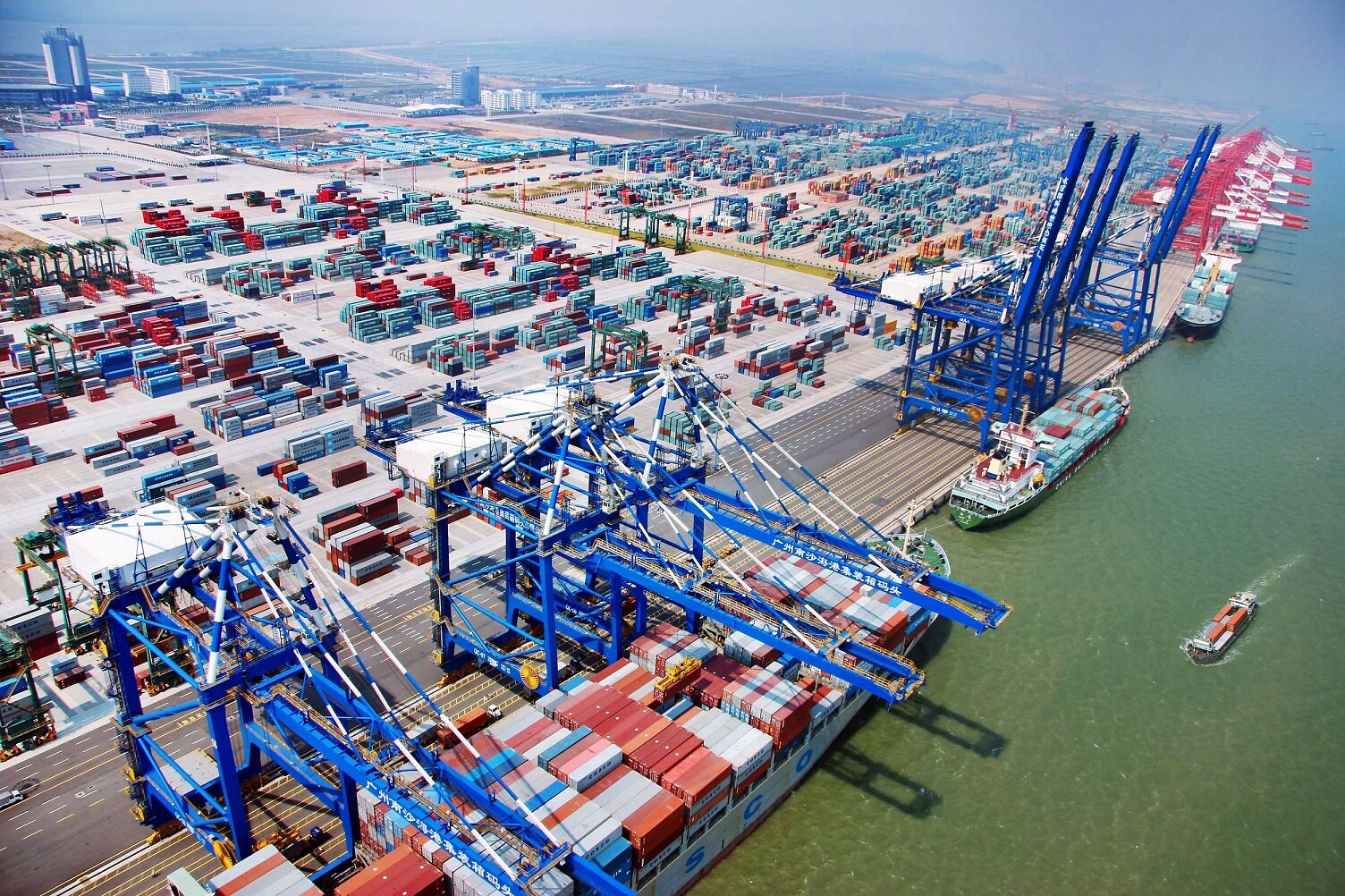
Empowering common development through the construction of the production and supply chain
Since the establishment of the Forum on China Africa Cooperation, Africa has become an important destination for China's outward foreign direct investment. Many African countries hope to seize the historic opportunity of zero tariffs, attract Chinese enterprises to invest in Africa, develop manufacturing, industrial parks, green economy and digital economy, promote local structural transformation and inclusive development, and accelerate the pace of modernization between China and Africa.
At a time when the global supply chain is being reshaped due to geopolitical security changes, South Africa must deepen and expand its relationships with major trading partners around the world, and China is a crucial partner in this regard, "said Vuiswa Ramohampa, a member of the Executive Committee of the Gauteng Provincial Government in South Africa, in an interview with reporters.
In 2016, Jiangsu Hengtong Optoelectronics Co., Ltd. acquired Aberdare Cable Co., Ltd. in South Africa. According to Wang Jian, CEO of Aberdare Cable Co., Ltd., from the perspective of local manufacturing enterprises, the supply chain in South Africa is not yet perfect, and many raw materials rely on imports. The zero tariff measures will have a positive impact on the expansion of production capacity and raw material supply for enterprises, and the prospects for cooperation between China and South Africa continue to improve.
The Director General of Guinea Bissau's Foreign Trade Department, Lassana Fati, stated in an article published in the local media "Democracy" that the zero tariff measures not only bring important economic and trade opportunities to African countries, but also serve as a practical cooperation measure for China to support Africa in improving people's livelihoods and reducing poverty. This move will enable Guinea Bissau to better connect with the Chinese market and help attract investment and promote economic development locally.
Kenyan scholar Patrick Lumumba told reporters that the zero tariff measures provide important opportunities for Africa to promote industrialization and reshape regional supply chains. Africa should accelerate the construction of the African Continental Free Trade Area, attract Chinese enterprises to invest in building factories, and establish new energy industry chains in countries with abundant key minerals.
If African countries cooperate effectively and deepen production capacity cooperation with China, Africa's gross domestic product is expected to achieve a significant leap of orders of magnitude within ten years, "said Lumumba. (Source: Xinhua News Agency)Editor/Gao Xue
Comment



 Praise
 Collect
 Comment

 Share
Share


Write something~