 Search


- Middle East oil and gas supply cut accelerates global procurement, highlighting China's clean technology advantages
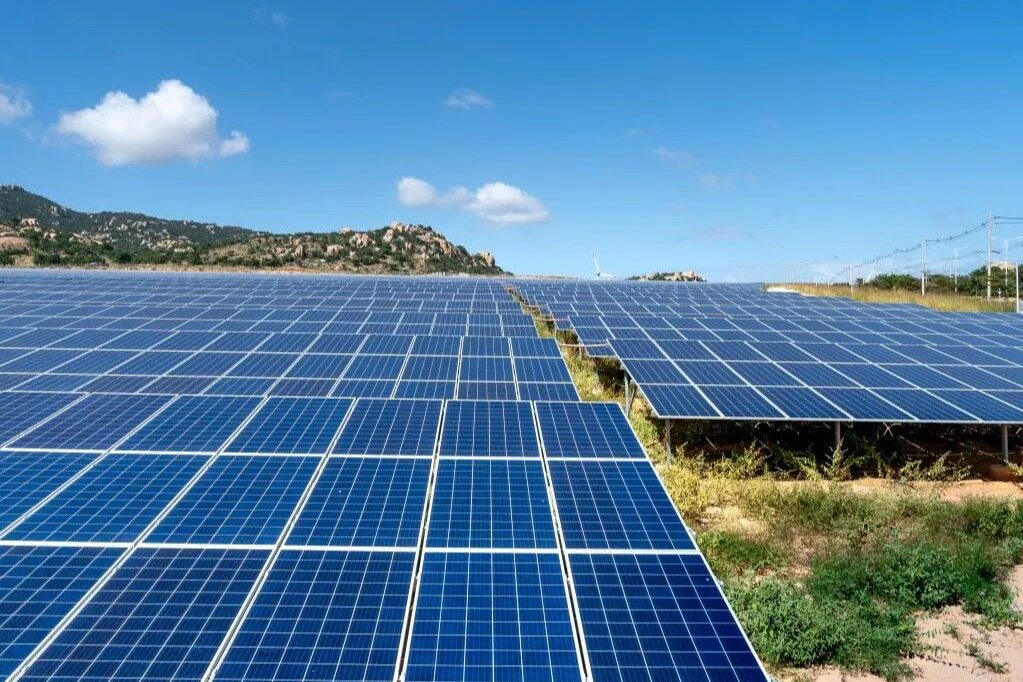
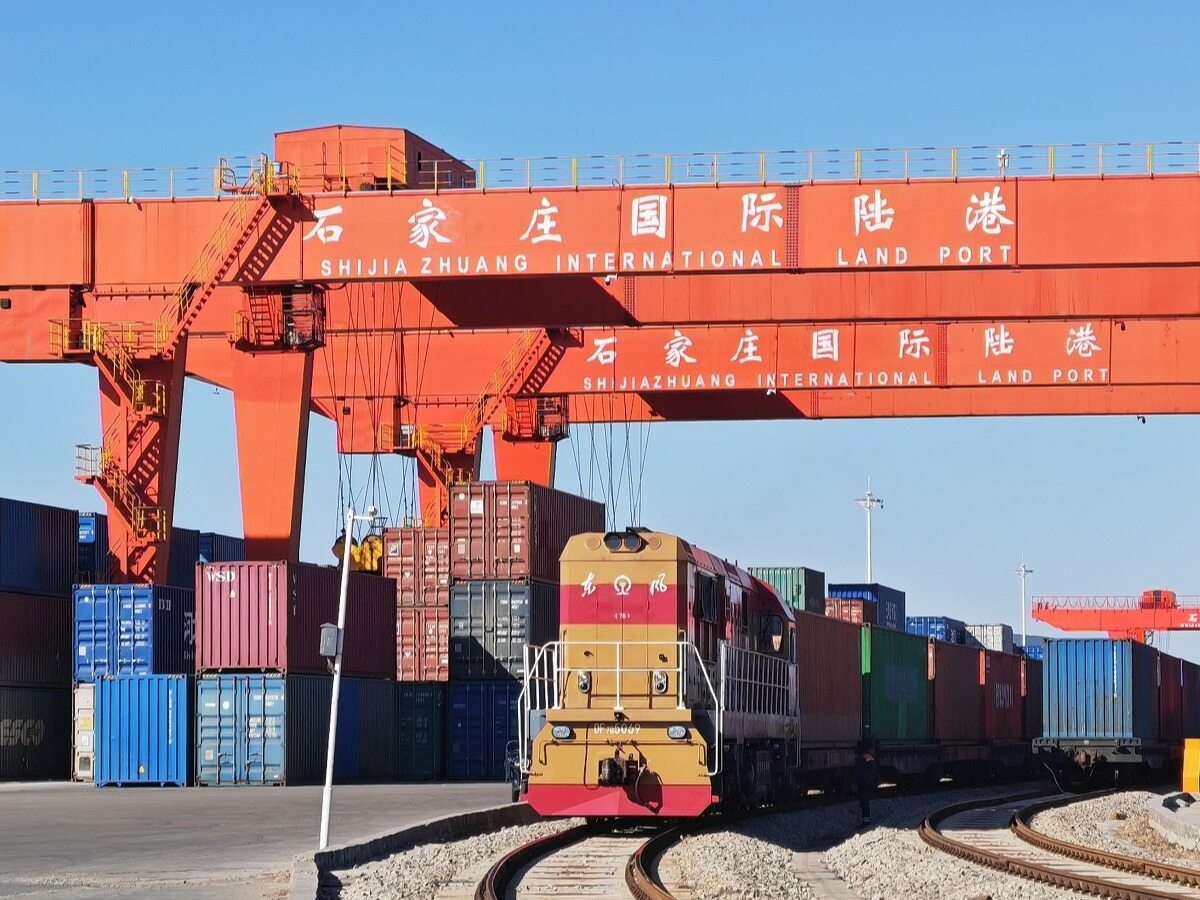
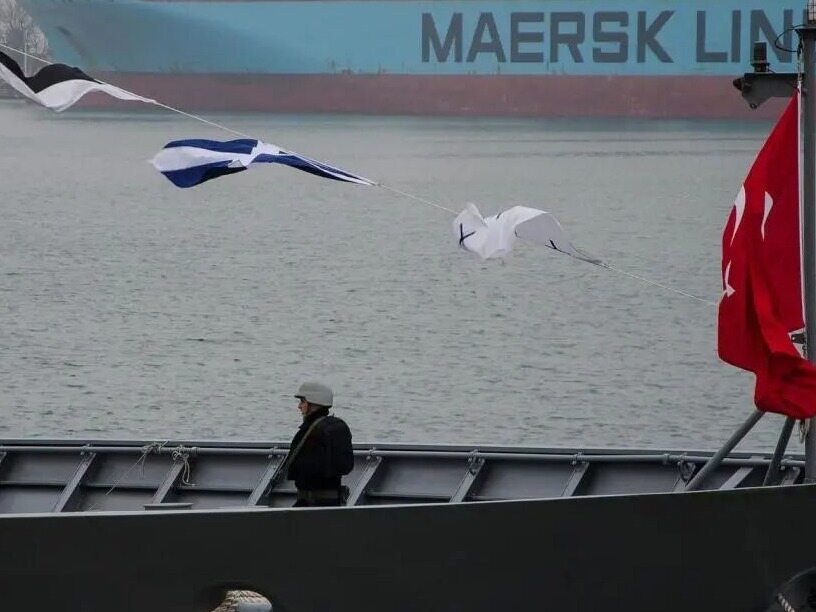
On April 27, 2026, a Reuters column opened the door to the global energy crisis with a shocking set of numbers - after the Middle East's artillery blockade of the Strait of Hormuz, China's clean energy exports surged to a monthly peak of $26 billion in panic buying. As oil tankers are trapped in the strait and natural gas prices soar, global buyers are frantically placing orders for Chinese batteries, photovoltaic panels, and electric vehicles.
Battery exports surpass the billion dollar mark for the first time
In March, the export value of China's battery systems was slightly over 10 billion US dollars, a surge of about 30% compared to the previous month and a surge of over 70% compared to the same period last year. Germany leads with 1.26 billion US dollars, followed closely by the United States with 823 million US dollars, while Vietnam and Oman both have monthly increments exceeding 200 million US dollars. Europe absorbed 43% of its exports, while Asia accounted for 29%. Ember data shows that the monthly average level of battery exports was only about 7 billion US dollars before, and the Middle East crisis suddenly pulled up this curve.
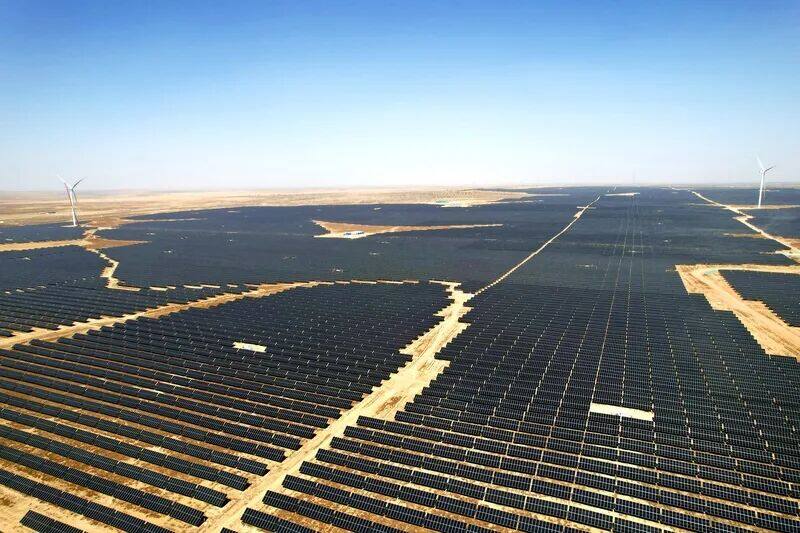
Photovoltaic exports soar to 4.8 billion
The export of solar energy systems surged from $2.1 billion in February to $4.8 billion, setting a new monthly high since May 2023 and double the monthly average level in 2025. The Netherlands topped the list with a monthly procurement of $400 million, while Indonesia, the Philippines, India, and Pakistan dominated the top five. Asia accounts for 43% of the total market and Europe accounts for 27%. After the global energy trade route is blocked, rapidly deployable photovoltaic modules have become the preferred alternative energy source. Keywords: Strategic News Network, Photovoltaic, Battery
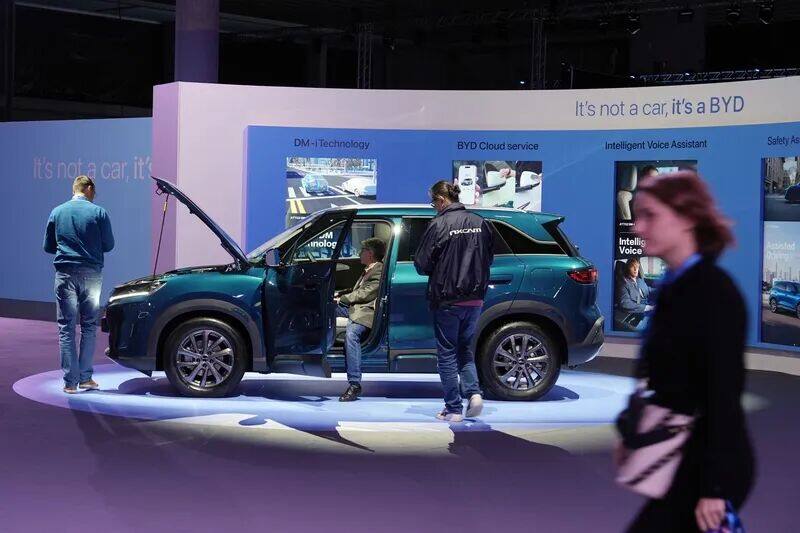
Electric vehicle exports to the Middle East plummet sharply
The total export value of electric vehicles in China exceeded 21 billion US dollars in the first quarter, reaching a new high for the same period, with Europe accounting for 45% and Asia accounting for 25%. But the Middle East's share has plummeted from 11% to 4%, and the war has led to a near halt in cargo transportation. Equally affected is the delivery volume of power grid equipment to the Middle East. Ember analysts pointed out that this backlog of demand will constitute a huge release potential in the future - once peace is restored, Middle East reconstruction orders will continue to drive a new round of export surges. When the fragility of oil and gas channels is repeatedly verified by artillery fire, Chinese clean technology exporters are standing at the forefront of the global energy procurement shift.Editor/Gao Xue
Comment

 Praise
 Collect
 Comment

 Share
Share


Write something~