 Search


- This move will enable direct inland transportation to Europe by land, which will help expand opening-up to the outside world
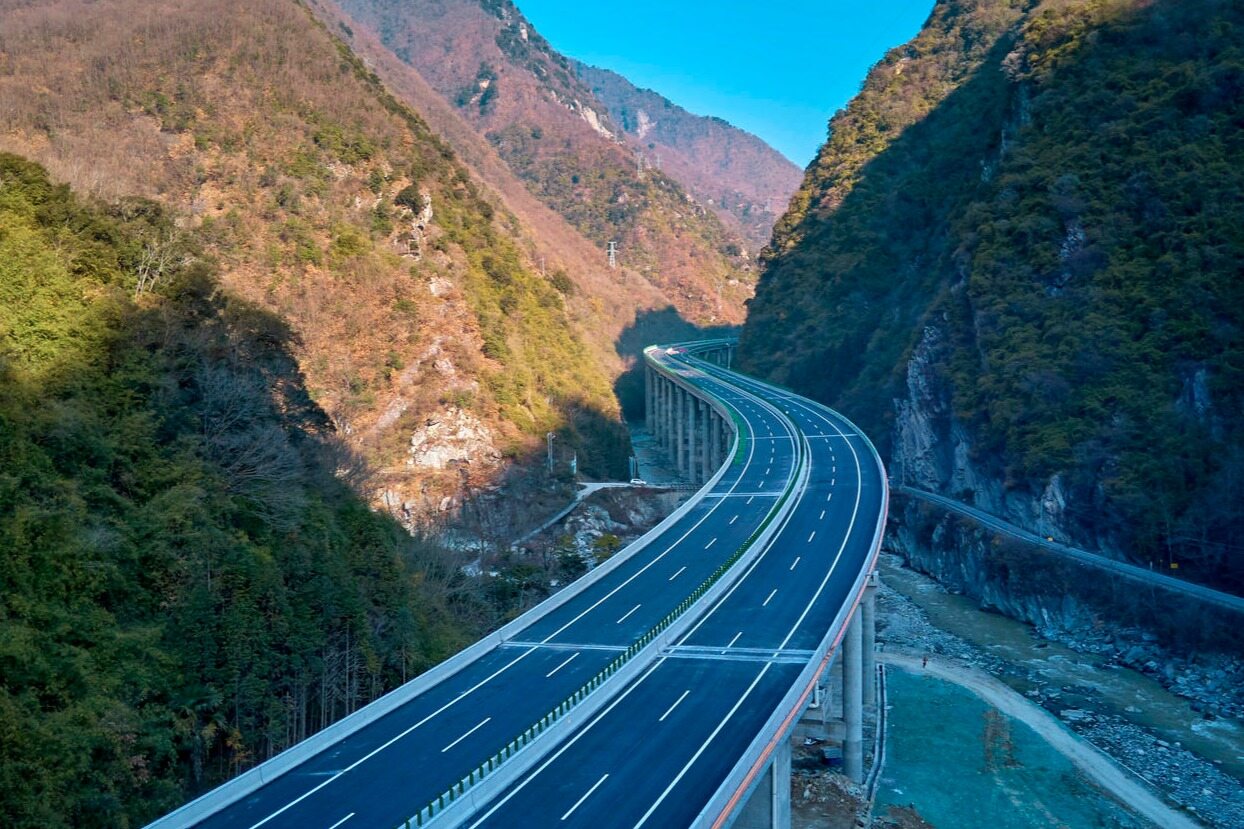
Recently, a container truck with a TIR logo departed from Frankfurt, Germany, crossed Poland, Belarus, Russia, and Kazakhstan, and headed eastward towards inland China. The cross-border road transportation of about 8000 kilometers was completed in just 9 days from the European factory to the Chinese warehouse. When the truck enters the newly built international highway port, a new chapter of inland opening is quietly unfolding.
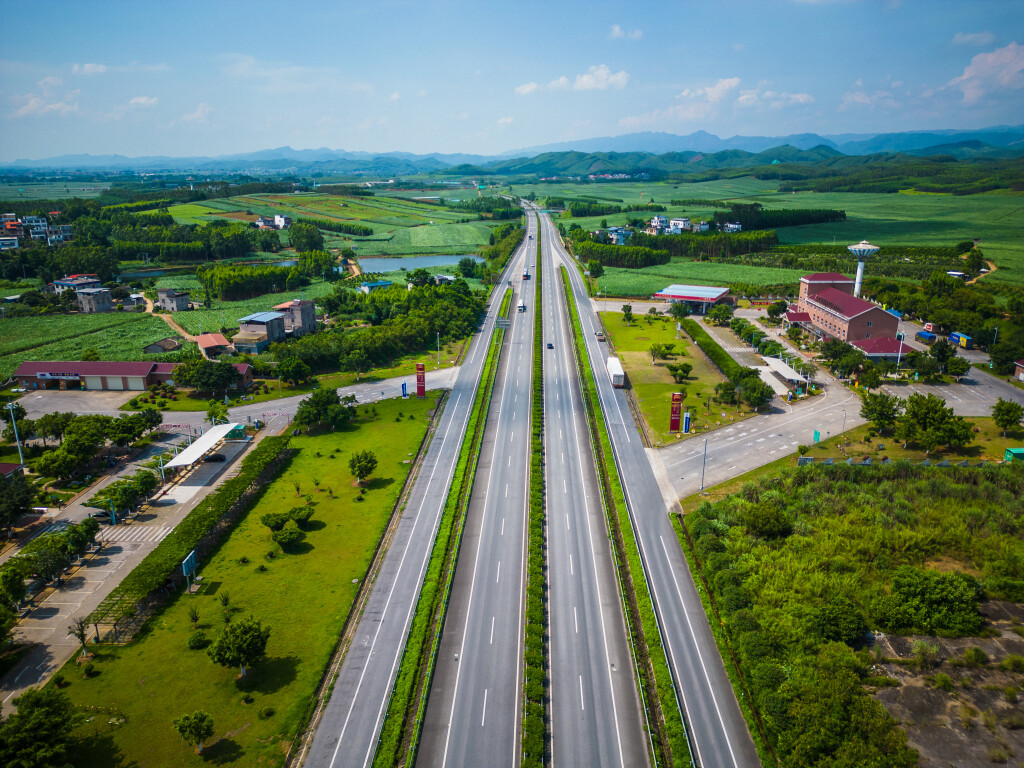
The TIR Convention opens up the land fast lane
The core advantage of the TIR Convention on International Road Transport lies in its one-stop service and exemption from inspection throughout the entire process. After the goods are sealed by the customs at the place of origin, they do not need to be opened and inspected again when passing through multiple countries, greatly reducing the clearance time. Compared with traditional sea freight, TIR transportation time is reduced by about half and costs are reduced by about 70% compared to air freight. Currently, multiple cities in China have opened TIR routes, radiating to the markets of Central Asia, Russia, and Europe.

The first highway port land to live inland
The landing of the first TIR international highway port has given inland areas their own land sea outlet. Previously, goods that could only rely on coastal ports for transportation can now be directly loaded and shipped from inland to Europe. The highway port provides one-stop services such as warehousing, customs clearance, and distribution, which not only facilitate the rapid distribution of imported goods but also open up new channels for the export of locally manufactured products. Surrounding logistics, processing, cross-border e-commerce and other industries have been simultaneously activated. Keywords: the Belt and Road News Network, International Highway

From Channel Economy to Hub Economy
The construction of highway ports is rewriting the geographic and economic coordinate system of inland cities. The inland hinterland, which used to belong to the periphery of opening up to the outside world, is now transforming into a hub node connecting Central Asia and Europe through the TIR channel. Within six months, more than 200 foreign trade enterprises have settled in the surrounding park of the highway port, creating over 5000 job opportunities. From waiting for goods to arrive at the door to actively assembling goods, from passing through the road to industrial landing, the inland open economy is moving from concept to reality.Editor/Gao Xue
Comment

 Praise
 Collect
 Comment

 Share
Share


Write something~