 Search


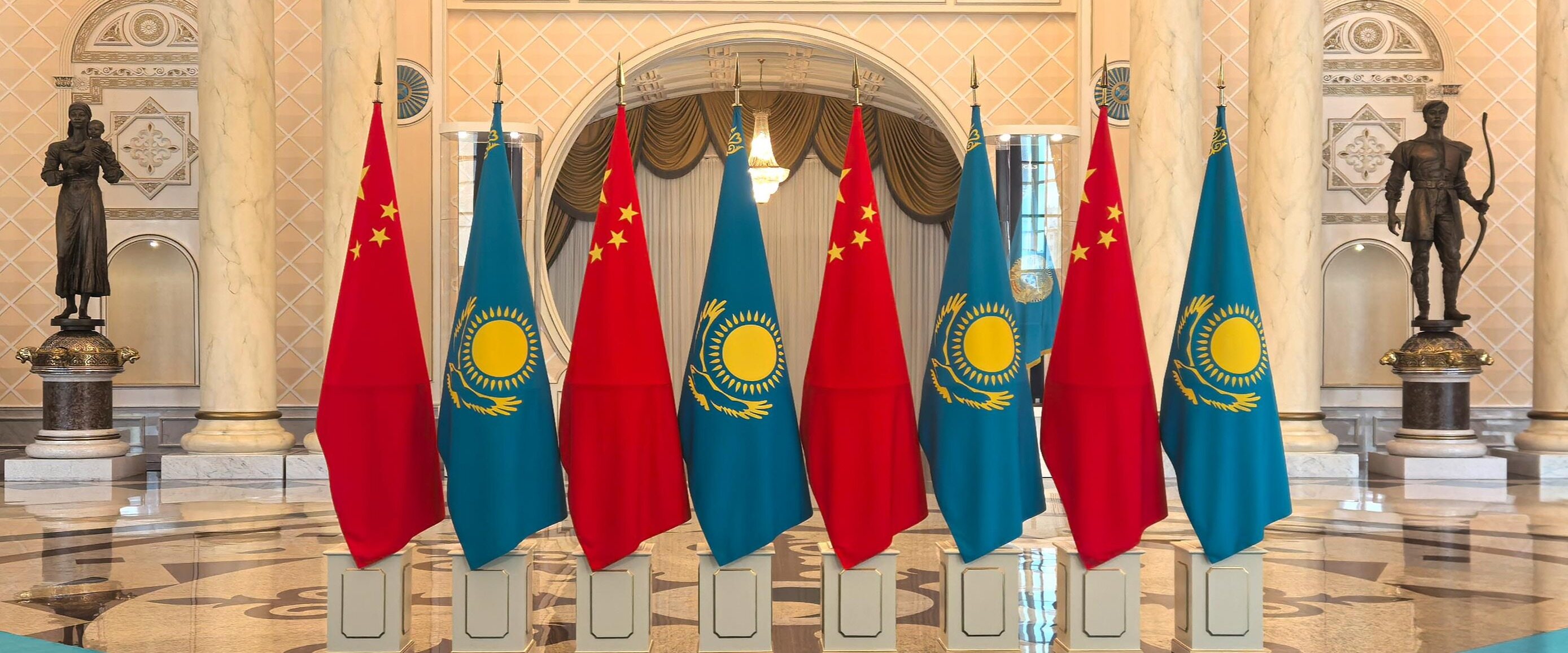
- The new version of the China Kazakhstan Investment Protection Agreement replaces the old version from 1992
- New agreement adds international arbitration and anti expropriation clauses
In the parliamentary chamber of Kazakhstan (Majlis), a bill concerning the wallets of both countries has recently been passed. This law, titled 'On the Approval of the Investment Promotion and Mutual Protection Agreement between the Government of Kazakhstan and the Government of China', will completely replace the old rules that have been in use for more than 30 years. For Chinese energy and infrastructure companies deeply rooted in Kazakhstan, as well as Kazakh businessmen who are optimistic about the Chinese market, this means that a more modern set of legal "safety locks" has been officially established.
Upgrade Old Testament
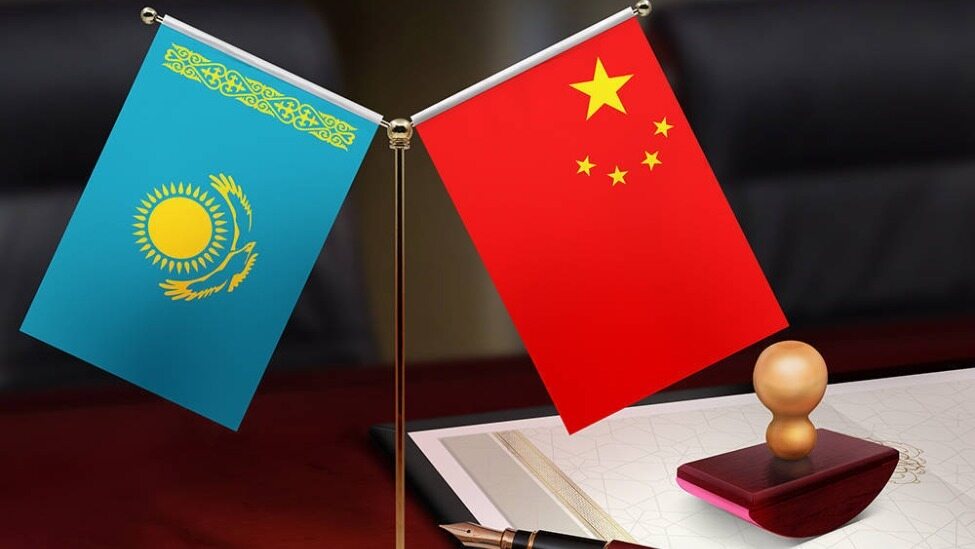
The new agreement passed this time did not come out of thin air, but rather a comprehensive upgrade to the old investment protection agreement signed on August 10, 1992. Kazakhstan's Deputy Minister of Foreign Affairs, Alibek Kuantlov, pointed out at the review meeting that with the upgrading of China Kazakhstan relations to a comprehensive strategic partnership, the original investment rules are no longer able to cover the current depth of cooperation.
The new version of the agreement aims to address the two most concerning issues for investors: fair treatment and dispute resolution. It explicitly includes core clauses such as preventing arbitrary expropriation, providing fair and equal treatment, and establishing an international arbitration mechanism. This means that in the future, if investment disputes occur, companies will have an additional legal recourse protected by international law, and will no longer rely solely on the local judicial system.

Money flow data
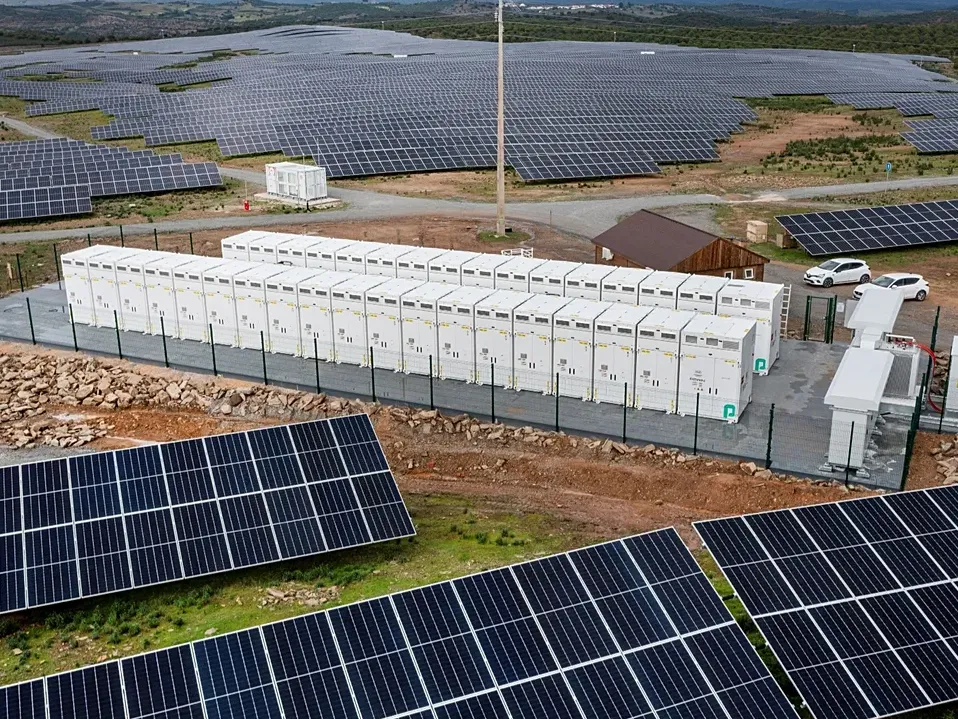
Behind the legal upgrade is the tangible flow of funds. According to the latest data disclosed by Kazakhstan, China's investment in Kazakhstan is experiencing explosive growth. In 2025 alone, Kazakhstan will attract $2.8 billion in foreign direct investment (FDI) from China, which is about 2.4 times higher than the $1.1915 billion in 2024.
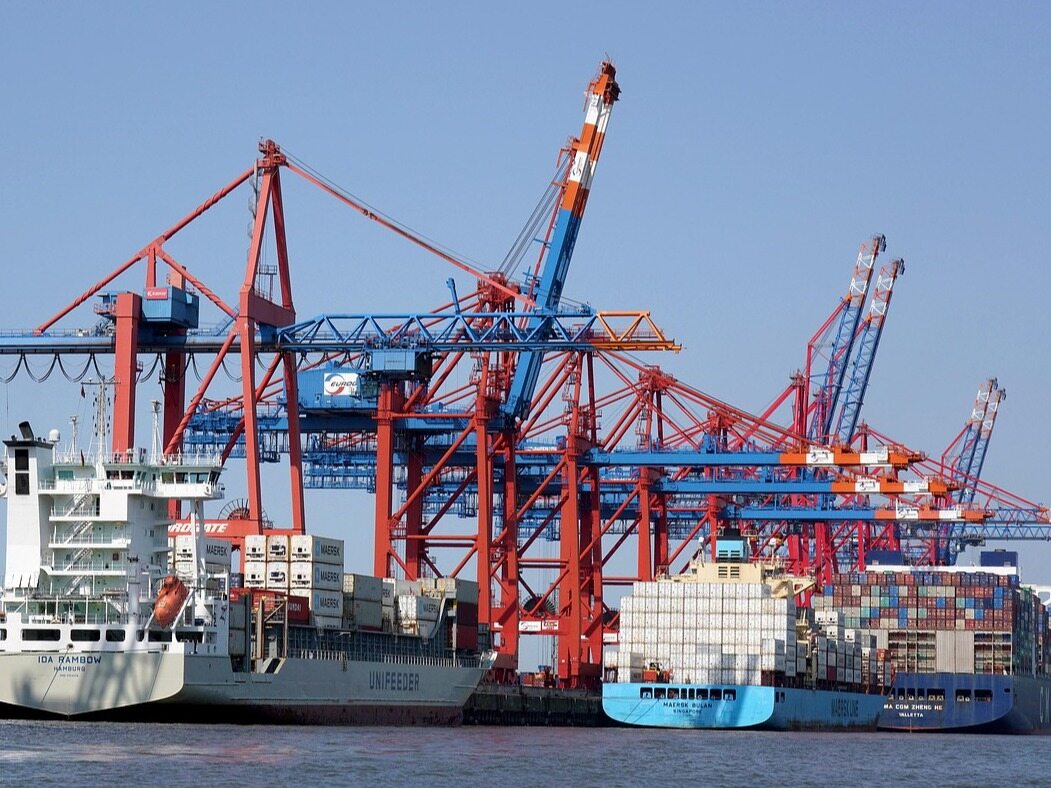
If the timeline is extended, from 2005 to 2025, China's cumulative investment in Kazakhstan has reached 29.3 billion US dollars. These funds mainly flow into the energy, mineral, and infrastructure sectors. At the same time, the bilateral trade volume reached 34.1 billion US dollars in 2025 (a year-on-year increase of 13.2%), of which Kazakhstan exported 15.2 billion US dollars to China and imported 18.9 billion US dollars from China. The new agreement is aimed at safeguarding this growing river of funds and trade.

Zero cost guarantee
Regarding the issue of financial burden that concerns the people of Kazakhstan, the Kazakh government has provided a clear response: the implementation of this agreement will not bring negative socio-economic impacts and does not require additional fiscal expenditures.
Kuantlov emphasized that the core value of this document lies in creating an "open, transparent, and predictable" environment. It does not cost taxpayers money, but rather builds a nest and attracts phoenixes by improving rules. In the context of regional economic interconnectivity, the implementation of this legal tool is seen as the institutional cornerstone for the two countries to move towards higher levels of cooperation in the fields of energy, transit transportation, and production capacity.Editor/Yang Meiling
Comment



 Praise
 Collect
 Comment

 Share
Share


Write something~