 Search


- Algeria invests $50 billion in infrastructure, with 50 major projects covering six major areas
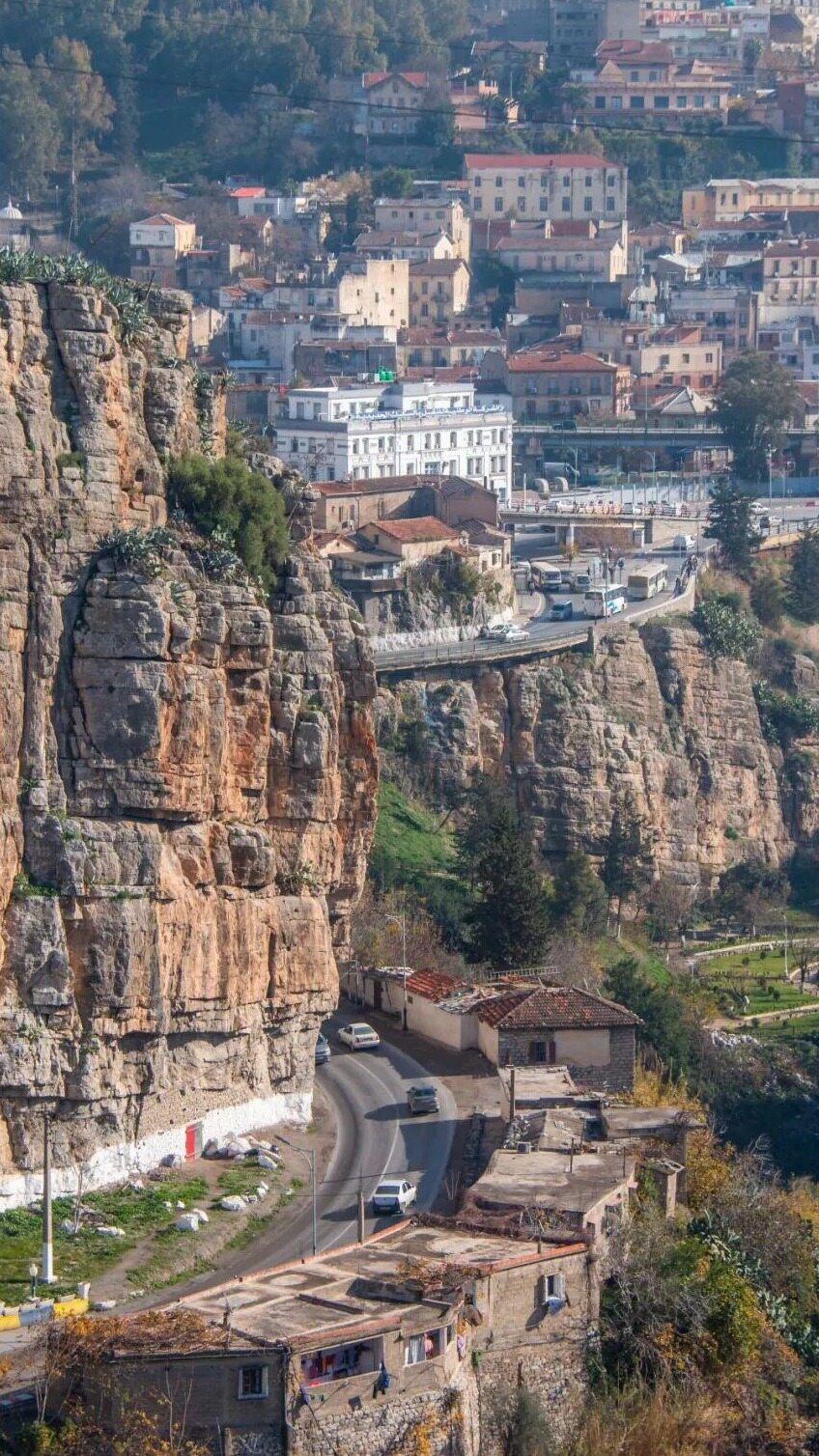
Algeria is doing something it hasn't done in the past thirty years - no longer relying solely on selling oil and gas.
In 2026, the country will allocate over 50 billion US dollars in special funds to promote the comprehensive implementation of 50 key infrastructure projects. Railway, highway, energy, water conservancy, and digital infrastructure are all being developed simultaneously. This is the core pillar of the 2024-2029 five-year plan, with a total investment scale of 150 billion US dollars.
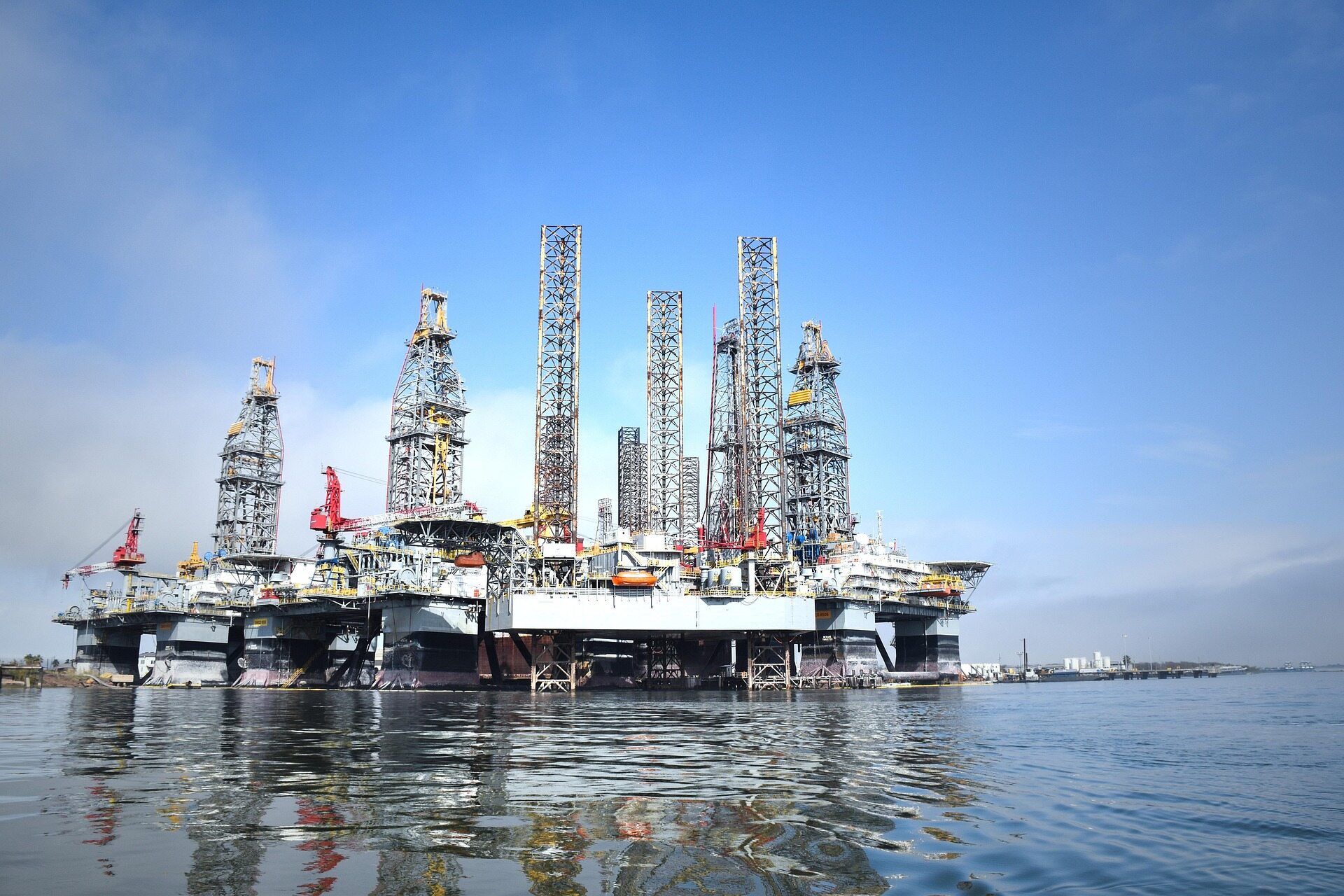
Why now? Because we have to change. Oil and gas exports once accounted for over 90% of the country's export revenue, and whenever international oil prices fluctuate, the finance department plays tricks. But Algeria holds a good card: with a population of 45 million, an average age of only 28 years old, only 14 nautical miles north of Europe, and the Sahara hinterland to the south. The African Development Bank and the Islamic Development Bank have pledged over billions of dollars in financing support.
Young people need to work, ports need to expand, and railways need to be extended. This money can be spent, but it must also be spent.
2、 Three railways and one hundred power stations
$20 billion smashed towards the railway. The goal is to double the railway mileage from 4000 kilometers to 10000 kilometers by 2030.
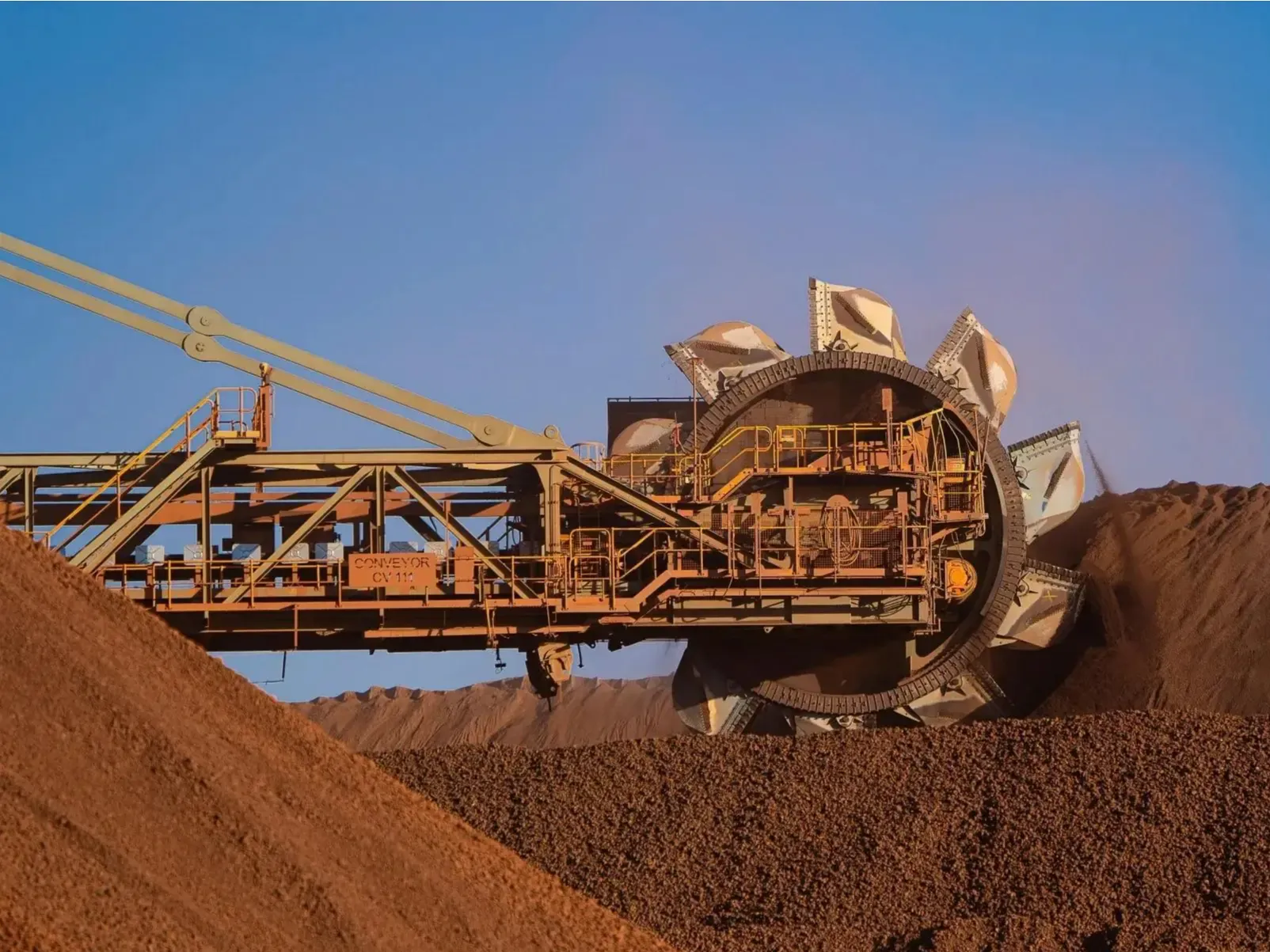
The hardest bone has been gnawed off. The Western Mining Railway, which opened in February this year, has a total length of 950 kilometers and crosses the Sahara Desert, making it the first desert heavy-duty railway in Africa. The 575 kilometer core trunk line constructed by China Railway Construction has overcome extreme high temperatures and quicksand geology, achieving the first full chain export of China's 32.5-ton heavy axle load technology, and building the first standardized sleeper factory locally, filling the gap in the industrialization of railway components in the country.
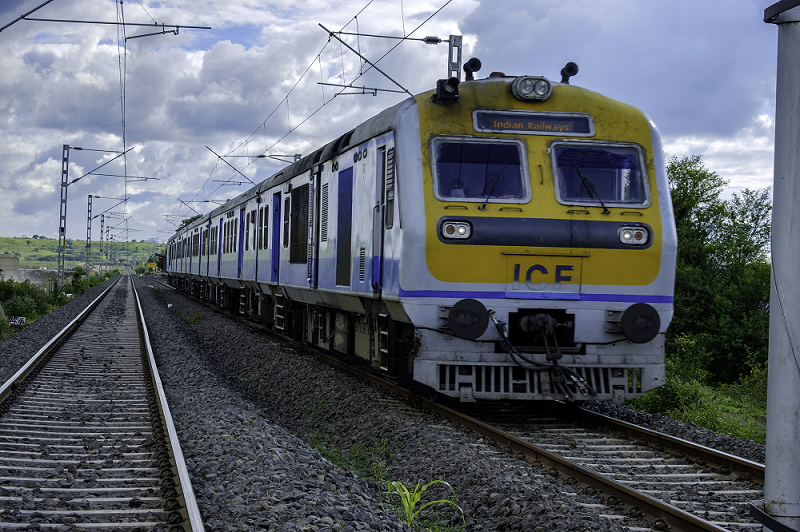
Following closely behind, the Eastern Mining Railway launched a comprehensive attack, with China Road and Bridge Corporation undertaking the construction of a 121 kilometer core section and opening up a channel for phosphate ore to go abroad; The construction of the Lagwatt Galdaya Menea railway has started, which is the first phase of the Trans Saharan Railway and will be extended to the border of Niger in the future; The north-south trunk line from Algiers to Tamanrasset has a total length of 2039 kilometers, running through the country and bridging the economic gap between the north and south.
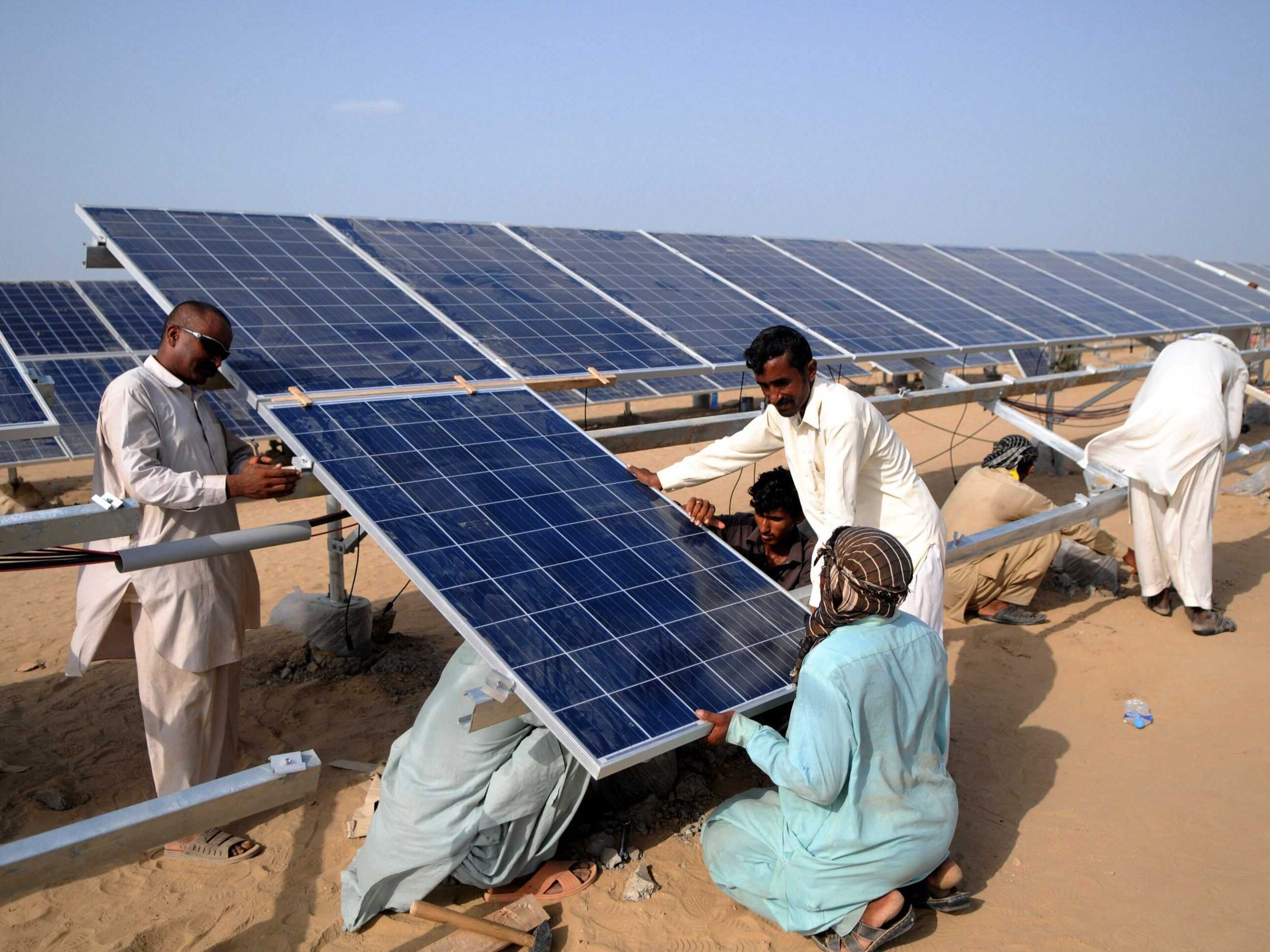
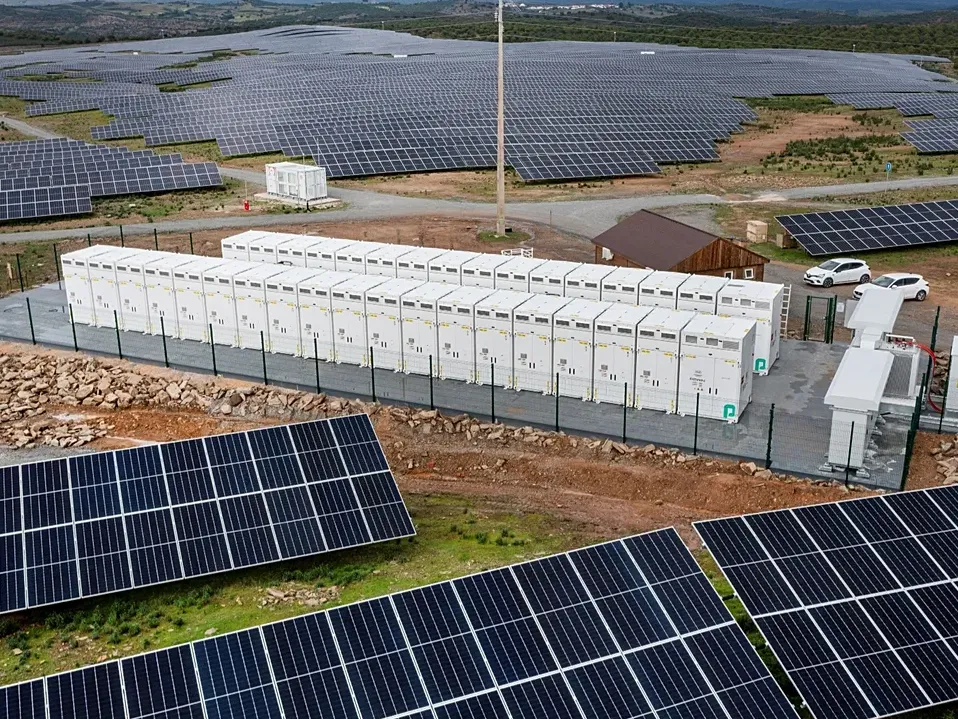
The energy sector is equally fierce. In a $20 billion investment, the Tebesa 1406 MW combined cycle power plant started construction in April, and Chinese companies won the bid. After completion, it will become the core power source of the eastern power grid. In terms of new energy, the 15GW renewable energy plan has entered an explosive period, and the first batch of 1100 MW photovoltaic power plants will be connected to the grid by the end of June. The 200MW and 300MW power plants built by Chinese companies in Megger and Wade have a total annual power generation of 850 million kilowatt hours and a reduction of over 700000 tons in emissions.
More than 4 billion US dollars have been invested in highways and ports, with a focus on filling the gaps in the connection between mineral areas and coastal ports, expanding and improving the three core ports, and forming a "mine railway port" full chain closed loop with mining railways.
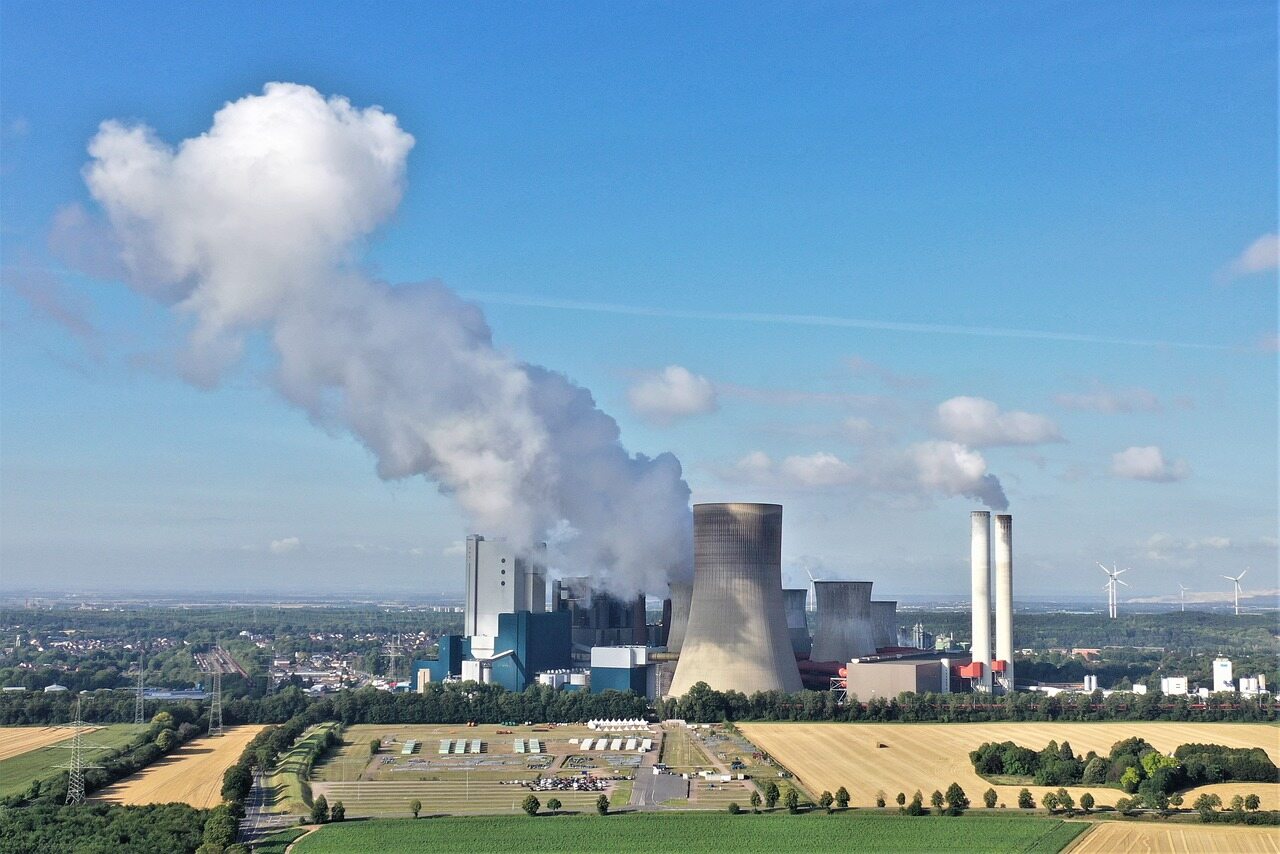
According to statistics, nearly half of the 50 major projects involve Chinese companies, and the newly signed contracts in 2026 have exceeded 3 billion US dollars.
A silent reshaping of the North African landscape
The true ambition of $50 billion lies behind the numbers.
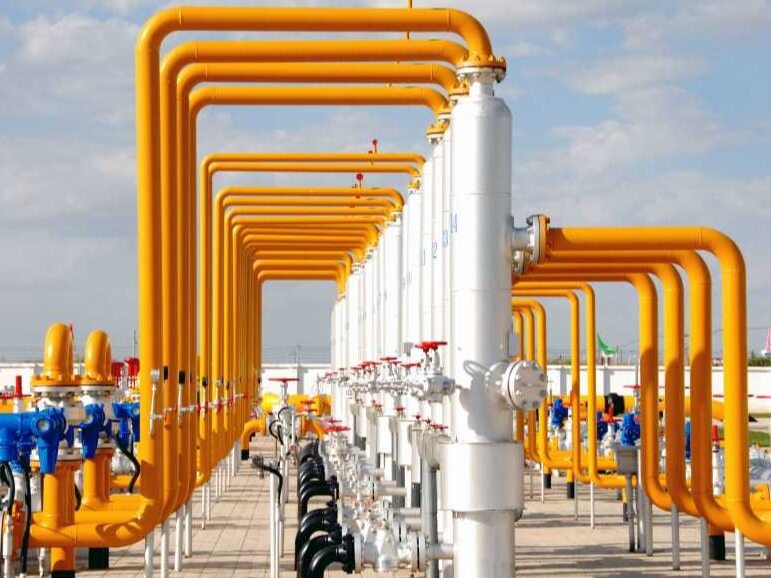
Algeria aims to transform from an oil and gas exporting country to a comprehensive energy hub in the Mediterranean - upgrading traditional oil and gas, parallel green electricity and hydrogen, and transporting hydrogen to Europe through existing natural gas pipelines. To shift from resource exports to industrial exports - Sahara's iron ore and phosphate will no longer be exported raw, but will be processed locally and exported with added value. To transform from a north-south divide to a national integration - after the railway trunk line is opened up, underdeveloped southern provinces will be connected to the northern economic circle, and urbanization can truly run.
The role of Chinese enterprises is no longer just contractors. Technical standards, equipment manufacturing, and localized industrial chains are taking root in this North African land. When European companies exit due to ESG barriers, and when infrastructure in Gulf countries slows down, China's infrastructure and Algeria's transformation needs happen to coincide. Keywords:Engineering infrastructure, Infrastructure News
50 billion US dollars, with a surface of steel and cement. At its core, it is a turning point in the fate of a North African power.Editor/Cheng Liting
Comment

 Praise
 Collect
 Comment

 Share
Share


Write something~