 Search


- Central Asia Resources Connect Hong Kong Financial Hub
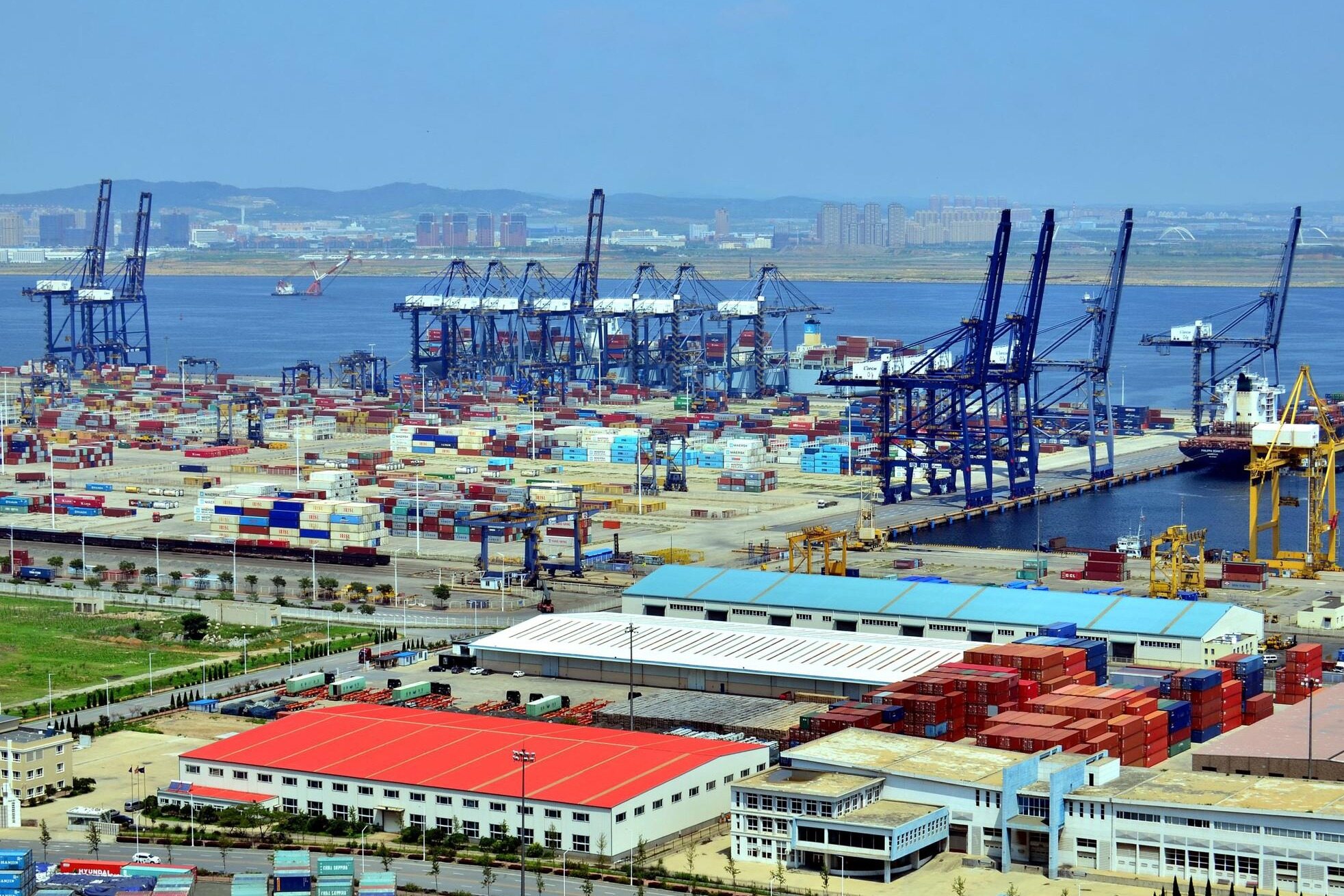
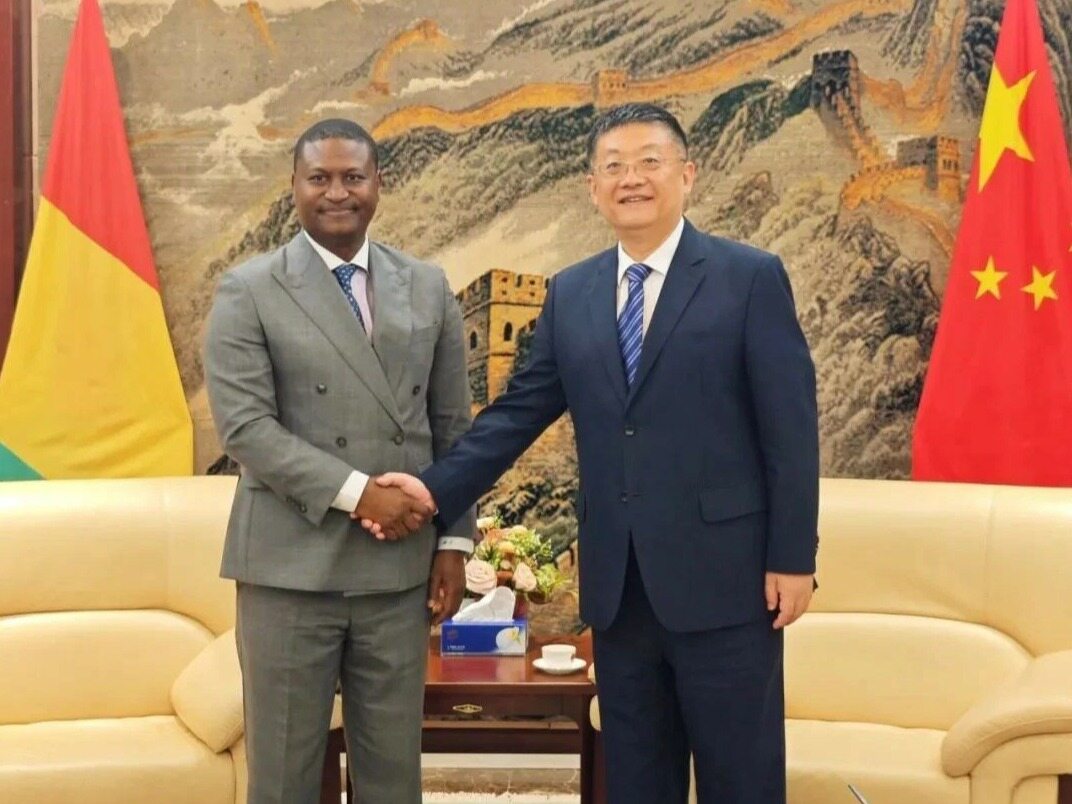
On May 6, 2026, in the signing hall of the Hong Kong Convention and Exhibition Centre, a delegation led by Uzbekistan Prime Minister Alipov and Hong Kong political and business figures witnessed the centralized signing of 15 cooperation agreements. When the joint venture text of the Samarkand energy storage power station and the localized implementation plan of the aluminum industry chain are exchanged one by one, the channel between the Central Asian resource hinterland and the Asian financial hub is moving from concept to reality.
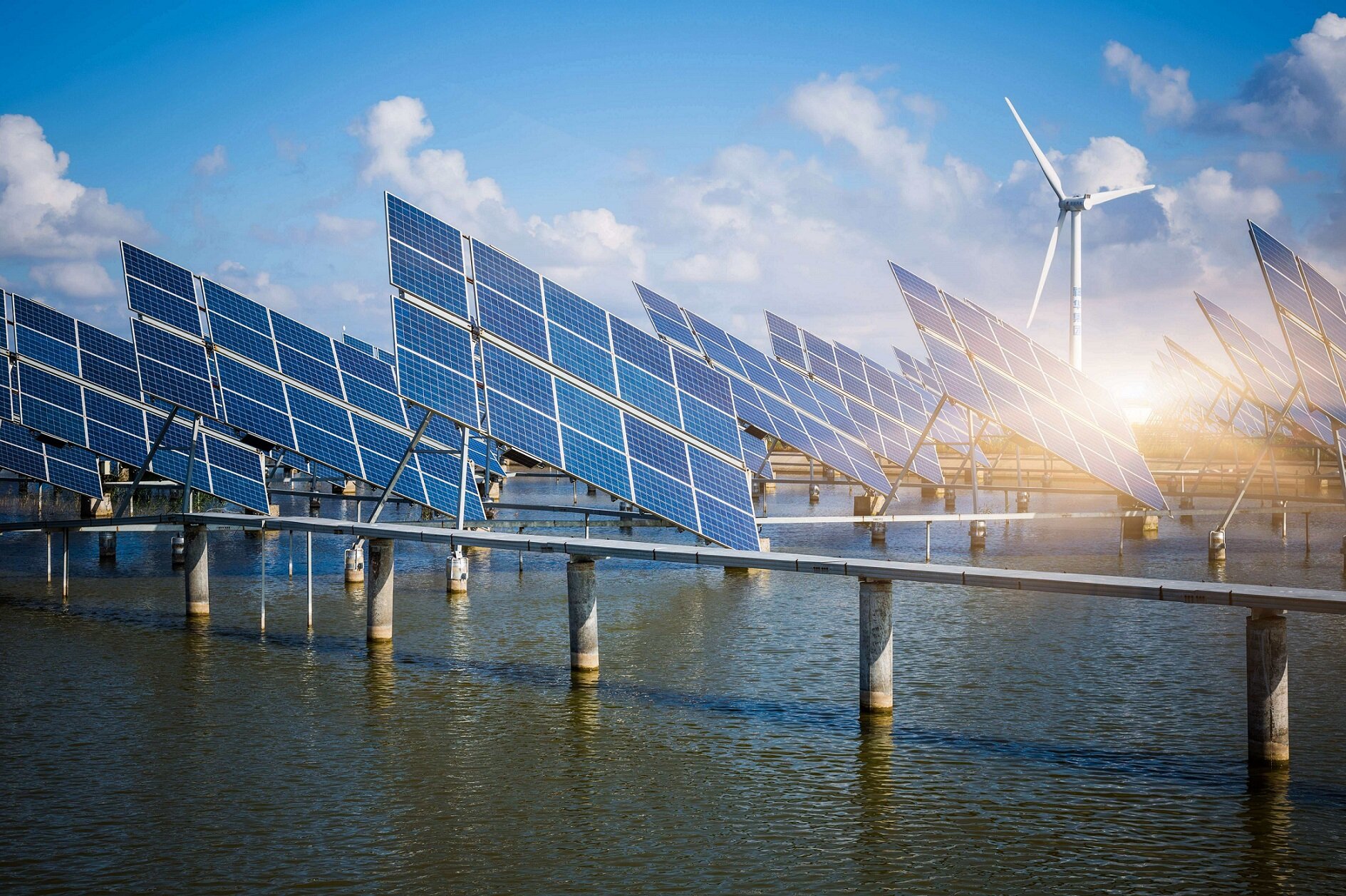
Fifteen agreements covering six major fields
The cooperation agreement signed this time spans six major sectors: green energy, mineral metallurgy, modern agriculture, aviation logistics, healthcare, and finance and commerce. In terms of green energy, the Samarkand 150 MW energy storage power plant project and cross-border investment cooperation in new energy have officially landed; Locking in the development of rare and precious metals and deep processing of non-ferrous metals in the field of mineral metallurgy; In terms of air logistics, the construction of the international cargo hub at Navoi Airport and the layout of direct flights between the two cities have been launched simultaneously. Bilateral trade has tripled in five years and is expected to exceed $20 billion by 2026.

Connecting Central Asian resources with Hong Kong's financial engine
Uzbekistan is a resource hub in Central Asia, while Hong Kong is a global international economic, trade, and financial center, with highly complementary advantages between the two sides. This cooperation will precisely connect Hong Kong's cross-border investment and financing, enterprise Hong Kong stock listing, international professional services and other financial instruments with Uzbekistan's mineral energy development and agricultural scale demand. The planned investment in mineral energy exceeds 2.2 billion US dollars, comprehensively consolidating the core economic and trade ties in Central Asia. Keywords: the Belt and Road news network, new energy, logistics
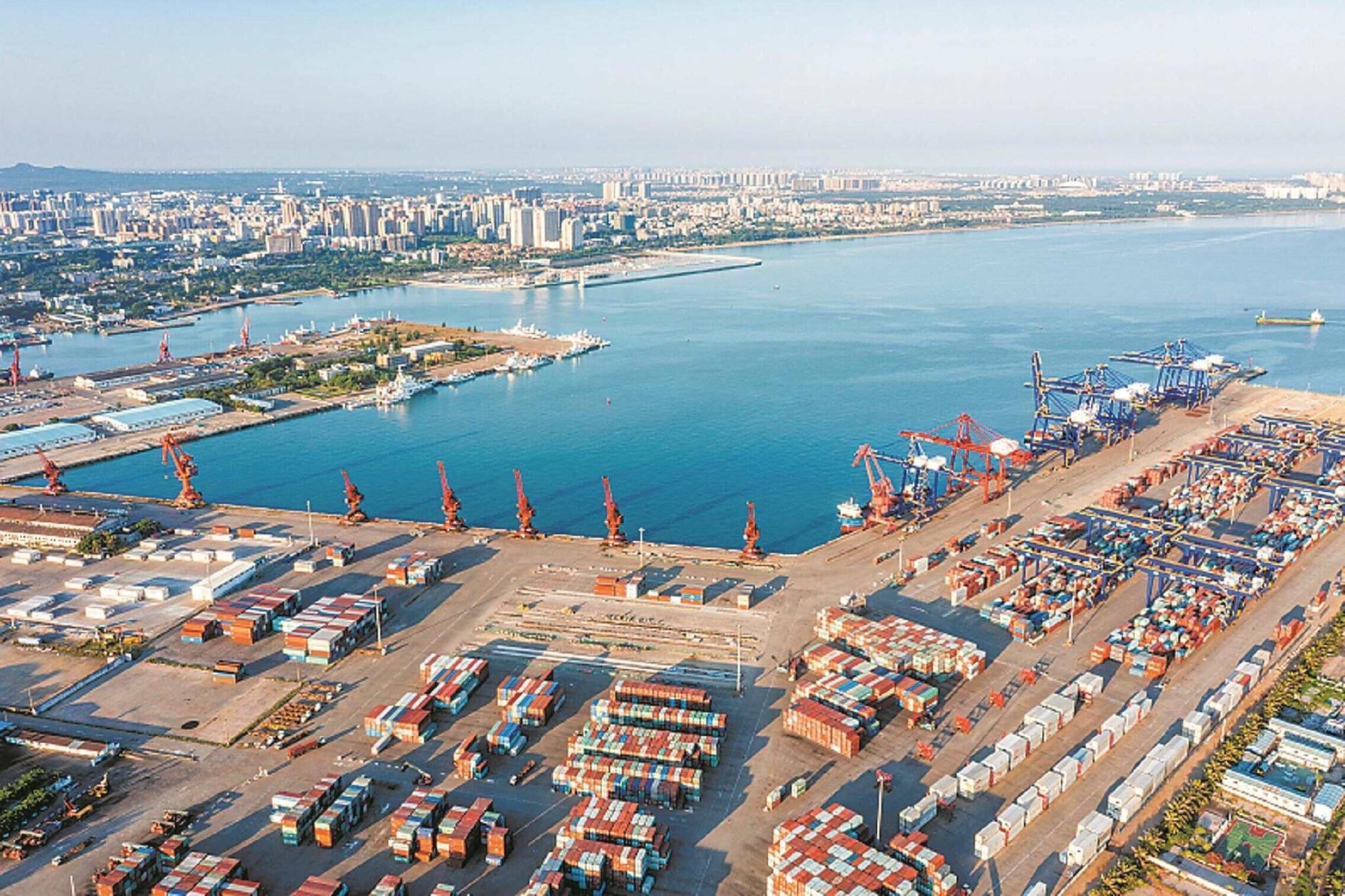
Add a southbound sea outlet to the Silk Road corridor
This signing will open up a southbound channel that radiates from the hinterland of Central Asia to Southeast Asia and the global market through Hong Kong. Uzbekistan's agricultural and mineral products can efficiently go abroad through Hong Kong's trade network and air logistics hub, and Hong Kong's professional services and capital can also directly reach the front line of Central Asian resource development along this channel. Hong Kong is upgrading from a super contact of the the Belt and Road to a deep participant, embedding its financial and commercial advantages into the key nodes of regional industrial chain restructuring. When Uzbekistan's ores are distributed globally through Hong Kong's capital pricing and Central Asia's cotton is distributed through Hong Kong's trade network, the three-dimensional connectivity of the the Belt and Road is extending from infrastructure to institutional rules.Editor/Gao Xue
Comment



 Praise
 Collect
 Comment

 Share
Share


Write something~