 Search


- A hundred billion rand is not only about the power grid, but also a systematic reconstruction of industrial capacity and energy security
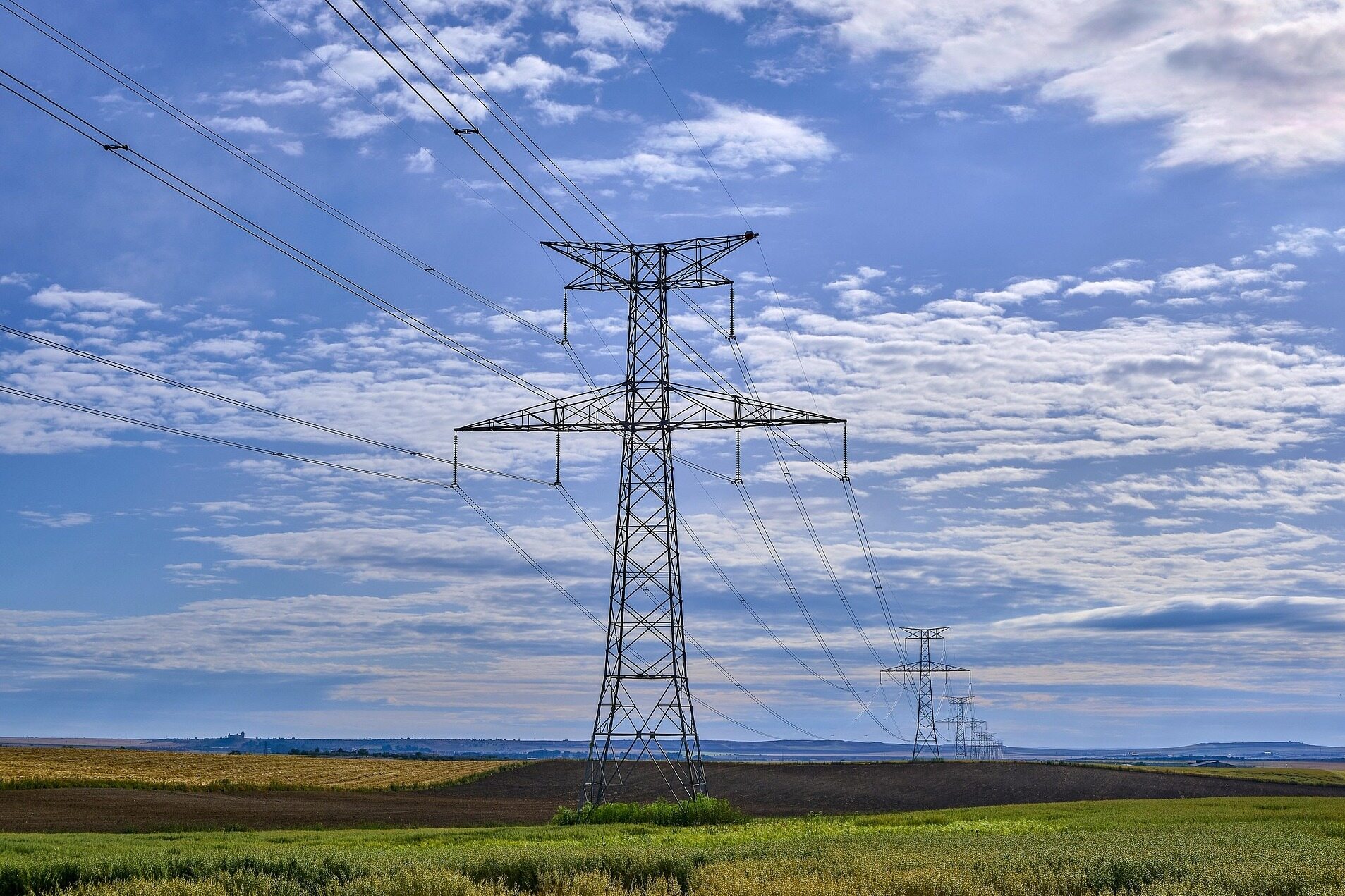
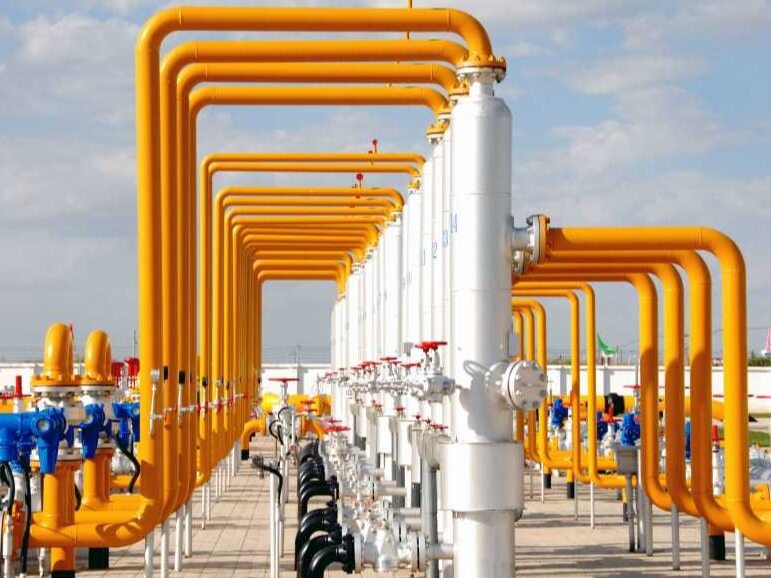
South Africa is launching a ten-year transmission network expansion plan with a total investment of over 400 billion rand and approximately 165.4 billion yuan. Monde Bala, CEO of the National Transmission Company, recently told CNBC Africa that the project has entered its third year of execution, with approximately 244 billion rand of capital in place in the first five years. The focus is shifting from financing to delivery, with supply chain, local manufacturing, and construction skills becoming the three major areas of focus.
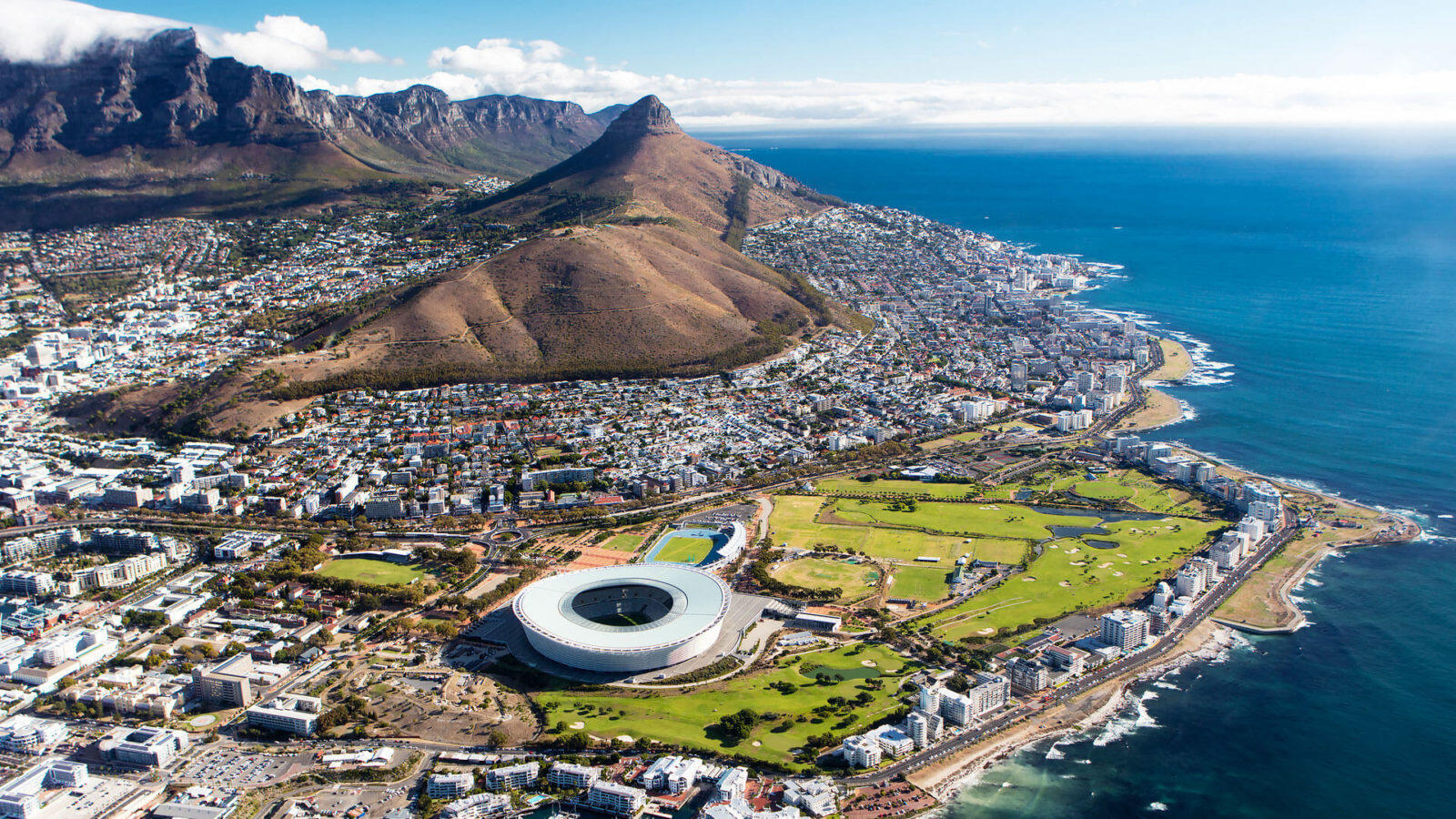
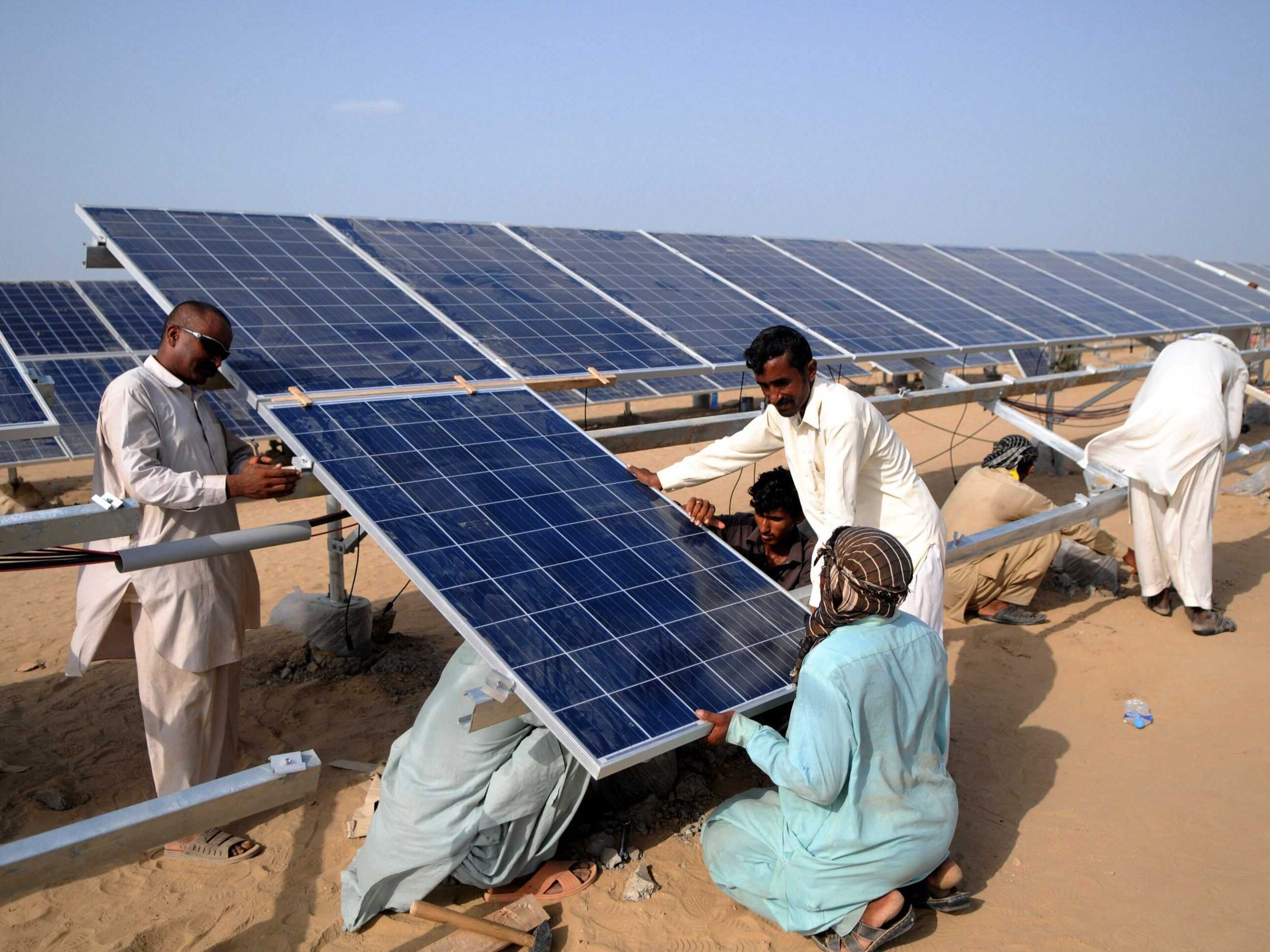
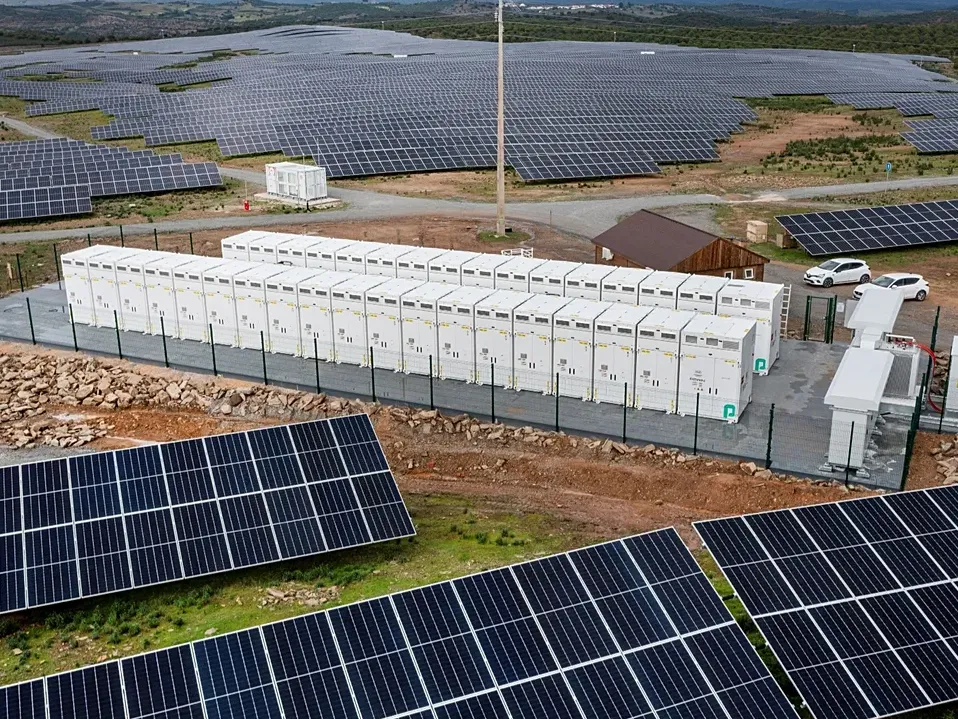
As of mid-2025, the load shedding in South Africa has significantly eased to below Stage 1, but Eskom's power generation end still faces enormous pressure. Among the approximately 56GW of power generation capacity in the country, the proportion of renewable energy is rapidly increasing, with wind and photovoltaic combined exceeding 5GW. The problem lies not in power generation, but in transmission. About 14500 kilometers of new lines will connect these scattered power points across the country, delivering electricity to demand centers such as Johannesburg and Cape Town. Without the power grid, clean energy only generates assets that are not needed.
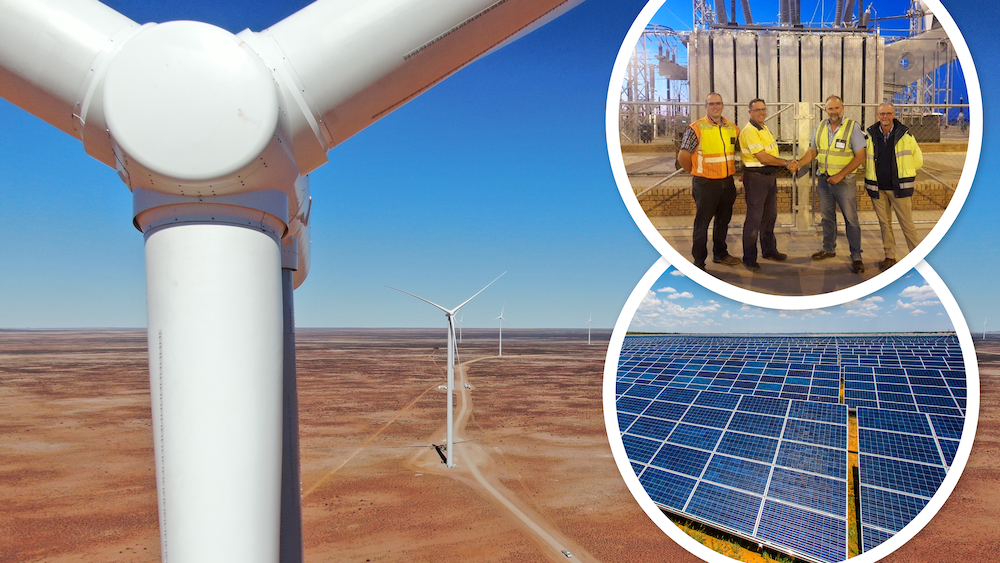
It's not a slogan, it's a survival line
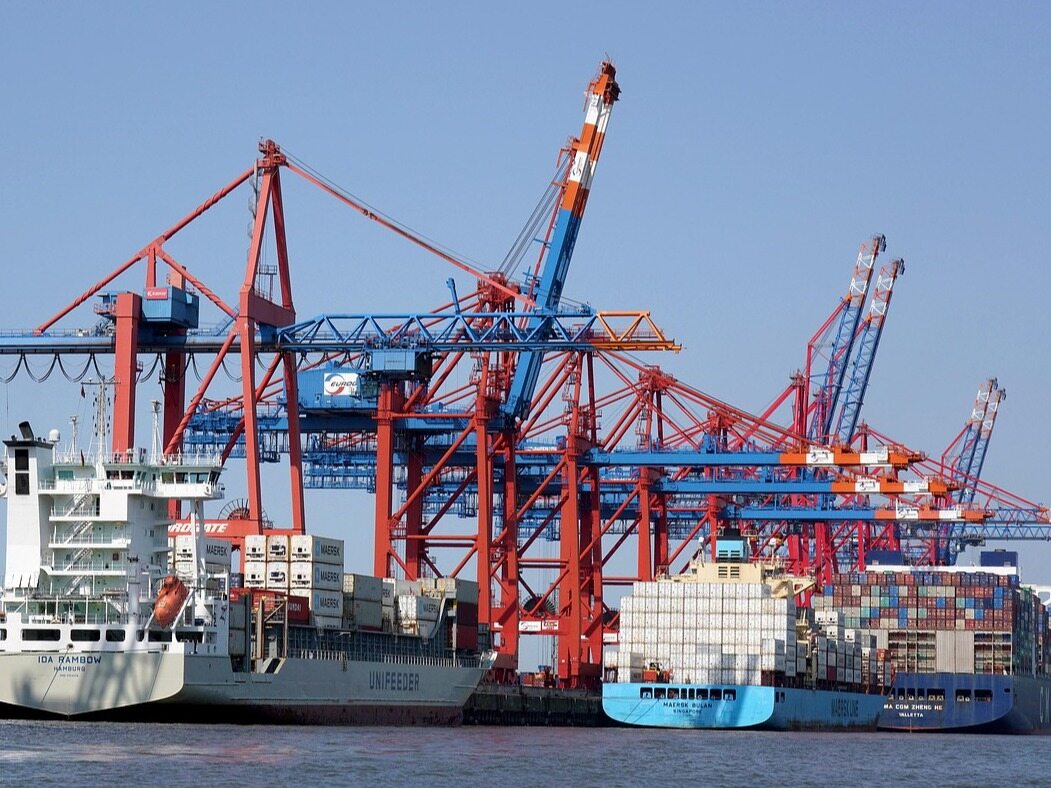
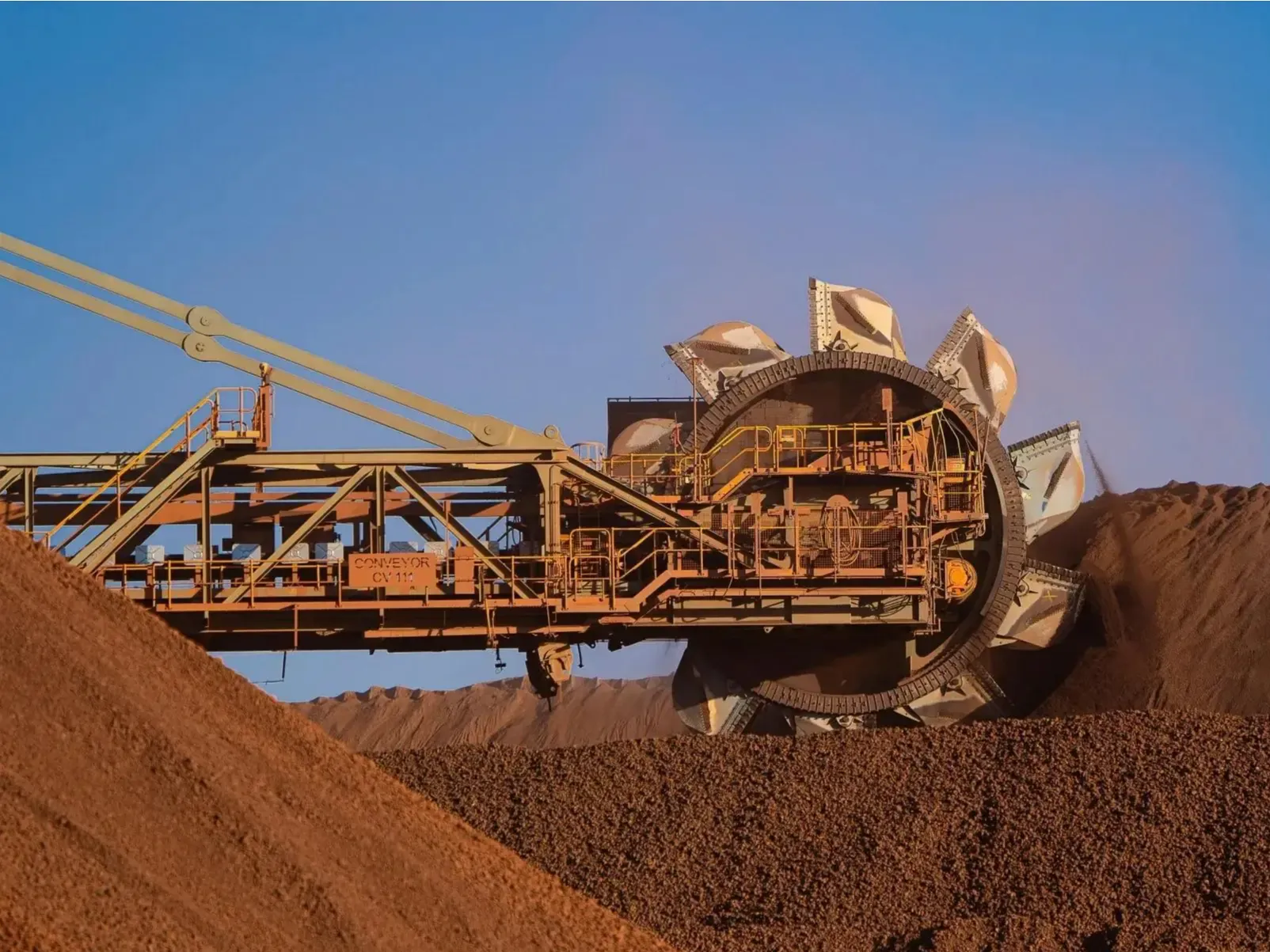
Bala bluntly stated that stimulating industrialization in South Africa is the main focus of the entire plan. The company is deeply integrating with local steel mills and galvanizing plants along the entire value chain, while establishing specialized transmission line construction schools to train technical workers. But the reality is cruel: domestic production capacity is severely insufficient, global demand for transformers, steel, and line components is skyrocketing, and South Africa is competing with Europe and India for the same batch of international suppliers. According to IEA data, global power grid investment has exceeded $380 billion by 2024, and supply chain runs are a common problem.
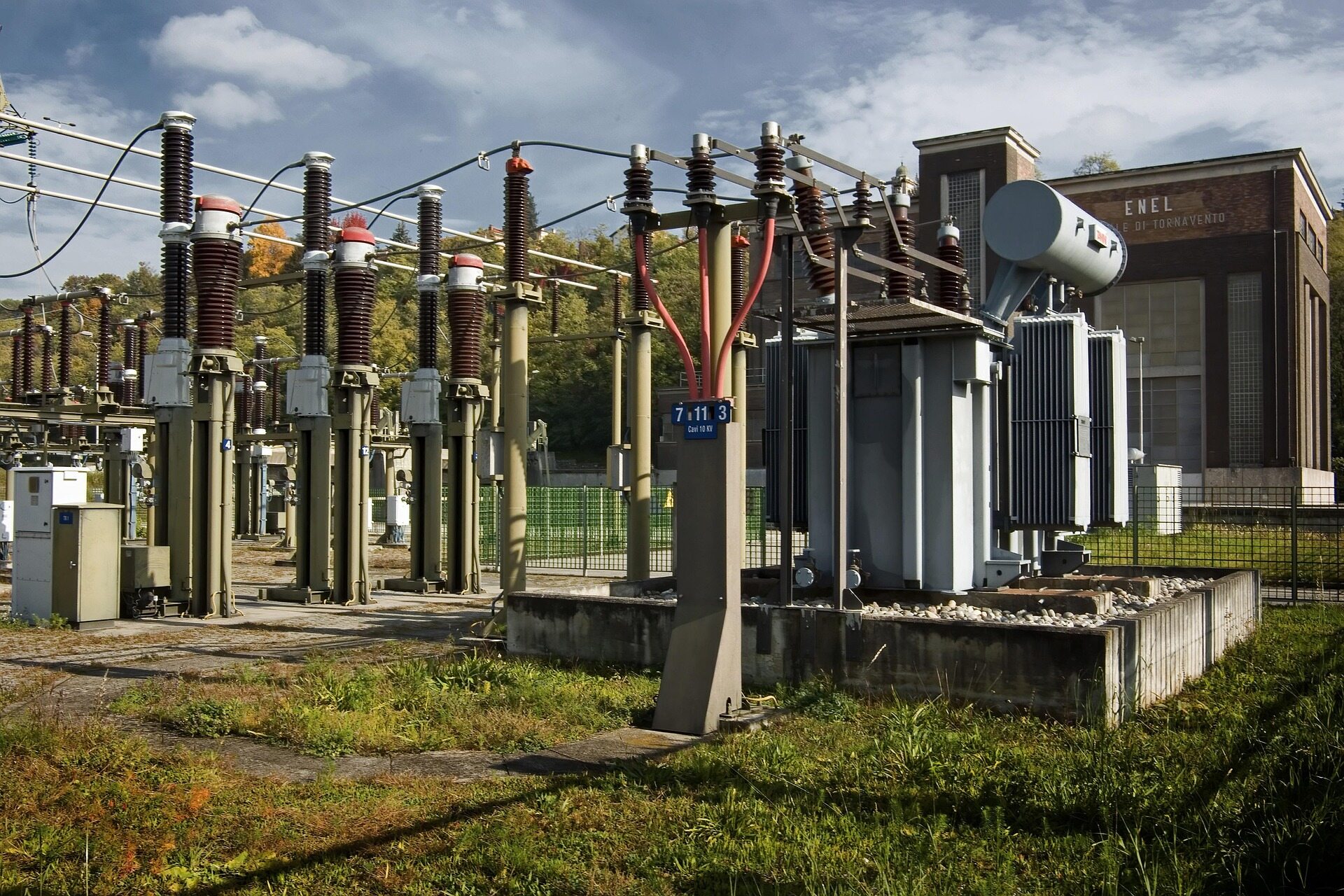
The supply side is the real bottleneck
The cooperation with IDC is accelerating, and the multi-channel financing framework has been discussed at the ministerial level. Bala's logic is clear: give market certainty and encourage suppliers to expand production and invest. This is not only an infrastructure project, but also a ten-year reconstruction of industrial capacity. Keywords: South African electricity, transmission network expansion
If executed properly, this network will unlock trillions of rand in private power generation investment, becoming the most leveraged infrastructure for South Africa's economic recovery and energy transition. The road ahead is difficult, but the direction is determined.Editor/Cheng Liting
Comment

 Praise
 Collect
 Comment

 Share
Share


Write something~