 Search


- BYD ZHENGZHOU set sail from Shanghai on May 17th, loaded with 4810 electric vehicles, and opened its route to Australia
- Domestic car companies accelerate their overseas expansion, leading to a sustained surge in transportation demand in overseas markets
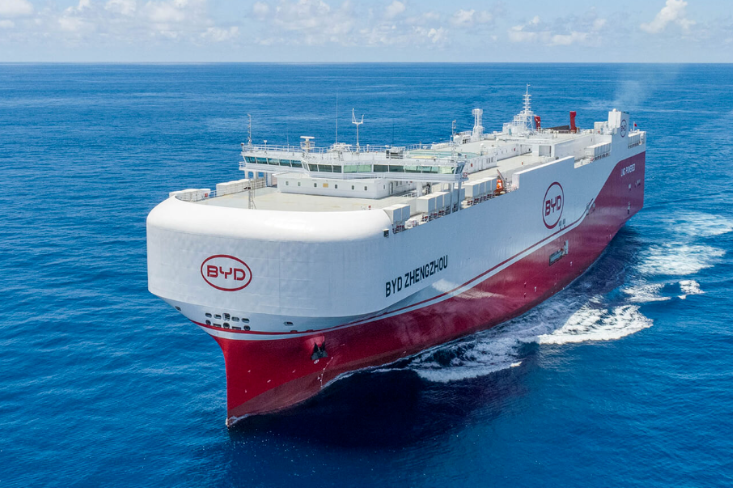
Recently, the 10800 car large roll on/roll off ship GLOVIS LEADER docked at Shanghai Nangang Port, carrying more than 3700 domestically produced high-end new energy vehicles and leaving the port for the Canadian market. Following closely behind, BYD's self-developed and self operated roll on/roll off ship BYD ZHENGZHOU set sail from Shanghai on May 17th, loaded with 4810 electric vehicles, and began its Australian route. It is planned to arrive in Melbourne on June 2nd, with subsequent stops in Sydney and Brisbane. This is also the first time BYD's own ships have specifically operated a dedicated transport line to Australia.
Two types of large transport ships represent two modes of going global, one is the main capacity of professional shipping companies, and the other is the self built fleet layout of automobile companies overseas, which intuitively highlights the current market situation of the shortage of global automobile roll on/roll off transport ship capacity.
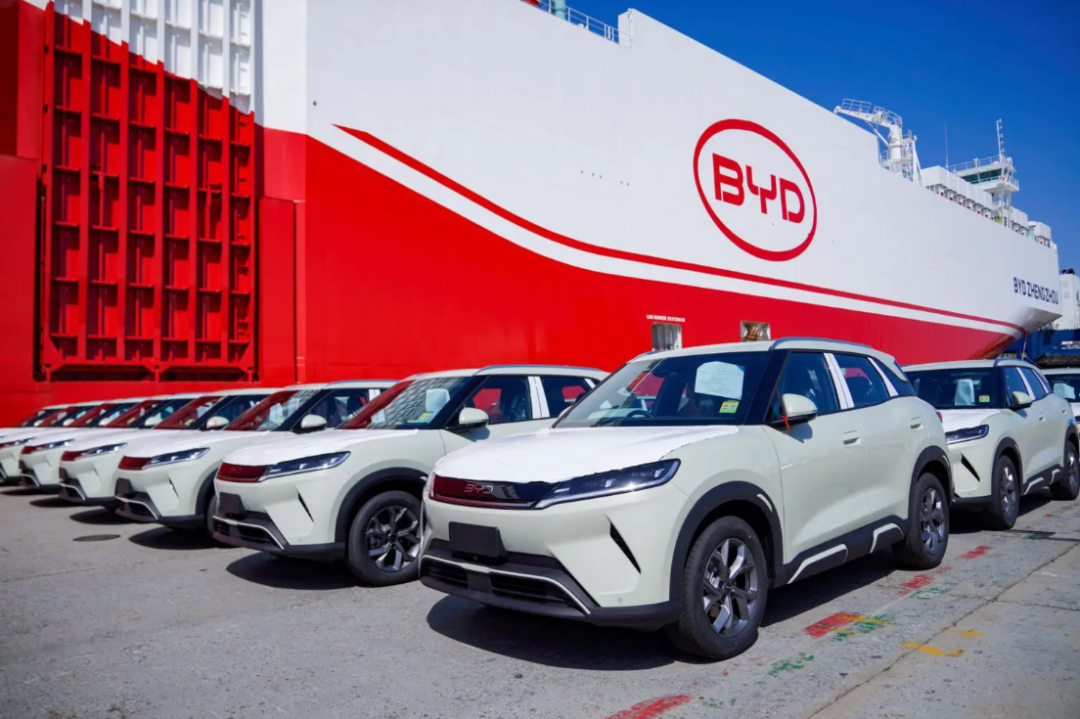
Export surge leads to tight cabin space
It is reported that the full year roll on/roll off shipping capacity for Shanghai Nangang in 2026 has been fully booked as early as the beginning of the year. Although new ships continue to be delivered, the shipbuilding cycle is long and the capacity gap is still difficult to fill. Industry data shows that in March, China's domestic vehicle exports were 875000 units, a year-on-year increase of 72.7%. Among them, the export of new energy vehicles was 371000 units, doubling the year-on-year growth. In the first quarter of 2026, the cumulative export of automobiles was 2.226 million, a year-on-year increase of 56.7%, and the export of new energy vehicles was 954000, an increase of 1.2 times.
Freight fluctuations and rising costs
The significant increase in automobile exports has created a clear gap with the scarce shipping capacity, directly driving up sea freight prices. Affected by the international situation, the choice of overseas shipping routes is caught in a dilemma. Detour routes will prolong transportation time and increase fuel costs, while mainstream shipping routes will require high travel and insurance costs. Industry insiders indicate that the unit price of automobile sea freight has continued to rise recently, and the cost of single vehicle transportation has significantly increased. Although the current freight rates have fallen from their high levels in the past two years, the market situation is unstable and freight rates still fluctuate. Previously, the rental prices of roll on/roll off ships have been rising all the way, and although they have cooled down in recent years, the market supply and demand are still imbalanced. The traditional shipping mode has high costs and difficult to control transportation efficiency. In order to firmly control the initiative of overseas logistics transportation, leading domestic car companies have started to build their own roll on/roll off transport fleets.
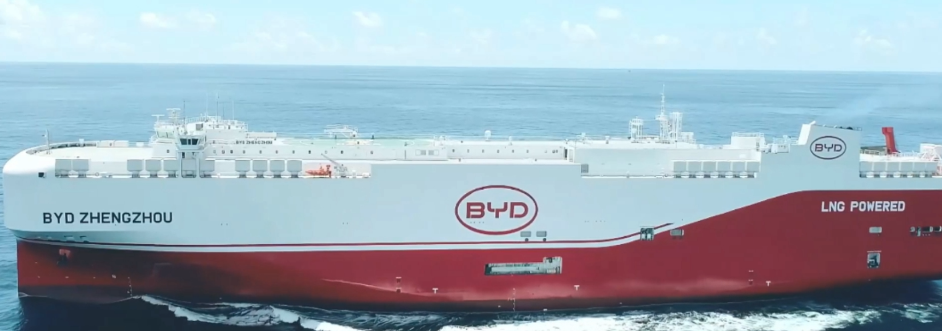
BYD has taken the lead in expanding into the shipping industry and invested in building a dedicated fleet of roll on/roll off vehicles. Multiple vessels have now been put into operation and possess strong overseas vehicle transportation capabilities. Even if the return journey is empty, we still insist on independent shipping to ensure stable delivery time of vehicles. This new ship's maiden voyage to Australia also provides a solid guarantee for sufficient supply to the local market. In addition, many car companies such as SAIC, Chery, and Geely have established their own ocean shipping fleets, and the scale of independent sea transportation continues to expand.
Rise of Shipbuilding and Control of the Pattern
While car companies are building their own fleets, China's shipbuilding industry is becoming increasingly strong in the field of automotive transport ships. In the next few years, over 70% of the global planned roll on/roll off ships for automobiles will be undertaken by domestic shipyards. Renowned domestic shipyards have sufficient order schedules, and overseas orders account for a high proportion. The shipbuilding industry is firmly at the forefront of the world. Keywords: Engineering Construction, Construction News, Engineering Information
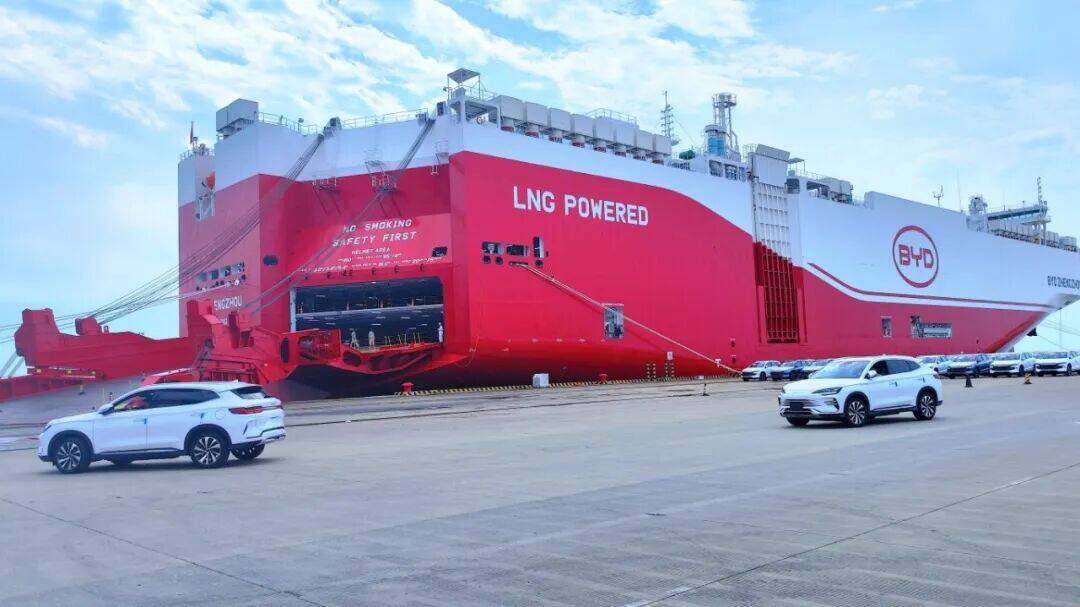
Nowadays, domestic cars are setting sail to the sea, coupled with strong local shipbuilding capabilities. Chinese car companies are gradually rewriting the global automotive foreign trade transportation industry pattern by improving their overseas layout, firmly grasping the discourse power of overseas trade development.Editor/Gong Ziwei
Comment




 Praise
 Collect
 Comment

 Share
Share


Write something~