 Search


- 16 billion US dollars! Kazakhstan plans to build six new thermal power plants to address the power shortage crisis. Prioritizing energy
- 8 trillion tenge will be invested in "clean coal" technology, and old power plants will be renovated simultaneously
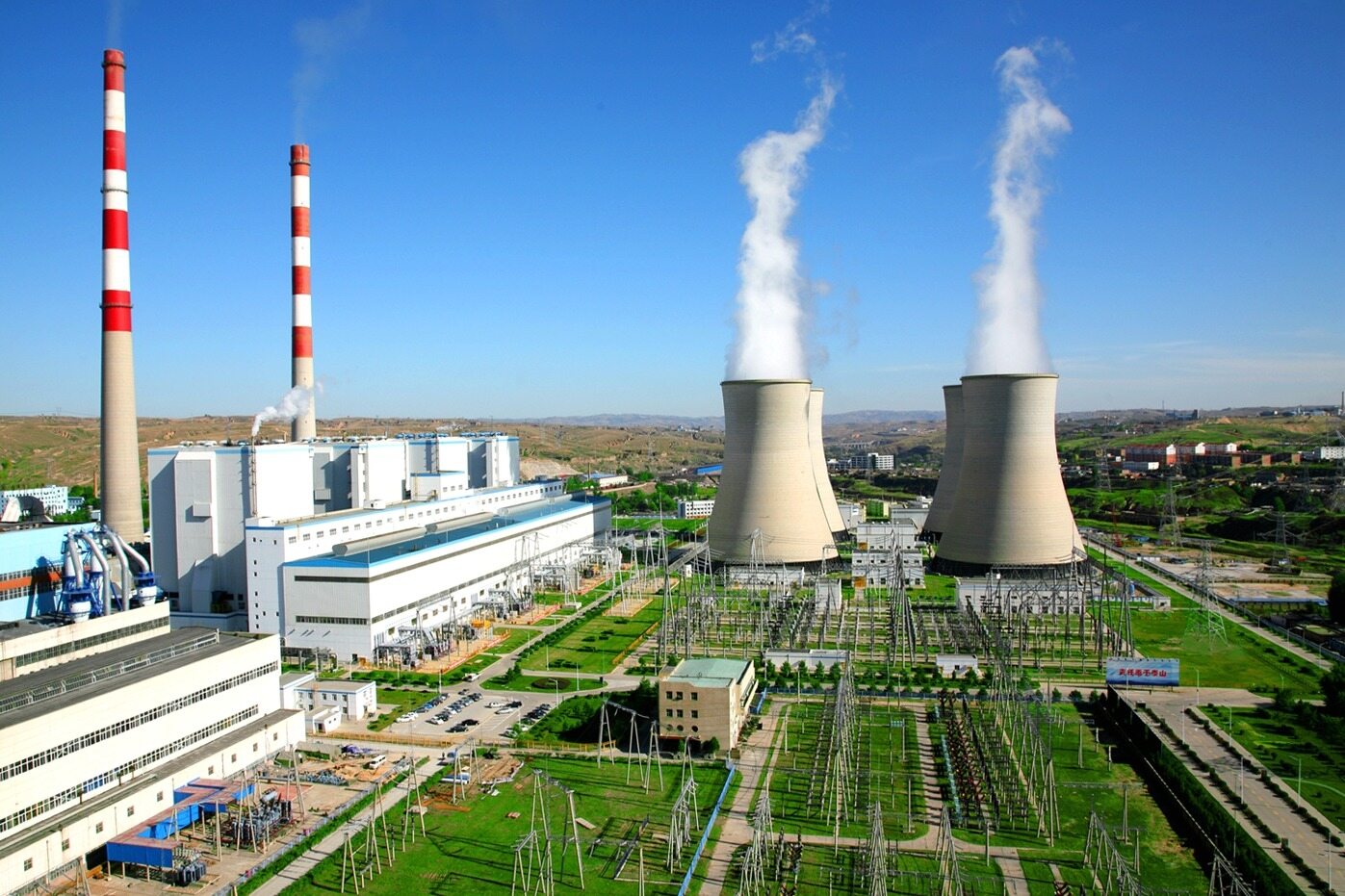
In 2026, the largest energy country in Central Asia is standing at a crossroads. Faced with the increasingly severe power shortage problem, the Kazakh government plans to invest over 8 trillion tenge (approximately 16 billion US dollars) in the next five years to build large-scale thermal power plants in six regions, while modernizing existing coal-fired power plants. This ambitious national energy project is not only an urgent response to the current power shortage crisis, but also reflects the country's deep game between energy security and carbon neutrality goals.
The 'hard solution' to address power shortages
According to the plan announced by the Ministry of Energy of Kazakhstan, six new thermal power plants will be located in Ekibastuz GRES-3, Kurchatov city, Kokshetau, Semey, Rezkazgan, and Ust Kamenogorsk. In addition to the construction of new power plants, the government also plans to renovate existing coal-fired power plants, including facilities such as Ekibastuz GRES-2 located in Aksu City, Pavlodar Oblast.
The implementation cost of this industry development concept is estimated to exceed 8 trillion tenge, aimed at addressing energy shortages and achieving deep modernization of the national power system. Energy Minister Yellan Akhenanov stated during the discussion of the plan that it is a balanced solution that covers multiple dimensions such as attracting investment, developing fuel and logistics infrastructure, and strengthening human resources.
Seeking a balance between environment and energy
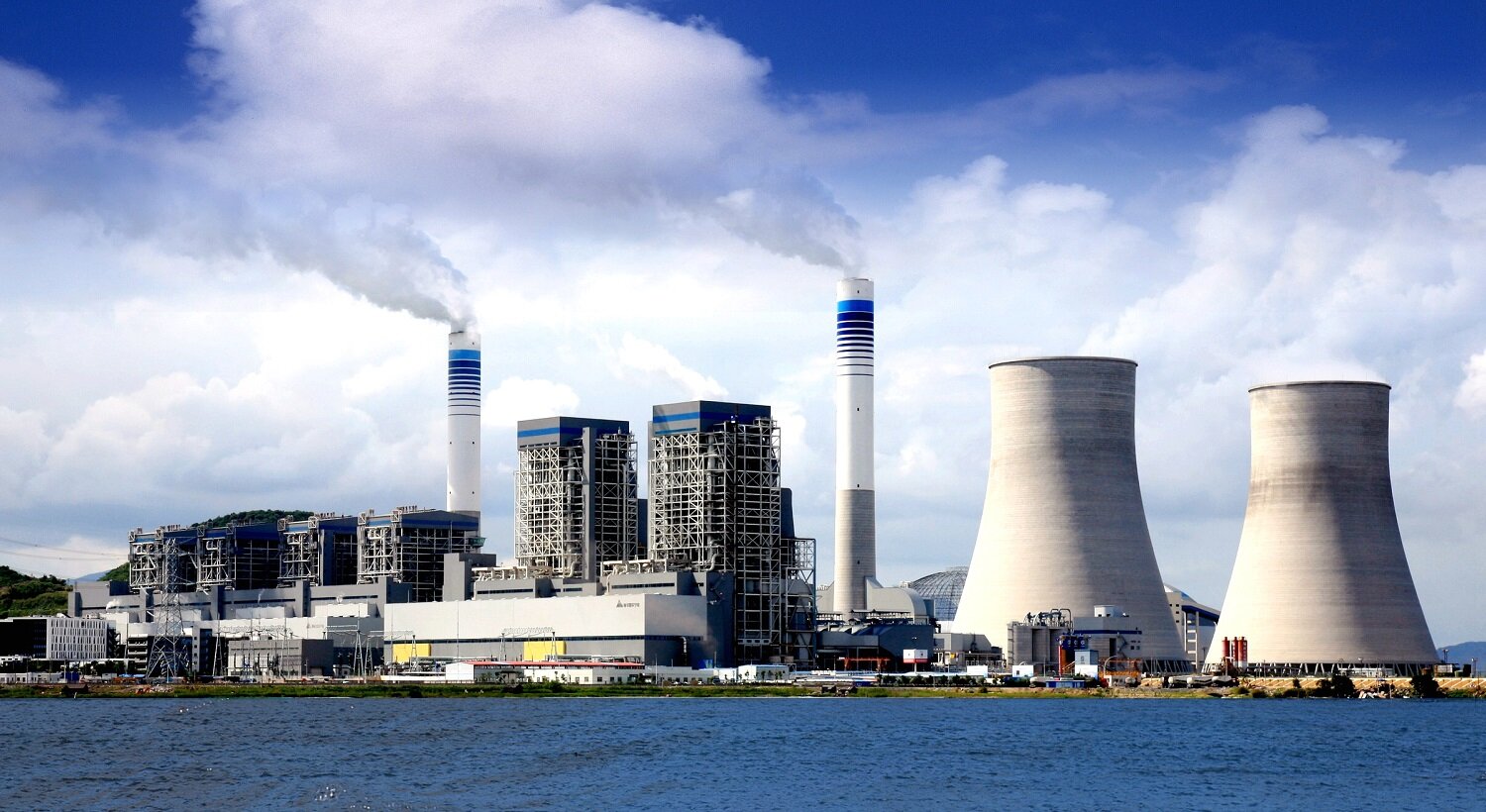
The project pays special attention to advanced technology facilities based on "clean coal". Akhenanov emphasized, "Our task is to replace outdated equipment with modern power units that are efficient and have minimal emissions in stages. We intend to maintain a strict balance between environmental needs and energy security
The relevant department report states that the new project will adopt an investor bidding mechanism and update existing facilities through investment agreements with the department. The Ministry of Energy stated in a statement that these tools aim to ensure transparency in the implementation process and maintain expected electricity prices under long-term contracts while ensuring investment returns.
$16 billion thermal power investment and 2060 carbon neutrality target
Looking back at 2023, Kazakhstan adopted the "Strategy for Achieving Carbon Neutrality until 2060". The document stipulates a phased and sustainable reduction of greenhouse gas emissions, and the national net emissions should be reduced from 345.8 million tons of carbon dioxide equivalent in 2023 to zero by 2060. This transformation strategy includes abandoning high carbon intensive energy and deeply restructuring the economy, with a focus on developing "green" technologies.
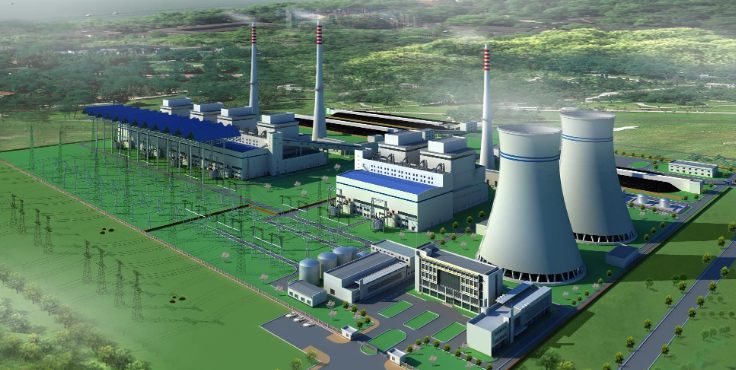
However, the new coal-fired power generation projects have created significant tension with this long-term goal. The construction of new thermal power plants may actually be gradually phased out after about 30 years of start-up, and the service life of most existing Kazakh thermal power plants has far exceeded this number, indicating that the safety margin set at the time of construction was quite high.
Observers have pointed out that while neighboring countries are rapidly investing in new energy production capacity, the government of Kazakhstan seems to be trying to revive coal-fired power generation, moving from one extreme to another. Is the $16 billion investment in thermal power a necessary measure to ensure energy security, or a strategic mistake that goes against the global trend of carbon neutrality? The answer to this question may not be revealed until the day these power plants are truly put into operation. Editor/Gao Xue
Comment


 Praise
 Collect
 Comment

 Share
Share


Write something~