 Search


- At the SCO Think Tank Forum, Ukrainian experts warn that high logistics costs in Central Asia are weakening competitiveness

In early summer in Bishkek, at the venue of the Shanghai Cooperation Organization member state think tank forum, Azamat Toshev, Minister of the Economic Department of the Uzbekistan Central Asia International Research Institute, opened a Central Asian transportation map and pointed to the dense border lines and the missing inland hinterland of the sea outlet. He said solemnly, "We are a dual landlocked country. If the roads are blocked, the goods will be expensive, and if they are expensive, there will be no competitiveness." This special report on transportation and digital connectivity and economic integration quickly focused the attention of scholars from many countries present on a consensus - transportation and digital connectivity have become the lifeblood of sustainable growth and regional competitiveness in Central Asia.
Trade ledger of landlocked countries
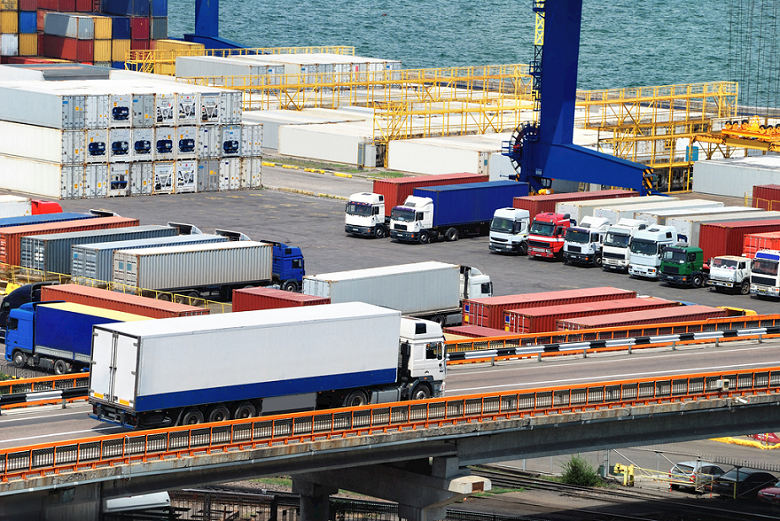
For Uzbekistan, opening up diversified transportation routes and reducing logistics costs is not only an economic issue, but also a national strategy. Toshev listed Uzbekistan's foreign trade data for 2025: the total foreign trade volume for the year reached 81 billion US dollars, with the main trading partners being member states of the Shanghai Cooperation Organization - China at 17 billion US dollars, Russia at 13 billion US dollars, Kazakhstan at about 5 billion US dollars, and trade with Kyrgyzstan also significantly increased. Behind these numbers, it reflects the reality of Uzbekistan's deep dependence on interconnectivity within the SCO framework.
Profit consumed by high shipping costs
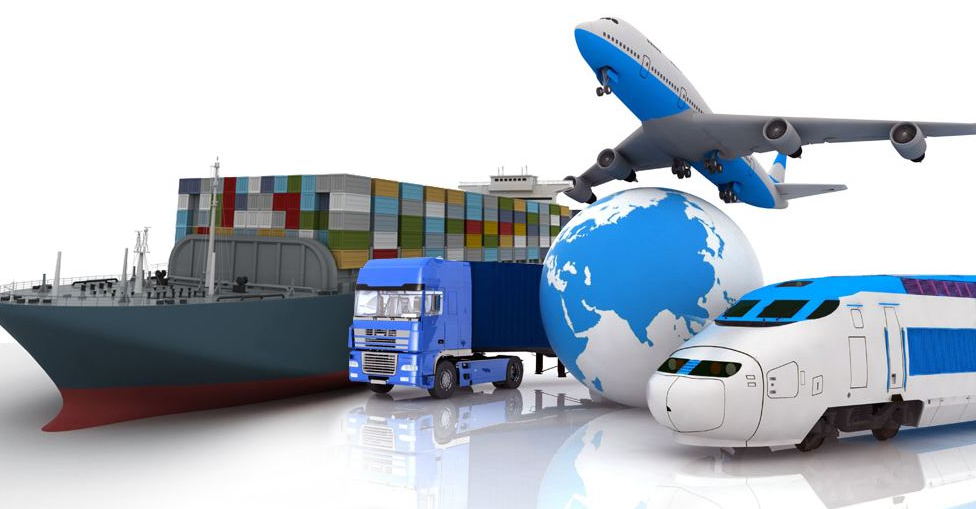
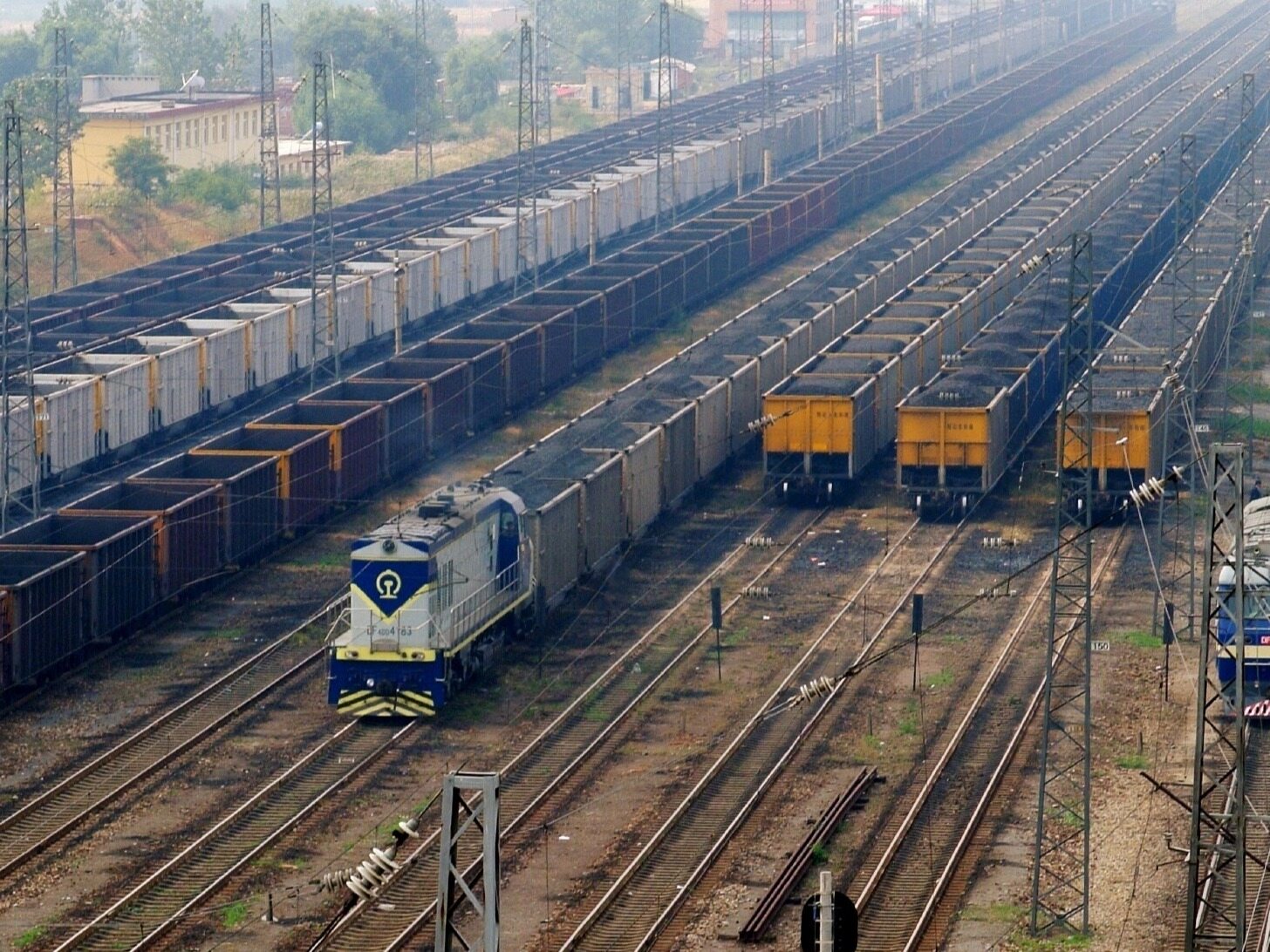
The report directly points out the existing structural barriers in Central Asia: the transportation cost of goods in the region far exceeds the world average, and transportation costs account for up to 50% of the final price of goods, seriously constraining economic growth potential. In contrast, in countries with mature modern logistics systems, this proportion is usually less than 10%. Toshev emphasized that if this situation cannot be reversed, Central Asian products will gradually lose ground in the international market due to implicit logistics taxes.
Three channels change the game
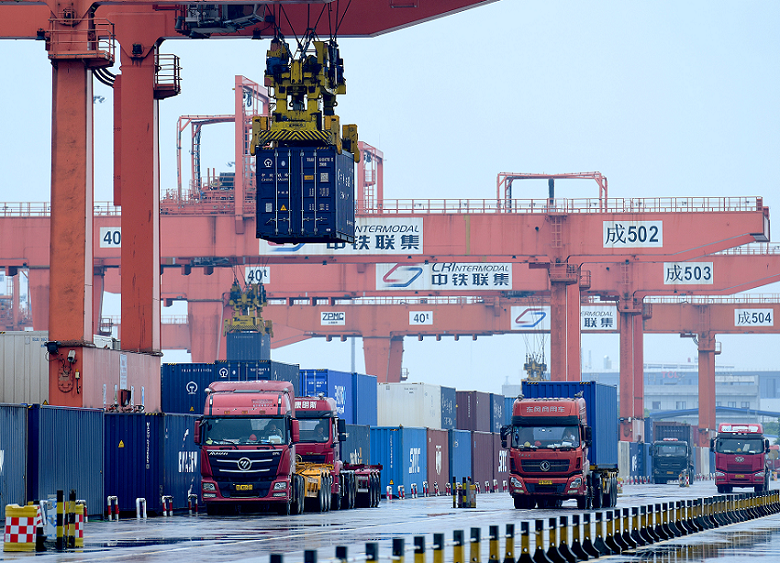
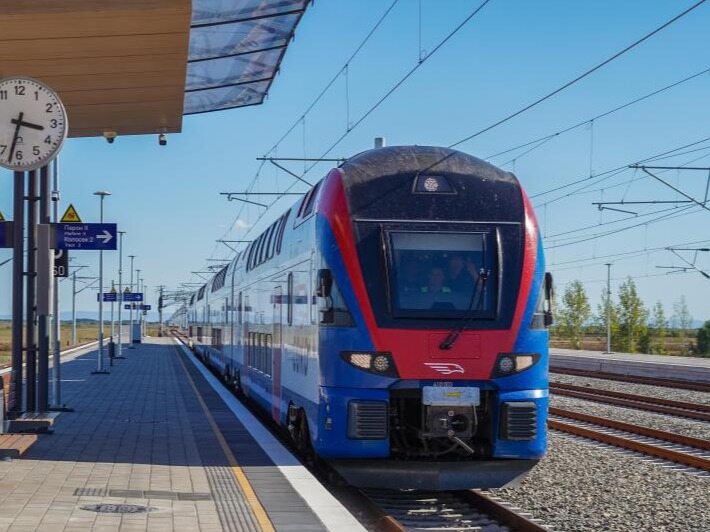
To break through the deadlock, Toshev clearly proposed three priority infrastructure projects: the construction of the China Kyrgyzstan Uzbekistan Railway, the development of the Trans Afghan Transport Corridor, and the expansion of the Trans Caspian Sea route. He specifically pointed out that after the completion of the China Kyrgyzstan Uzbekistan Railway, the annual freight volume can reach 15 million tons, and the logistics distance will be shortened by about 900 kilometers compared to the existing route, which will greatly enhance the interconnection of the overall space of the Shanghai Cooperation Organization and be a key step in solving the Central Asian land lock dilemma. At the same time, he also called for simultaneous promotion of digitalization of transport processes, paperless trade, standard docking and simplification of customs procedures, so that hardware channels and software rules can be upgraded synchronously, and truly serve regional integration under the framework of jointly building the the Belt and Road.
At the end of the forum, Toshiv called on the think tanks of the Shanghai Cooperation Organization countries to promote the transition from declaration to action, eliminate infrastructure and institutional barriers in the region - after all, the moment the steel track is laid down, Central Asia can truly move from a land lock to a land union.Editor/Yang Meiling
Comment



 Praise
 Collect
 Comment

 Share
Share


Write something~