 Search


- Beijing-Xinjiang Expressway G7 opened to traffic, and Xinjiang's connection with the capital will be closer
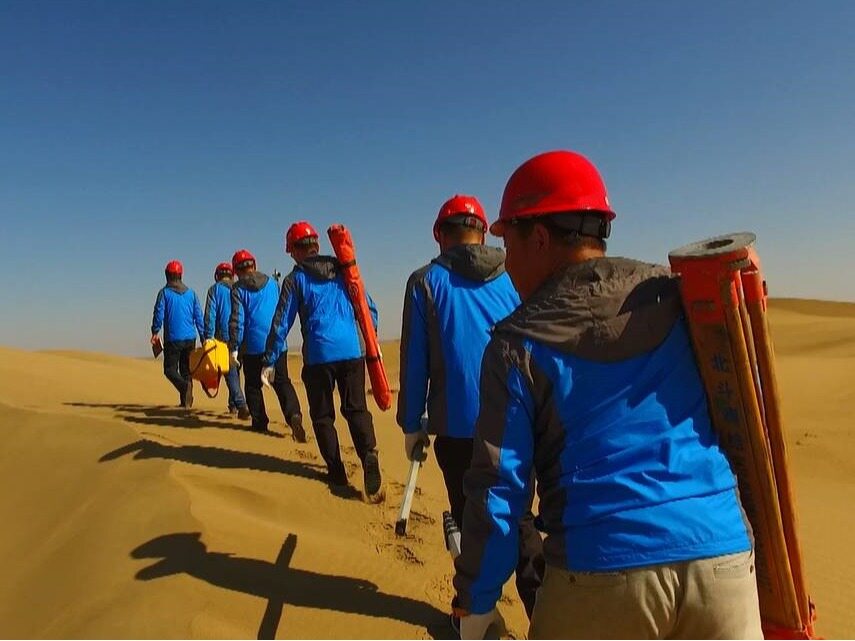
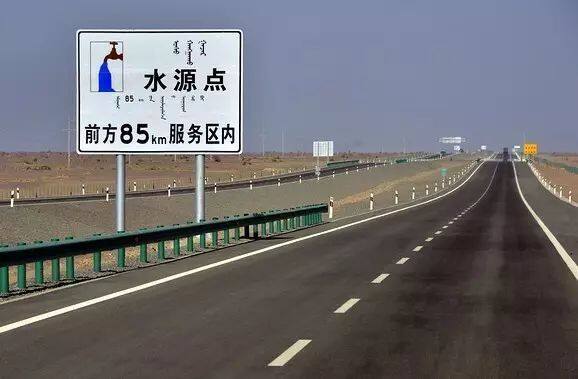
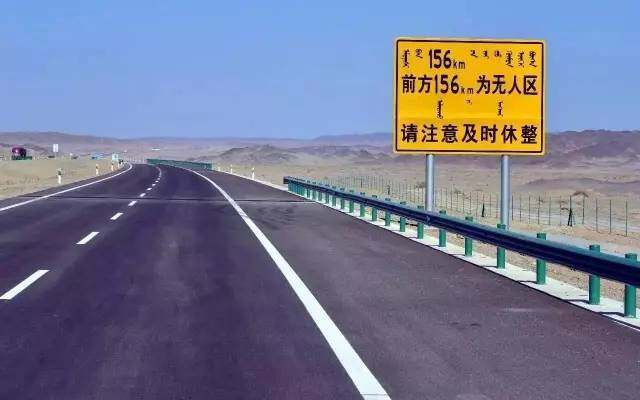
On June 30, 2021, the Wutong Daquan-Mulei section of the Beijing-Xinjiang Expressway, which was invested and constructed by China Railway Construction Investment Group and China Railway 22nd Bureau Group, was completed and opened to traffic. It is understood that this is the longest highway in the world that crosses the desert and Gobi, and it is also China's second major highway in and out of Xinjiang—the Jingxin Expressway (G7) runs through.
The world's longest desert highway
The section from Wutong Daquan to Mulei, which is nearly 515 kilometers long, is located in the eastern section of the northern foot of Tianshan Mountain. It has a design speed of 120 kilometers per hour and four lanes in both directions. It is known as the last kilometer of the Jingxin Expressway. After this section is completed, vehicles from the northern Xinjiang region do not need to detour around Urumqi when leaving Xinjiang. At the same time, it will shorten the mileage of the road from Beijing to Urumqi, Xinjiang by more than 1,300 kilometers compared to the existing road.
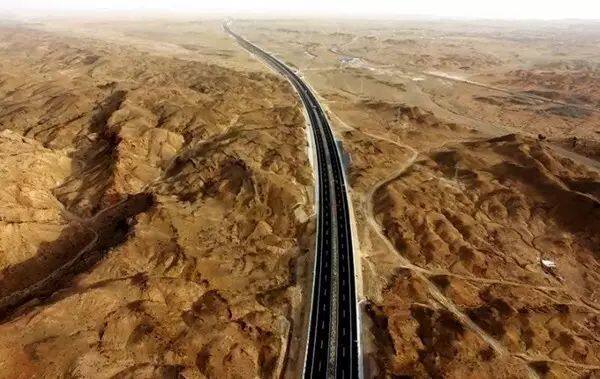
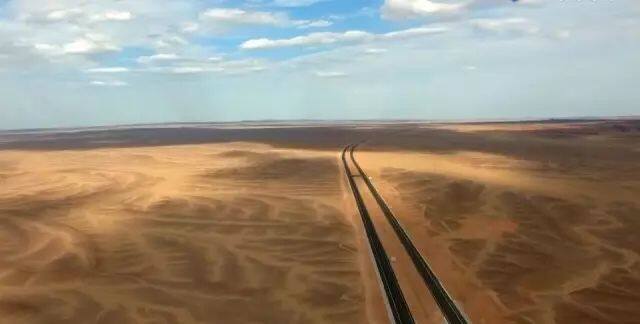
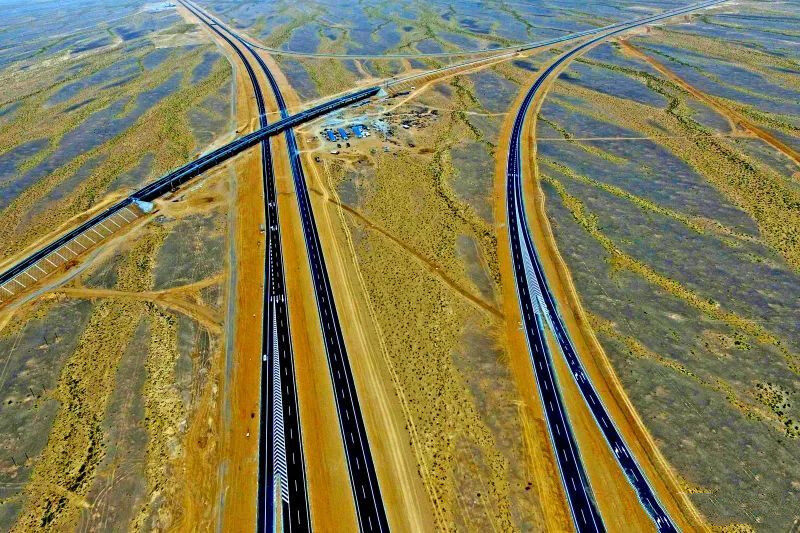
Gao Fei, project manager of Beijing-Xinjiang Expressway of the Fourth Company of China Railway 22nd Bureau Group, introduced that as the world’s longest expressway through the desert and Gobi, the Jingxin Expressway (G7) passes through Beijing, Hebei, Shanxi, Inner Mongolia, Gansu, and Xinjiang. The 6 provinces and regions are the most convenient channel connecting Northeast, North China and Northwest.
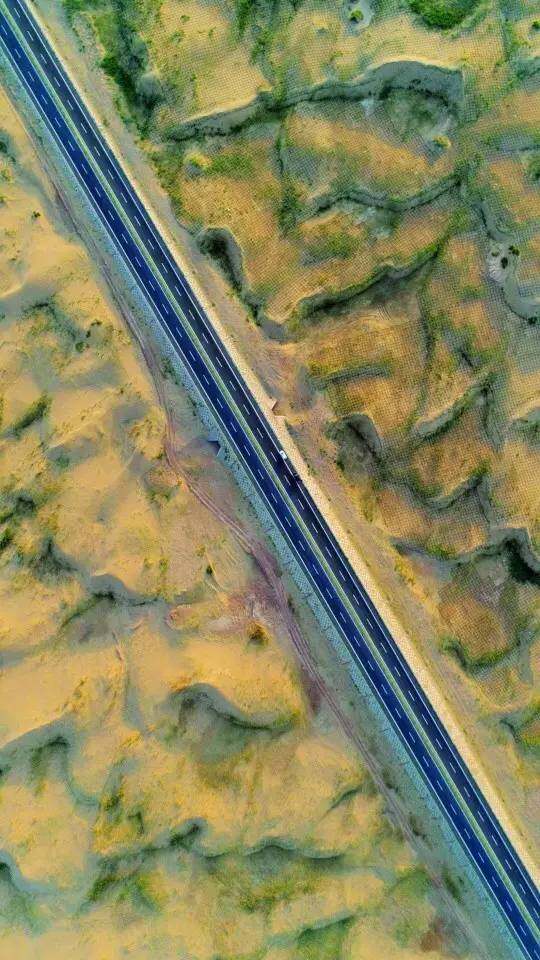
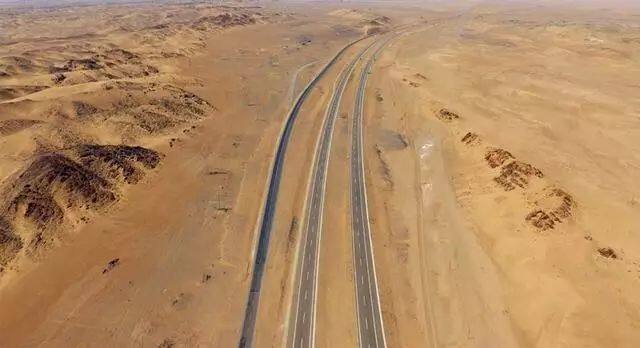
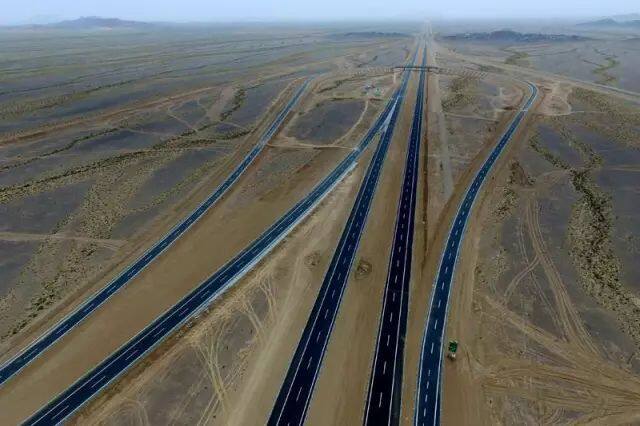
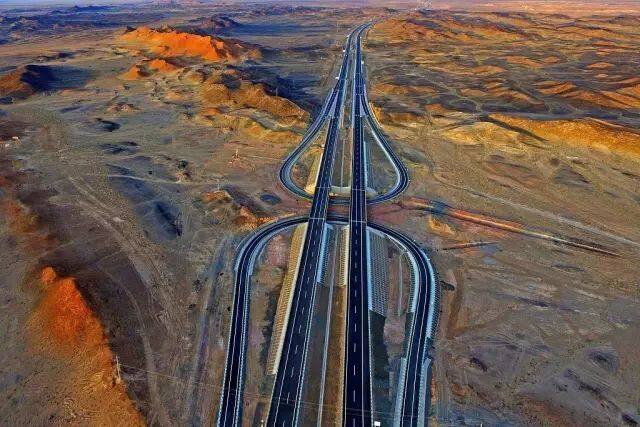
Gao Fei said that the reason why the Jingxin Expressway has been spread is the heavenly road and the reputation of standing as a monument is because it crosses the vast desert and Gobi and is extremely difficult to construct. It is another representative of China with typical difficult regional characteristics after the Qinghai-Tibet Railway. Sex engineering.
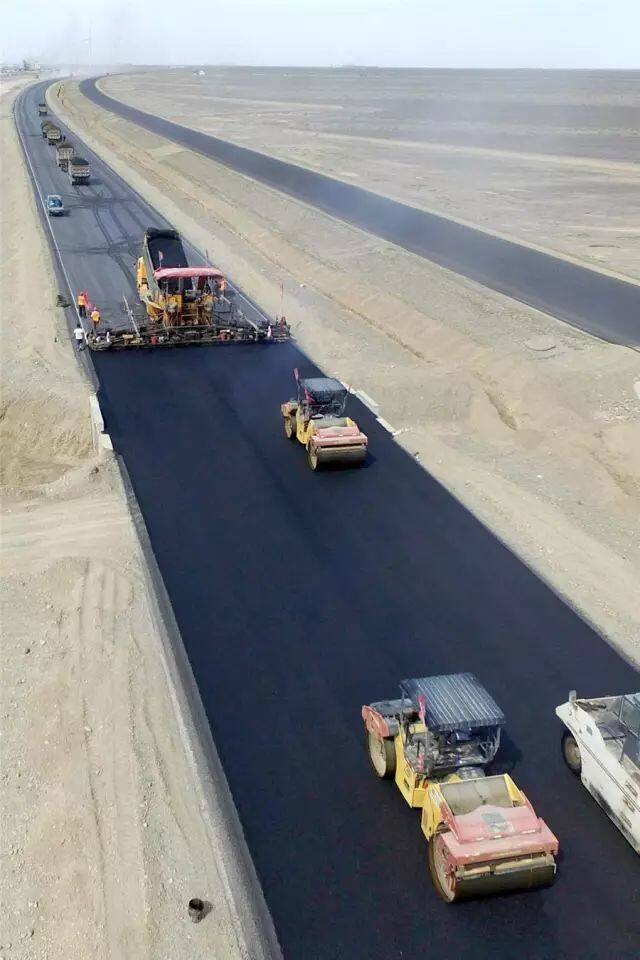
According to the China Railway 22nd Bureau, in the face of frequent sandstorms and large temperature differences between day and night, the construction project department has overcome the problem of saline soil, created unique techniques such as laying geomembrane, and solved the filling of 30.5 kilometers of saline soil. Construction problems. In addition, according to Xinjiang’s unique climate, they made rational use of the terrain and set up wind-blown snow platforms on the necessary road sections, which effectively reduced the snow accumulation on the line and ensured the safety of vehicles. Editor/He Yuting
Comment


 Praise
 Collect
 Comment

 Share
Share


Write something~