 Search


- The main line of the West Ten High-speed Railway is 255.7 kilometers in length, with a speed of 350 kilometers per hour
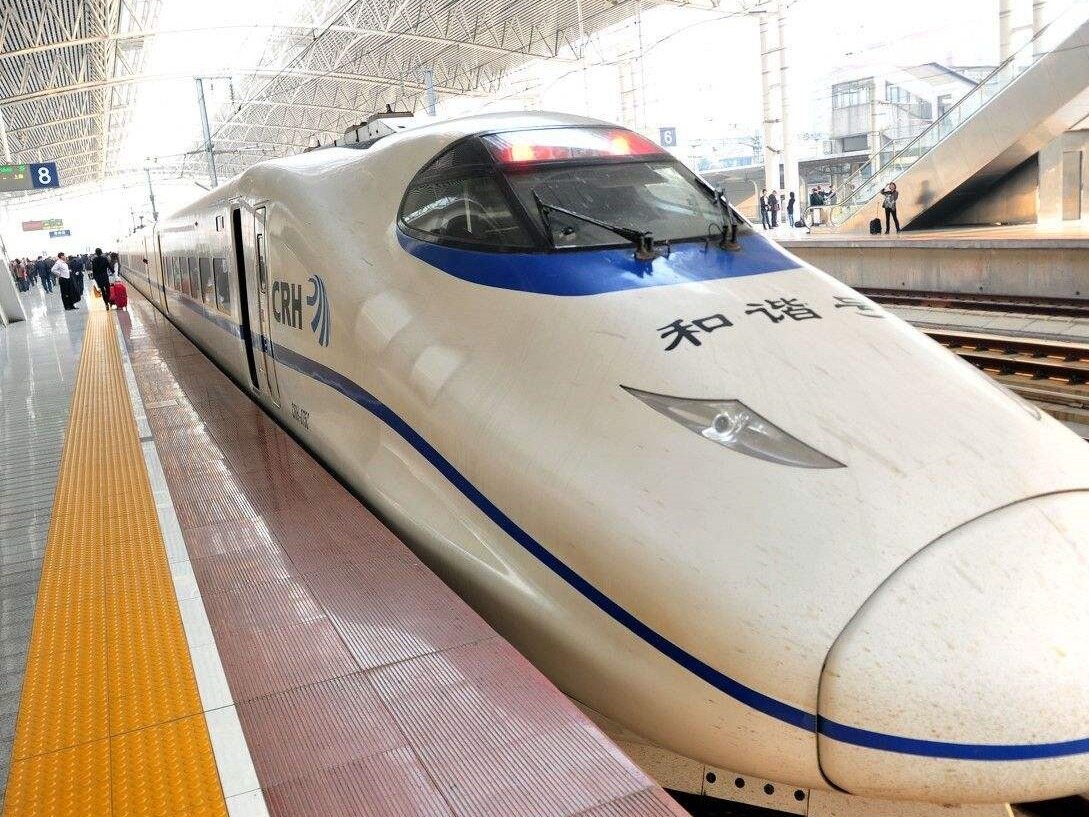
On December 27, 2021, the Shaanxi section of the Xi'an-Shiyan high-speed railway officially started construction. According to reports, the construction of the Hubei section of the West Ten High-speed Railway has begun. The start of the Shaanxi section of the West Ten High-speed Railway marks the start of the construction of the entire West Ten High-speed Railway.
West Ten High Speed Rail
It is understood that the West Ten High-speed Railway is an important part of the main framework of the national comprehensive three-dimensional transportation network and medium- and long-term railway network planning. Six stations will be newly built across the line, Xi'an East Station, Lantian Station, Shangluo West Station, Shanyang Station, Manchuanguan Station and Yunxi Station. The main line is 255.7 kilometers in length, with a design speed of 350 kilometers per hour and a planned construction period of 4.5 years.
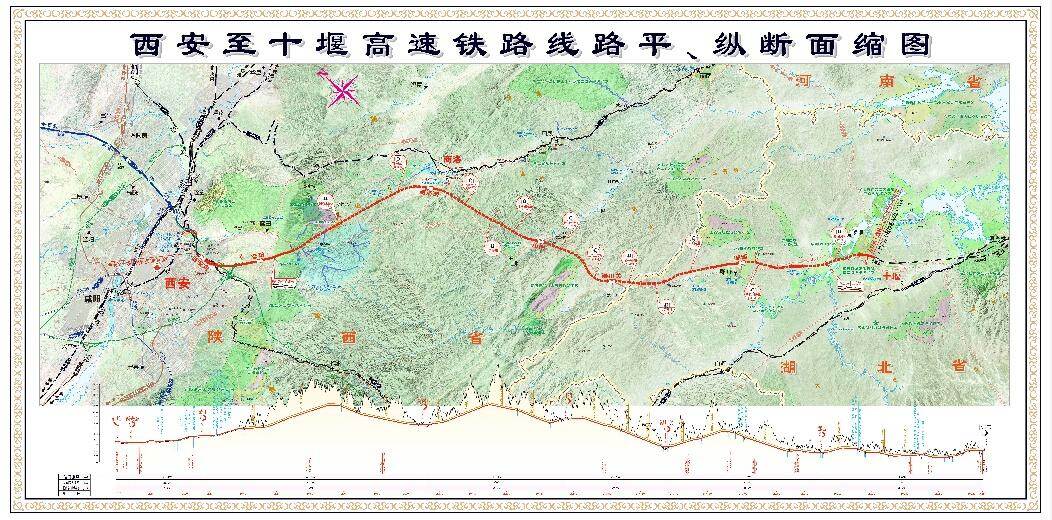
The Shaanxi section of the West Ten High-speed Railway has a total length of 169 kilometers, 15.5 tunnels of 124.42 kilometers, 30 bridges of 31.9 kilometers, and a bridge-to-tunnel ratio of 92.5%. Except for the Qinling Mabaishan Tunnel and the Xiling Tunnel which are double-hole single-track tunnels, the other tunnels are of single-hole double-track design. Among them, the Qinling Mabaishan Tunnel is 22.919 kilometers long, which is the longest tunnel on the entire line and the longest double-hole single-track high-speed railway tunnel in China. It is a key control project on the entire line.
It is reported that the West Ten High-speed Railway is an important part of Shaanxi's m-shaped high-speed rail network. The start of construction this time also marks that Shaanxi's m-shaped high-speed rail network has entered a new period of decisive victory. In the future, when the West Ten High-speed Railway is completed and opened to traffic, Xi'an to Shiyan will arrive within one hour, and Xi'an to Wuhan will be shortened to 2.5 hours. By then, China's high-speed railway network will be further improved, and the links between the Guanzhong urban agglomeration and the urban agglomeration in the middle reaches of the Yangtze River will be strengthened to help the rural revitalization of the Qinba mountainous area. Editor/He Yuting
Comment

 Praise
 Collect
 Comment

 Share
Share


Write something~