 Search


- Comprehensive acceleration of transportation infrastructure by 2026, weaving a dense three-dimensional transportation network
- The Pinglu Canal and backbone high-speed railway are accelerating their construction
Guided by the strategy of building a strong transportation country, China has seized the crucial period at the beginning of the 15th Five Year Plan and made every effort to promote the construction of the national comprehensive three-dimensional transportation network. Through breakthroughs in transportation projects and steady investment, China continues to empower high-quality economic and social development.
General Secretary Xi Jinping clearly pointed out that a modern transportation system is an important support for achieving people's mobility and smooth flow of goods, and transportation is the key to rejuvenating the country and the foundation of a strong nation. The country continues to promote the deep integration of transportation networks with urban agglomerations and industrial chains, coordinate the upgrading of trunk roads, rural road networks, and freight systems, fill the gaps in western transportation, and improve the overall transportation layout.
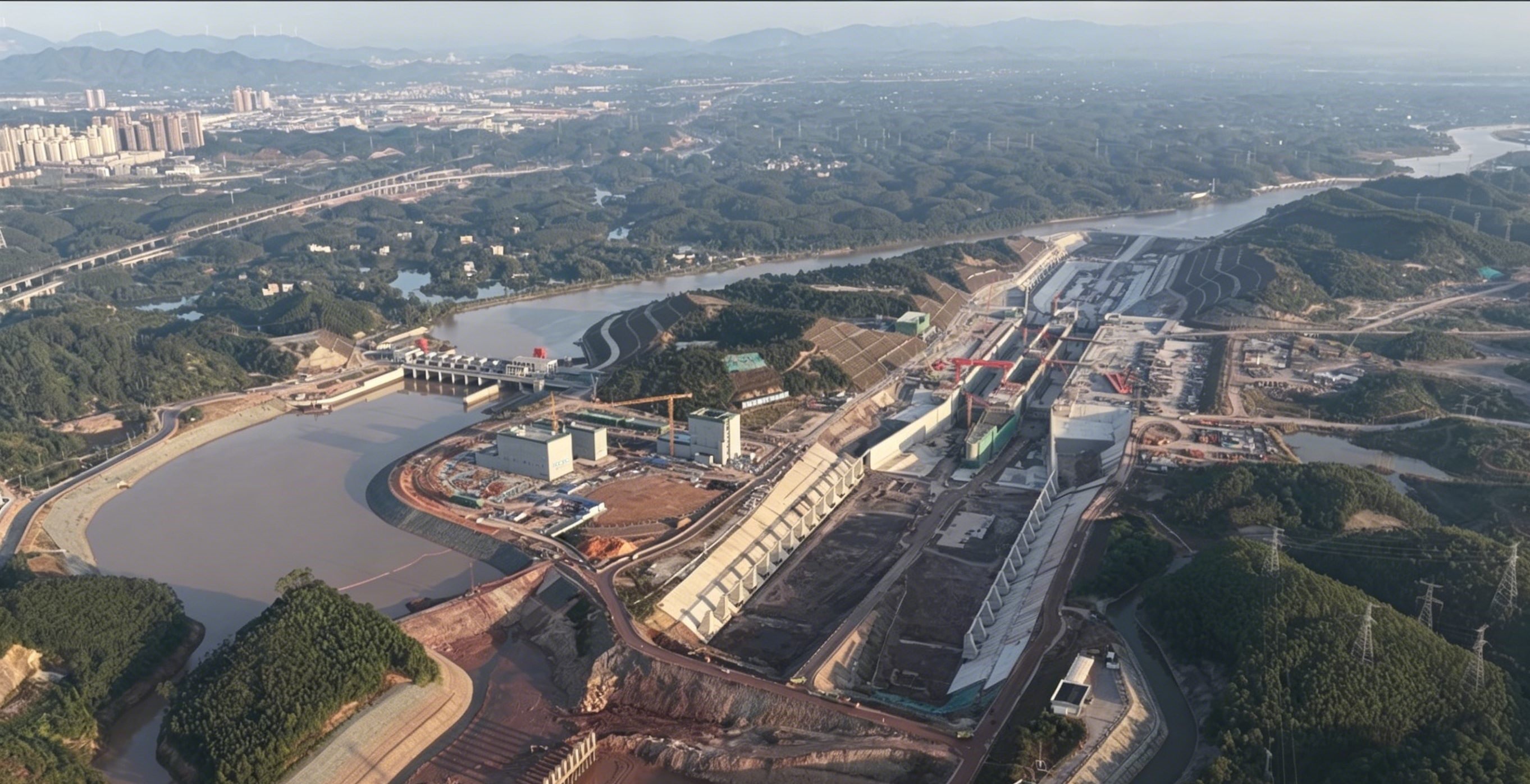
In Guangxi, the backbone project of the Western Land Sea New Corridor, the Pinglu Canal Project, is being accelerated. Qishi Hub and Youth Hub are undergoing waterless debugging work, and construction personnel are conducting multiple rounds of debugging on the hydraulic, mechanical, and electrical systems of the ship lock. It is expected that the Pinglu Canal will be fully navigable by September 2026.
Commander Cheng Yaofei of the Pinglu Canal Construction Command: Currently, the ship lock, waterway, bridge, and ancillary projects have entered the sprint stage. After the completion of navigation, goods will be transported to all directions, and industrial parks along the route will grow on the ground, bringing new opportunities for the development of Guangxi and the southwestern region.
In the beginning of the year, a large number of key transportation projects, represented by the Pinglu Canal, are making breakthroughs in multiple areas.
According to the data of the Ministry of Transport, in the first quarter of 2026, the scale of China's transportation investment will remain at a high level, and the transportation fixed assets investment will be 651.9 billion yuan.
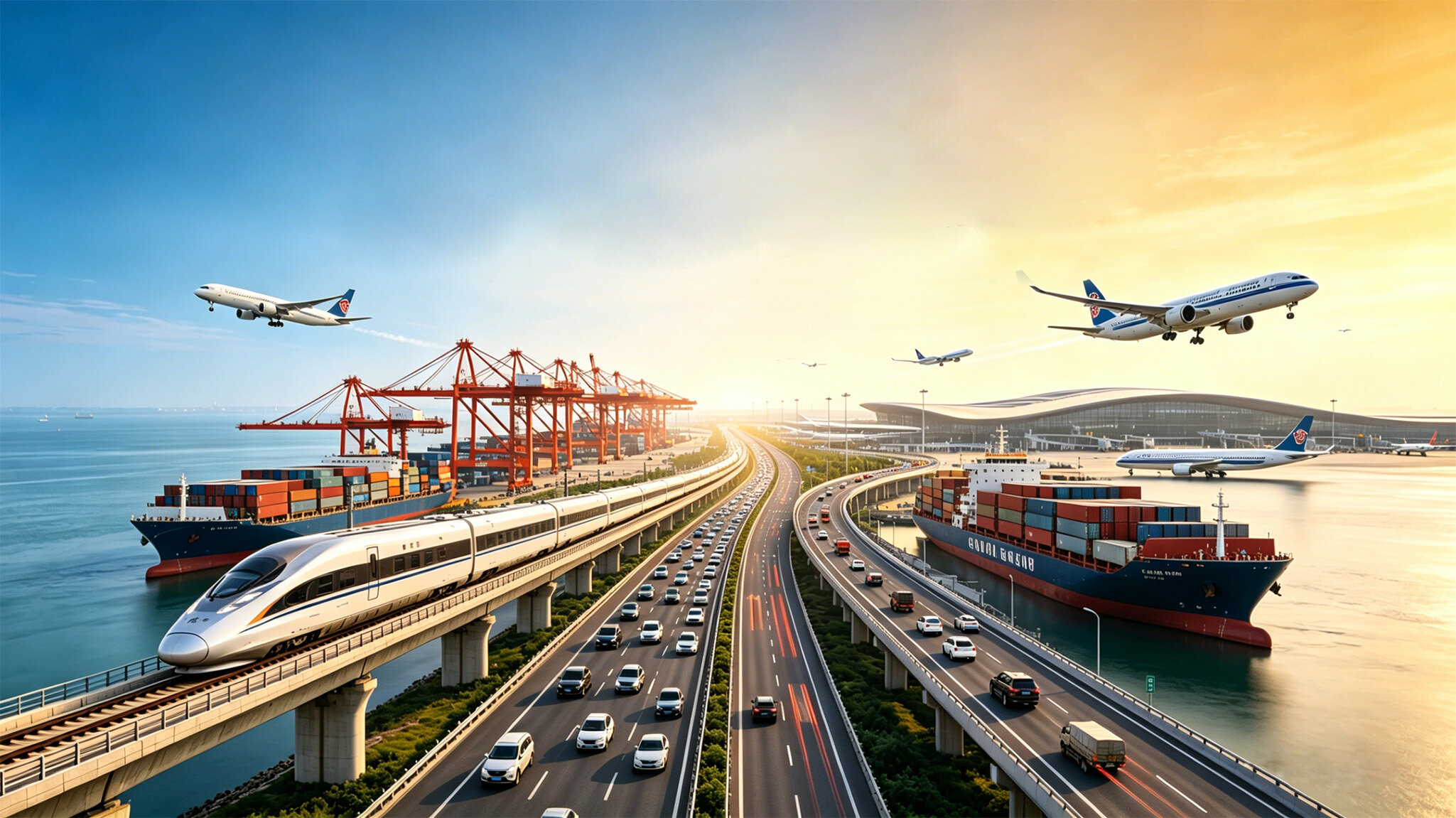
Transportation is the key to rejuvenating the country and the foundation of a strong nation. General Secretary Xi Jinping attaches great importance to the development of transportation industry, personally planning, deploying, and promoting the implementation of the strategy of building a strong transportation country. He endows transportation with the mission of being the pioneer of China's modernization, and puts forward the beautiful vision of people enjoying transportation and goods flowing smoothly. Focusing on the development requirements of the new era, General Secretary Xi Jinping pointed out that it is not only necessary to build rural roads, but also to manage, protect, and operate them well, in order to provide better guarantees for farmers to become prosperous and achieve a moderately prosperous society, and to accelerate the modernization of agriculture and rural areas. He said that the national transportation map is like a painting, with meticulous brushwork in the central, eastern, and northeastern regions of China. The white space in the western region is too large, and we will need to add a few strokes in the future to make the transportation of beautiful China even more beautiful. General Secretary Xi Jinping pointed out that China is accelerating the construction of a strong transportation country and providing new opportunities for the world through its own development.
Xie Yurong, Deputy Director of the Comprehensive Transportation Research Institute of the National Development and Reform Commission: General Secretary Xi Jinping has made a series of strategic deployments for the construction of a strong transportation country, providing fundamental guidance for transportation to move towards world-class level during the 15th Five Year Plan period. During the 15th Five Year Plan period, the high-quality development of transportation and the in-depth expansion of the comprehensive three-dimensional transportation network have provided stronger support for regional coordinated development and improvement of social livelihood.
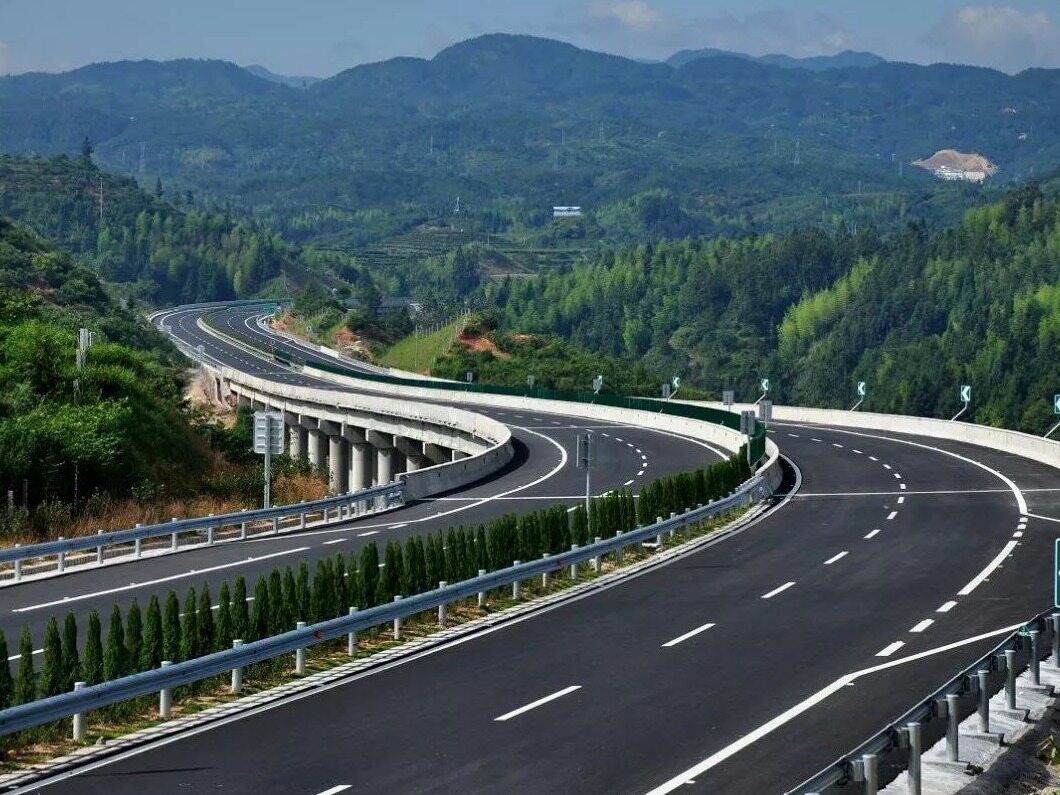
The outline of the 15th Five Year Plan proposes to build a modern infrastructure system and improve the modern comprehensive transportation system. We will basically build the main channels of the Eight Vertical and Eight Horizontal high-speed railways and the national expressway network, promote the upgrading of high-grade inland waterways, basically build world-class port and airport clusters, and promote the upgrading and transformation of conventional railways and ordinary national and provincial roads.
In the beginning of the year, a series of precise and efficient actions are being accelerated to achieve our goals.
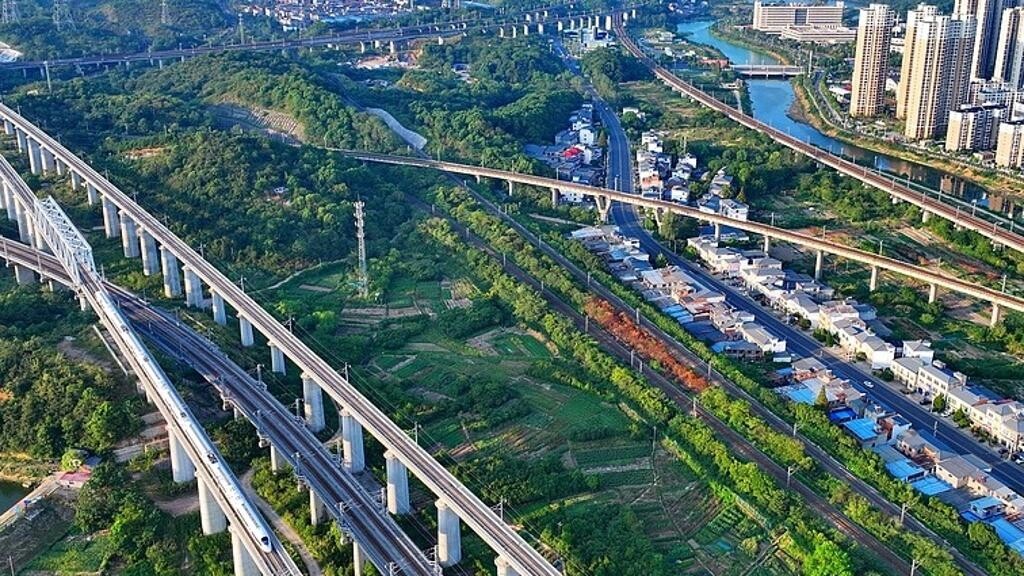
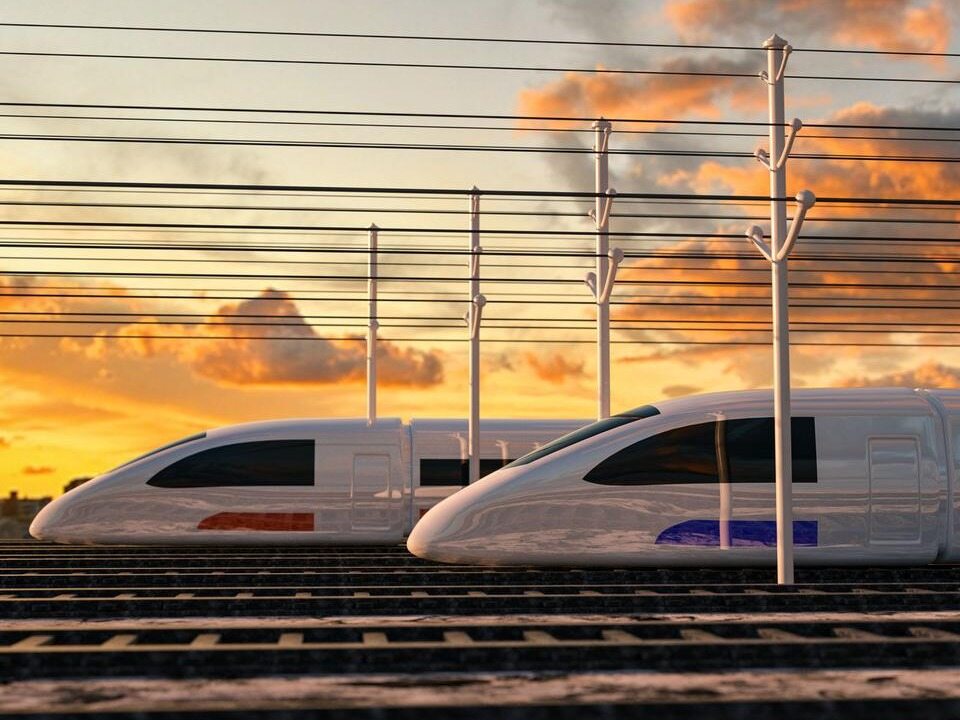
In recent days, the Xiongshang high-speed railway, an important component of the Beijing Hong Kong corridor of the Eight Vertical and Eight Horizontal high-speed railway network, is undergoing joint debugging and testing. Since 2026, the construction of coastal passages from Tianjin to Weifang and Wenzhou to Fuzhou, as well as the Yichang to Changde section of the Hunan Passage, the Xi'an to Chongqing and Yibin to Kunming sections of the Beijing Kunming Passage, has been accelerating.
Guo Chunjiang, Deputy Director of the Project Department of the Development and Reform Department of China Railway Group: As of now, about 84% of the eight vertical and eight horizontal main passages have been completed and put into operation. During the 15th Five Year Plan period, we will strengthen the construction of strategic backbone channels, reduce railway gaps in key western regions, fill in the gaps in conventional speed, develop urban agglomerations and metropolitan rail transit, and create a modern hub system with integrated connections.
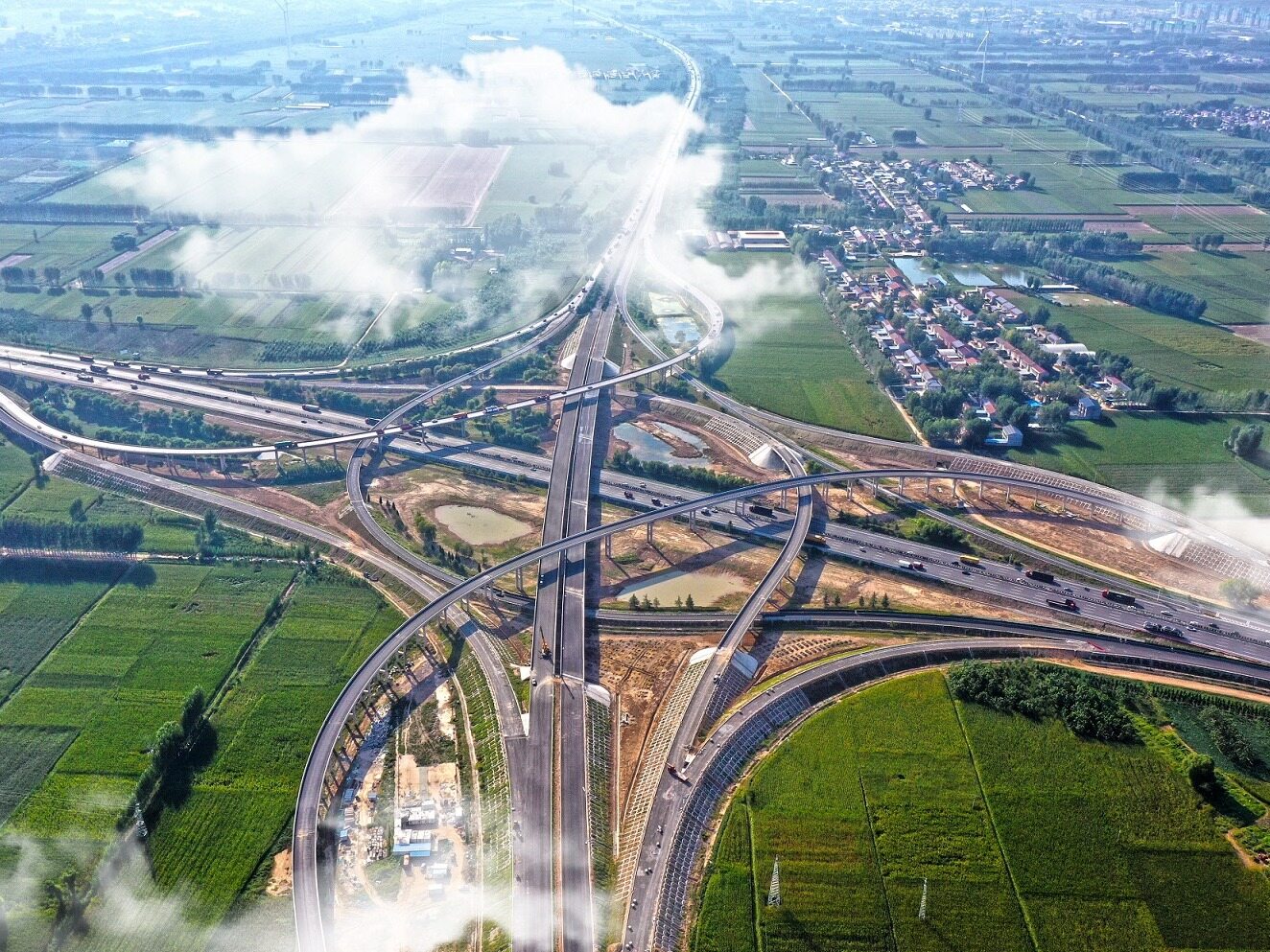
Improve the main framework of the national comprehensive three-dimensional transportation network. A new round of rural road improvement actions is being carried out in various regions. Hunan is promoting the widening and renovation of narrow rural roads, while Sichuan is making every effort to improve the circulation of old roads that have exceeded their service life and have poor road conditions through special rectification.
In addition, new progress has been made in promoting the strengthening of the network and improving the quality of the chain. By the end of 2026, the first urban rail transit line that spans Beijing and Hebei provinces and is constructed and operated uniformly, Beijing Metro Line 22, is expected to have basic opening conditions. The proportion of people in urban areas across the country who have one hour commuting conditions will significantly increase this year.
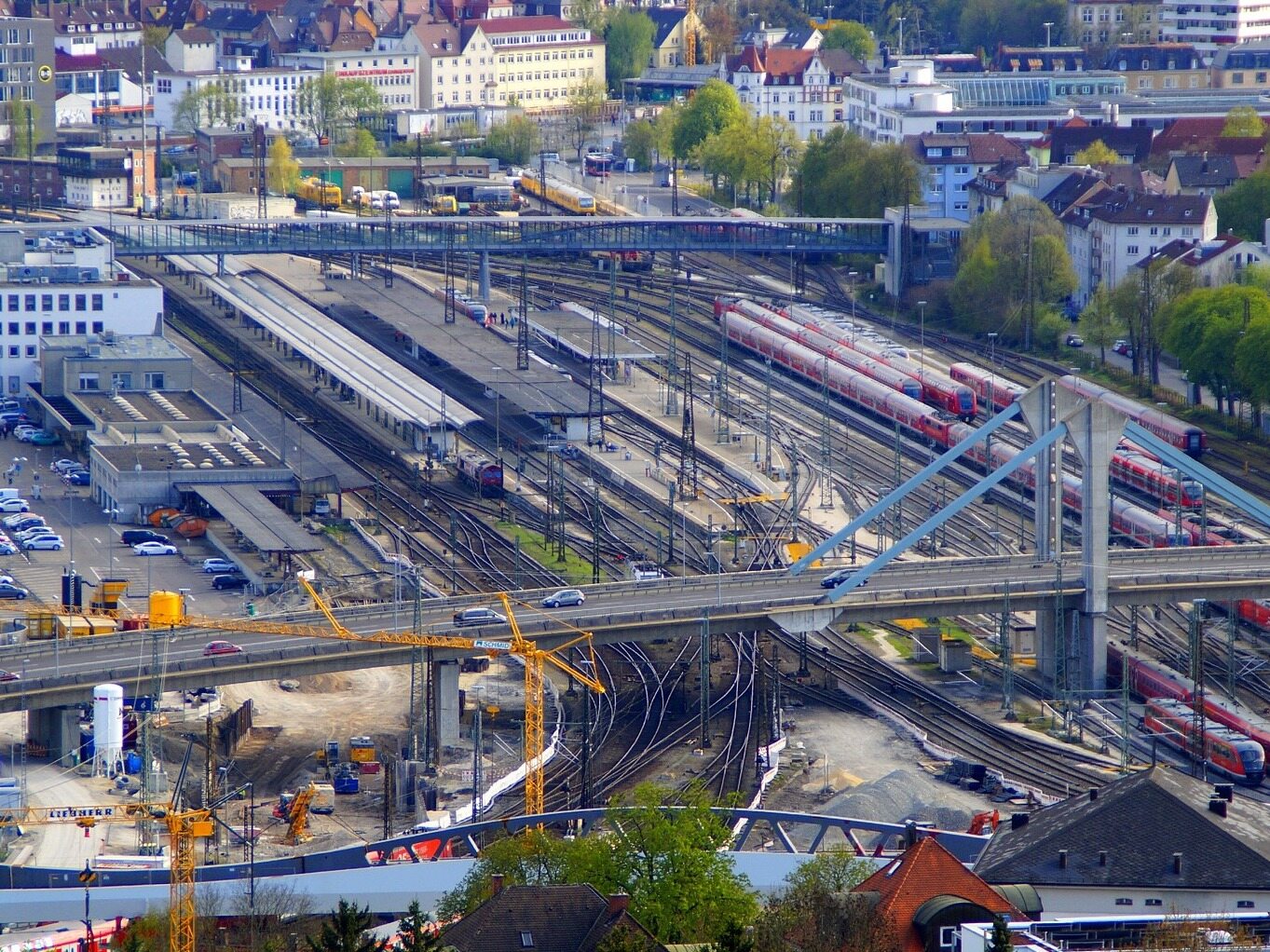
At the same time as the passenger transportation network is formed, the freight channels are also accelerating their formation. Looking at the whole country, multimodal transportation is accelerating: iron rail, road rail, river sea, and air land intermodal transportation are advancing simultaneously. Tianjin Nangang, Jiangsu Taizhou Port, Anhui Tongling Port and other railway dedicated lines are being intensively constructed to open up the last mile for smooth intermodal transportation.
Rong Xuewen, Deputy Director of the Comprehensive Planning Department of the Ministry of Transport: The 15th Five Year Plan period is not only a critical period for strengthening the network and chain, but also a key five-year period for accelerating the construction of a strong transportation country from layout to momentum. The completion rate of the main framework of the national comprehensive three-dimensional transportation network with 6 axes, 7 corridors, and 8 channels will be increased from 90% to over 95%, providing strong support for accelerating the construction of a national 123 travel transportation circle with 1-hour commuting in urban areas, 2-hour accessibility in urban agglomerations, and 3-hour coverage in major cities. Keywords: infrastructure, transportation
In the first year of the 15th Five Year Plan, the grand blueprint of the comprehensive three-dimensional transportation network is transforming into tangible gains for people's livelihoods. As of now, the total mileage of China's comprehensive three-dimensional transportation network has exceeded 6 million kilometers, ranking first in the world. About 30 million small passenger cars pass through highways nationwide every day, about 10 million passengers are transported by high-speed rail, and about 2 million passengers are transported by civil aviation. On average, the country receives about 550 million express deliveries per day. A more smooth and efficient national comprehensive three-dimensional transportation network is accelerating its weaving on the land of China. (This article is from the official website of Jian Dao www.seetao.com. Reproduction without permission is prohibited, otherwise it will be prosecuted. Please indicate Jian Dao website+original link when reprinting.) Jian Dao website's new news column Editor/Wu Zhiqiang
Comment

 Praise
 Collect
 Comment

 Share
Share


Write something~