 Search


- The China-Laos Railway is the first railway in Asia that integrates ecological protection, landscaping and humanistic customs
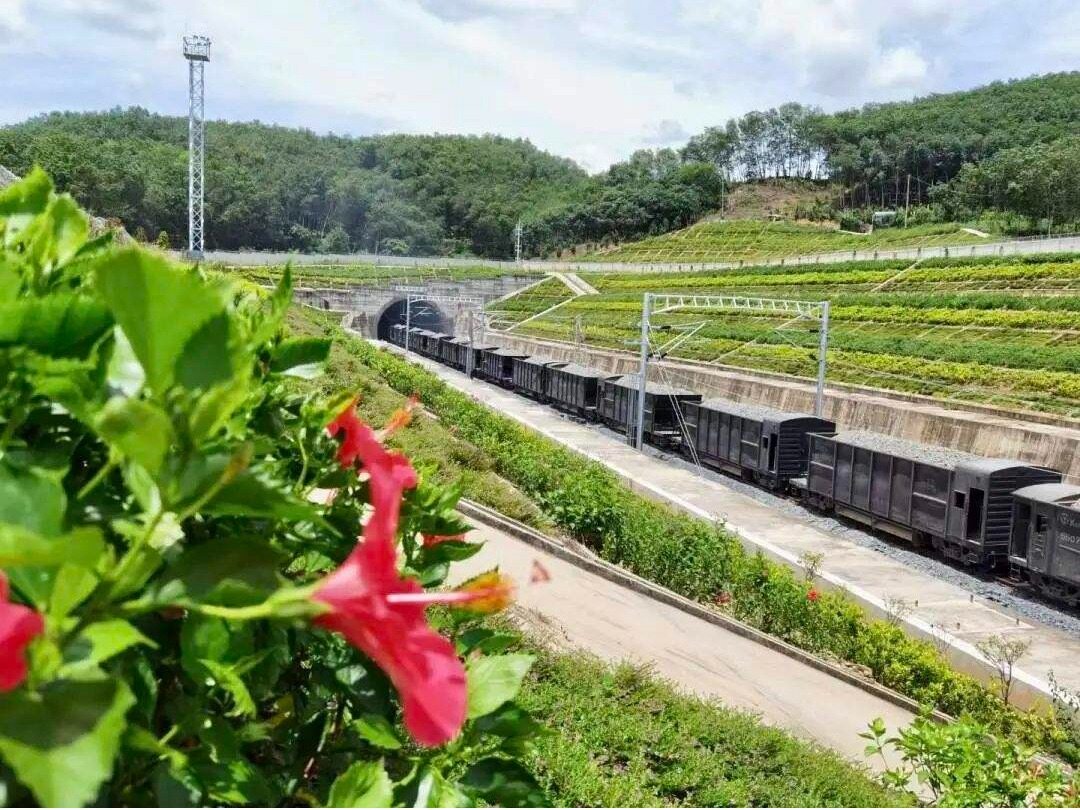
As the first cross-border railway in the world to carry out systematic greening and landscape design across the entire line, under the coordination of China Railway Kunming Railway Bureau Group Corporation and the Southern Yunnan Railway Construction Headquarters, the greening and landscape design project of the Yumo section of the China-Laos Railway has been successfully completed. Walking along the road, the green ecological promenade that moves with the car shows a beautiful appearance.
new idea
According to Gong Qingwu, Secretary of the Party Branch and Chief Engineer of the Yumo Railway Project Department of China Railway Second Academy, the ecological environment along the China-Laos Railway is diverse, and environmentally sensitive areas are densely distributed, including world natural and cultural heritage, national parks, nature reserves, and scenic spots. Wait.
In line with the design principles of respecting nature, conforming to nature, and building an ecological railway, China Railway Second Institute implements environmental protection into every design process and every professional project, promotes the coordination and unity of economic development and ecological protection along the line, and realizes railway engineering and Harmony with the natural environment.
During the project route selection, the designers fully implement the concept of environmental protection route selection, and use high-tech means such as geographic information systems to carry out large-area and all-round environmental protection route selection work. The recommended route plan avoids most sensitive areas along the route. Actions practice the idea of ecological civilization.
In sparsely populated areas, designers took the lead in using the concept of artificially guided natural vegetation restoration to carry out greening engineering design, so as to achieve the natural state of green water and green mountains after construction. For example, make full use of the principles of ecology and the law of vegetation succession, guide the natural vegetation to succeed and grow naturally, reduce human management, and let the power of nature play its due role with the least human intervention; Conduct research and analysis on the natural and ecological environment, cleverly use and guide natural factors such as wind, light, rain, and heat to promote plant growth and development; for the wasteland under bridges in mountainous areas, with the help of natural wind and the spread of birds and beasts, pioneer species in natural vegetation are introduced. Achieve ecological restoration of engineering wounds... These measures not only save engineering investment, but also avoid the simplification of plant species and the introduction of ecological invasive species, maintain regional biodiversity, and make greening projects more harmonious with the natural environment.
One stop, one scene
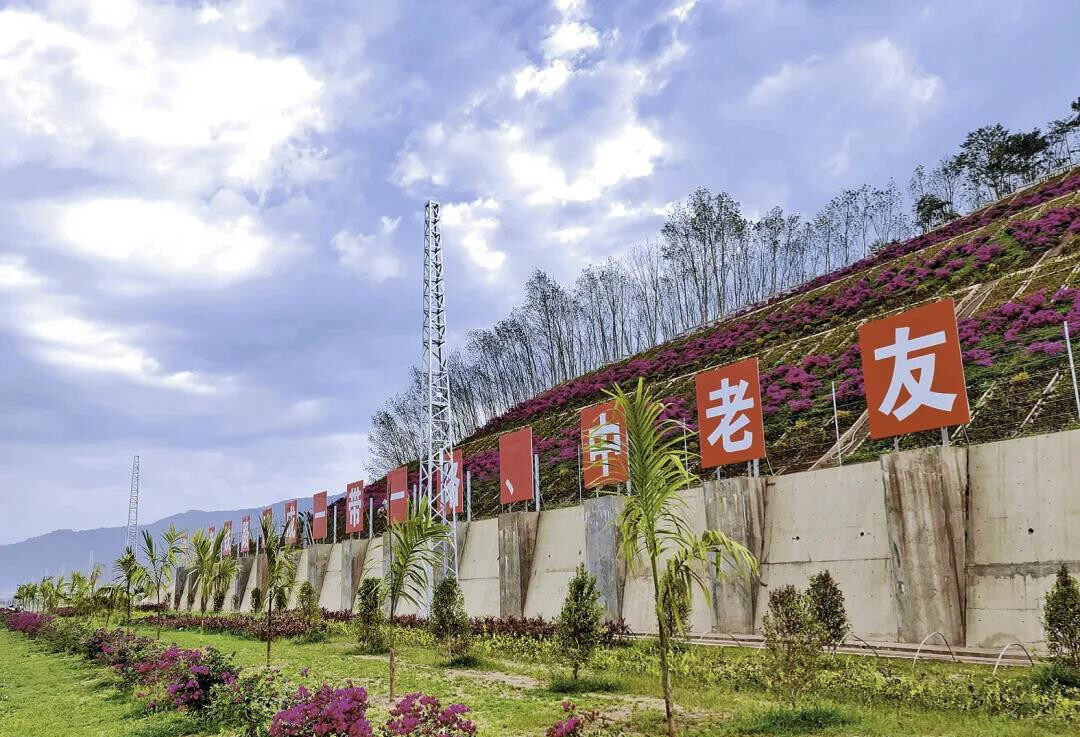
Combined with the climatic characteristics of the line's rainy and dry seasons and concentrated rainfall, China Railway Second Institute also fully applied the sponge city design concept to the design of the station square and production and living areas for the first time, realizing the collection, utilization and safe discharge of natural rainfall. Through technical measures such as permeable concrete pavement, ecological grass-planting bricks, gentle slope lawn, sunken tree pond, ecological grass-planting ditch, rain garden and other technical measures, the six-character policy of infiltration, stagnation, storage, purification, utilization and rowing of the sponge city has been implemented, and the railway has been constructed. Station area low impact development demonstration project. Relying on railway transportation, the line builds the Belt and Road International Railway Landscape Cultural Corridor, which has become an engineering model of regional interconnection.
Environmentally friendly
The China-Laos Railway passes through the complex terrain, fragmented plots, and diverse climates, requiring better environmental protection, and strive to achieve a state of harmonious coexistence between man and nature after completion. For example, the Xishuangbanna National Nature Reserve, where the China-Laos Railway passes, is an important environmental protection area, where the rare animal Asian elephant lives and breeds.
Due to geological reasons, it is difficult for the route to avoid the Asian elephant distribution area. In order to do a good job in the protection work, the designers carried out the comparison and selection of 4 main schemes, namely the whole tunnel scheme, the whole bridge scheme, the protection zone bypassing from both sides and the partial bridge construction. Within a range of about 14 kilometers where the railway passes through the Xishuangbanna National Nature Conservation Experimental Zone, optimize engineering forms such as extending the tunnel to reduce surface exposure, adjusting the position of the tunnel inclined shaft, and replacing the road with bridges, avoiding the main habitat and activity areas of Asian elephants. The impact of the project on the migration routes of Asian elephants is minimized. At the same time, according to the activity habits of Asian elephants, through repeated scientific experiments, China Railway Second Institute innovatively developed a steel wire grille protective fence. In order to prevent elephants from entering the railway area by mistake, protective fences have been set up at the entrances and exits of tunnels and at the junctions of roads and bridges near the protected area, so as to effectively form a comprehensive plan for comparison and selection of route plans, optimization of engineering design, protection measures, and strict management requirements in the ecologically sensitive area. Process and closed railway environmental protection measures system.
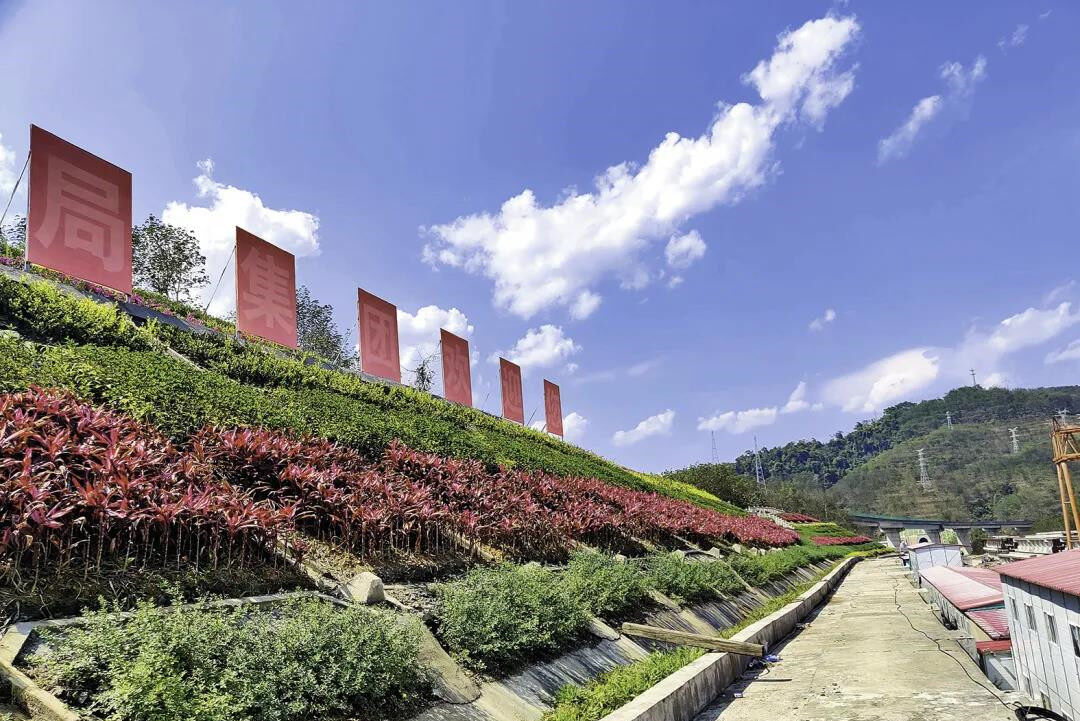
According to Zhou Yanlong, the head of the greening department of the China Railway Second Academy, in view of the climatic characteristics of strong sunshine, alternating rain and drought, and frequent rainstorms in the rainy season along the China-Laos Railway, the designers have optimized the plant species and configuration in combination with the principles of engineering, ecology and landscape science. mode, adjust the planting spacing, and optimize the green protection project of the roadbed and slope. For the slope of the tunnel side, ecological greening measures such as shrub and grass slope protection and spraying mixed vegetation are mainly used. The key bridges in the environmentally sensitive areas and surrounding towns have been upgraded, and landscape greening has been carried out under the bridges, so that the green coverage rate of the green areas along the entire line has reached 100%, and a green railway has been built.
green corridor
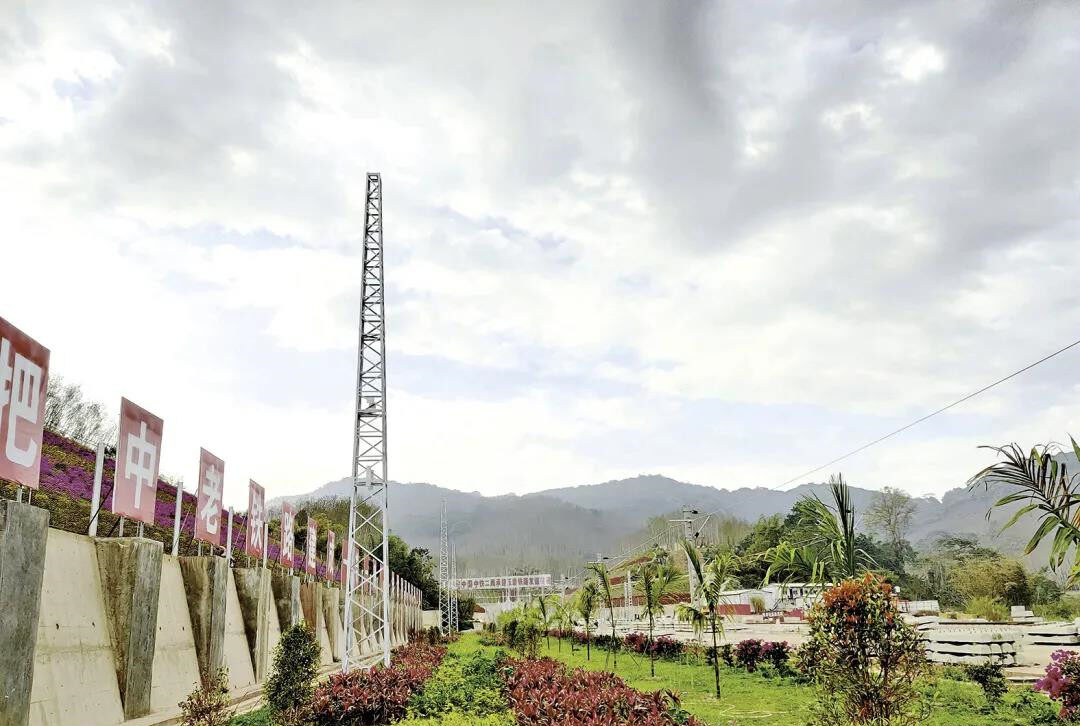
About 28.6 million shrubs, 40,000 vines and 63,000 trees are planted in Yumo. Through careful selection, a green corridor with rich varieties and various levels has been constructed along the China-Laos Railway, which is in harmony with the natural environment of the plant kingdom in subtropical and tropical regions. In terms of plant configuration, not only the environmental characteristics of different climatic regions such as dry-hot valleys and tropical rain forests are considered, but also the selection of green plants is combined with the distribution of seedling sources in the market for the first time, and the selection of plants is implemented in specific sections and construction sites. It avoids long-distance transportation of seedlings in different places, saves project investment, helps seedlings to adapt to the environment as soon as possible, and improves the survival rate.
beautiful landscape
In the landscape innovation design, the China Railway Second Institute aims at smooth integration, green warmth, economy and art, intelligence and convenience, integrates regional characteristics, and highlights the new image of international railways.
Luo Xiang, the person in charge of the architectural design of the China Railway Second Academy, introduced that in the ethnic minority areas with beautiful natural scenery and strong ethnic customs, such as Pu'er and Xishuangbanna that the China-Laos Railway passes through, the design is based on fully considering and adapting to the geological conditions and climatic characteristics along the line. Combined with the local cultural environment and ethnic characteristics, according to the four parts of the scenic spot in central Yunnan, the forest and sea tea charm, the customs of the Dai family, and the green forest, the plants suitable for the local area are selected according to different ecological areas, and a three-dimensional ecological plant landscape community in the station area is constructed to achieve evergreen in all seasons. , There are flowers every season, and a green landscape with a scene.
The station houses along the line are the masters of landscape design. The designers combined the four natural sections along the line to create the first station area landscape complex integrating landscape integration, facility integration, vegetation ecologicalization, and humanities and art integration, creating one station and one scene among the 21 passenger stations along the China-Laos Railway. The boutique station building——Pu'er station designed with the theme of tea fragrance, reflecting the accompanying tea culture elements; Xishuangbanna station designed with the concept of Dai customs and ecological origin; designed with the theme of border portal and friendship port Mohan Station at the Border Friendship Port... On the basis of considering different regional and cultural backgrounds, the design of the small station house also accurately controls the ratio of the virtual to the real on the facade. While ensuring balanced lighting, it reduces the transfer of direct heat. The combination of high and low windows increases the airflow inside the building to dissipate heat.
The designers also continued to optimize the building and system design, fully combining the station design and the surrounding terrain and environmental characteristics, and integrated the layout of the station building, production and living rooms, and railway parking lot (Yumo section). In order to fully save the land, the designers set up the production and living rooms side by side to form a courtyard, reduce the number of auxiliary rooms, and maintain a certain distance from the station building to ensure the main display of the station building.
green slope
An intelligent lighting system is installed in the station buildings of the whole line, which is combined with the station scheduling. The platform canopy lighting will only be turned on when the train enters the station. The interior of the station building can automatically adjust the brightness and power of the lamps according to the frequency of use, and add local point-shaped pole lighting in the large station to optimize local lighting when there are fewer passengers at night. All stations in the station strictly follow the barrier-free design requirements and set up barrier-free facilities to ensure that passengers can reach any location in the station building and platform. In accordance with the latest standards of China National Railway Group, the ticket office is built as an open comprehensive service center, which is convenient for passengers to operate smoothly.
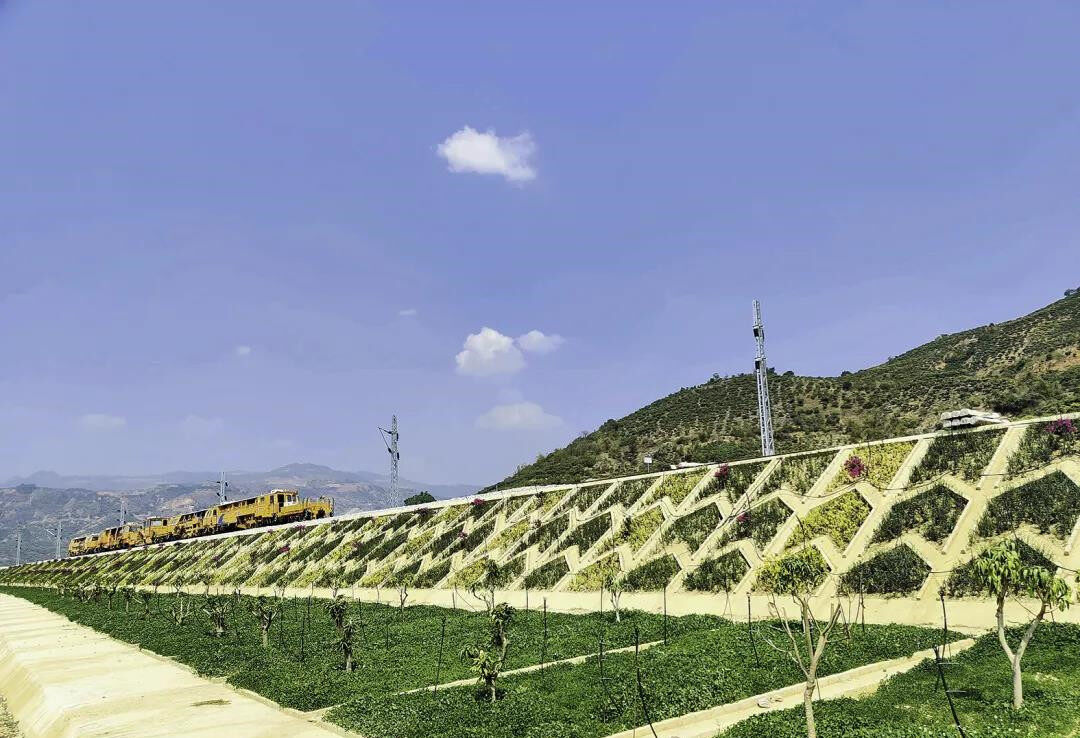
China-Laos Railway Greening Landscape Project
The construction of the China-Laos railway is a vivid manifestation of China Railway Second Institute's active response to the national Belt and Road Initiative, keeping abreast of market demands and giving full play to its professional advantages. Building a green ecological railway is a concrete practice of fulfilling social responsibility and actively promoting the internationalization of Chinese standards. China Railway Second Institute has become a witness and participant of the China-Laos friendship with practical actions, and has become the main force and pioneer in the construction of international transportation infrastructure with ecological high-quality projects. Editor/He Yuting
Comment


 Praise
 Collect
 Comment

 Share
Share


Write something~