 Search


- Estonia's current domestic power generation is dominated by fossil fuels, but the countrys seeking to achieve net zero emissions by 2050
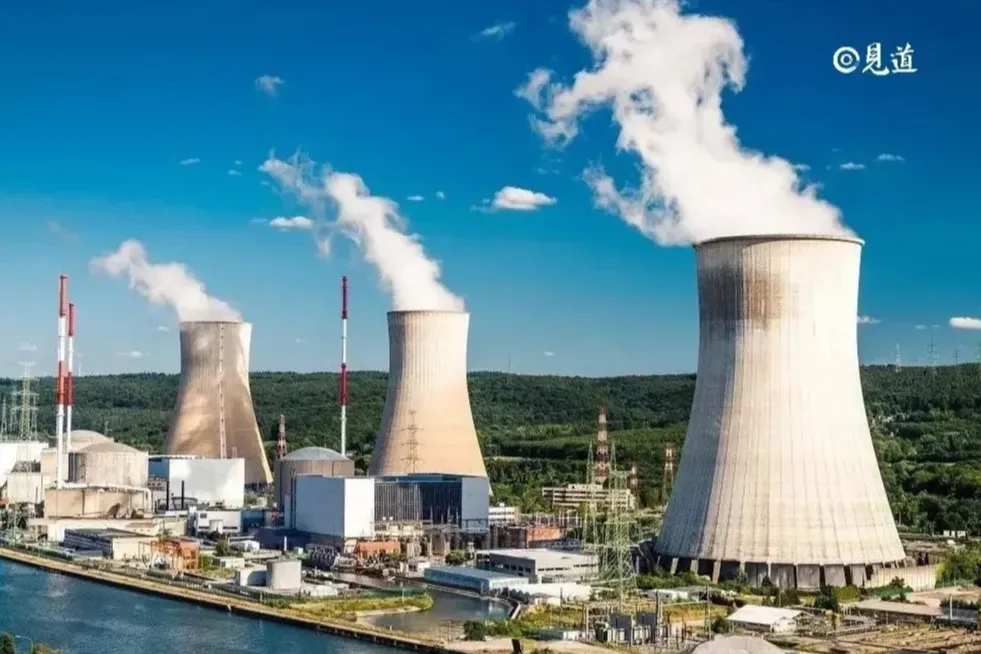
Members of the Estonian Parliament have submitted a draft resolution that will allow preparations to begin for the adoption of nuclear energy in the country and the establishment of an appropriate legislative and regulatory framework.
The draft requires parliament to pass a "fundamental decision" on whether to allow Estonia to produce nuclear energy. Riigikogu said that the draft is mainly based on the analysis conducted by the Nuclear Energy Working Group in 2021-2023, which concluded that the adoption of nuclear energy in Estonia is feasible. The results of the study were presented to the Estonian government in March.
The 55 parliamentarians who submitted the draft "support preparations for the adoption of nuclear energy and the establishment of the necessary legislative framework for it," including the drafting of a Nuclear Energy and Safety law and complementing existing legislation, the establishment of a nuclear regulatory agency, and the development of "sectoral capacities."
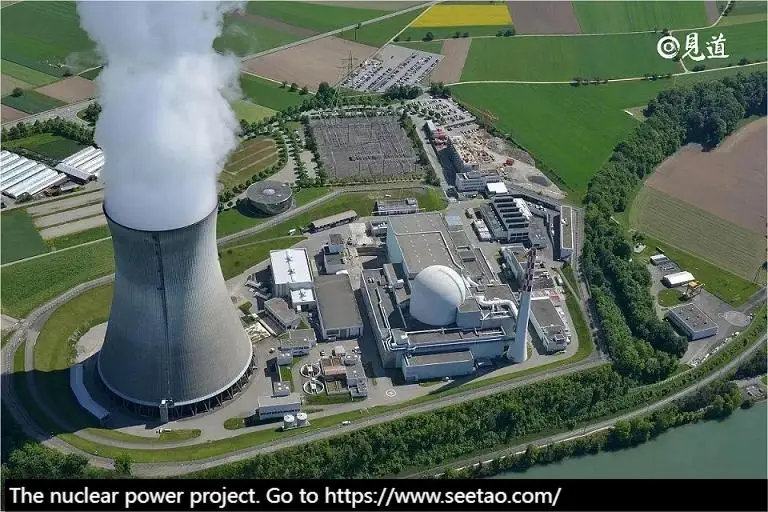
According to the draft explanatory memorandum, the adoption of nuclear power will provide "controlled, continuous generation capacity" to balance fluctuations in renewable energy generation, help Estonia meet its climate-neutral goals, ensure "stable and affordable electricity" in the long term, promote research and development, bring economic benefits to local people and create jobs. It will also present challenges, such as the training of a qualified workforce, the handling and storage of spent nuclear fuel, and emergency preparedness. "To address these issues, appropriate regulation, oversight, capacity development, and timely and adequate funding must be ensured to guarantee the safe and responsible use of nuclear energy at the time of its adoption," the report states. Riigikogu said the draft does not grant Estonia the right to build nuclear power plants.
Estonia's current domestic power generation is dominated by fossil fuels, but the country is seeking to achieve net zero emissions by 2050 and plans to phase out nuclear power by 2035, seeing it as a reliable and low-carbon option to diversify its energy mix using domestically produced oil shale. The Estonian government has announced a draft law that would suspend the issuance of new domestic oil shale extraction licenses until the end of 2025 to allow time to draft a climate law that will be submitted to parliament for consideration.
An IAEA mission to Estonia reported in October that the country had conducted a comprehensive assessment of its nuclear power infrastructure needs to decide whether to launch a nuclear power program. In February 2023, Estonia Fermi Energia announced that it had selected GE Hita editor/Xu Shengpeng
Comment


 Praise
 Collect
 Comment

 Share
Share


Write something~