 Search


- The global layout of the China Infrastructure Corps has accelerated again, and overseas projects have been launched simultaneously
From the hinterland of Africa to the rainforests of South America, from the grasslands of Central Asia to the oil fields of the Middle East, Chinese infrastructure companies are writing a new chapter of construction on a global scale. On August 7, Chinese engineering enterprises, including China Railway 20th Bureau, Shandong Power Construction, China General Nuclear Power Plant, etc., collectively made efforts to launch ten overseas projects simultaneously, demonstrating the global influence and diversified strength of China Construction.
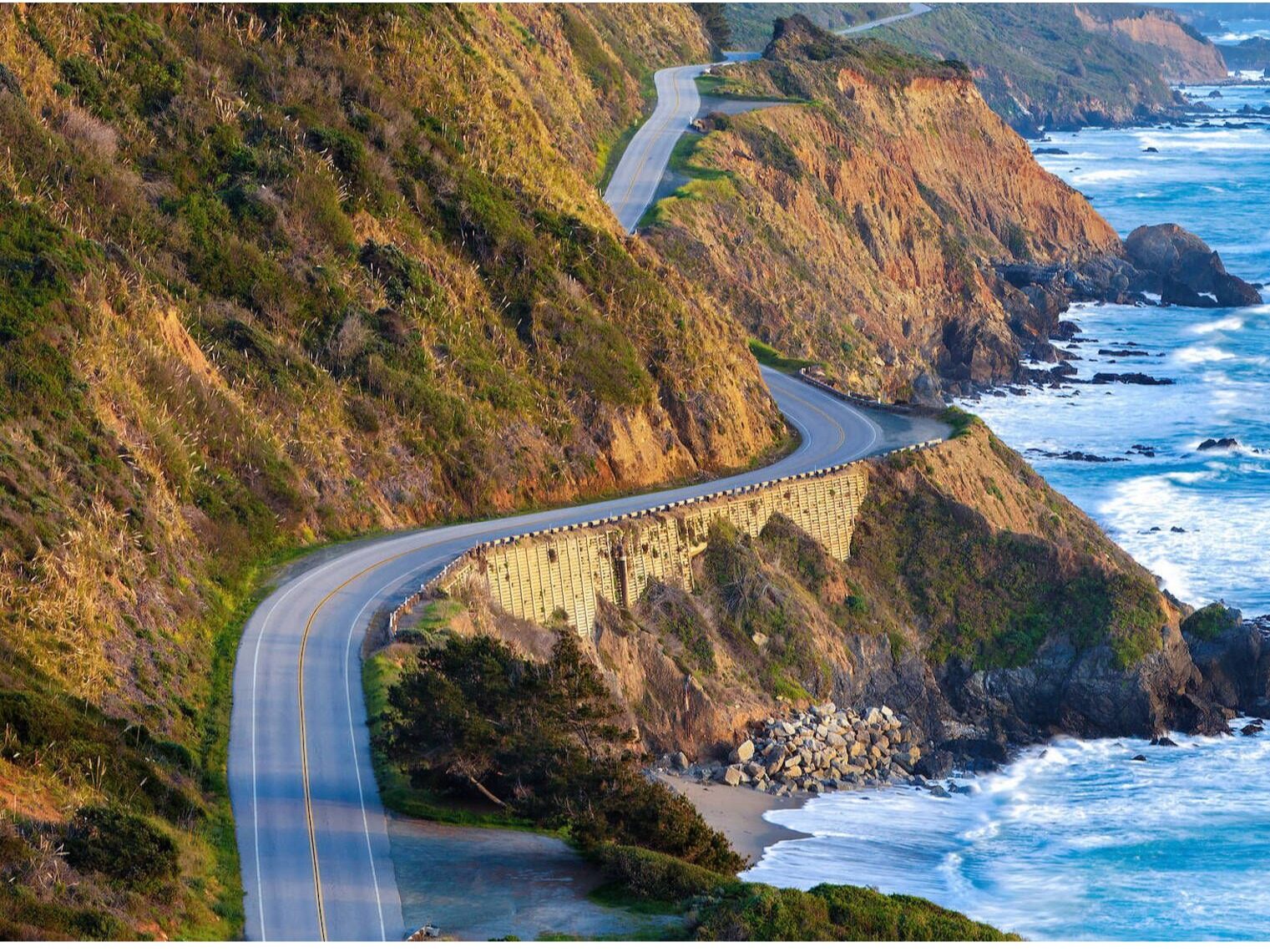
On the African continent, the Maravimka Highway Project undertaken by the 20th Bureau of China Railway has officially started. This 52-kilometer-long "golden corridor" will open up the logistics channel between the northern mountainous areas and the central economic belt, and provide key support for the export and resource circulation of local characteristic agricultural products. At the same time, in the city of Nouadibou, the "economic capital" of Mauritania, the Chinese team is carrying out a comprehensive restoration and functional transformation of the autonomous port merchant terminal, which will significantly improve the operational capacity of this important port in West Africa after completion.
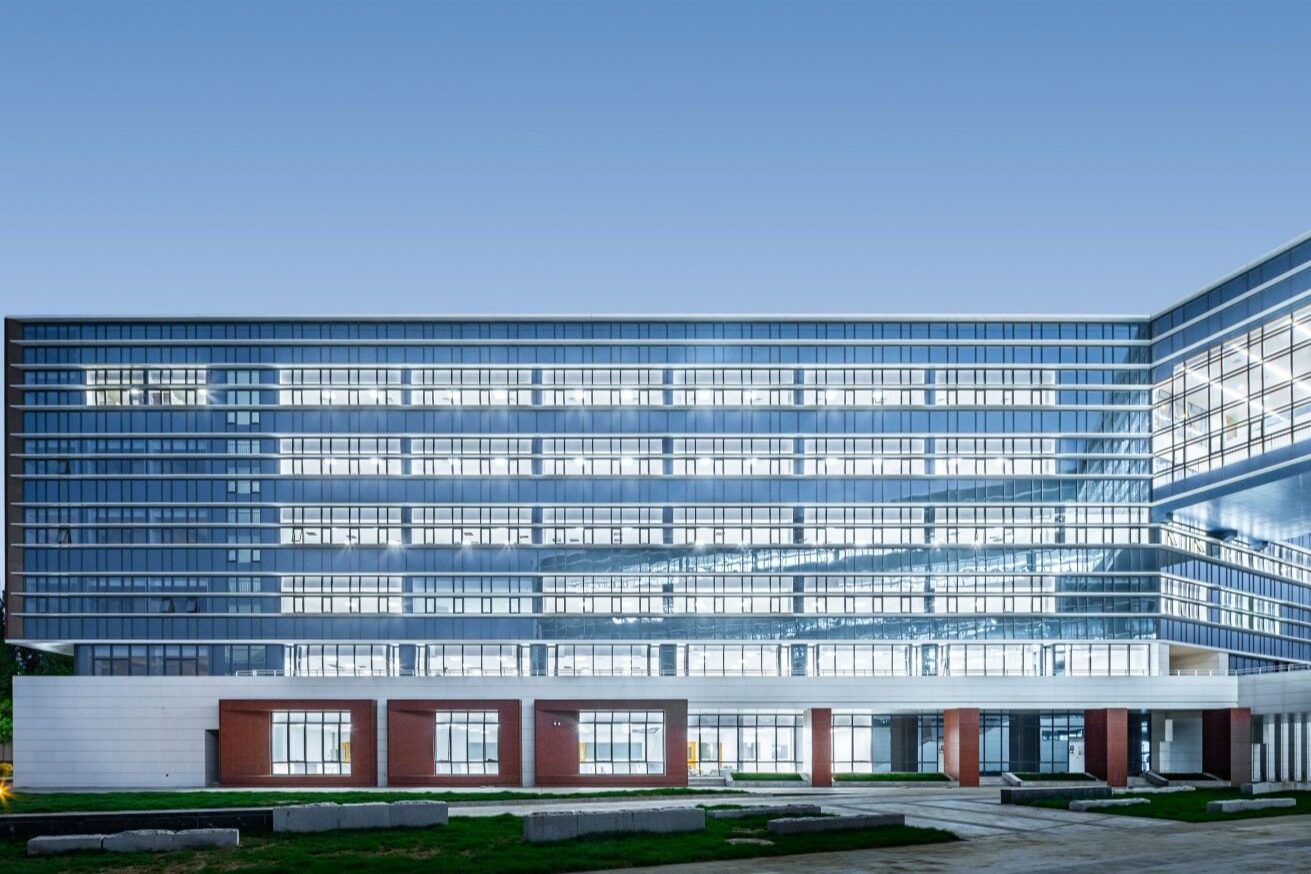
![[科技日报]中国海洋大学海洋科教创新园区(西海岸校区)一期建成并投入使用](https://oss.seetao.com/upload/image/20250808/b517246467a9223fa2b6d9929030a34c.jpeg)
The South American market ushered in a major breakthrough. The Barueli waste-to-energy project undertaken by Shandong Power Construction set two records - not only the first solid waste-to-power project in Brazil, but also the largest solid waste-to-power project in South America. The project processes 870 tons of garbage per day, which can solve the problem of domestic waste treatment for 740,000 residents. The LDB wind and solar complementary project in Brazil will make full use of the abundant wind and solar resources in Brazil, and the total installed capacity of 340 megawatts will effectively improve the stability and reliability of Brazil's power grid.
The Middle East has become a key market for Chinese enterprises to cultivate. In Iraq, from the high-end residential project of Baghdad's "Dream Street" to the series of projects in the Madinu oilfield, Chinese builders are bringing a modern living environment and oilfield operation and maintenance services to the local area. Among them, the Misan Oilfield property operation and management service project marks the successful entry of the first bureau into the Middle East oilfield logistics support service market.
Education aid and green energy have become new highlights of Sino-foreign cooperation. The upgrading project of Pakse Middle School in Champasak Province, Laos, will be equipped with modern teaching facilities to implement the consensus of the leaders of China and Laos. In Uzbekistan, the wind power plant project aided by the Chinese government has officially started, and the installed capacity of 20 megawatts will help the energy transition of Central Asian countries.
The simultaneous advancement of these projects shows the transformation and upgrading of China's infrastructure enterprises from traditional engineering contracting to the integration of investment, construction and operation, and from labor-intensive to technical standard output. With the in-depth implementation of the Belt and Road Initiative, China Construction is serving global infrastructure construction in a higher quality and more sustainable way, injecting new momentum into the economic and social development of various countries.(This article is from the official website of Jiandao www.seetao.com it must not be reproduced without permission, otherwise it will be investigated, please indicate the reprint of Jiandao.com + original link) See the editor of the infrastructure engineering column of Jiandao.com/Gao Xue
Comment

 Praise
 Collect
 Comment

 Share
Share


Write something~