 Search


- Billions of dollars in cooperation to boost crude oil production, billions of dollars in cooperation to boost oil and gas production
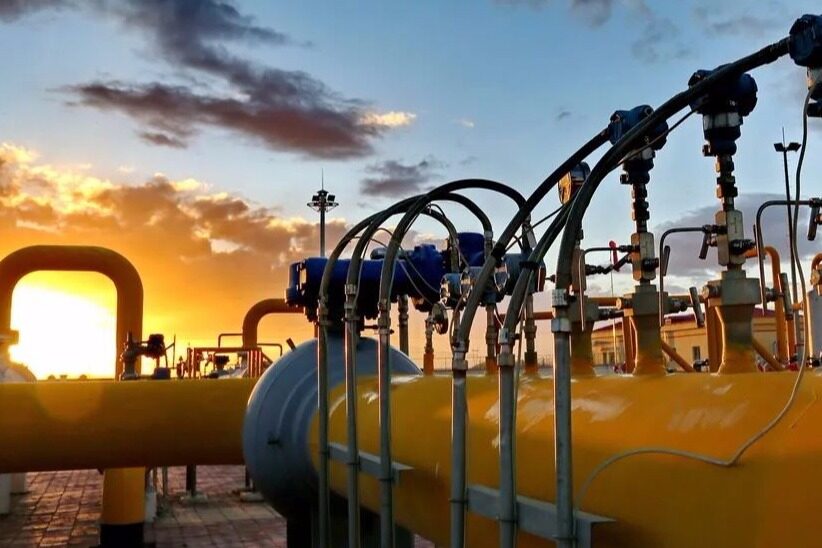
Since 2025, Iraq has welcomed a wave of Western energy companies returning. bp、 Companies such as Total Energy, Chevron, and Schlumberger have successively reached multiple major oil and gas cooperation agreements with the Iraqi government, covering projects such as oil field development, comprehensive utilization of natural gas, and seawater supply, with a total value exceeding tens of billions of dollars. This trend demonstrates Iraq's positive progress in increasing energy production, attracting foreign investment, and promoting technological cooperation.
The Iraqi government has proposed in its "2024-2028 Five Year Development Plan" to increase crude oil production from the current 4 million barrels per day to 6 million barrels per day by 2028, and to increase associated gas utilization from 40% to 90%. To achieve this goal, Iraq has awarded nearly 30 oil and gas development contracts in the past two years and has committed to improving transaction transparency, contract stability, and security conditions to enhance international investor confidence.

Important cooperation includes: BP returning to Iraq and signing a $25 billion development agreement for the Kirkuk oil field cluster; Total Energy has received a package of projects worth $27 billion, covering natural gas development and seawater injection; Chevron has signed a principle agreement to promote the development of four exploration blocks and existing oil fields, with the goal of achieving a daily production capacity of 600000 barrels within seven years. In addition, oil service companies such as Schlumberger, Halliburton, and Baker Hughes are actively expanding their business in Iran, involving gas field development, production technology, and emission reduction projects.
Conservatively estimated, Iraq's crude oil reserves are 145 billion barrels, ranking fifth in the world, and its proven natural gas reserves reach 3.7 trillion cubic meters. Despite abundant resources, the country's electricity demand still heavily relies on imports from Iran. Developing local natural gas and enhancing independent oil and gas production capacity have become the core tasks of Iraq's energy strategy.
Industry analysis indicates that Iraq has significant advantages in terms of geographical location, resource reserves, and export conditions, but faces challenges such as geopolitical risks, incomplete laws, and technological dependence. The return of Western companies with capital and technology is expected to not only drive Iraq to achieve its production targets, but also bring about technology transfer and industrial upgrading through cooperation, helping its economic reconstruction and sustainable energy development. Editor/Yang Beihua
Comment





 Praise
 Collect
 Comment

 Share
Share


Write something~