 Search


- This bridge spanning the province of Tindouf in Algeria, located in the core area of the Sahara, faces three "life and death tests"
- The project has created over 7000 job opportunities locally, and over 1000 Algerian technical workers have received systematic training
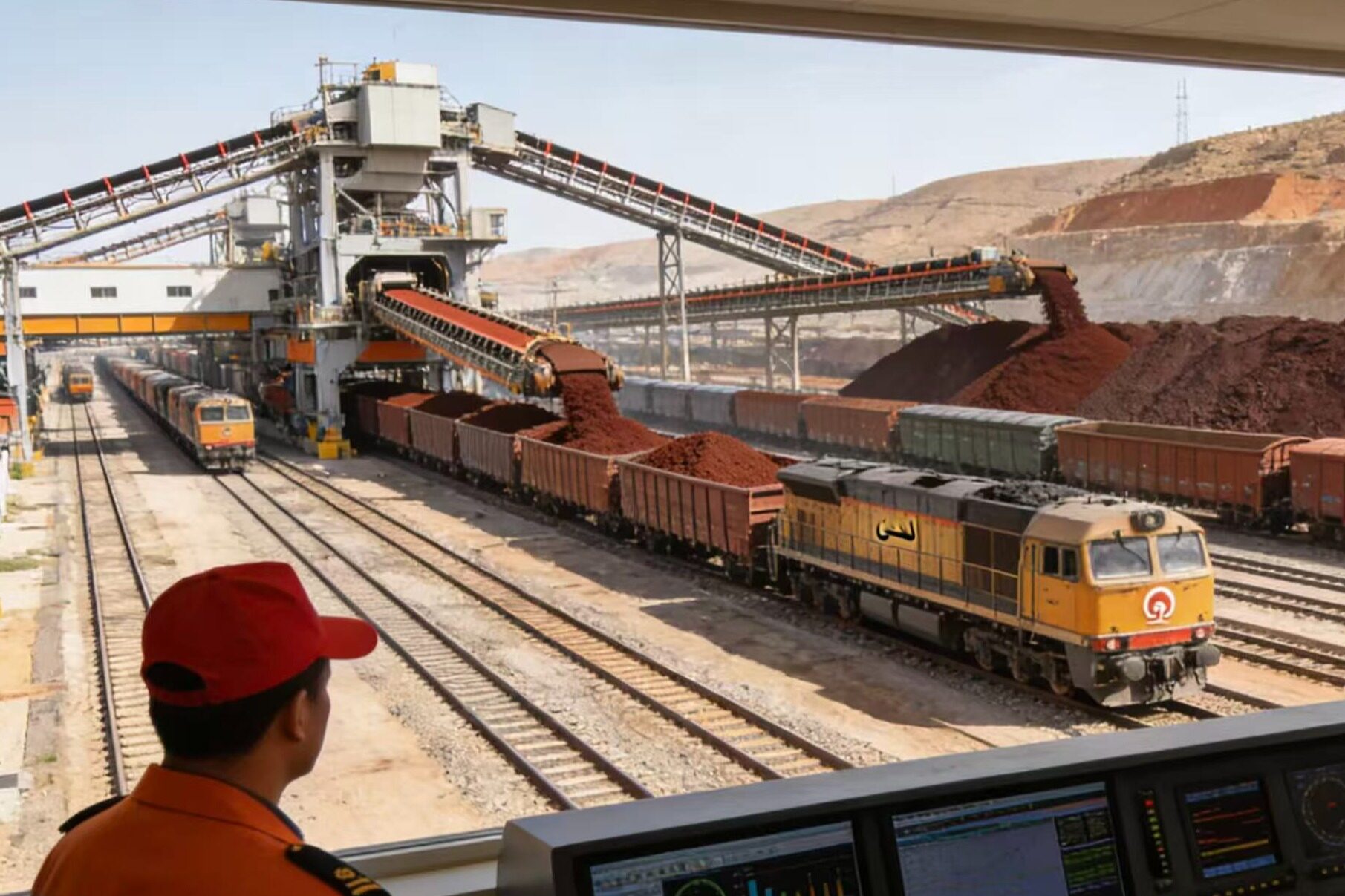
In the heart of the Sahara Desert, extreme heat and sandstorms were once the eternal rulers here. For the residents of the Tindouf province in Algeria, the vast desert is both a natural barrier and a hindrance to the hope of resource realization - the abundant mineral deposits in the southern Galaxiebilet iron mine area, although known as the "underground gold mine", have long been unable to be converted into development momentum due to transportation blockages. On the evening of December 8th, when the last section of the railway track was precisely docked, the PK330 Bridge, which is 6 kilometers long, lit up in the desert. This longest heavy-duty railway bridge in Africa, constructed by China Railway Construction Corporation, not only penetrated the barrier of sand and sea, but also paved a "steel artery" connecting resources and prosperity for the land of North Africa with Chinese wisdom and cooperation.
Breakthrough in the 'Engineering Restricted Zone' of the Sahara Desert
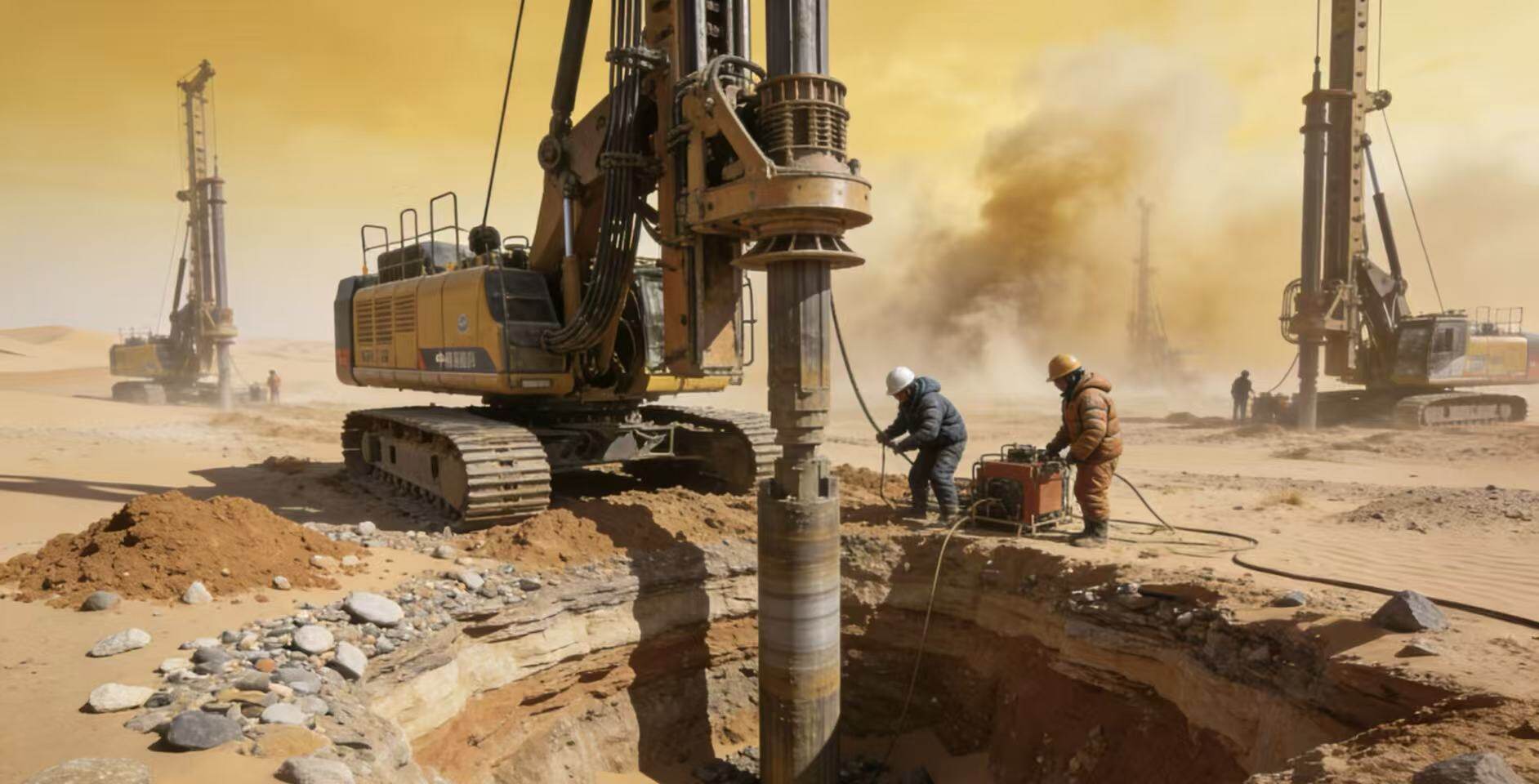
The construction of PK330 Bridge can be regarded as a positive game against extreme environments. This bridge spanning the province of Tindouf in Algeria, located in the core area of the Sahara, faces three "life and death tests": extreme high-temperature roasting equipment with an average daily temperature of over 40 ℃, frequent sandstorms that can bury construction sites at any time, and a shortage of fresh water that limits both construction and daily life. Even more challenging is the geological problem - beneath the bridge site lies a "floating foundation" of loose sand and gravel layers, which is prone to sinking during mechanical operations and cracking during concrete pouring. Continuous construction is even more difficult, and is considered by the international engineering community as an "unsuitable place for bridge construction".
The Chinese construction team did not back down, but broke through the situation with technological innovation: adjusting the concrete pouring to the low temperature period at night, and strictly controlling the construction quality with refrigeration machines, ice mixing and other processes; Develop a special pile foundation structure for quicksand geology, with 1432 piles deeply rooted underground for tens of meters, to resist the risk of sand flow; During peak hours, 7 drilling rigs operated synchronously, setting a local record of completing 21 pile foundations and 13 beams in a single day. In the end, the main construction of the bridge was completed in just one year, making this "most difficult" project the benchmark for infrastructure in North Africa, and praised by local media as an "unprecedented engineering feat".
From 'Made in China' to 'Local Empowerment'
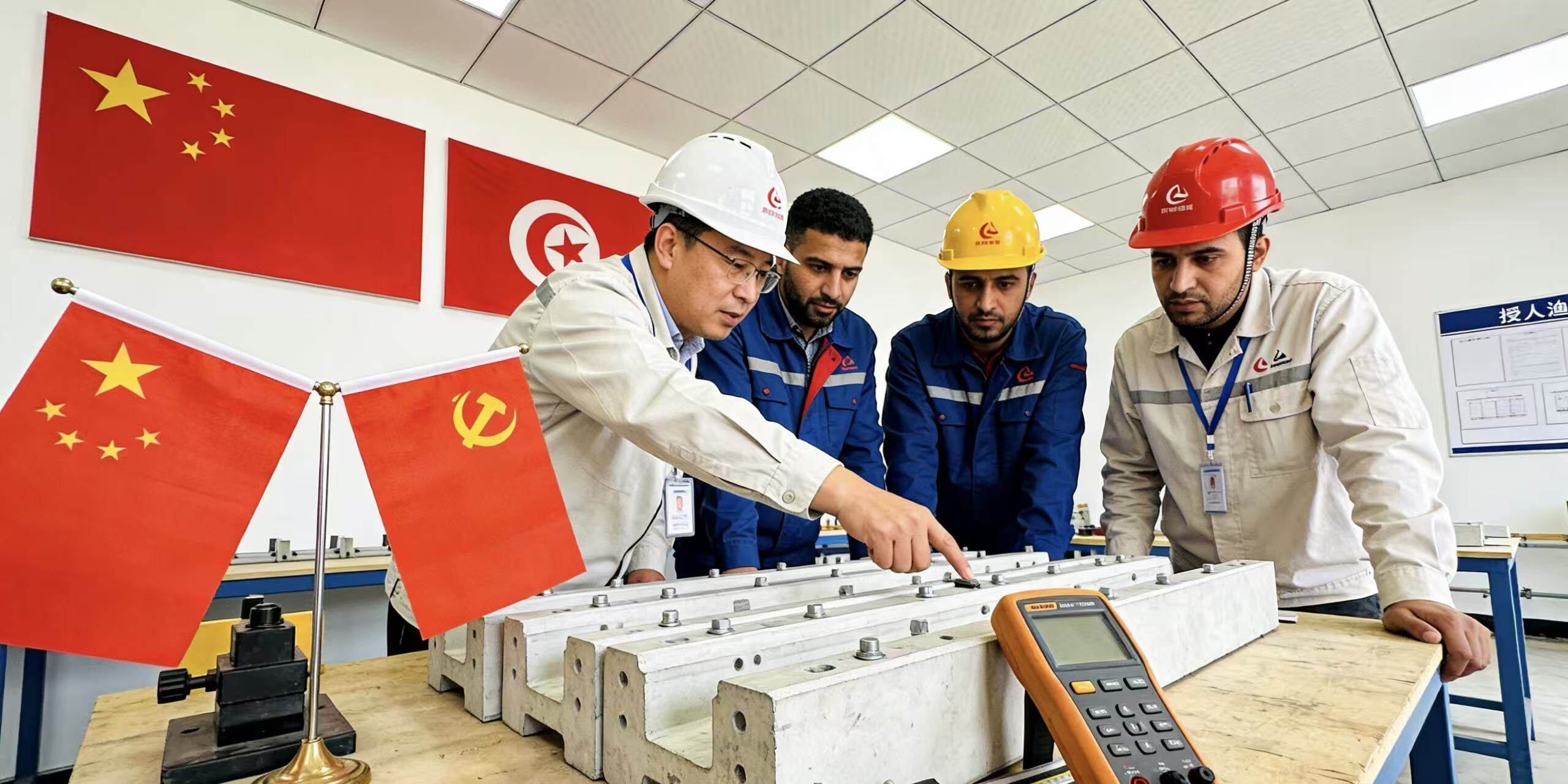
The value of this desert bridge goes far beyond engineering breakthroughs. As a landmark project of the China Arab joint construction of the "the Belt and Road", the western Algerian railway mining line is jointly implemented by China Railway Construction Corporation and Arab state-owned enterprises. Since its commencement, it has adhered to the cooperation concept of "giving people the opportunity to fish". The project has created over 7000 job opportunities locally, and more than 1000 Algerian technical workers have received systematic training to master professional skills such as heavy-duty railway construction and rail sleeper prefabrication, becoming the core force of local infrastructure.
More profound is the integration of standards and technology - the Chinese team not only brought heavy-duty railway technology standards with axle loads of over 30 tons, but also jointly established Algeria's first desert heavy-duty railway standard system, localizing China's intelligent manufacturing experience such as intelligent rail sleeper factories and automated track laying. This model of "construction+training+standard output" upgrades projects from simple engineering contracting to a link of technology mutual learning and capacity building between China and Arab countries, injecting substantial momentum into the comprehensive strategic partnership between the two countries.
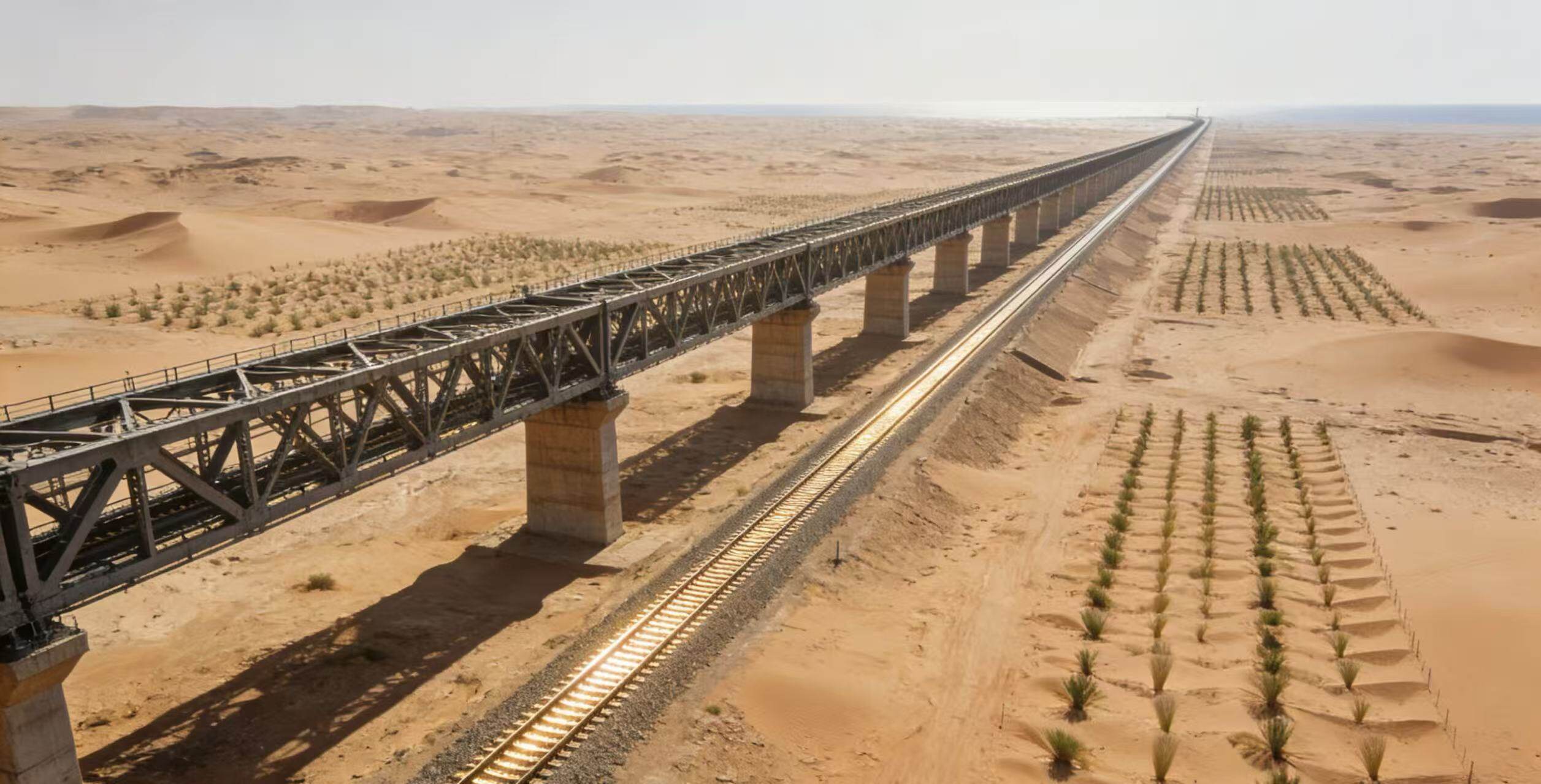
Under the starry sky of the Sahara Desert, the tracks of the PK330 Bridge shine with a metallic luster. It is not only a "medal of strength" for China's infrastructure to overcome extreme environments, but also a "win-win model" for China and Africa to jointly build the "the Belt and Road" - to use steel bridges to cross geographical barriers, to use technical cooperation to gather consensus on development, and to make every sleeper in the desert a solid cornerstone to carry Africa's dream of prosperity.Editor/Bian Wenjun
Comment


 Praise
 Collect
 Comment

 Share
Share


Write something~