 Search


- As global infrastructure moves towards intelligence, China and Kazakhstan are deepening cooperation around drone technology
- UAV technology is becoming a new focus of the Belt and Road cooperation. China and Kazakhstan have recently launched in-depth discussions
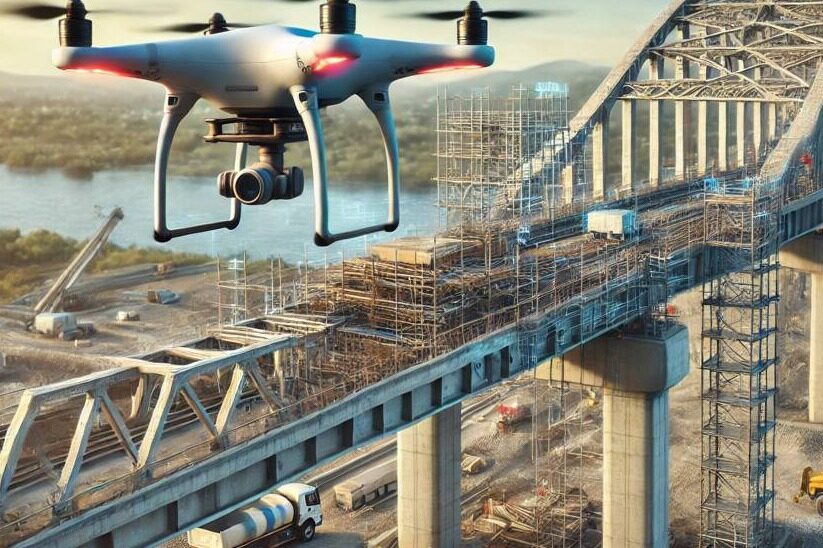
In the digital wave of global infrastructure construction, a technology dialogue focused on the future is unfolding in the heartland of Central Asia. Recently, Kazakhstan and China have had in-depth discussions and exchanges on the application of drone technology in road construction. This cooperation is not only limited to the introduction of technology, but also deeply reflects the structural trend of infrastructure connectivity represented by the the Belt and Road Initiative to accelerate upgrading in the direction of intelligence and refinement in the context of reshaping the global trade pattern.
Drones become the core lever for digitalization in infrastructure construction
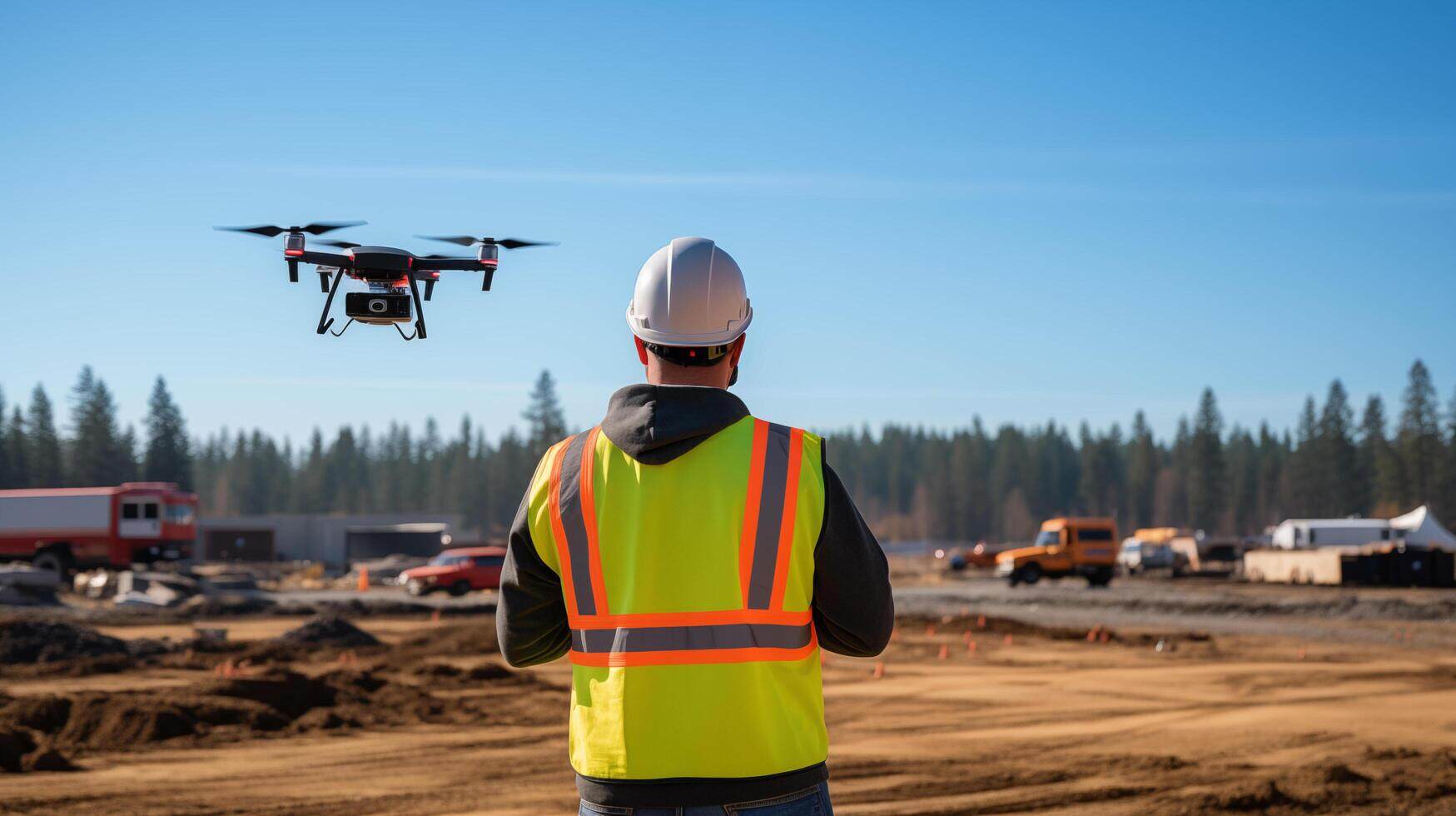
At a special seminar hosted by the Ministry of Transport of Kazakhstan, drone technology became the focus of the agendas of experts from both countries. The discussion clearly outlines the full process value of this technology from design to construction: in the highway design stage, the high-precision aerial photography and laser scanning equipment carried by drones can quickly complete large-scale and complex terrain geodetic surveys, generate three-dimensional real-world models, and provide unprecedented data foundation for optimizing route design. In the construction monitoring process, drones serve as aerial supervisors, capable of monitoring material stacking and usage without blind spots, accurately controlling project progress, and identifying construction deviations in real time. This round the clock, high-frequency monitoring greatly enhances the transparency and accuracy of engineering management, and can eliminate potential quality and safety hazards in their early stages.
The representative of Kazakhstan clearly pointed out that the introduction of drone technology is an important lever to promote the digital transformation of the country's road infrastructure, and is of crucial significance for improving construction safety and management efficiency. This demand is highly compatible with China's technological advantages. China's drone industry, especially leading enterprises such as DJI, has accumulated rich application scenarios and mature solutions in global infrastructure, surveying, agriculture and other fields. The participation and experience sharing of representatives from the Asian Development Bank further confirmed that drones have become an indispensable standard tool in the construction of large-scale cross-border transportation corridors.
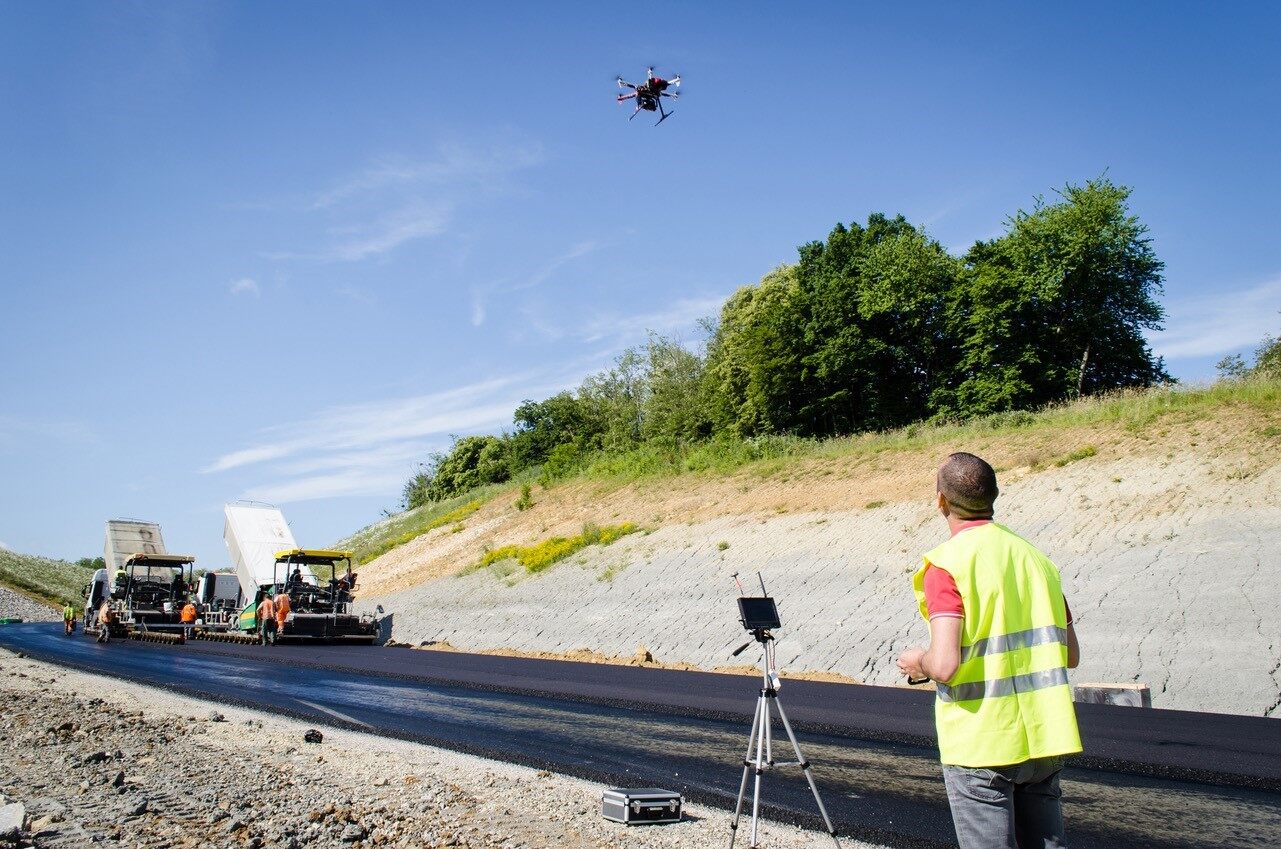
Both parties agree to explore a joint pilot project aimed at combining China's equipment, algorithms, and engineering experience with Kazakhstan's actual road network construction needs to accelerate the process of technology implementation.
Responding to the urgent need for upgrading the Central Asian transportation corridor
The warming up of this technological cooperation has a deep regional development background. As the core hub connecting the Eurasian continent, Central Asian countries are sparing no effort to promote the modernization of cross-border transportation networks. Its fundamental driving force comes from the continuously growing transit trade volume under the background of global supply chain adjustment, as well as the urgent demand for more efficient, transparent, and digital logistics chains. As the largest country in the region, Kazakhstan's road network faces multiple challenges such as high maintenance costs, vast geographical spans, and complex natural environments. The traditional manual inspection and management methods are no longer able to meet the requirements of modern development. The application of automated and intelligent equipment such as drones has become a necessary choice to enhance the full lifecycle management capability of the national road network.
Cooperating with China has provided Kazakhstan with a fast lane for technological upgrading. China is not only a global leader in UAV technology, but also has participated in and contracted many key infrastructure projects in Kazakhstan, including roads and railways, under the framework of the the Belt and Road, and has a deep understanding of the local environment and standards. The combination of hard infrastructure and soft technology has formed a unique synergistic advantage. Through joint pilot programs, Kazakhstan can quickly absorb and localize advanced digital construction and management models, shorten its own learning and trial and error cycle, and more efficiently participate in the upgrading and construction of regional core channels such as the Trans Caspian International Transport Corridor, enhancing overall competitiveness.
Outline a new blueprint for intelligent interconnectivity
The cooperation between China and Kazakhstan around drone technology has significance far beyond the introduction of individual technological tools. It marks that the the Belt and Road cooperation is deepening from the stage of heavy asset investment dominated by large-scale projects to the stage of light asset empowerment characterized by technological innovation and standard output. This new type of cooperation, linked by digital and intelligent technologies, is better suited to meet the higher requirements for infrastructure efficiency, resilience, and sustainability in the post pandemic era.
This paints a new blueprint for the modernization of transportation in the entire Central Asian region: the future cross-border corridors will not only be connected by physical roads, but also digital twin corridors that synchronize data flow, information flow, and management standards. The massive data collected by drones can be combined with building information models and IoT sensors to build an intelligent operation and maintenance system for infrastructure, achieving predictive maintenance, automated management, and supply chain visualization, ultimately significantly reducing logistics costs and improving the overall efficiency of interconnectivity in the Eurasian continent.
Therefore, this technical seminar is like a microcosm, indicating that cooperation between China and Kazakhstan, as well as the entire Central Asian region, is heading towards a broader future on a digital track. It is not only a manifestation of friendship and mutual trust between the two countries, but also a vivid practice of embracing technological revolution and working together to shape a new pattern of regional development. Editor/Yang Beihua
Comment



 Praise
 Collect
 Comment

 Share
Share


Write something~