 Search


- The Thai market provides vast investment and cooperation opportunities for Chinese new energy enterprises
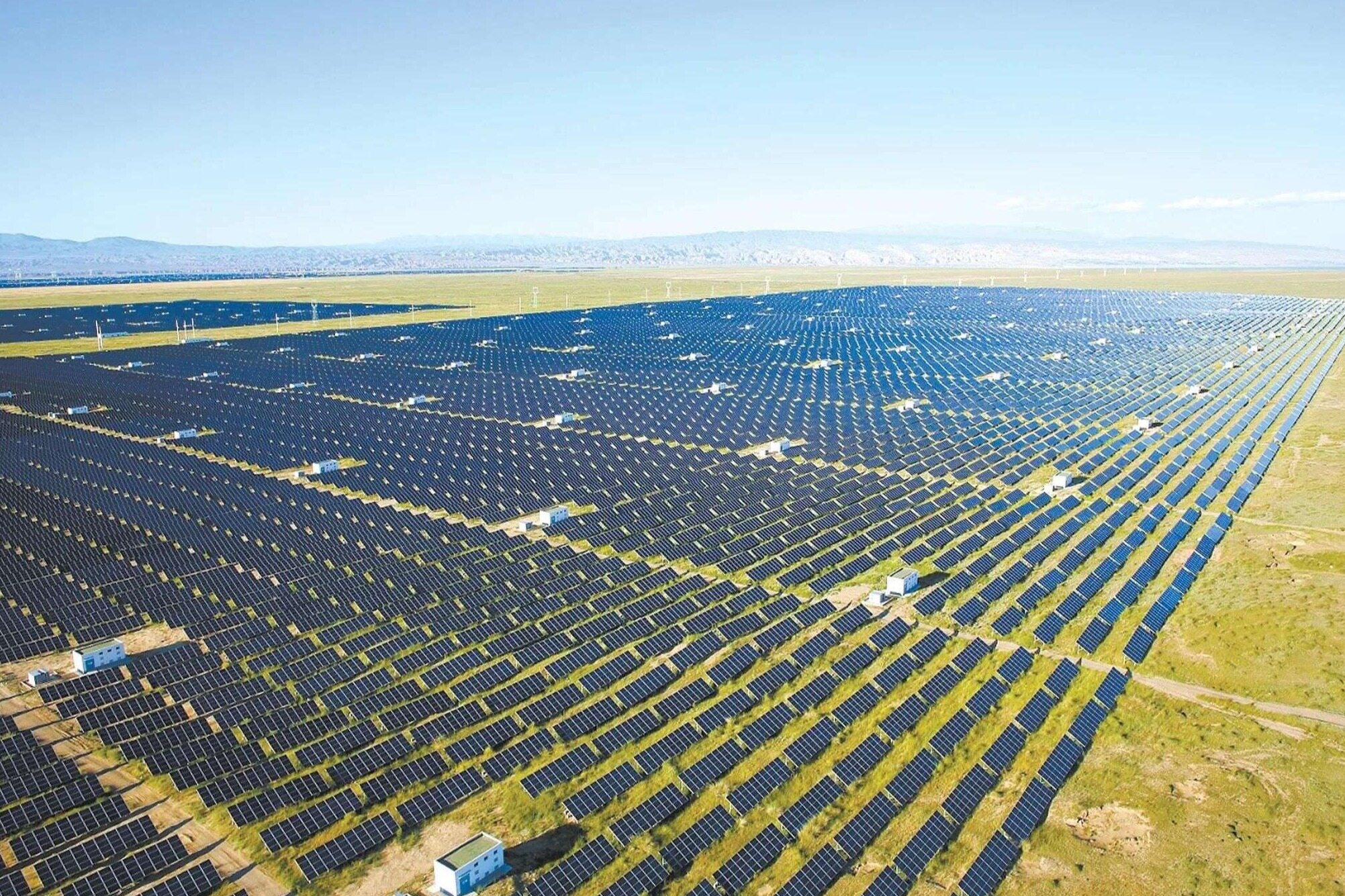
Thailand has set clear goals in the fields of energy and climate: it plans to achieve a 30% reduction in greenhouse gas emissions by 2030 and increase it to 40% with international support; Achieve carbon neutrality by 2050 and net zero emissions by 2065. The power sector is promoting systematic changes. The National Energy Plan (NEP) and the new version of the Power Development Plan (PDP 2024-2037), which are currently in the public hearing stage, emphasize that renewable energy will account for a higher proportion of new power sources and are expected to achieve significant improvement by 2037.
The accompanying Renewable Energy Development Plan (AEDP 2024 Draft) sets a target of approximately 38.97 GWp of solar installed capacity by 2037, including 2.79 GWp of water-based photovoltaics (mixed development with hydropower). The policy mechanism has also shifted from the previous single grid electricity price subsidy (FiT) to a dual track approach of "Green Electricity Tariff (UGT)" and "Direct PPA" in response to the growing demand for green electricity from data centers and multinational manufacturing enterprises. In terms of cost, photovoltaics have become the most economical type of new power generation in Thailand, and the levelized cost of electricity (LCOE) combining photovoltaics and energy storage is expected to be lower than that of new fossil fuel units around 2025. Policy support and economic viability are forming a positive interaction.
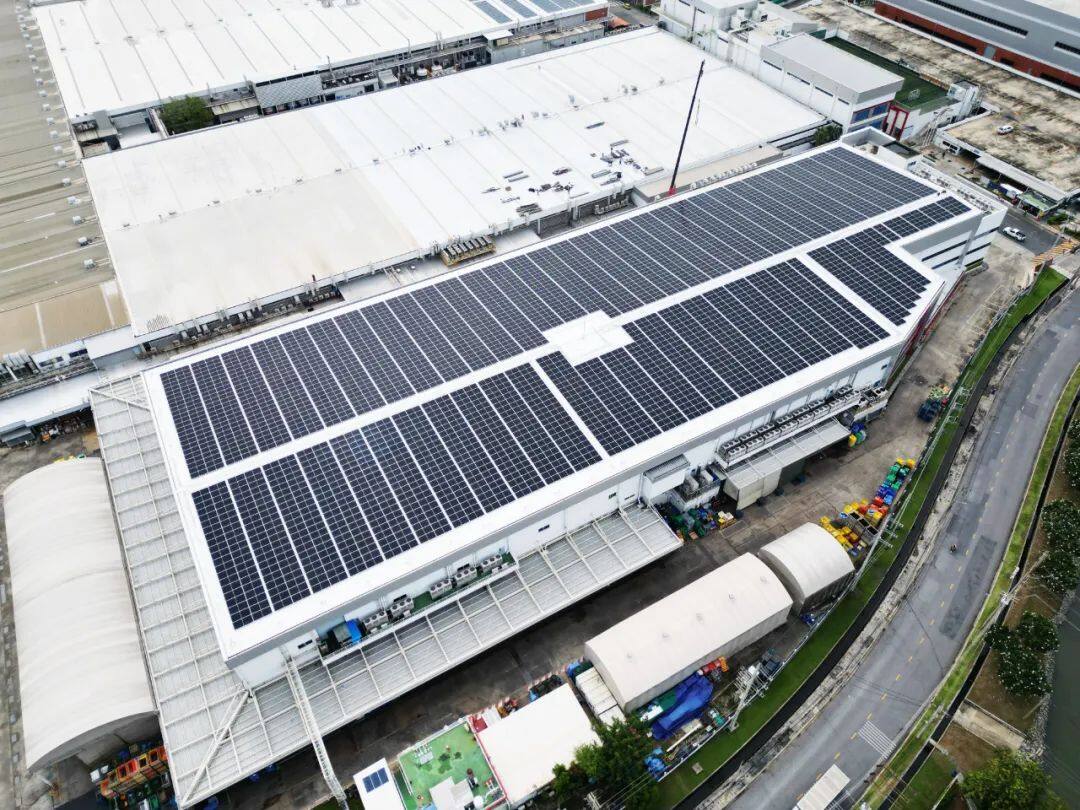
Between 2022 and 2030, Thailand will launch a large-scale tender for "Fuel Free Renewable Energy FiT", covering ground photovoltaics and "photovoltaic+energy storage" projects, with a total scale of about 5 GW, including about 2.37 GW of ground photovoltaics and about 1 GW of photovoltaic storage combined (signed through SPP/VSPP channels). The grid connection work is jointly undertaken by EGAT, PEA, and MEA, and the photovoltaic storage project needs to ensure output during designated periods to improve system reliability. The "net metering" policy for household photovoltaics from 2019 to 2024 (repurchase price of 1.68-2.20 baht/kWh) has completed a quota of 90 MW; The Ministry of Energy plans to increase the annual quota for distributed power generation to no less than 400 MW and study the opening up of industrial and commercial amateur electricity grid connection and more flexible business models. UGT and Direct PPA targeting large users are also actively being promoted, which will complement the current FiT and build a diversified consumption system.
Thailand has superior solar energy resources, with a total annual horizontal radiation of over 1850 kWh/m ² in multiple provinces, and a technological development potential of several hundred gigawatts; Wind energy resources are moderate, but some bays and high-altitude areas still have development conditions. As a major agricultural country, biomass energy has become an important component of renewable energy generation since 2018. In terms of system regulation, three pumped storage power stations (with a total capacity of 1.5 GW/6 GWh) have been built, and three new projects are in the feasibility study stage (with a total scale of 2.5 GW/19.8 GWh), which will form the backbone of system regulation together with the rapidly developing electrochemical energy storage. The matching of resources, costs, and systems has made "ground photovoltaics+pumped storage/energy storage" and "water-based photovoltaics hydro hybrid" mainstream technological routes.
As of 2023, the cumulative installed capacity of photovoltaics in Thailand is approximately 5034 MWp. According to the AEDP 2024 draft, approximately 34 GWp of new solar installations are required between 2024 and 2037 to generate stable market demand. If the distributed annual quota reaches 400 MW or more, combined with the demand for self use and direct purchase of electricity by industry and commerce, the market space will continue to expand. The industry's scenario analysis of the PDP 2024 draft shows that the new solar energy capacity may reach 54 GW by 2037, showing an average annual growth trend of GW level.
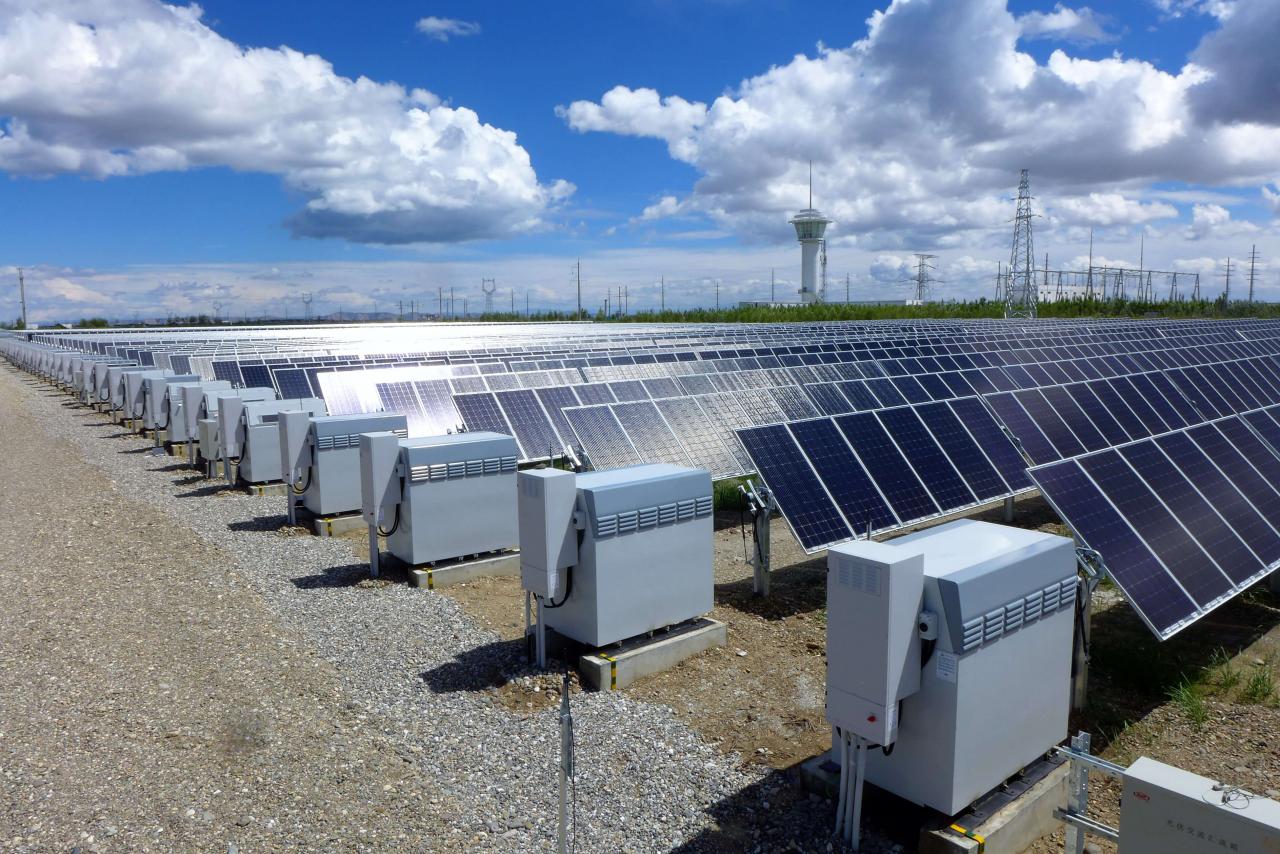
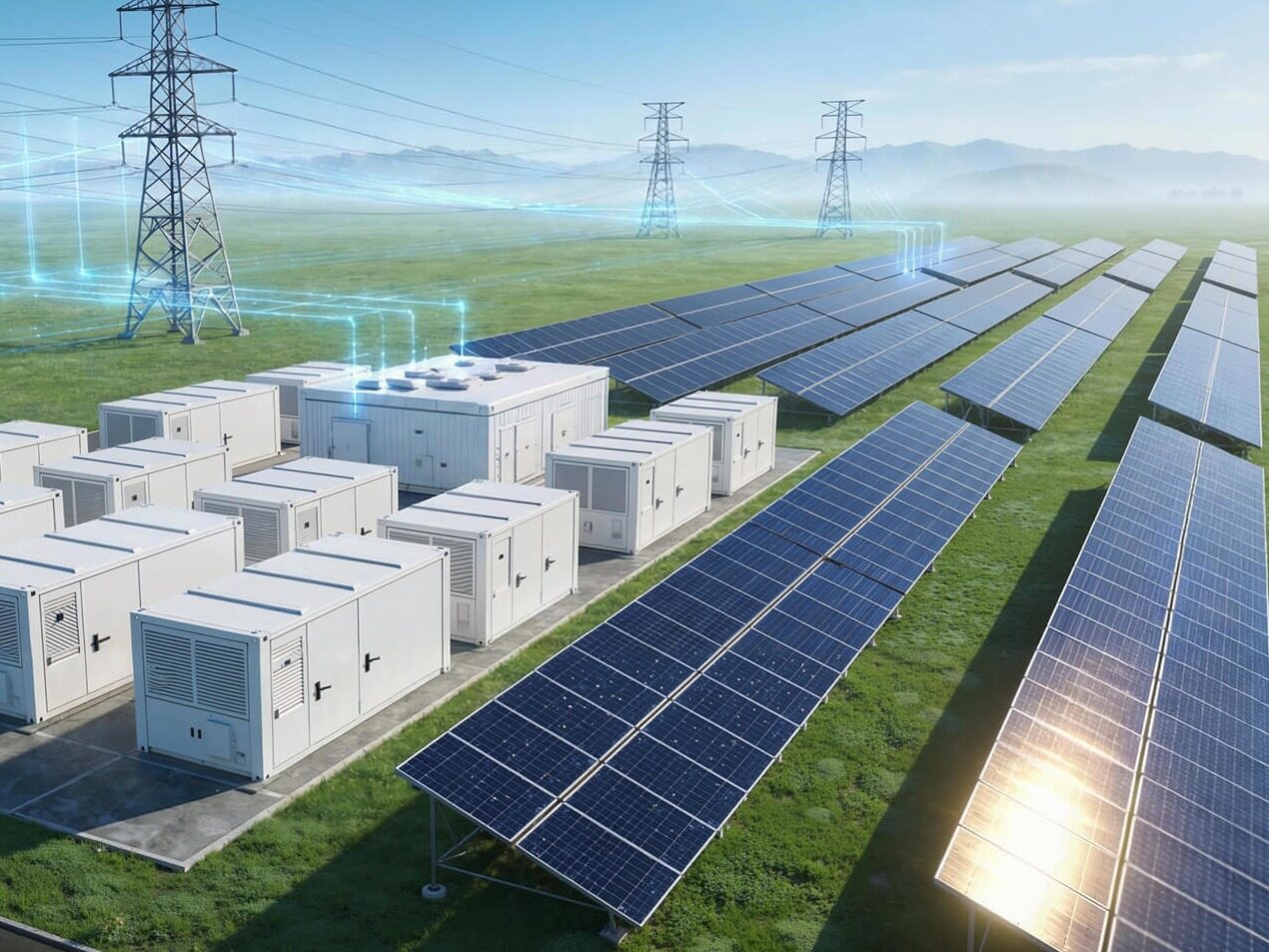
The Thai market is shifting from being driven by policies to being driven by both policy and economic factors. Recently, renewable energy bidding has listed "photovoltaic+energy storage" as an independent category, with a scale of GW level; EGAT and other institutions are actively promoting the expansion of pumped storage to enhance long-term regulation capabilities. In terms of funding, institutions such as the Asian Development Bank (ADB) provide long-term loans and credit enhancement tools for solar energy storage projects to improve financing conditions. The LCOE of the 4-hour solar energy storage system is comparable to or even more advantageous than newly built gas-fired peak shaving units, and it is expected that there will still be significant cost reduction space before 2030. Conservatively estimated, if 30% of the newly added photovoltaic capacity is equipped with 2-hour energy storage, the corresponding battery power is about 10-12 GW and energy scale is 20-24 GWh. The widening price difference between peak and valley and the demand for power supply reliability have also accelerated the development of B2B models such as "photovoltaic storage direct supply" and contract energy management in the industrial and commercial sector. Overall, pumped storage is responsible for long-term regulation of the system, while electrochemical energy storage provides flexible response within the day, and "photovoltaic energy storage in the same field" will become the mainstream configuration.
The industrial layout and motivation of Chinese enterprises in Thailand:
Manufacturing and system integration enterprises regard Thailand as an important hub for radiating to the ASEAN and North American markets, and continuously strengthen localized operations. Representative cases include BYD building a new energy vehicle factory (with an annual production capacity of 150000 vehicles) in Luoyang, driving the ecosystem of power batteries and energy storage; Guoxuan High Tech and Thailand PTT Group jointly build NV Gotion battery factory; Artus is building a 5 GW N-type silicon wafer and TOPCon battery production line in Chunwuli; Trina Solar has been expanding its presence in Thailand since 2015 and will adjust its production capacity according to the trade environment in 2024; Sunshine Power supplies inverters and energy storage systems at its factory in Thailand; Longi promotes the localization and channel construction of efficient components in the commercial and rooftop markets. The reasons for enterprise layout include tax and land incentives provided by the Board of Investment of Thailand (BOI), ASEAN tariffs and logistics convenience, the increasing demand for green power procurement by foreign-funded enterprises, and response to changes in overseas trade policies (such as US anti-dumping/countervailing measures). Editor/Xu Shengpeng
Comment


 Praise
 Collect
 Comment

 Share
Share


Write something~