 Search


- Vietnam is fulfilling its national commitment to global climate governance through practical actions
- Vietnam promotes green transformation through multidimensional measures, providing path reference for emerging industrial countries to achieve net zero emissions

Vietnam promotes green transformation through multidimensional measures, providing path reference for emerging industrial countries to achieve net zero emissions
Vietnam is vigorously developing solar energy, striving to get rid of polluted energy, taking multiple measures to promote green transformation, and making every effort to move towards the net zero emissions target by 2050.
Efficient departmental reform
For a long time, the decentralization of resource management and industrial development functions has been the biggest obstacle for Vietnam to achieve its long-term climate goals. At the beginning of 2025, the Vietnamese government will implement the most thorough administrative reform in history, integrating the former Ministry of Agriculture and Rural Development and the Ministry of Natural Resources and Environment into a new Ministry of Agriculture and Environment. The establishment of this super department enables the comprehensive integration of land use, environmental protection, climate change, and agricultural development functions. According to Vietnam's 2050 National Climate Change Strategy, the forestry and land sectors plan to absorb 185 million tons of carbon dioxide equivalent by 2050.
After the merger of Vietnam's agriculture and environment departments, the organization was streamlined to 30 units to improve governance efficiency. Agriculture is a major emitter of methane and a severely affected area by climate change. Vietnam is promoting the cultivation of low emission rice, reducing its usage and methane emissions, becoming the first country to export certified low emission rice, and opening up a new source of income for farmers through carbon credit trading; As of January 2026, the Vietnam Rice Association has issued low emission green Vietnamese rice labels for over 71000 tons of rice.

Transformation of Power Planning
In April 2025, the revised "National Electricity Development Plan for the 2021-2030 Period and Vision 2050" was approved, officially launching the comprehensive transformation of Vietnam's energy landscape. Among them, the return of nuclear power is the most concerned change in PDP8. The Vietnamese government has clearly stated that nuclear power is a necessary choice to ensure national energy security and promote high-speed economic growth. According to the plan, by 2030, Vietnam's nuclear power installed capacity will reach 4000 to 6400 megawatts, accounting for approximately 2.2% to 2.7% of the total installed power capacity. By 2050, this value will increase to 10.5 to 14 gigawatts.
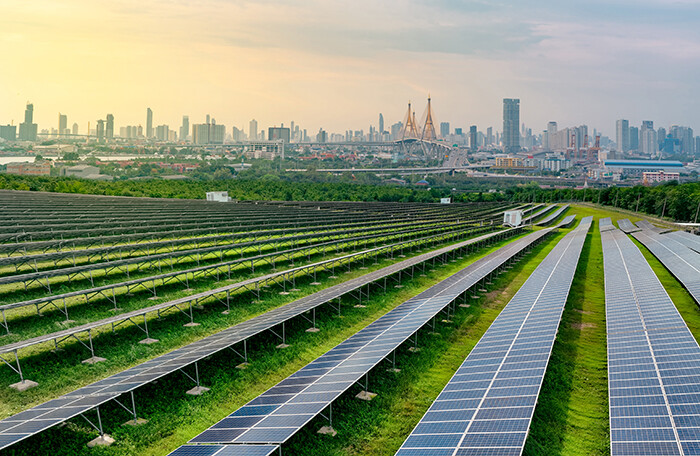
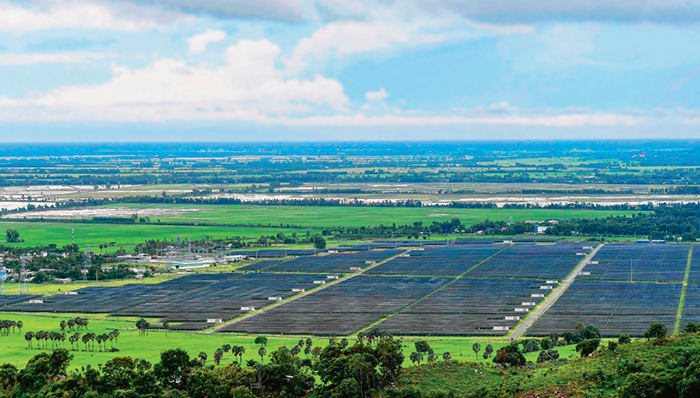
After years of shutdown, the Nanbu Ningshun Nuclear Power Plant resumed operation. In January 2026, Premier Fan Mingzheng instructed the Ministry of Industry and Trade to accelerate legal procedures and seek foreign partners with advanced technology, transparency, and financial stability. In addition, Vietnam has begun exploring the application of small modular reactors, and the newly implemented Atomic Energy Law of 2025 has cleared legal barriers for private enterprises to participate in SMR investment. This flexible nuclear energy strategy aims to provide stable zero carbon electricity for high energy consuming industries such as steel, petrochemicals, and large data centers. At the same time, the development of renewable energy has shifted from subsidy driven to market-oriented survival. PDP8 requires that new solar energy projects must be equipped with energy storage systems with an installed capacity of more than 10% and a continuous discharge of more than 2 hours; Vietnam has planned to achieve 10 to 16.3 gigawatts of energy storage capacity by 2030, supporting the goal of renewable energy accounting for 74% to 75% by 2050, balancing environmental protection and economic growth through the synergy of nuclear energy and green energy.
Carbon Market and Supply Chain
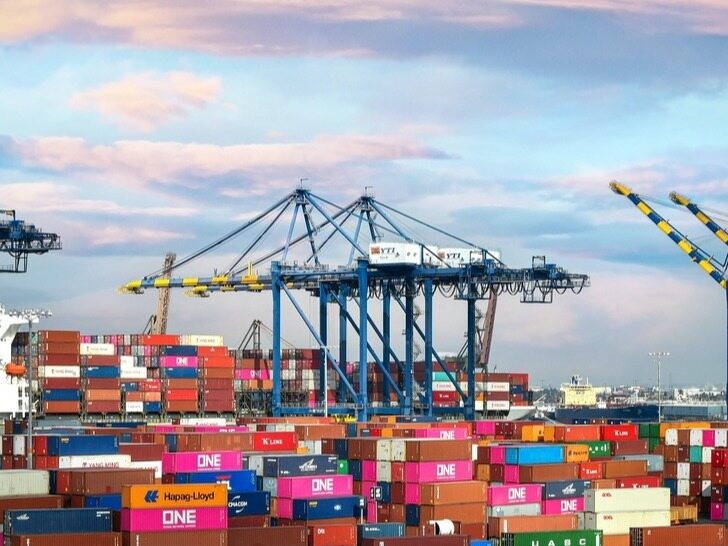
As a major manufacturing country in the world, Vietnam's net zero emissions are not only related to environmental protection, but also to establishing an internationally recognized carbon pricing mechanism to ensure its export competitiveness in the face of green trade barriers such as the EU carbon border adjustment mechanism. On January 19, 2026, the Vietnamese government issued a decree officially establishing the legal framework for domestic carbon trading platforms, innovatively combining carbon quota trading with existing securities market infrastructure. Trading is conducted on the Hanoi Stock Exchange, and companies with dedicated securities accounts can buy and sell carbon quotas and credit quotas. From the end of 2026 to 2028, the carbon market pilot period will include the first batch of high emission industries such as electricity, cement, and steel. Taking the steel industry as an example, out of more than 300 steel enterprises in Vietnam, only 27 core manufacturers are included, but their emissions account for more than 80% of the industry. This approach of focusing on the big and neglecting the small ensures policy coverage. During the pilot period, quotas will be issued free of charge and no transaction service fees will be charged, helping enterprises gradually adapt to carbon pricing rules.
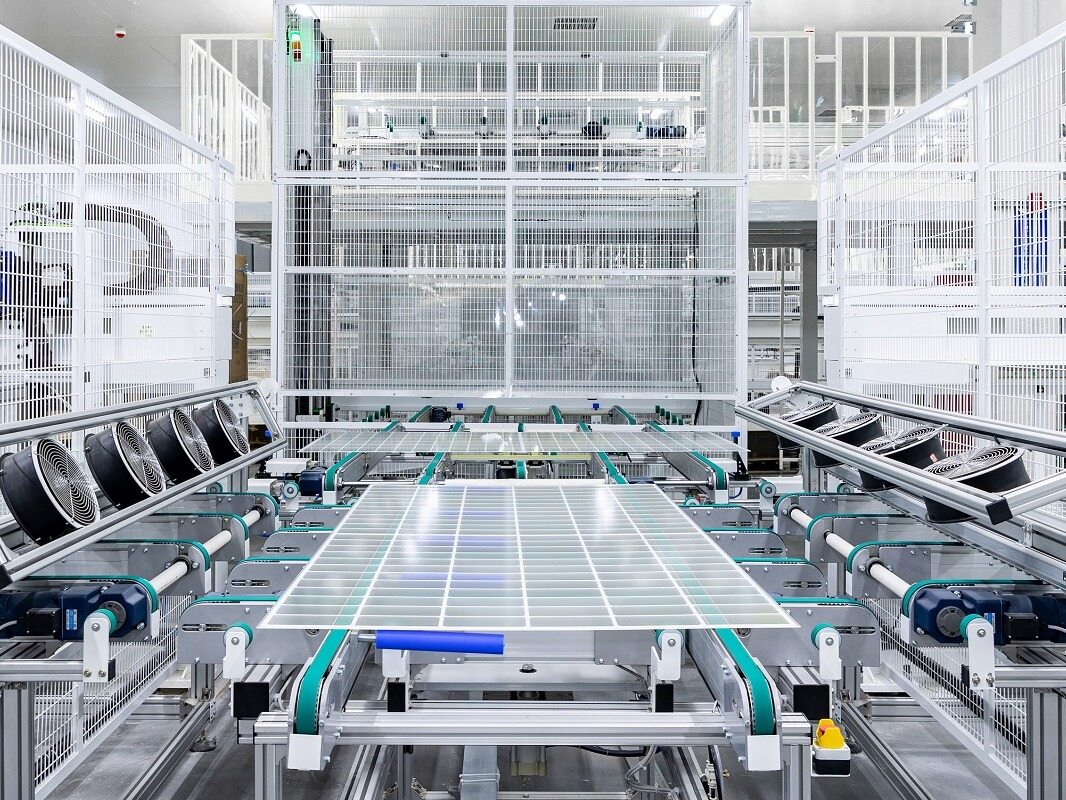
The green practices of multinational corporations have also provided external impetus for Vietnam's energy transformation. In Ho Chi Minh City, LEGO Group invested 1.3 billion US dollars to build the world's most environmentally friendly factory, which will be put into use in 2025 and plans to achieve 100% renewable energy operation by early 2026; Electronics giants such as Samsung and Apple are promoting decarbonization of their suppliers in Vietnam through direct power purchase agreements. Among them, Apple has convinced 35 Vietnamese partners, including Foxconn, to use 100% renewable electricity. This demand side pressure has forced local governments and power grid companies in Vietnam to accelerate the construction of green infrastructure. However, Vietnam's 2050 net zero target still faces a huge funding gap. In early 2026, the Vietnamese government launched a 2% interest subsidy program for green and circular economy projects; As of the end of November 2025, the balance of green loans in Vietnam reached 750 trillion Vietnamese dong, with an average annual growth rate of over 21%. In addition, the Justice Energy Transition Partnership has mobilized over $7 billion in funding for power grid upgrades and pumped storage power plant construction. Keywords: Foreign construction news network,
Southeast Asia engineering information network,Overseas engineering construction,Foreign engineering construction news
At the just concluded 14th National Congress of the Communist Party of Vietnam, Vietnam proposed to make green transformation one of the main driving forces for a new development model, actively assuming global climate responsibility while pursuing high-speed economic growth. Through the coordinated efforts of administrative restructuring, energy transformation, and market mechanisms, Vietnam is attempting to prove to the world that emerging industrial countries can achieve rapid economic development while moving towards a green future through institutional innovation, ultimately achieving the net zero emissions target by 2050.Editor/Gong Ziwei
Comment




 Praise
 Collect
 Comment

 Share
Share


Write something~