 Search


- This marks a crucial step for Sri Lanka in its vision of achieving "energy independence" and building a "regional hub"
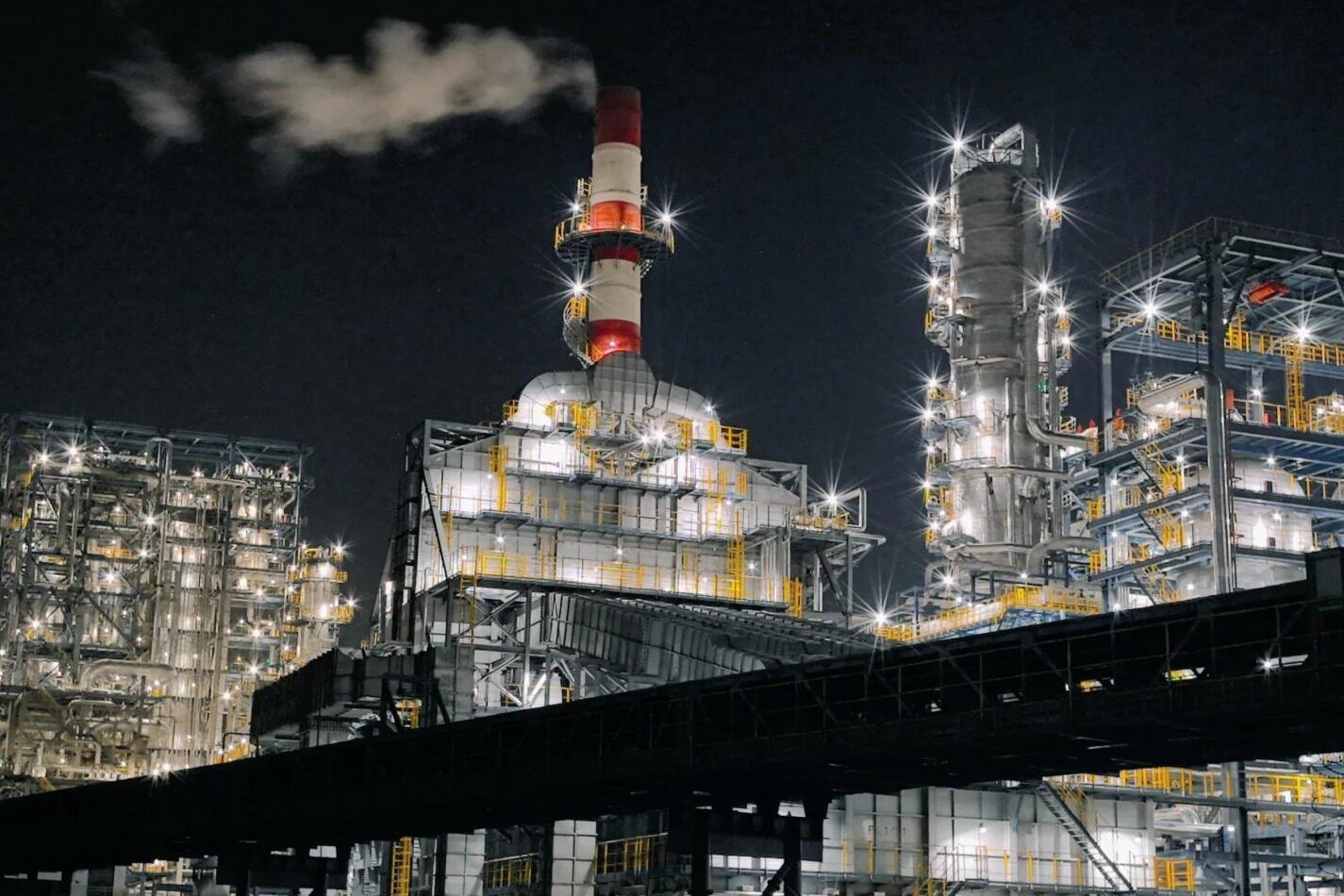
Sri Lanka is drawing up a new blueprint for energy independence and regional hub with its unique geographical location. Recently, Sri Lanka's Energy Minister Kumara Jayakodi announced that Sinopec is about to launch the construction of a large-scale refinery with an investment of 3.7 billion US dollars in the country. This is not only the largest foreign direct investment project in Sri Lanka's history, but also marks a new stage in its energy strategy and regional cooperation.
The project has a daily processing capacity of 200000 barrels of crude oil and is located near the Hambantota Port, which is built and operated in China. It is adjacent to the main international east-west shipping route in the Indian Ocean and has great strategic value. According to Anil Jayanta, Deputy Minister of Economic Development of Sri Lanka, Sinopec is expected to complete the construction within three years.
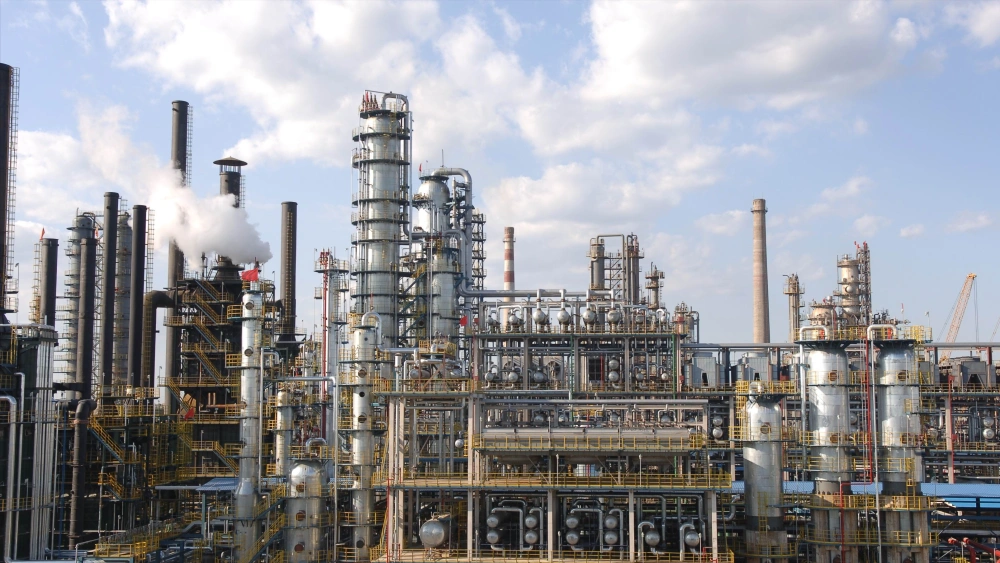
Project Background: Energy Security and Regional Hub Vision
The Sri Lankan government officially approved the Sinopec refinery plan in 2023. After the completion of the project, it will significantly alleviate the country's long-term dependence on fuel imports. At present, Sri Lanka needs to spend billions of dollars annually to import fuel, and in 2022, due to the foreign exchange crisis, fuel supply is tight and even rationing is implemented.
Hambantota Port, as the location of the project, is only 10 nautical miles away from international main shipping routes. Over half of the world's container cargo, one-third of bulk cargo, and two-thirds of oil transportation pass through this port. The establishment of this refinery is expected to turn Sri Lanka into an energy hub for South Asia and even the Indian Ocean region.
Market access becomes a key negotiation point
During the project promotion process, the market access ratio became the focus of negotiations between both parties. The Sri Lankan government initially only allowed Sinopec to sell 20% of its production domestically and the rest for export. However, as negotiations deepen, Colombo is considering increasing the local sales ratio to 40%.
Sri Lanka Investment Commission Chairman Arjuna Herat pointed out that "without greater market access, the feasibility of the project in the current environment will face challenges." Currently, the specific proportion is still under negotiation and is expected to reach a balance between 30% and 40%.
Sinopec has already established a foundation for its layout in Sri Lanka
The cooperation between Sinopec and Sri Lanka is not the first time. In May 2023, both parties signed a long-term agreement, allowing Sinopec to engage in the import, storage, distribution, and sales of petroleum products locally, and to obtain the franchise rights for 150 existing gas stations and 50 new gas stations to be built in the future.
In April of the same year, the Hambantota Port oil depot was successfully put into operation, further consolidating Sinopec's layout in the regional energy network and laying the foundation for the smooth progress of the refinery project.
Sri Lanka is located on a crucial sea route between Asia, Africa, and Europe, making it a sought after investment destination for regional powers such as China and India. India recently announced plans to build an energy center on the east coast of Sri Lanka, indicating the intensification of regional energy competition.
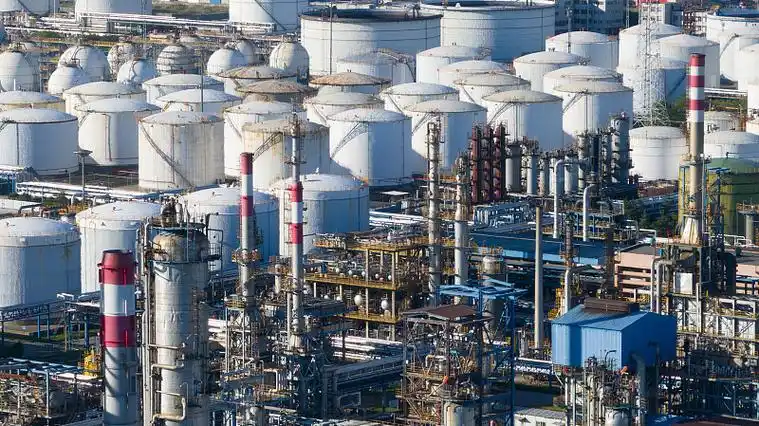
Minister Jiayakodi frankly stated, "Our country is extremely important in geopolitics, with multiple countries operating on this route. This has brought us a natural geopolitical advantage
In addition to the Sinopec project, Sri Lanka also plans to invest approximately $3 billion to expand its state-owned refinery in Colombo, increasing its production capacity from the current 38000 barrels per day to 150000 barrels per day. The project is expected to start next year and be completed within two to three years. Sinopec, India, Qatar and other multinational companies have expressed interest and plan to participate in project bidding. Keywords: the Belt and Road, the Belt and Road News, the Belt and Road Project, Overseas Project
For Sri Lanka, which is recovering from the economic crisis, the significance of this refinery goes far beyond a simple industrial project. It is not only a pillar for ensuring national energy security, but also a banner for attracting foreign investment and revitalizing confidence. It is also a key step for leveraging its own geographical advantages and moving towards a regional energy trade hub. With the construction horn about to ring along the Hambantota Port, Sri Lanka is transforming its geographical "center point" into an economic "growth pole", injecting strong and lasting momentum into its future development. Editor/Xu Shengpeng
Comment





 Praise
 Collect
 Comment

 Share
Share


Write something~