 Search


- With the comprehensive launch of the project, the design, procurement, and construction work have been carried out in an orderly manner
- Dongfang Electric's construction of the country's highest voltage level 500 kV substation project in Kyrgyzstan has officially started, which will help Kyrgyzstan solve the power dilemma and upgrade the old power grid

A transformation concerning energy security and modernization of the power grid is underway in the vast highlands connecting China and Central Asia. Recently, the contract for the Kambalata 2 hydropower station supporting substation project undertaken by Dongfang International, a subsidiary of China Eastern Electric Group, in Kyrgyzstan has officially come into effect. This is the first 500 kV substation EPC project undertaken by the company overseas, and also sets a new record for the voltage level of the Kyrgyzstan power grid. This substation, together with the electromechanical equipment project of the largest hydropower station in the country that was signed in August this year, constitutes a complete energy solution. This is not an isolated project, it is precisely embedded between Kyrgyzstan's urgently upgraded old power grid and ambitious new energy plans, becoming a key link in solving the country's power crisis.

Upgrade old network: from partition power outage to stable power supply
The power grid system in Kyrgyzstan is facing a severe supply-demand imbalance. Its main network structure is mainly inherited from the Soviet era, with outdated equipment and limited transmission capacity. At the same time, with the development of the economy and the improvement of electrification level, the power load continues to grow rapidly. According to reports, during the peak electricity consumption in December 2024, the maximum load rate of the country's power grid once reached 90% to 95%, and many places had to resort to regional power outages as a last resort to ensure the safety of the backbone network. To alleviate the power shortage, the government even needs to import electricity from Kazakhstan, Turkmenistan, and Uzbekistan across borders. This vulnerability not only constrains economic development, but also directly affects people's livelihoods.
Therefore, building and upgrading substations and unleashing the transmission potential of existing lines have become the top priority for the energy sector in Kyrgyzstan. Starting from 2025, Kyrgyzstan has launched a nationwide power grid renovation plan. Its State Grid Corporation announced that it will self fund the construction of six 110 kV and 35 kV substations, and replace old lines and wooden poles on a large scale, aiming to "improve the stability of power grid operation and avoid overload risks during seasonal electricity peak periods". The 500 kV substation project supporting the Kambalata No.2 hydropower station is the most technically advanced and strategically significant project in this series of upgrades and renovations.
In addition, this substation with the highest voltage level also carries the vision of Kyrgyzstan participating in regional electricity trade and transforming a landlocked country into an energy hub. In the past, the southern power grid of the country was weak and relied on transit transmission from neighboring countries for a long time. With the completion of the Datka Keming 500 kV North South Power Transmission Project in China Kyrgyzstan cooperation, the situation has greatly improved. Looking towards the future, Kyrgyzstan has initiated preliminary work on ultra-high voltage substations such as Tamga Karakol aimed at exporting electricity to China. The area where the Kambalata project is located is situated on this blueprint for cross-border power cooperation. The operation of the new substation not only enables efficient transmission of local clean water and electricity, but also lays a solid hardware foundation for future integration into regional and even cross-border power grid interconnection and power export.
Deep integration of Chinese solutions with local demands
The smooth progress of this project also marks a new stage of technological depth and mode innovation in the cooperation between China and Kyrgyzstan in the field of energy infrastructure. Dongfang Electric is not simply undertaking projects, but is deeply localized through its newly established Central Asia Regional Operations Center, aiming to strengthen cooperation with local enterprises and provide support for regional energy stability. In terms of project execution, China will fully leverage its EPC general contracting advantages in the field of overseas power engineering, and be responsible for the full chain management from design, procurement to construction. It is worth noting that the project follows strict compliance requirements in Kyrgyzstan, including a localization procurement ratio of up to 80% and mandatory environmental assessments. The deep integration of Chinese technology and local regulations ensures that the project can truly take root in the local area and continue to operate. Keywords: the Belt and Road project news, the Belt and Road news
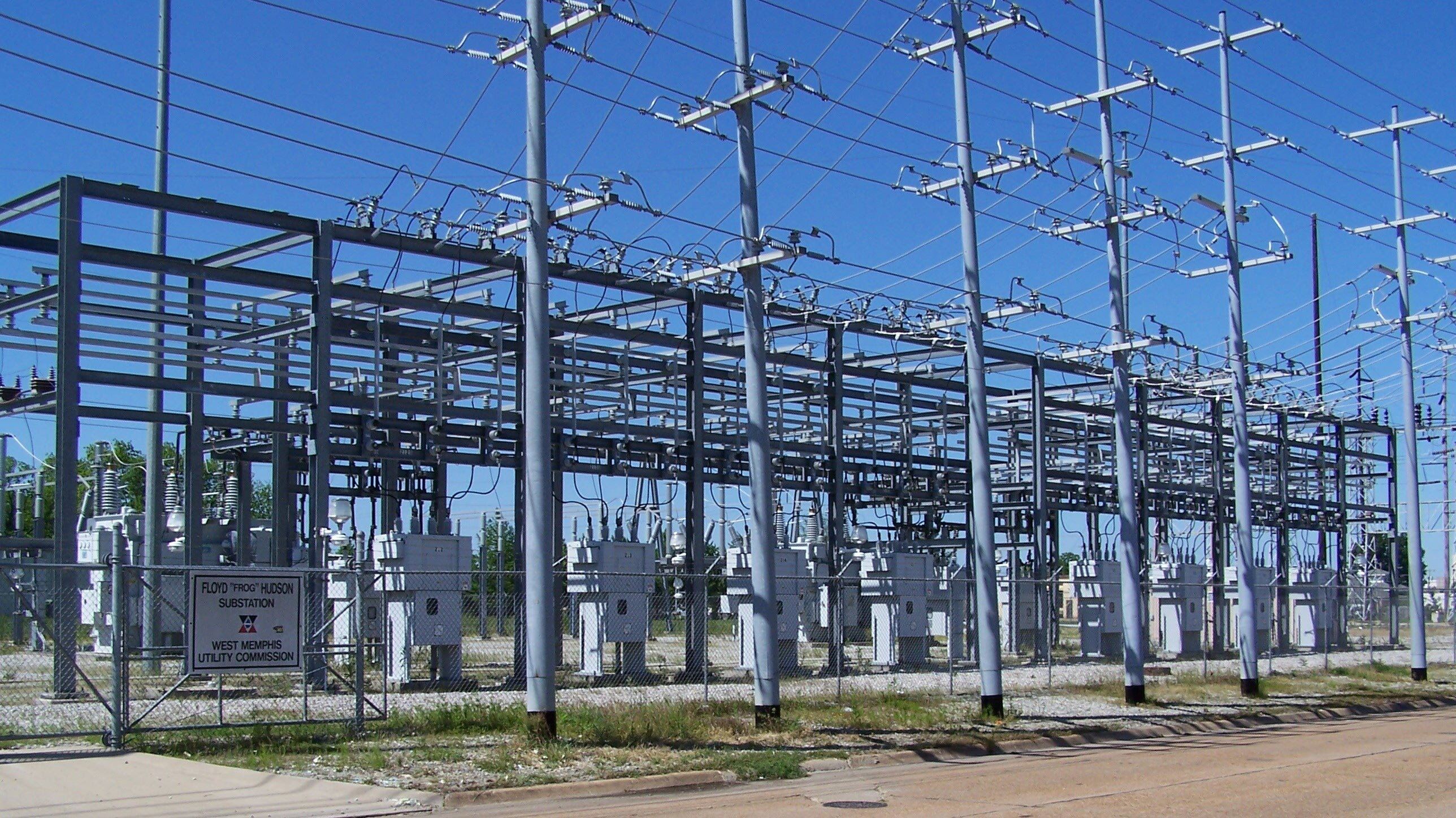
From a broader perspective, this substation is another vivid case of China and Central Asian countries jointly building the the Belt and Road and practicing the concept of green development. Dongfang Electric Group is promoting its clean energy solutions in Central Asia using a similar model. For Kyrgyzstan, the series of energy infrastructure projects represented by the Kambalata project is not only an emergency measure to alleviate the current power shortage, but also a key investment to promote the green transformation of energy structure and achieve long-term sustainable development goals.Editor/Cheng Liting
Comment

 Praise
 Collect
 Comment

 Share
Share


Write something~