 Search


- A series of projects have been implemented, marking a more pragmatic expansion of the industrial chain for international cooperation
- These projects are vivid practices of jointly consolidating the development foundation with the host country and addressing their respective transformation challenges
When the global development focus is on the forefront of technology and finance, a series of fundamental projects related to national economy and people's livelihood are quietly landing on the three continents of Asia, Africa, and Latin America. Recently, three important projects involving or led by Chinese companies have made significant progress, from the Newbury Region in Chile to the Gachasnak Region in Lesotho, and then to the Huapan Province in northern Laos. They are not the largest mega projects, but they precisely point to the most urgent deep needs in the development of different regions - water resource security, transportation interconnection, and resource industrialization. The advancement of these projects is not only a microcosm of China's deep cultivation of foreign economic and technological cooperation, but also reflects the common path of global southern countries accelerating their own development through high-quality infrastructure.
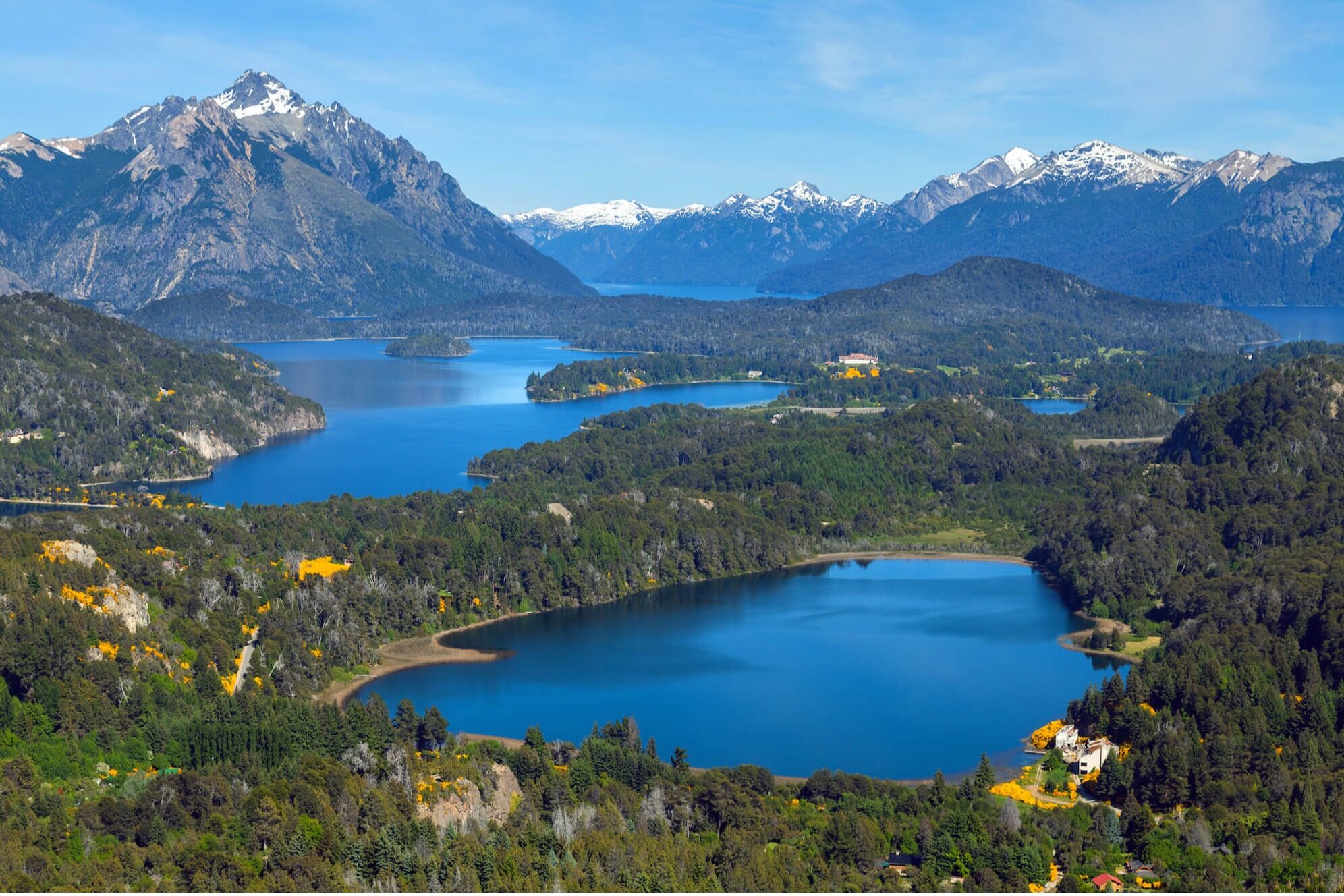
Sapaya Reservoir Project in Chile
In South America, the Sapaya Reservoir project successfully won the bid of China Water Resources and Electric Power Corporation Chile Branch, which has a landmark market breakthrough significance. This project is the company's first foreign exchange contracting project in Chile, which means that Chinese infrastructure companies have won recognition in the high-end infrastructure market in Chile with strict quality standards and fierce competition, thanks to their excellent technical solutions, mature engineering experience, and international management capabilities.
The profound value of the Sapaya Reservoir is rooted in Chile's unique geographical conditions. Chile has a narrow north-south territory with complex and diverse geographical and climatic conditions. The stable water supply in the Dijiyan River basin where the project is located is crucial for regional agriculture and economy. This reservoir with a total storage capacity of approximately 80 million cubic meters will directly provide reliable irrigation water sources for over 10000 hectares of arable land, and also have comprehensive functions such as domestic water supply, flood control and storage, and ecological regulation. Against the backdrop of Chile upgrading its national transportation network through large-scale investment and ambitiously developing green industries such as green hydrogen, ensuring water resources is the cornerstone of all development. This project is not only a single water conservancy project, but also a strong support for Chile's regional balance and sustainable development strategy.
Lesotho Road Upgrading Project
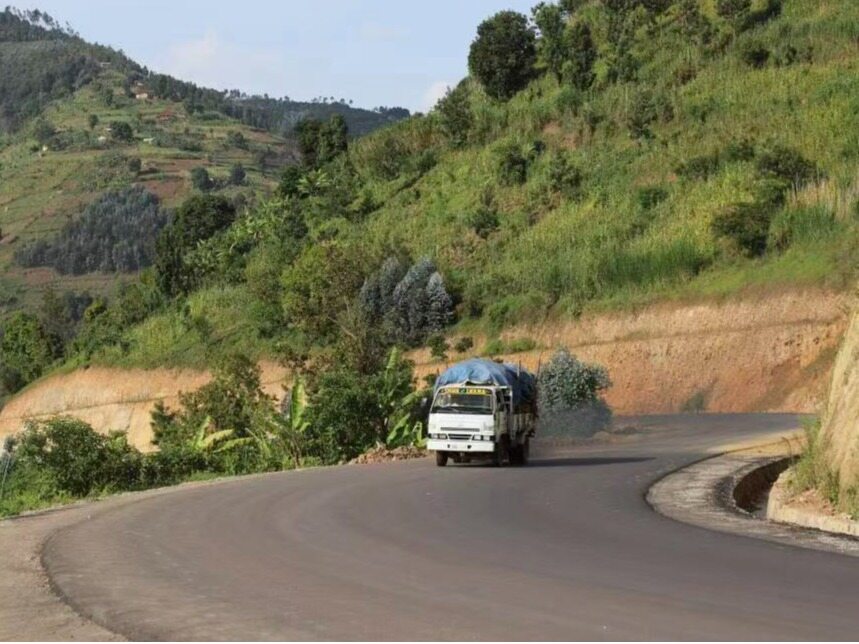
In the southern part of the African continent, the road upgrade project won by the Mauritius branch of China Hydropower International Corporation in Lesotho is a substantial change from scratch. The project aims to upgrade approximately 45 kilometers of existing gravel roads in the Matlali Lebaken area to asphalt roads that meet the country's B-level standards, and to construct supporting facilities such as bridges and culverts.

For Lesotho, a mountainous kingdom, transportation is one of the main bottlenecks restricting its socio-economic development. The upgrade of this road is far more than just the replacement of pavement materials. It will significantly improve the travel conditions of local residents, reduce transportation costs, and connect remote communities with a larger economic network. The road carries the hope of local residents to obtain basic services such as education and healthcare, as well as the possibility of regional agricultural products leaving mountainous areas and attracting investment. As the company's first road project in the Lesotho market, its successful implementation will lay a solid foundation for future development, and its social benefits and economic driving role will gradually emerge in the future.
Laos Huapan Mineral Development Project
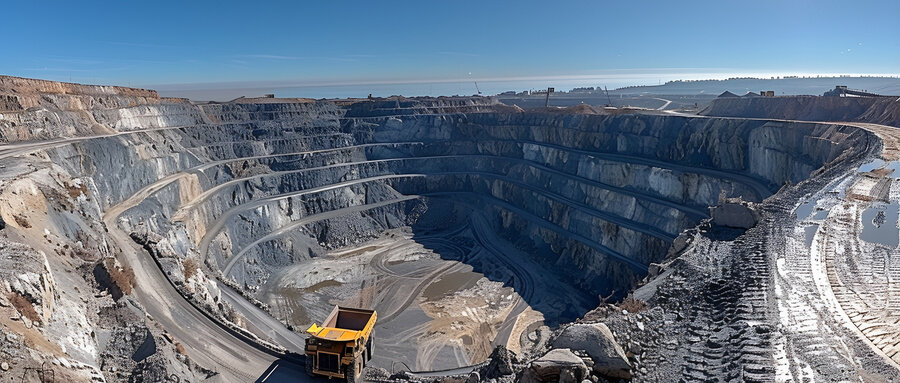
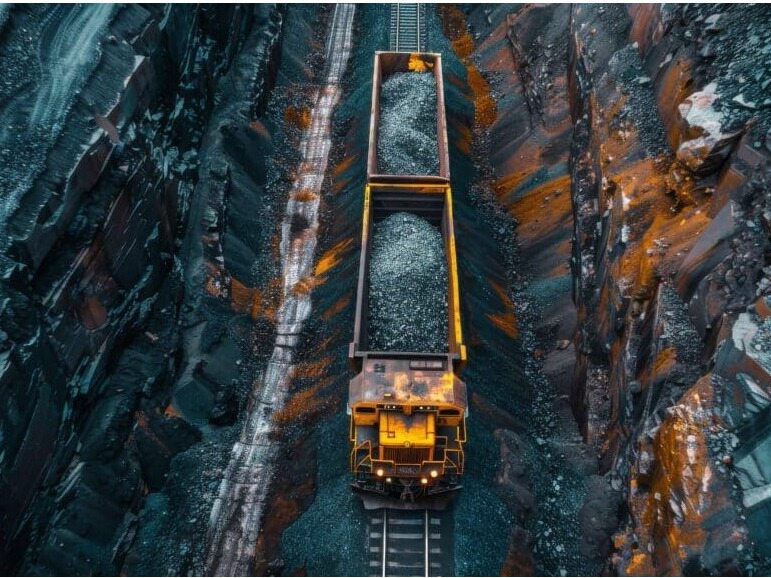
In Southeast Asia, China Road and Bridge Engineering Co., Ltd. has signed a contract with a Laotian enterprise to jointly develop non-ferrous metal resources in Huapan Province, marking the extension of cooperation to the upstream of the industrial chain. Huapan Province, known as the treasure trove of resources in Laos, has various mineral resources such as copper, nickel, lead, zinc, cobalt, etc. This cooperation is different from simple trade exports, but covers joint exploration, deep processing, and industrial chain development, committed to transforming underground resource advantages into tangible industrial advantages.
This new model of resource development and industrial cooperation directly addresses Laos' core demand for seeking endogenous economic growth as a landlocked developing country. By establishing a joint working mechanism, both parties aim to ensure project safety, environmental protection, compliance, and efficient operation. This is not only a combination of capital and resources, but also a sharing of technology, standards, and development experience. The advancement of the project is expected to provide strong impetus for Laos to establish a modern mining system, cultivate local technical talents, increase fiscal revenue and employment, and is an important part of its industrialization process.
Looking at these three projects across three continents, although their fields are vastly different, they share a clear internal logic. They all accurately respond to the most specific and urgent fundamental needs of the host country in the process of national development and transformation and upgrading: Chile's pursuit of water resource security and agricultural resilience, Lesotho's desire to break transportation barriers and integrate into the modern economy, and Laos' urgent expectation to transform natural resources into industrial development capital. Keywords: the Belt and Road project news, the Belt and Road news
In today's profound adjustment of the global economic pattern, the interconnection of infrastructure and the consolidation and upgrading of industries are still the only way for developing countries to cross the development gap. Chile's reservoirs, Lesotho's roads, and Laos' mines are like solid anchor points, not only consolidating the foundation of each country's own development, but also jointly outlining a new vision of international cooperation that is equal, mutually beneficial, pragmatic, and inclusive.Editor/Cheng Liting
Comment

 Praise
 Collect
 Comment

 Share
Share


Write something~