 Search


- This project integrates 1500 megawatts of clean electricity and a 1300 kilometer transmission corridor
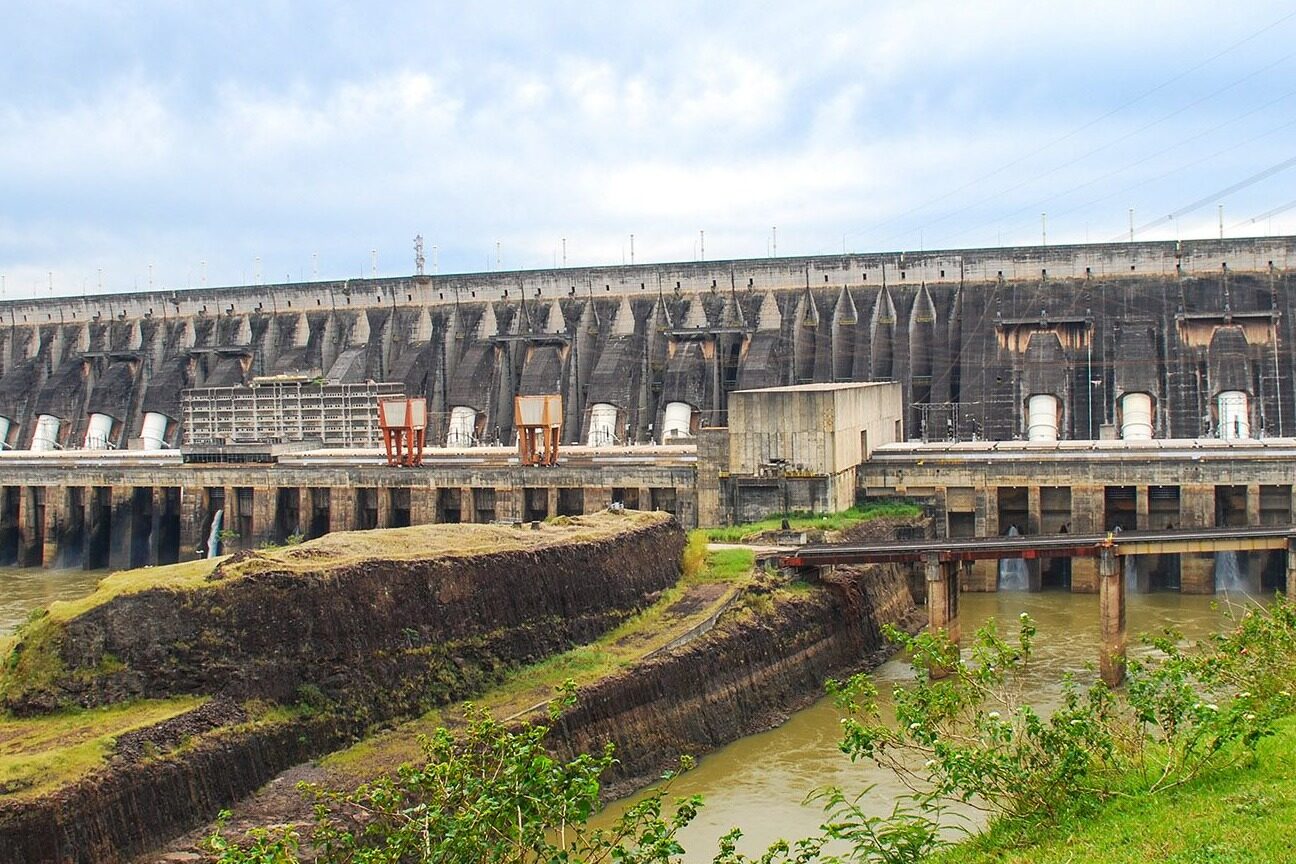
The Implementation Office of the Mpanda Enkwa Hydroelectric Power Project (GMNK) and Mozambique Electric Power Company (EDM) recently signed a milestone cooperation agreement, marking the substantial progress stage of this major hydroelectric project with a total investment of approximately 4.5 billion US dollars. This project is not only one of the most important power infrastructure commitments in Africa, but also seen as a key catalyst for promoting regional energy transformation and economic development.
1500 MW of clean electricity and 1300 km of transmission corridor
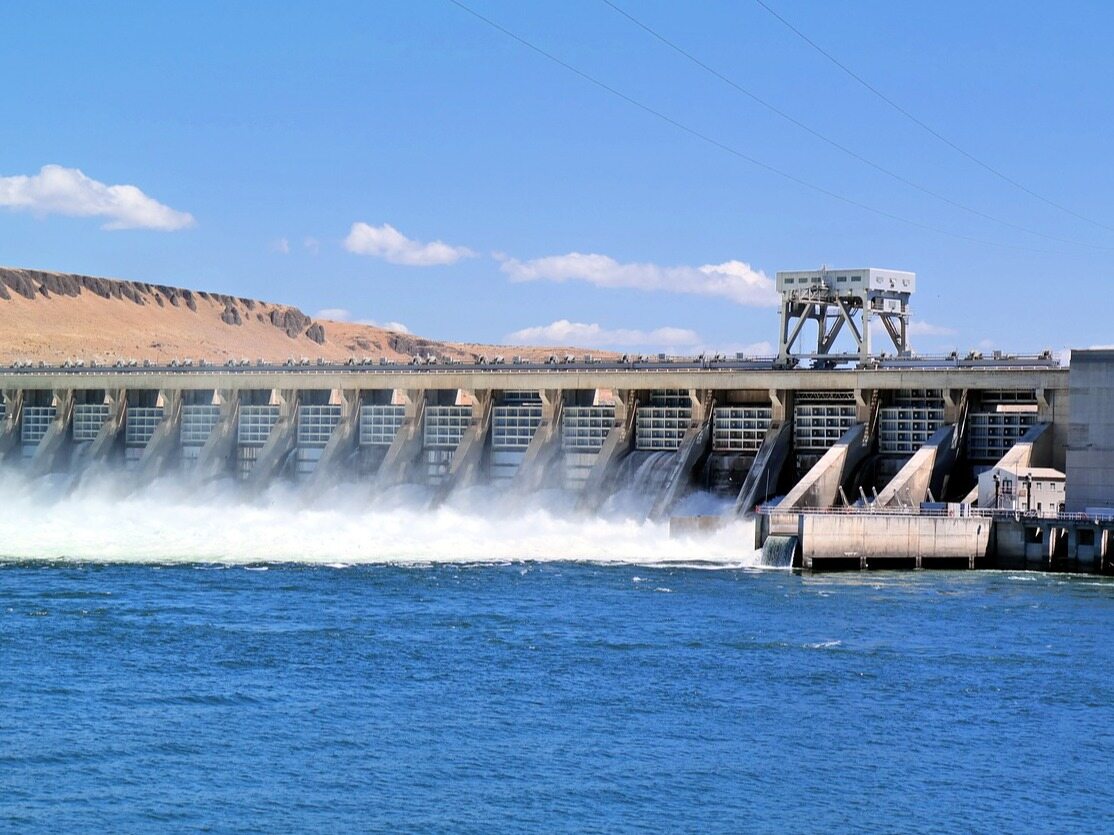
The project plans to construct a runoff dam on the Zambezi River, 61 kilometers downstream of the Kabrabasa Dam, using advanced hydropower technology with an installed capacity of up to 1500 megawatts. The supporting transmission infrastructure includes a 1300 kilometer high-voltage line connecting Tete and Maputo, which will completely reshape Mozambique's energy distribution capacity and lay a solid foundation for exporting electricity to member countries of the Southern African Development Community (SAVC) and becoming a major energy hub in the region.
The impact of this project goes far beyond power generation. Its power supply range will cover multiple areas such as Malala, Chiuta, and Kabrabasa in Tete Province, and extend to a wide range of fields such as drinking water supply, medical services, agricultural development, and education capacity building. Through the Social Development Plan, communities affected by the project will be integrated into the power grid, and their living standards will achieve a qualitative leap.
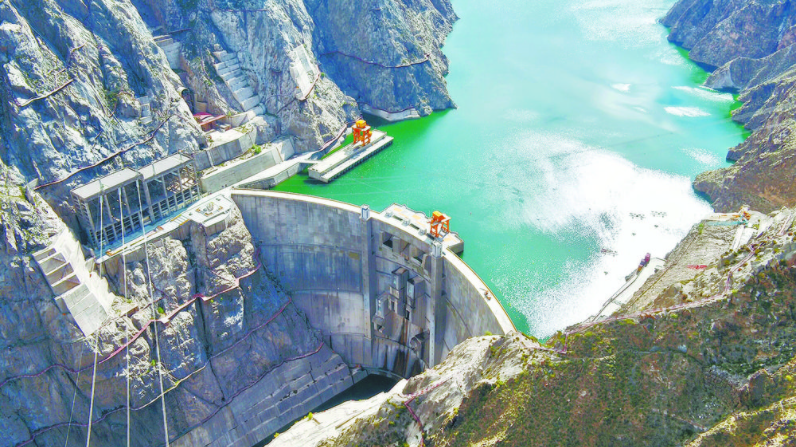
The project strictly adheres to international environmental, social, and governance (ESG) standards throughout the entire process, committed to minimizing ecological impact while maximizing community benefits. This core strategy has a strong appeal to institutional investors worldwide who prioritize ESG.
Cost effectiveness is the highlight of this project, which promises to achieve the lowest cost electricity supply in the region. This competitive advantage not only strengthens Mozambique's industrial development prospects, but also enhances its potential for electricity exports to neighboring countries.
The cooperation between GMNK and EDM has set an example of public-private partnership, a collaborative model supported by international development finance institutions that effectively reduces implementation risks, ensures sustainable operation, and continues to attract "resilient capital" such as pension funds and sovereign wealth funds that pursue long-term stable returns. Keywords: the Belt and Road news, international engineering news, foreign engineering projects
As global capital increasingly focuses on sustainable infrastructure investment, the Mpanda Enkwa hydroelectric project provides institutional investors with a rare opportunity - it perfectly aligns with contemporary investment philosophy of creating measurable social and environmental benefits while achieving significant financial returns. Editor/Xu Shengpeng
Comment



 Praise
 Collect
 Comment

 Share
Share


Write something~