 Search


- By exploring and practicing the new model of "photovoltaic+sand control", effective governance has been achieved
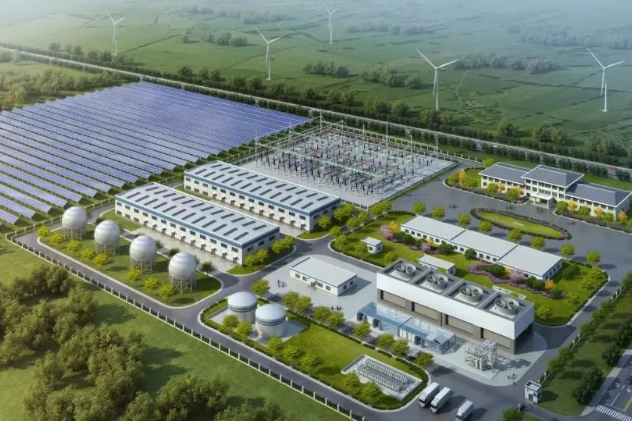
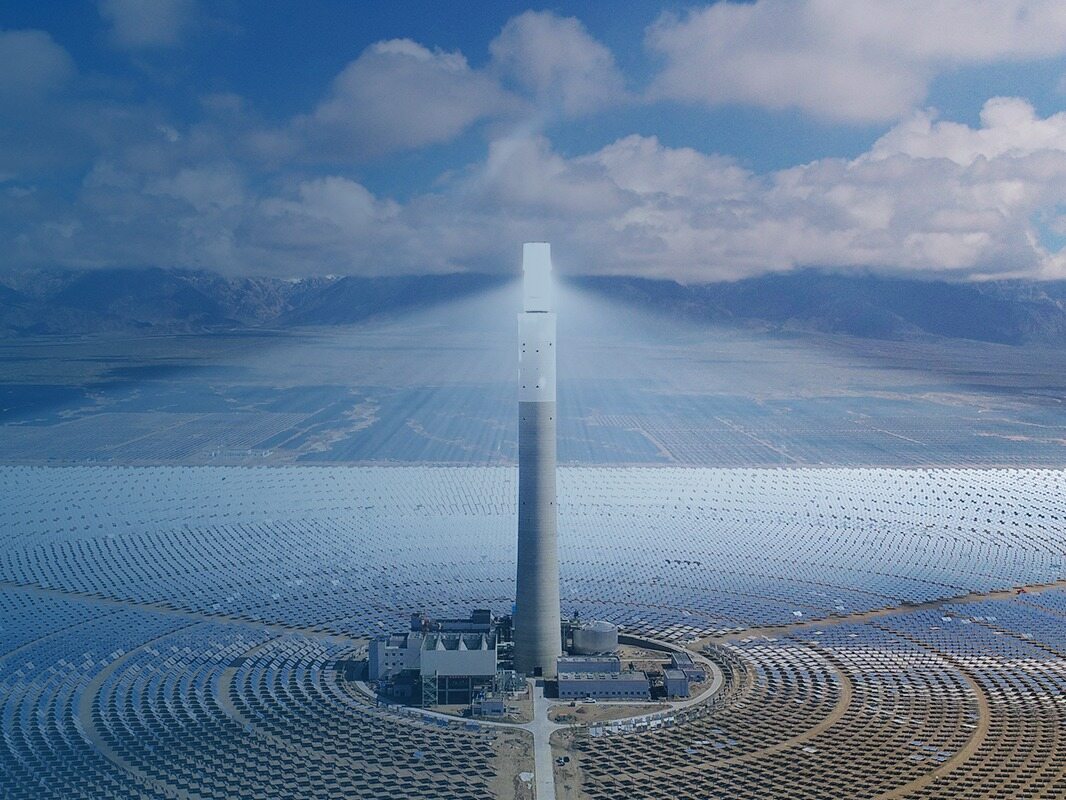
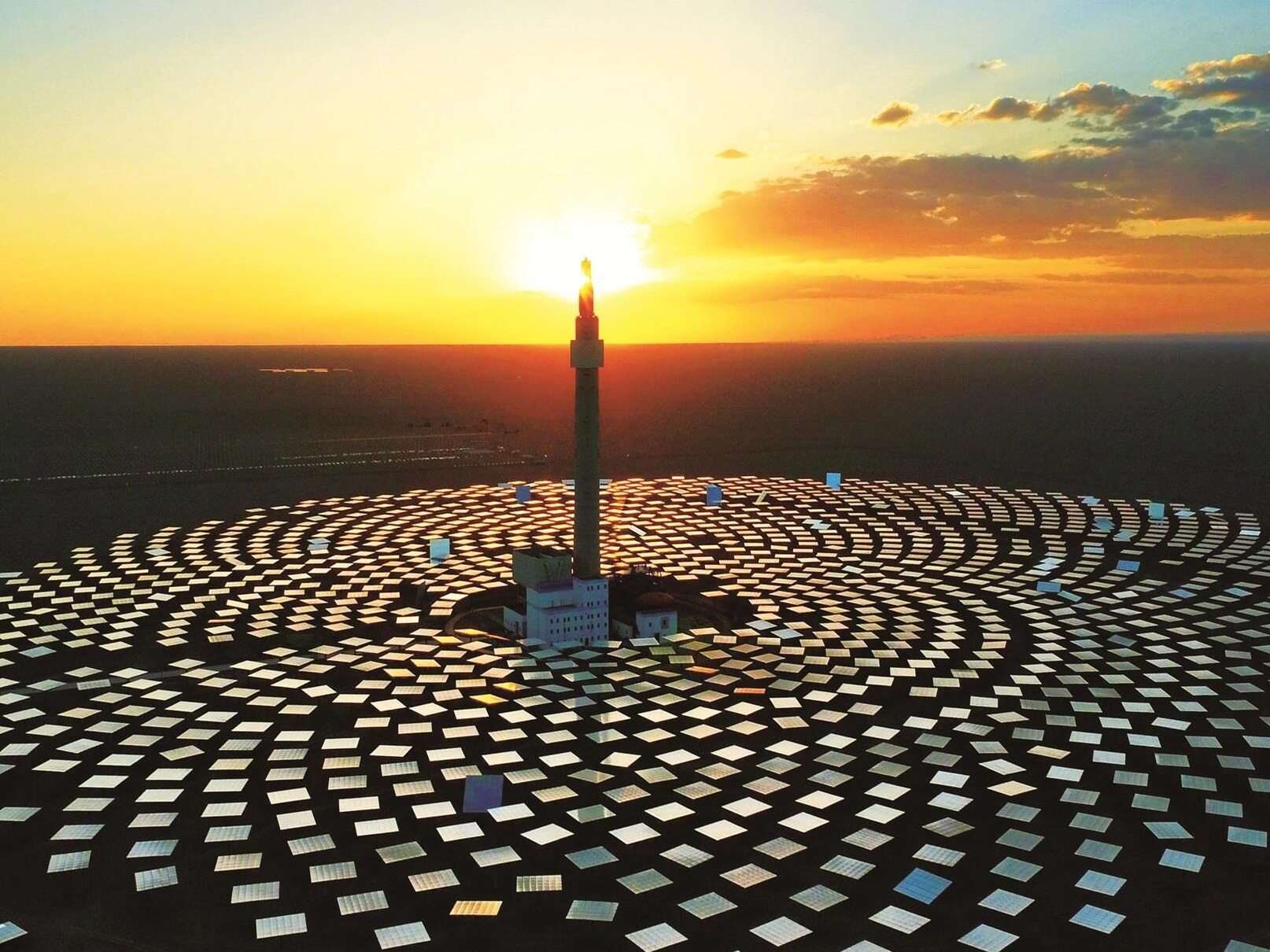
On September 29th, the construction of the new energy base in the central and northern part of the Kubuqi Desert in Inner Mongolia began comprehensively.
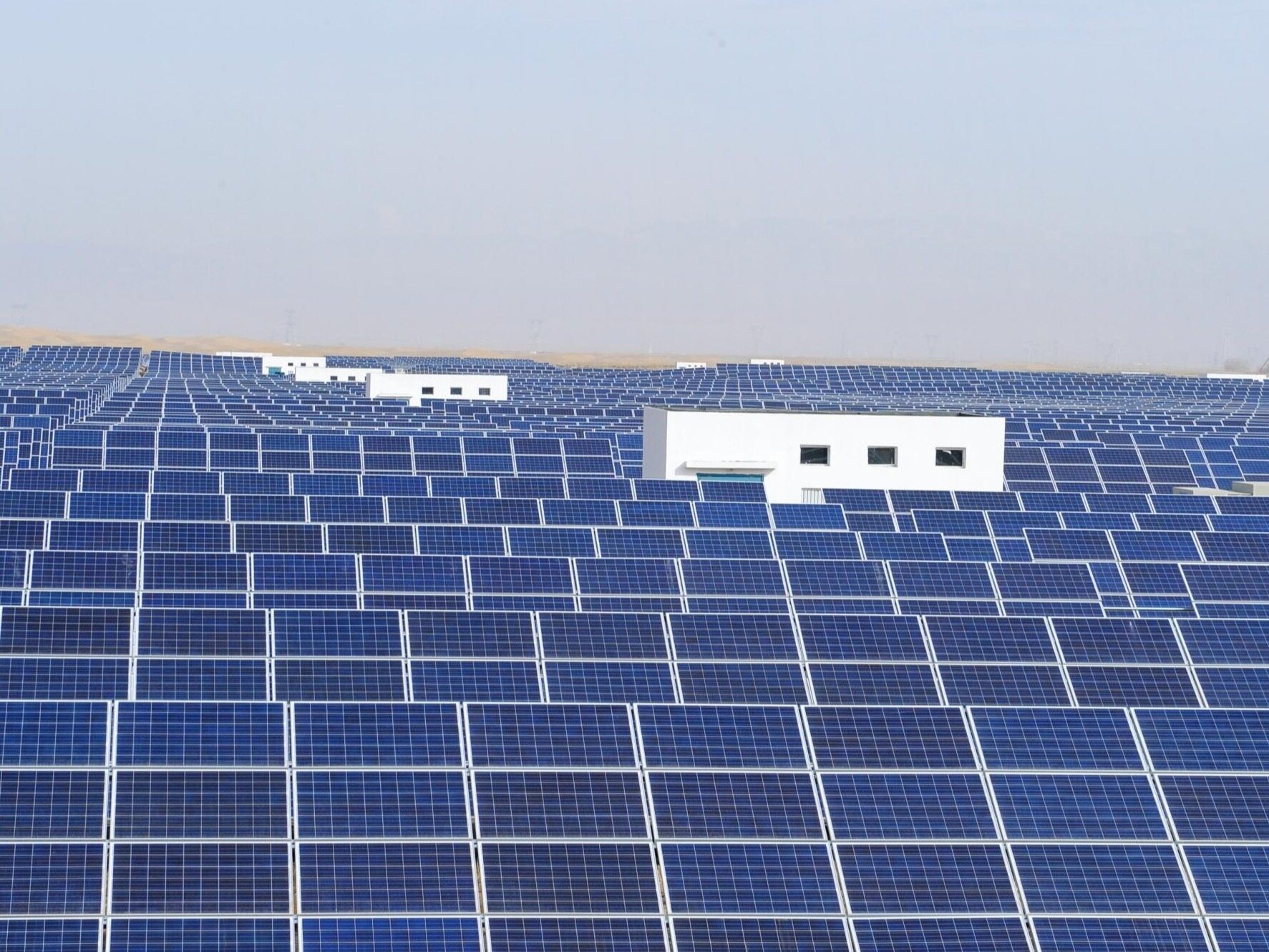
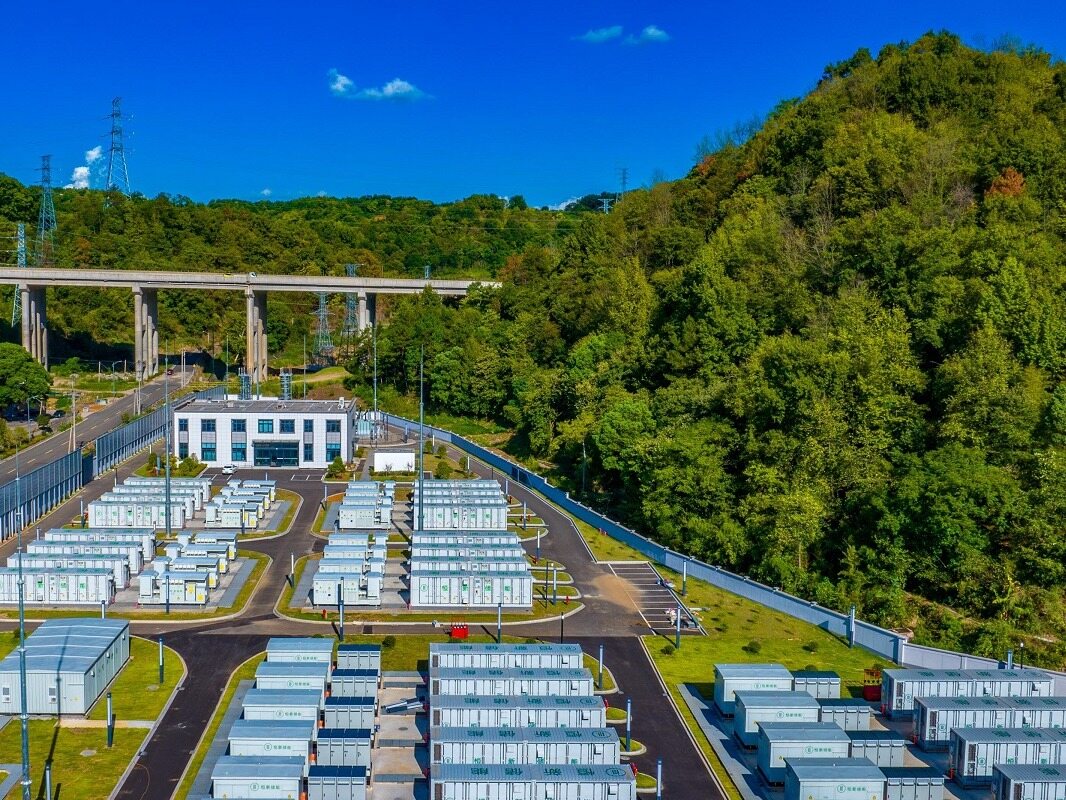
The total investment of the project is 98.8 billion yuan, with a planned construction of 8 million kilowatts of photovoltaic power, 4 million kilowatts of wind power, 4 million kilowatts of supporting coal-fired power, and 5 million kilowatt hours of new energy storage. At the same time, the base is supporting the construction of a "Inner Mongolia Ordos to Hebei Cangzhou" ultra-high voltage power transmission channel, with a designed total length of 699 kilometers and a voltage level of ± 800 kV.
It is reported that the new energy base in the central and northern parts of the Kubuqi Desert is the first large-scale wind and solar power base in Inner Mongolia to fully start construction, with a capacity of tens of millions of kilowatts.
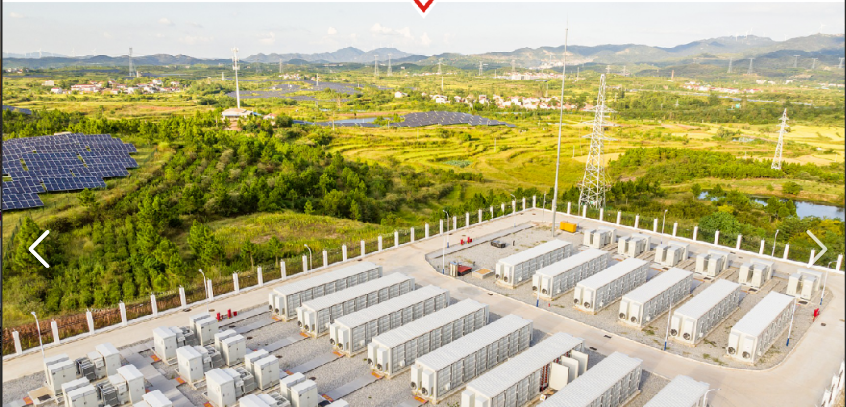
The base is planned to be completed and put into operation by the end of 2027. After operation, it can transmit approximately 36 billion kilowatt hours of electricity annually to the North China power grid centered on the Beijing Tianjin Hebei region, of which new energy accounts for 60%. It can reduce the consumption of standard coal by about 6.4 million tons and reduce carbon dioxide emissions by about 16 million tons annually.
As the largest wind and photovoltaic base in China's 14th Five Year Plan, the "Shage Desert" wind and photovoltaic base, the Kubuqi Desert Base, has currently built 13.06 million kilowatts of new energy. Through exploring and practicing the new model of "photovoltaic+desertification control", about 300000 acres of desertified land in the Kubuqi Desert have been effectively controlled.
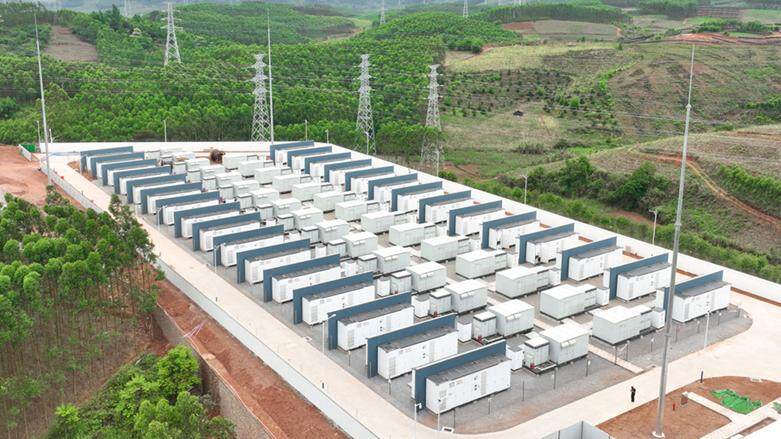
As of now, Inner Mongolia has been approved for six large-scale wind and photovoltaic bases in Shagehuang, with a planned total installed capacity of 72 million kilowatts of new energy. After completion, it will deliver 216 billion kilowatt hours of electricity annually to North China, East China, and Central China, with green electricity accounting for about 60%. This can reduce standard coal consumption by about 38.4 million tons and carbon dioxide emissions by nearly 100 million tons.Editor/Bian Wenjun
Comment

 Praise
 Collect
 Comment

 Share
Share


Write something~