 Search


- Energy storage systems are also listed as key development directions in energy planning, used for frequency regulation functions
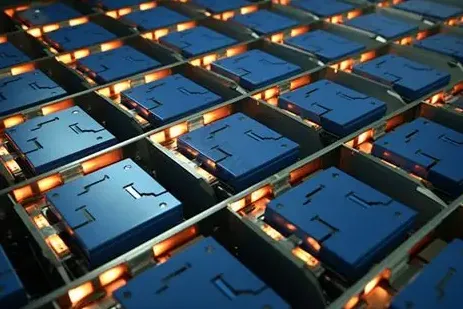
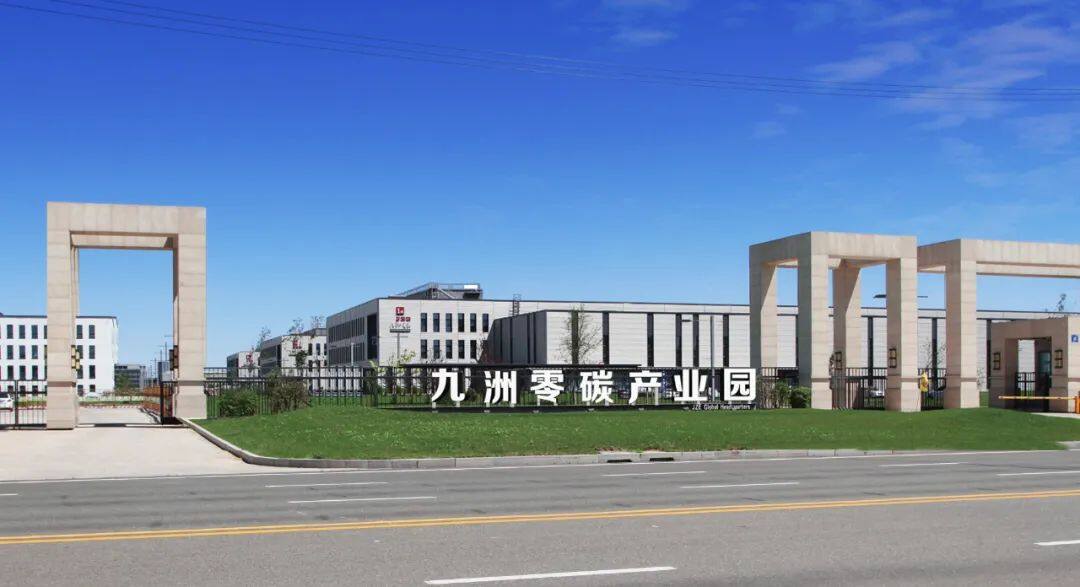
Recently, Harbin Jiuzhou Group Co., Ltd. successfully won the bid for the procurement of AC/DC power systems for four major energy storage projects in Uzbekistan.
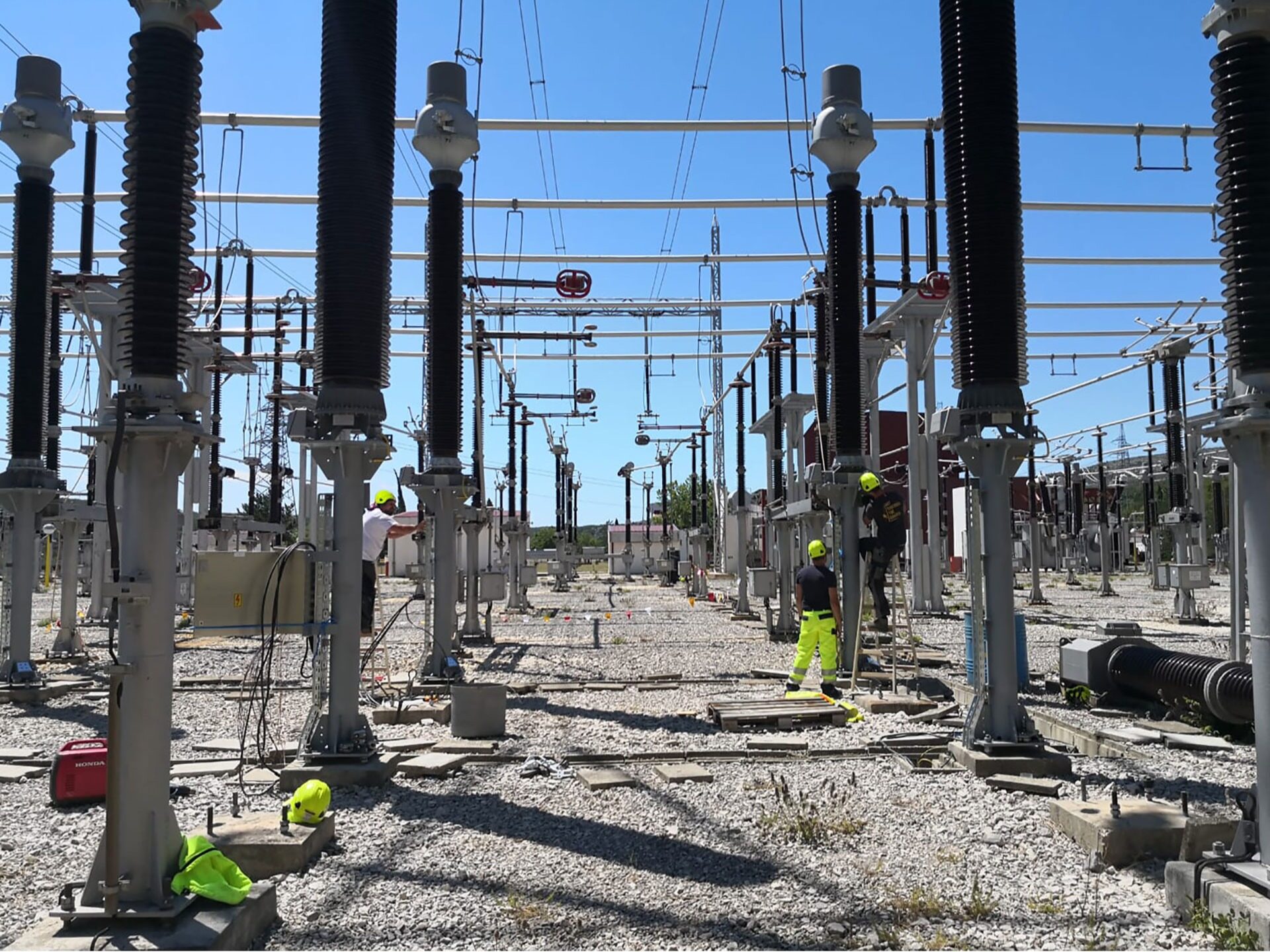
This batch of energy storage projects is an important measure for Uzbekistan to optimize its energy structure and ensure the stability of the power grid. It is a key project for the promotion of Uzbekistan's renewable energy strategy, with a total scale of 400MW/800MWh, distributed in densely populated and heavily loaded areas such as Andijan Oblast, Namangan Oblast, and Tashkent. The project adopts an advanced "one-time over allocation" design, with an actual capacity of the energy storage system ranging from 245.96MWh to 260.48MWh. The aim is to smooth the output of new energy through electrochemical energy storage facilities, participate in grid peak shaving, efficiently absorb green electricity, and help Uzbekistan achieve its energy security and transformation goals.
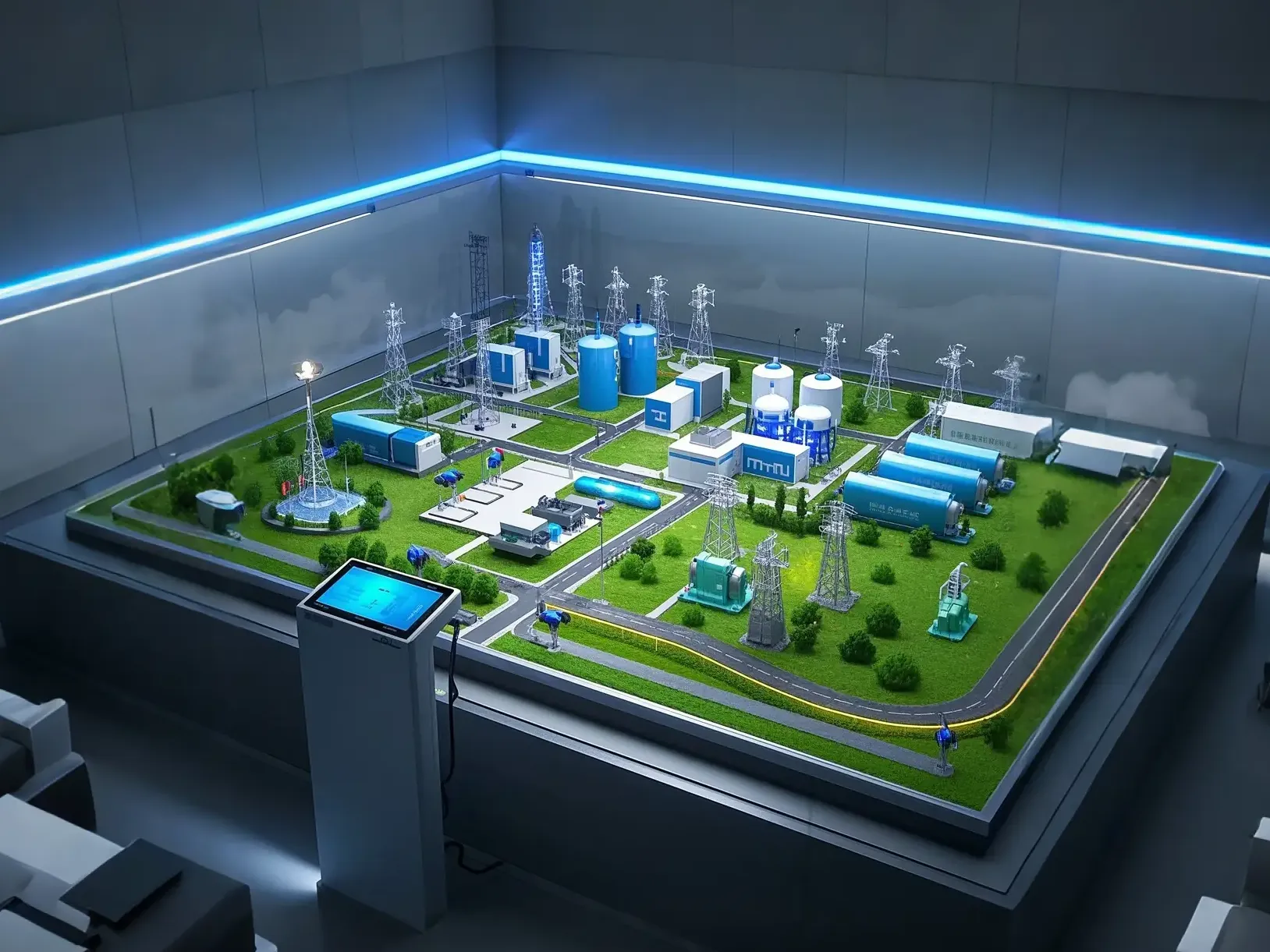
The AC/DC power system won by Jiuzhou Group this time is the core control equipment to ensure the stable operation of energy storage power stations. Among them, the DC system provides reliable control power for key equipment such as lithium iron phosphate battery packs and circuit breakers; The communication uninterruptible power supply ensures the stable operation of monitoring, protection, and communication systems around the clock, effectively eliminating the risk of loss of control caused by fluctuations in station power consumption. The system, with its high reliability, provides solid support for the rapid response, safe grid connection, and remote dispatch of energy storage power stations, directly ensuring the core functions of power grid peak shaving, frequency regulation, and new energy consumption of the project.
As a typical resource-based country in Central Asia, Uzbekistan has long relied mainly on natural gas and coal for power generation. However, the sustained growth of domestic electricity demand, pressure on fossil energy exports, and international emission reduction commitments are jointly driving the country to restructure its energy development strategy. In early 2024, the Uzbekistan government raised its target for the proportion of renewable energy in the electricity structure from 25% to 40% by 2030.
To achieve this goal, the government has introduced a series of incentive policies to actively attract international capital and technology participation, including reducing import tariffs on equipment such as photovoltaic modules and inverters from 15% to 0%; Allow 100% foreign ownership of energy projects; Winning the bid for government projects can also receive priority loans from the Uzbekistan Reconstruction and Development Fund, with an interest rate of only 4.5%; Provide a 10-year tax exemption period and a 5-year 50% tax reduction discount. These policies provide great convenience and attraction for foreign-funded enterprises to enter the Uzbekistan electricity market. It is worth noting that energy storage systems have also been listed as a key development direction in energy planning, not only for peak shaving and frequency regulation functions, but also to provide support for larger scale renewable energy access in the future.
Since the beginning of this year, Uzbekistan has attracted multiple Chinese companies. In March of this year, China Energy Construction Longjiang Energy Construction won the bid for the energy storage project in Tashkent, Uzbekistan. The project includes the first phase of 200MW photovoltaic, the second phase of 200MW photovoltaic, and a 500MWh energy storage system; Recently, Shandong Electric Power Construction Company also successfully won the bid for the Sergeli 175 MW/350 MWh energy storage power station project in Uzbekistan.
In addition, the core projects of the Uzi Phase III energy storage project, the Obi 100MW/200MWh energy storage project and the Aken 100MW/200MWh energy storage project, which were deeply participated in by Uzi Southern Energy Company, invested by China Energy Construction Overseas Investment Corporation, and contracted by Central South Electric Power Design Institute, have also started construction in full recently.Editoe/Bian Wenjun
Comment



 Praise
 Collect
 Comment

 Share
Share


Write something~