 Search


- Forming an industrial chain of "photovoltaic+planting+breeding"; Combining the local cultural and tourism resources of "Foundry Town"
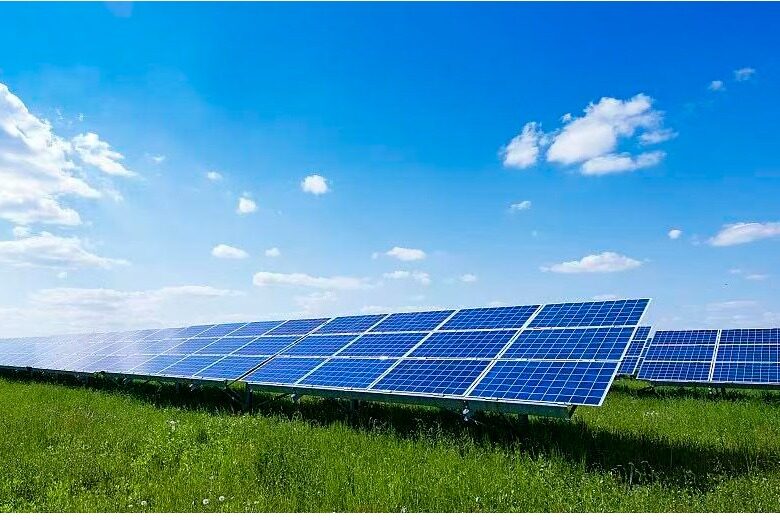
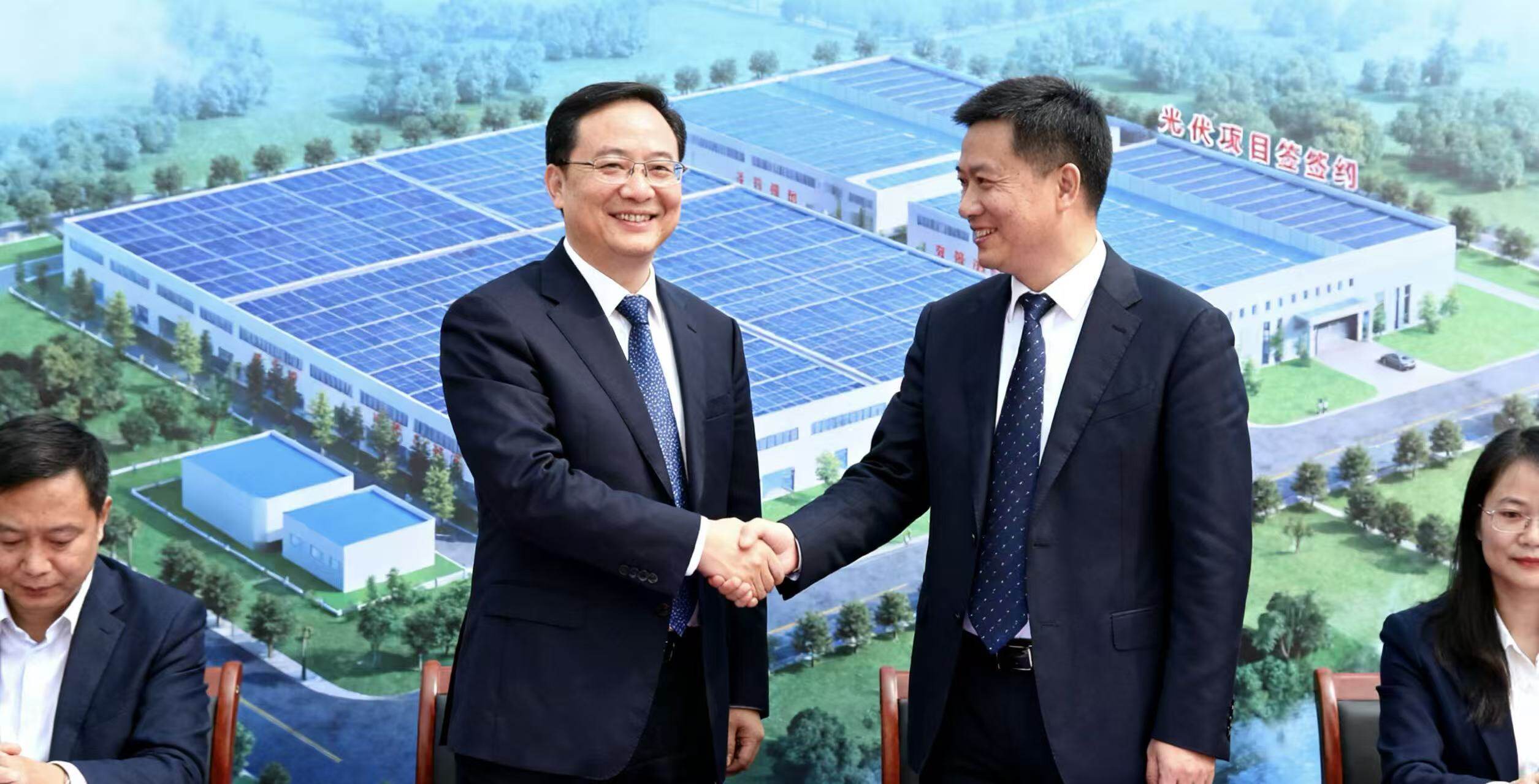
Recently, Hunan Development Group and the People's Government of Jiahe County, Chenzhou City officially signed an investment agreement for photovoltaic projects, with a planned total investment of 2.4 billion yuan to develop centralized photovoltaic power stations in the local area. The total planned installed capacity of the project is 800 megawatts, and the first batch of engineering construction is expected to start in the first quarter of 2026, with full capacity grid connected power generation completed by the end of 2029.
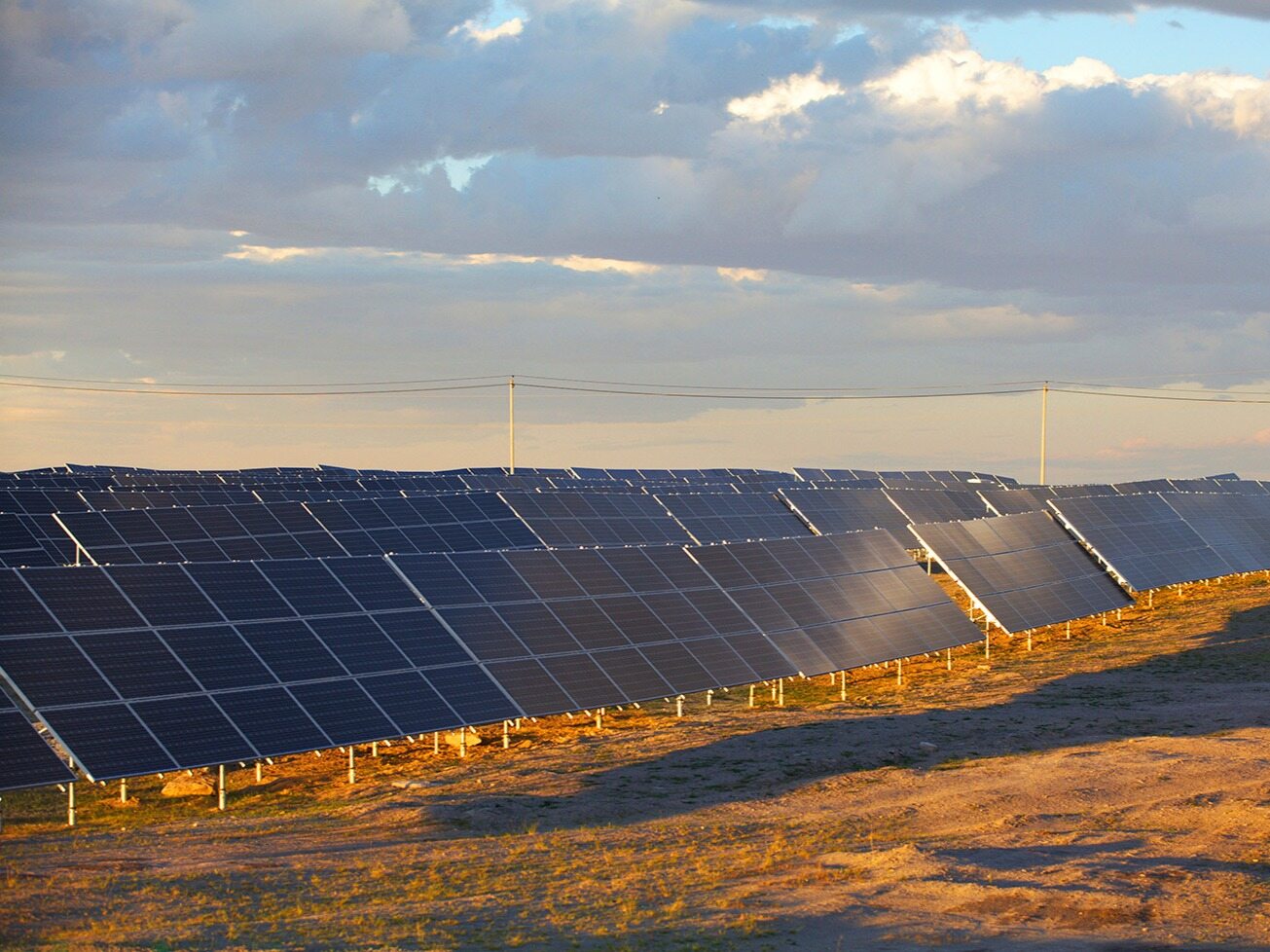
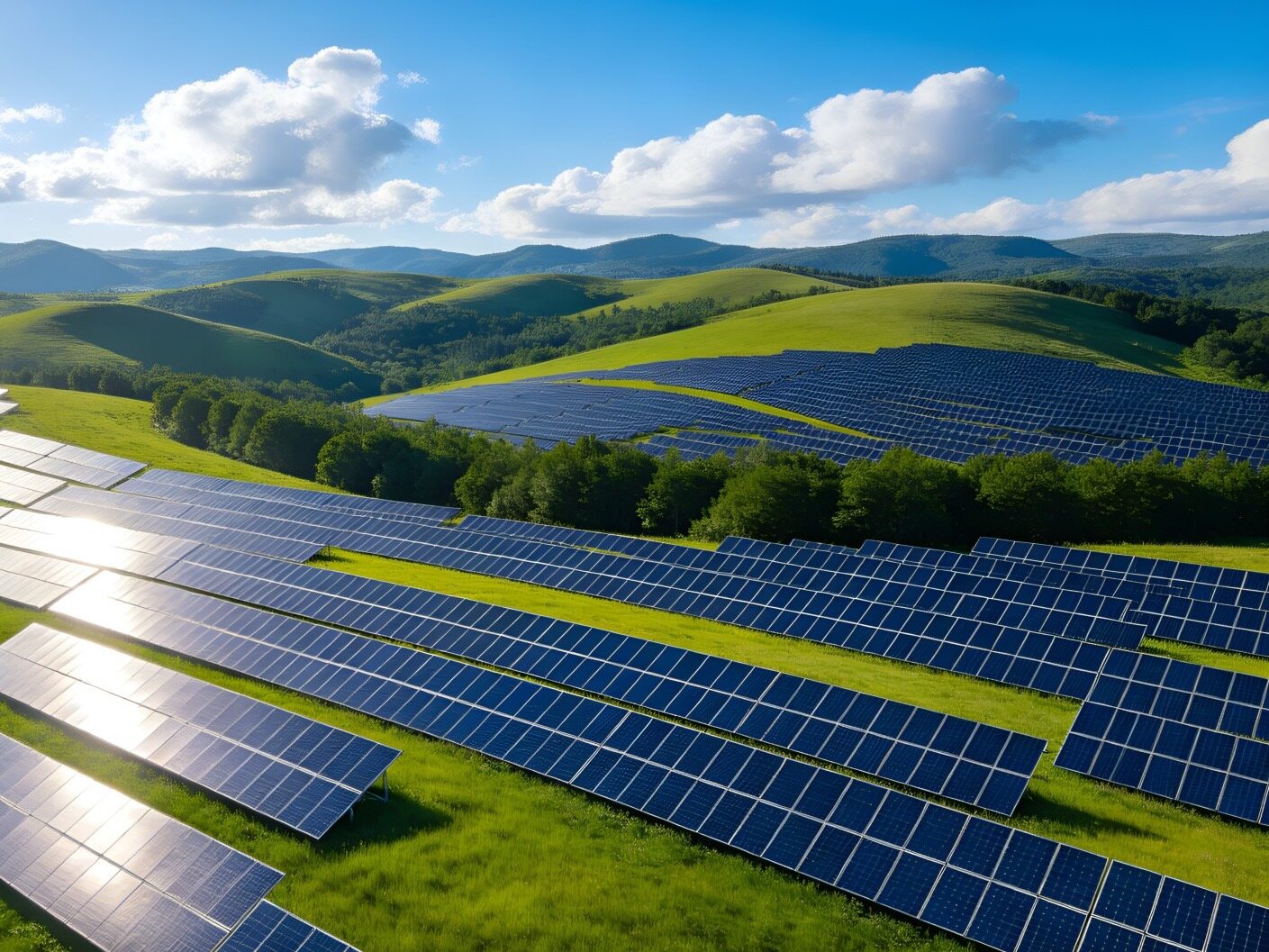
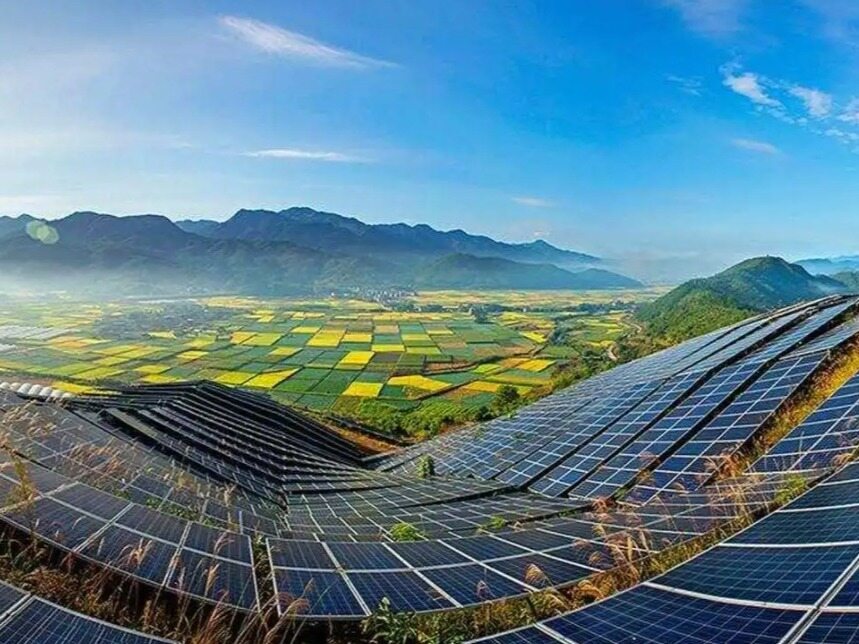
The photovoltaic project signed this time will adopt the "agricultural photovoltaic complementarity" model, achieving a three-dimensional utilization mode of "on-board power generation and off board planting" without changing the agricultural use of land. The project site is concentrated on idle wasteland and sloping farmland in six townships including Zhuquan Town and Tangcun Town in Jiahe County. It is expected to provide about 1 billion kilowatt hours of clean electricity annually, which is equivalent to reducing standard coal consumption by 300000 tons and carbon dioxide emissions by 750000 tons. At the same time, it will drive more than 2000 local employment opportunities and increase the average annual income of village collective economy by more than 5 million yuan.
The relevant person in charge of Hunan Development Group stated that this project is a key layout for the group to deepen its "new energy+rural revitalization" strategy. In the future, energy storage facilities and smart operation and maintenance centers will be synchronously built to create a comprehensive demonstration project integrating power generation, energy storage, and ecological agriculture. The Jiahe County Government has also made it clear that a special working group will be established to provide "one-stop" services in project land approval, power grid access, and other aspects to ensure the efficient progress of the project.
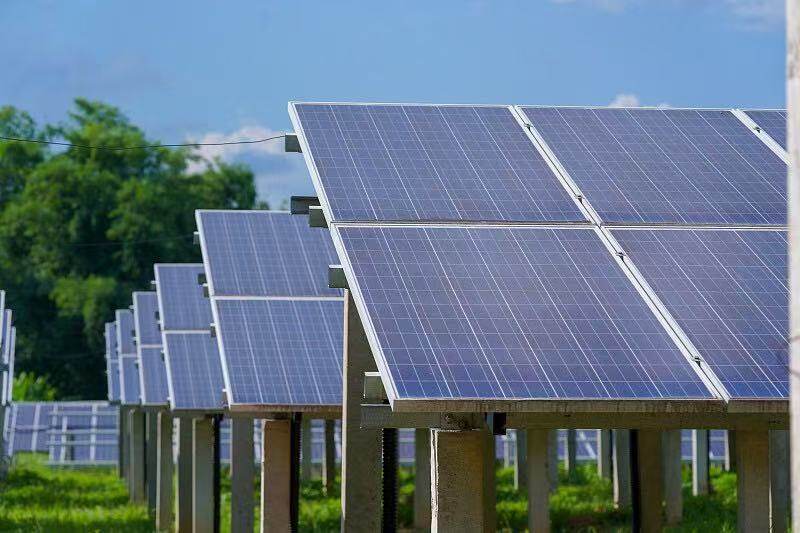
After the completion of the project, it will not only become a leading centralized photovoltaic base in southern Hunan, but also lay the foundation for Jiahe County to build a "green energy demonstration county", promote the deep integration of local energy structure transformation and rural industrial upgrading, and form a replicable and promotable "photovoltaic+rural revitalization" development model.
To ensure the effective implementation of the "agricultural photovoltaic complementary" model, the project team has collaborated with Hunan Academy of Agricultural Sciences to complete land survey and crop adaptation plan design. In response to the subtropical monsoon climate and red soil characteristics in Jiahe County, under board planting will be divided into three functional areas: in the gaps between photovoltaic panels with weak light conditions, priority will be given to planting shade tolerant economic crops such as Poria cocos, Ganoderma lucidum and other medicinal mushrooms, with an expected annual output value of 8000-12000 yuan per mu; In areas with sufficient sunlight, large-scale cultivation of high-quality forage and silage corn will be carried out, supporting the development of beef cattle breeding industry, forming a closed-loop industrial chain of "photovoltaic+planting+breeding"; At the same time, 15% of the land will be reserved for pilot planting of ornamental flowers and traditional Chinese medicine, combined with local "casting town" cultural and tourism resources, to create photovoltaic sightseeing trails and agricultural experience areas, and to promote the development of rural tourism.
At the engineering construction level, the project will adopt a strategy of "phased development and rolling grid connection". The first batch of 200 MW projects to be launched in 2026 will focus on building a 500 acre demonstration planting area and a 100 MW/200 MWh supporting energy storage power station, while simultaneously completing the construction of a 35 kV booster station and transmission lines to ensure grid connected power generation that year. In the subsequent construction batches, unmanned aerial vehicle inspections and AI intelligent operation and maintenance systems will be introduced to achieve bidirectional optimization of power generation efficiency and agricultural output through real-time monitoring of light intensity, soil moisture, and crop growth data.
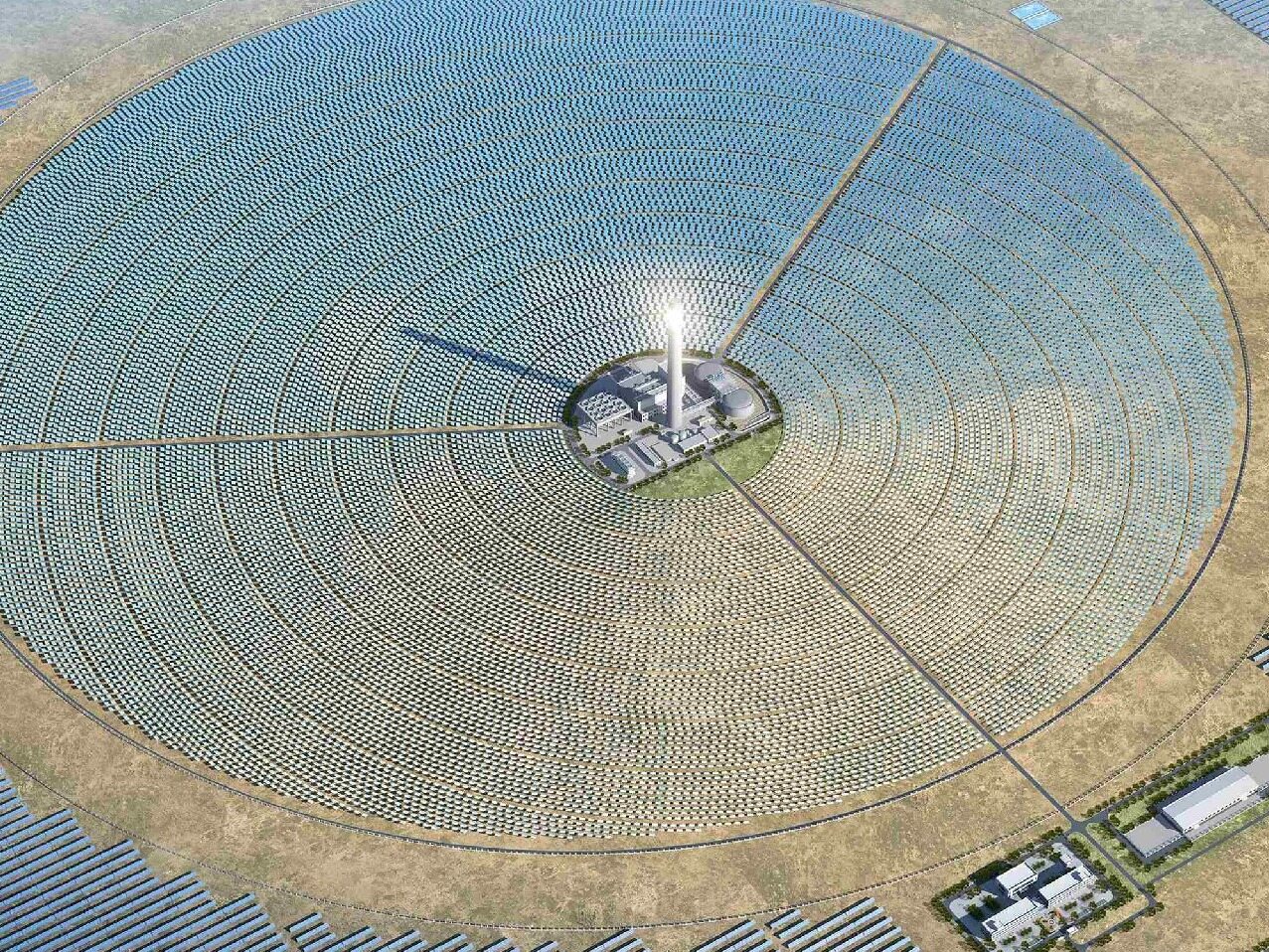
From the perspective of regional development, the radiation effect of this project will gradually become apparent. On the one hand, during the project construction period, a large amount of local building materials need to be purchased and surrounding labor needs to be absorbed, which is expected to directly drive the output value growth of Jiahe County's construction and transportation industries by more than 300 million yuan; On the other hand, the annual tax paid after the project operation will be specifically used for upgrading rural infrastructure. It is planned to renovate the irrigation pipe networks of five surrounding administrative villages and build four industrial roads within three years to solve the "last mile" problem of agricultural product transportation. In addition, Hunan Development Group has also reached a cooperation agreement with Jiahe County Vocational College to offer targeted training courses on photovoltaic operation and maintenance, modern agricultural technology, etc. In the next three years, more than 200 professional and technical talents will be trained to reserve strength for long-term project operation and local industrial development.
With the launch of the first batch of projects in 2026, Jiahe County is accelerating its transformation from a "traditional agricultural county" to a "demonstration zone for integrated development of green energy". This project is not only an important milestone for Hunan Development Group to layout the new energy track, but also a typical practice of "coordinated promotion of rural revitalization and dual carbon goals" in Hunan Province, providing a reference model for similar regions to explore the unity of ecological benefits, economic benefits, and social benefits.Editor/Bian Wenjun
Comment

 Praise
 Collect
 Comment

 Share
Share


Write something~