 Search


- By 2025, Africa will add 11.3 GW of renewable energy installed capacity, which is three times that of 2024
- The cost of solar power generation has decreased by nearly 90% in the past decade, and Africa is becoming the center of global
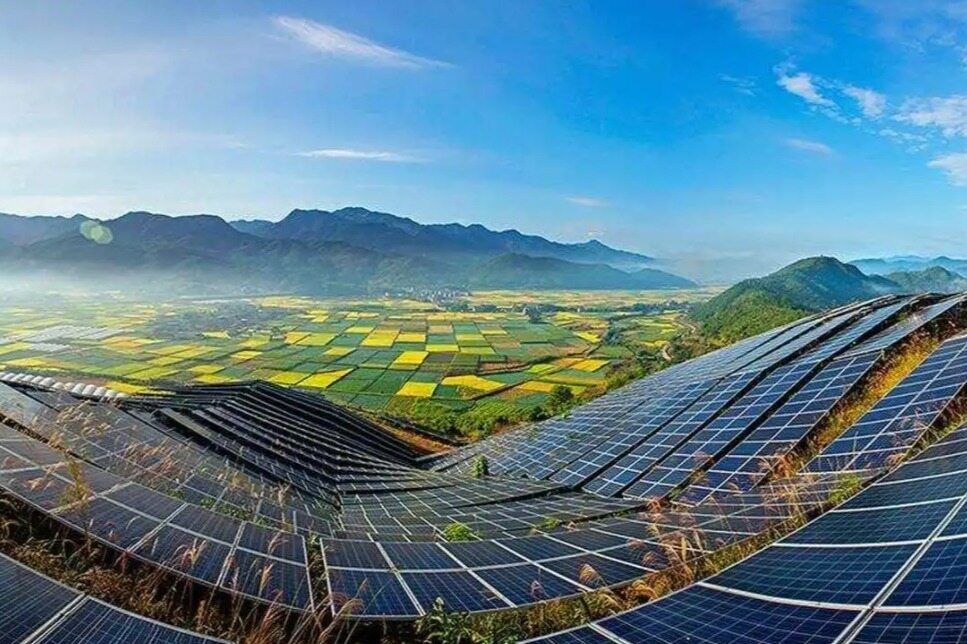
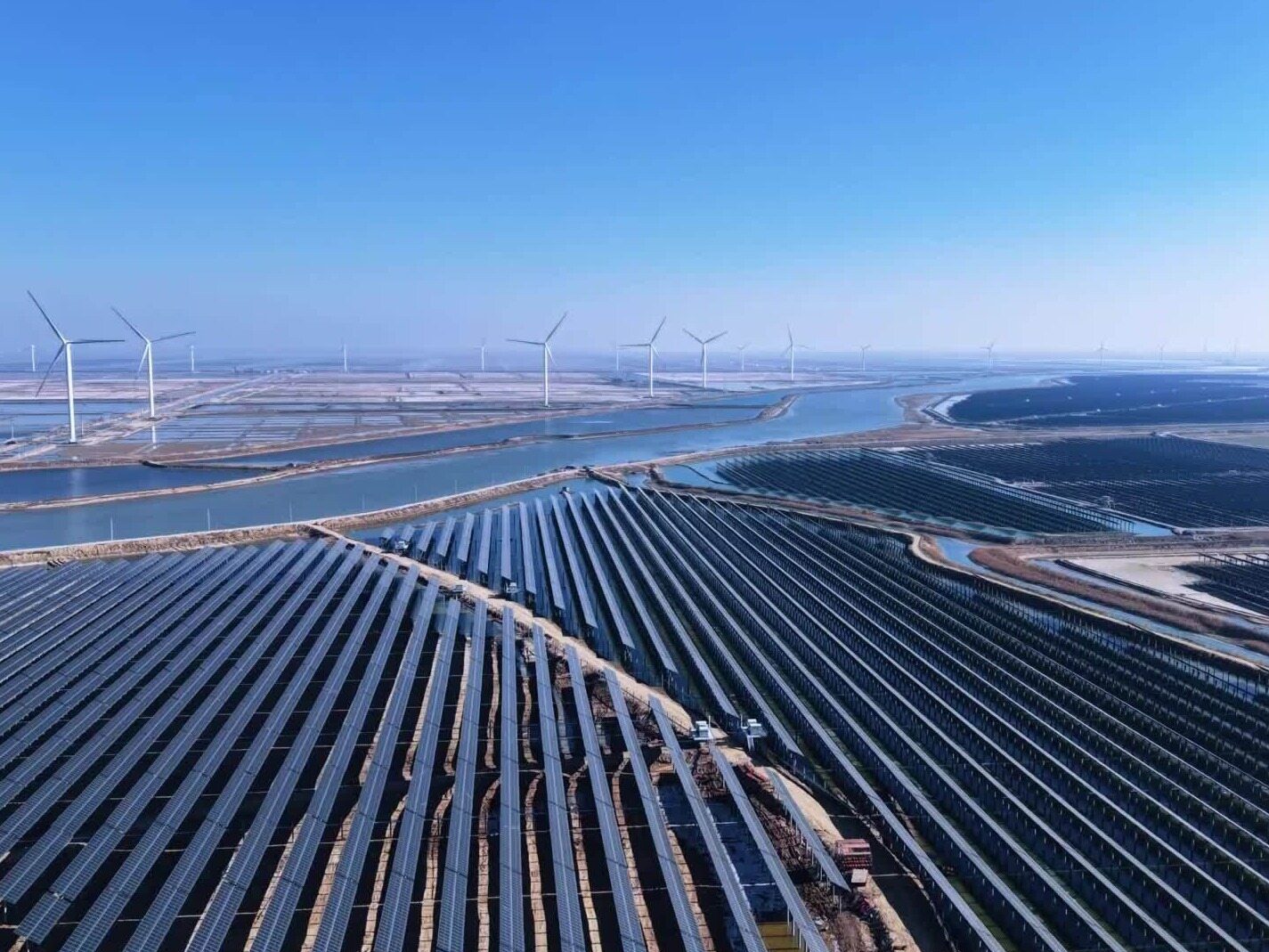
In April 2026, the Zambia Development Agency (ZDA) and the Zambian Embassy in China successfully docked a milestone $1.5 billion energy investment. China Machinery Engineering Corporation (CMEC Group) has committed to developing a diversified power mix with a total capacity of 900 megawatts in Zambia, including 300 megawatts of coal-fired power, 300 megawatts of photovoltaic power, and 300 megawatts of wind power.
This investment is a microcosm of Africa's energy transition. As governments and investors around the world gradually move away from coal-fired power and large hydroelectric dams and seek cheaper, faster, and more reliable sources of electricity, the new generation of energy projects in Africa is increasingly focused on new energy. Although coal-fired power projects still exist, reflecting the sustained demand for stable base load electricity on the African continent, more and more African countries are turning to deploying faster and lower cost renewable energy projects in the face of rising fuel import costs, unstable power grids, and increasing industrial electricity demand.
Solar and wind power are on the rise
According to Electron Intelligence, an energy research institution, a total of 322 energy projects will be announced in Africa by 2025, of which 173 will be solar projects, ranking first; Next are 46 hydropower projects, 34 wind power projects, 22 natural gas projects, and 14 hybrid energy projects.
Mugwe Manga, the head of climate finance in Kenya, said, "Africa is not a peripheral participant in the global energy transition, but is at its center. Africa has the world's highest quality renewable energy resources, and now its economy has clearly shifted towards clean energy
Olamide Niyi Afuye, CEO of the African Microgrid Developers Association (AMDA), stated that the entire African continent is undergoing a deeper strategic transformation of energy infrastructure, with the core being the construction of energy systems that can be deployed faster, gradually expanded, and supported by flexible financing models. Niyi Afuye specifically mentioned that the role of solar energy in microgrid systems is increasingly important.
According to data from the International Renewable Energy Agency (IRENA), the newly installed renewable energy capacity in Africa reached a record high of 11.3 GW in 2025, which is three times that of 2024. Among them, South Africa, Egypt, and Ethiopia contributed the majority of the newly installed capacity.
Cost reduction is a key factor
The significant decrease in technology costs is driving this trend. Since 2010, the global cost of utility grade solar power has decreased by nearly 90%, and the cost of onshore wind power has decreased by about 70%. This has made renewable energy the cheapest way to generate new electricity in many African markets.
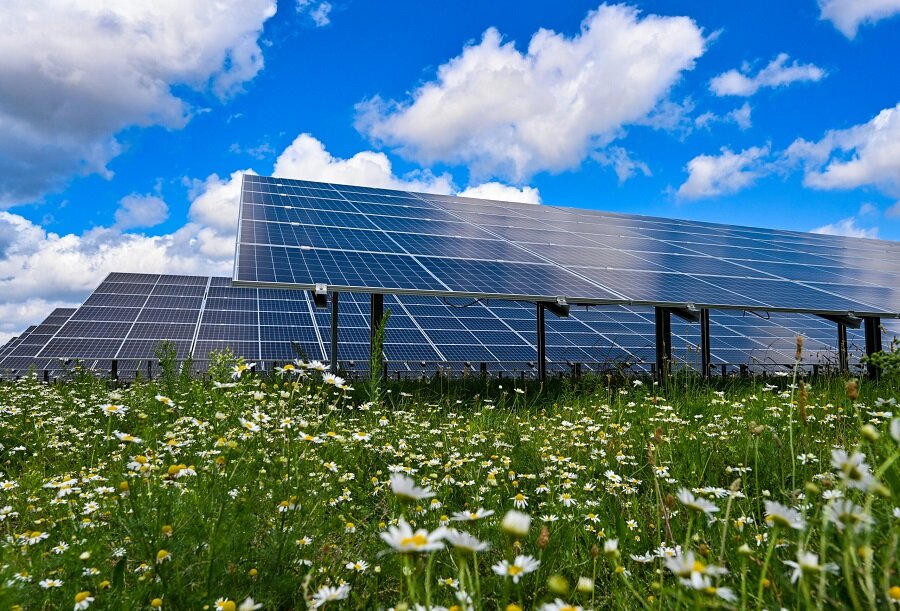
Matt Tillard, CEO of CrossBoundary Energy, which focuses on renewable energy investment in Africa, said, "Renewable energy is undoubtedly the fastest, cheapest, and easiest way to connect populations, businesses, and economies to access the electricity they need for growth
Currently, a significant increase comes from distributed solar and battery systems. These systems are directly installed in mines, factories, telecommunications base stations, and homes. Tillard said, "Most official statistics still measure energy transition in the traditional way - counting the installed megawatts connected to the national grid. However, solar energy and batteries do not necessarily require a large grid
According to data from the African Solar Industry Association, as of the end of 2025, Africa has tracked and counted 23.4GW of operating solar projects. But Chinese export data shows that since 2017, 58.1 GW of solar modules have been exported to African countries. This means that the actual penetration rate of solar energy in Africa may far exceed the level reflected by official statistics.
Renewable energy brings faster returns
Investors are increasingly favoring renewable energy projects because they can generate returns faster and reduce the impact of global fuel price fluctuations. Solar and wind power projects are particularly attractive at present because they combine good commercial fundamentals with relatively low investment risks.
At the Kamoa Kakula copper complex in the Democratic Republic of Congo, CrossBoundary Energy is building a 233MW solar+energy storage project to power one of the largest copper mines in Africa. The project took less than a year from signing to completing over 80% of its construction. That is to say, after investors invest their funds, they can see assets begin to generate income within 18 months. In contrast, coal-fired power plants may take up to 12 years to build, while large-scale hydropower projects typically take more than 10 years.
Policy adjustments are also accelerating the development of new energy in Africa. Ethiopia has become the first country in the world to ban the import of fuel vehicles, thus promoting the faster popularization of electric vehicles. In South Africa, after relaxing restrictions on private power generation, a large number of renewable energy projects in the industrial sector began to emerge.
However, the challenges remain enormous. Many power companies in African countries are facing financial difficulties, leading lending institutions to be cautious about long-term power purchase agreements (PPAs). The International Energy Agency (IEA) points out that due to market concerns about national risks, the financing cost of renewable energy projects in Africa may be as high as three times that of developed economies. However, development finance institutions such as the African Development Bank and the International Finance Corporation are helping to fill the financing gap through preferential loans, guarantees, and risk sharing mechanisms.
Albert Halwanpa, the Director General of Zambia's Development Agency, stated that CMEC's promised $1.5 billion investment is in line with the country's ambitious plan to increase total power generation to 10000 megawatts by 2031. This investment includes both traditional coal-fired power and photovoltaic and wind power, reflecting the realistic path of Africa's energy transformation - accelerating the adoption of cleaner and faster deployed renewable energy while ensuring base load electricity. Editor/Yang Beihua
Comment


 Praise
 Collect
 Comment

 Share
Share


Write something~