 Search


- The latest layout of the National Energy Administration has revealed a new picture of the future energy system for us
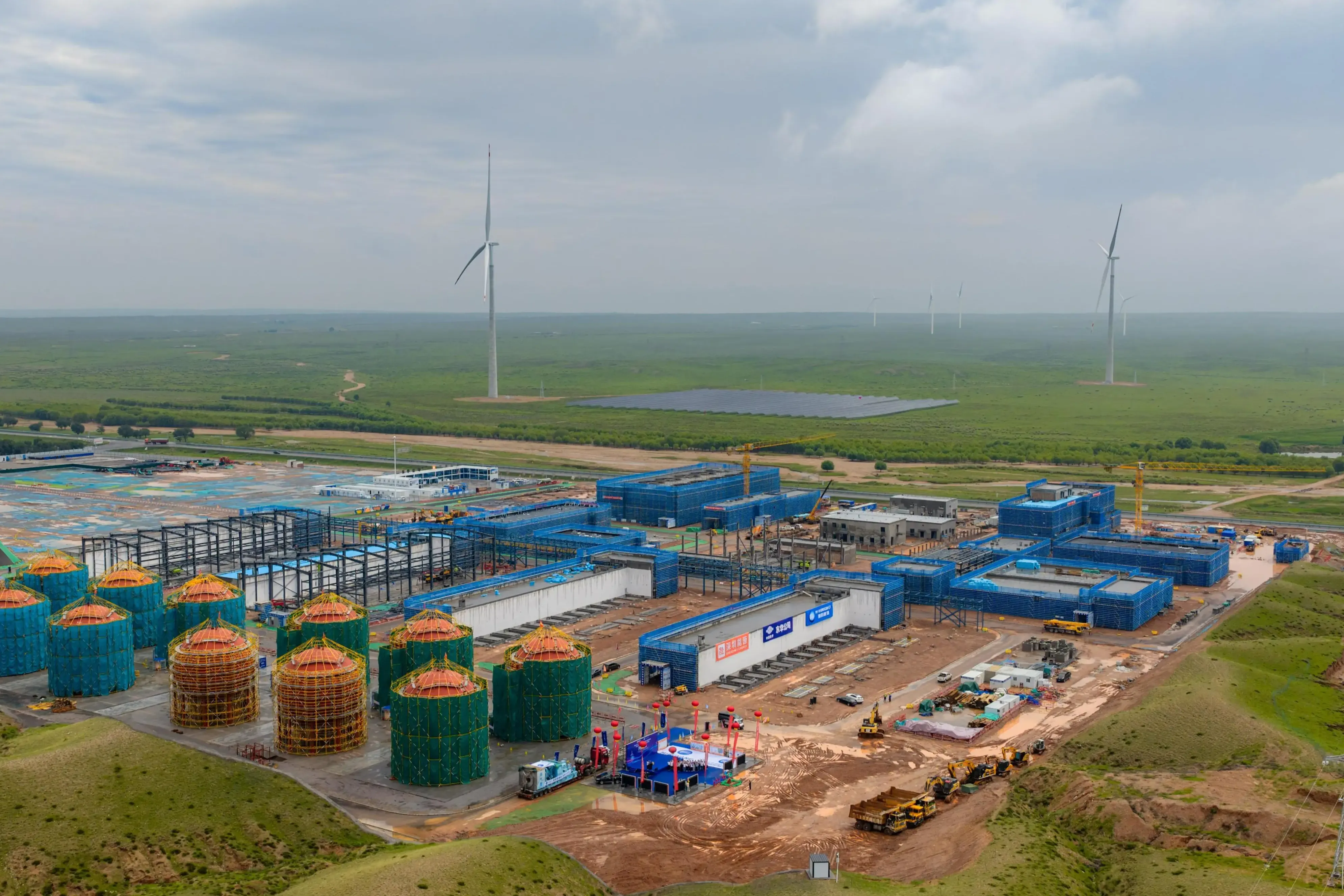
Against the backdrop of the deepening of the "dual carbon" goal, new energy is undergoing a profound transformation - it is no longer limited to the form of electricity, but is expanding towards chemical energy carriers such as "hydrogen" and "alcohols" that are easier to store, transport, and apply. Recently, the National Energy Administration released a clear signal at the press conference for the fourth quarter of 2025: during the "15th Five Year Plan" period, it will focus on expanding the non electric utilization of new energy and vigorously promote the construction of integrated bases for wind solar hydrogen production and ammonia alcohol production. This policy orientation not only injects strong momentum into the hydrogen energy industry, but also outlines a new vision for the future energy system.
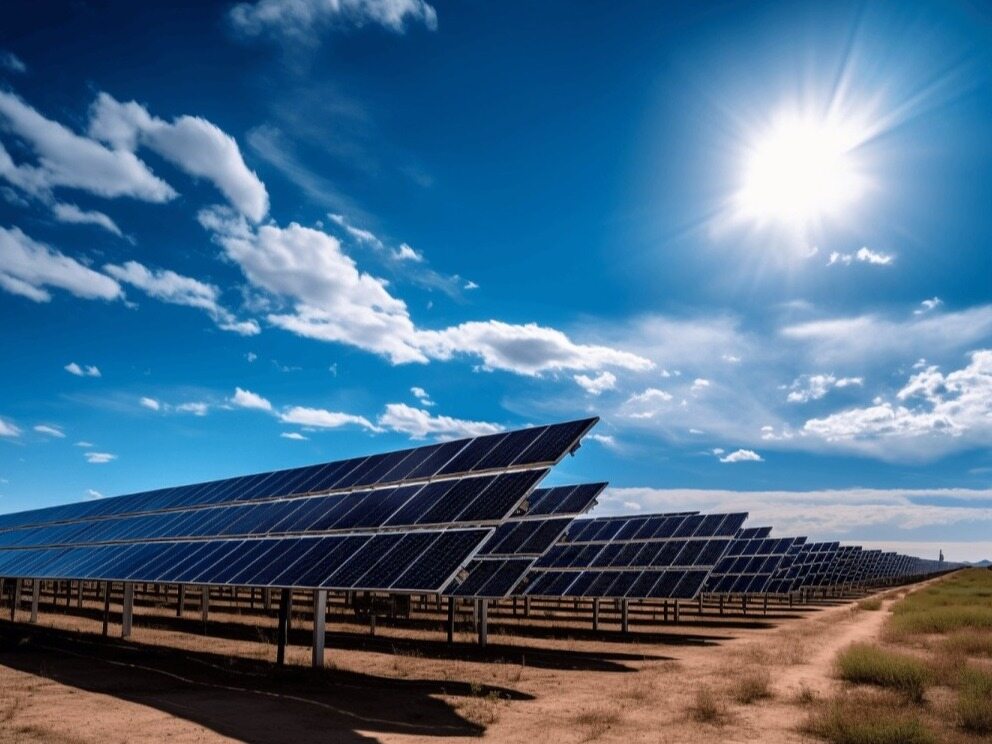
The so-called "wind solar hydrogen ammonia alcohol integration" is essentially an innovative energy system that deeply integrates renewable energy, green hydrogen production, and green chemical synthesis. Among them, "wind and solar power" refers to the green electricity generated by wind and photovoltaic power; Hydrogen production "is the process of converting green electricity into zero carbon" green hydrogen "through an electrolytic water device; And 'ammonia alcohol' is the synthesis of 'green ammonia' from green hydrogen and nitrogen in the air, or the synthesis of 'green methanol' from captured carbon dioxide. The core value of this model lies in that it effectively solves the intermittent and unstable problems inherent in wind power generation, converts the "waste power" that cannot be immediately connected to the grid for consumption into chemical energy that is easy to store, transport and trade, and opens up a revolutionary path for efficient utilization of new energy.
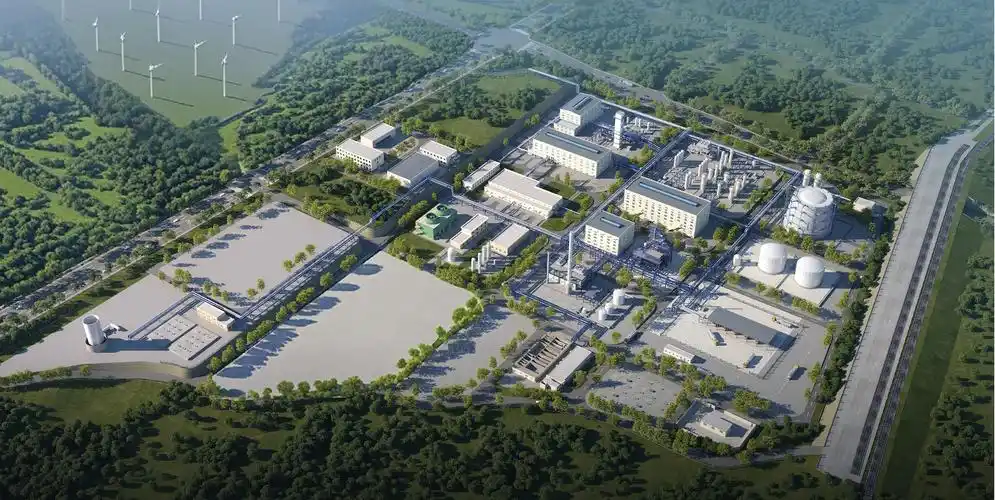
In terms of system layout at the national level, the National Energy Administration has played a set of interlocking "combination punches". At the macro strategic level, the integration of wind, solar, hydrogen, ammonia, and alcohol production has been elevated to the core direction of expanding non electric utilization of new energy, providing a clear path for industrial development; In terms of standard system construction, the four key standards released in October cover liquid hydrogen containers, specifications for renewable energy hydrogen production projects, and PEM electrolysis cell technology, laying the foundation for the development of industry safety regulations; In terms of industrialization promotion, the first batch of 9 green liquid fuel pilot projects were launched in September and are required to be completed by the end of 2026, demonstrating the firm determination of the policy to promote the implementation of the blueprint through "point to area". From top-level design to standard specifications, and then to project pilots, the country is laying a solid foundation for the large-scale development of the hydrogen energy industry.
In depth analysis of the policies reveals a profound transformation in the three major strategic orientations. On the development path, we aim to upgrade from "single point breakthrough" to "full chain integration". Policies will no longer focus on hydrogen production or fuel cells in isolation, but will transform green hydrogen into more economical downstream products through an "integrated" model, bridging the "last mile" between new energy and traditional industries, shipping and transportation, and other difficult decarbonization areas. In terms of promotion methods, it presents the characteristic of consolidating the industrial foundation through "standards and pilot projects". Before launching large-scale subsidies, priority is given to standardizing the industry through standard setting, reducing costs, and verifying technology and business models through pilot projects. In terms of strategic vision, we have made a leap from "based domestically" to "looking globally". Green methanol and green ammonia, as key fuels for decarbonization in international shipping, have enormous global market potential. The layout of integrated bases not only ensures national energy security, but also aims to seize the opportunity of future global green energy trade and carbon rule system, and promote China's technology, equipment, and standards to go global.
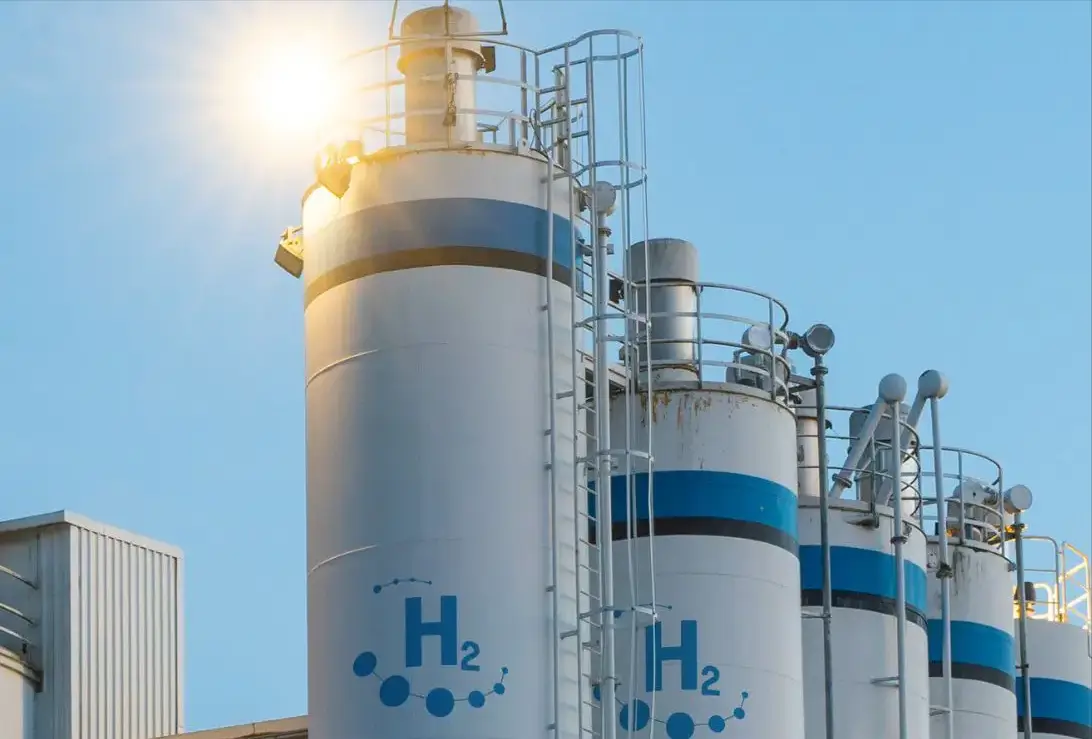
This series of top-level designs will have a profound impact on the entire industry chain. From upstream wind and solar equipment and electrolytic cells, to midstream storage and transportation equipment, and to downstream synthesis technology, the entire industry chain will gain new development momentum; Green methanol and green ammonia, as ideal hydrogen energy carriers and clean fuels, will provide decarbonization solutions for fields such as chemical engineering, metallurgy, and ocean shipping, giving rise to trillion dollar emerging markets; At the same time, hydrogen energy, as a long-term and cross seasonal energy storage medium, will greatly enhance the absorption capacity of the new power system for fluctuating wind and solar power generation, and improve the stability and reliability of the entire energy system. Keywords: New Energy News, New Energy Information Network, New Energy Latest News
The prelude to the 15th Five Year Plan has begun, and the National Energy Administration's emphasis on the integration of wind solar hydrogen production and ammonia alcohol production marks a crucial stage for China's hydrogen energy industry to move from demonstration exploration to market-oriented and large-scale development. This is no longer just a choice of technological route, but also the cultivation of a future energy system core that can synergize new energy and traditional industries, while balancing security and transformation. An energy revolution from "green electricity" to "green hydrogen alcohols" is accelerating, about to reshape our energy future. Editor/Xu Shengpeng
Comment

 Praise
 Collect
 Comment

 Share
Share


Write something~