 Search


- This project will promote China's offshore wind power to break through key technological bottlenecks in deep and offshore areas
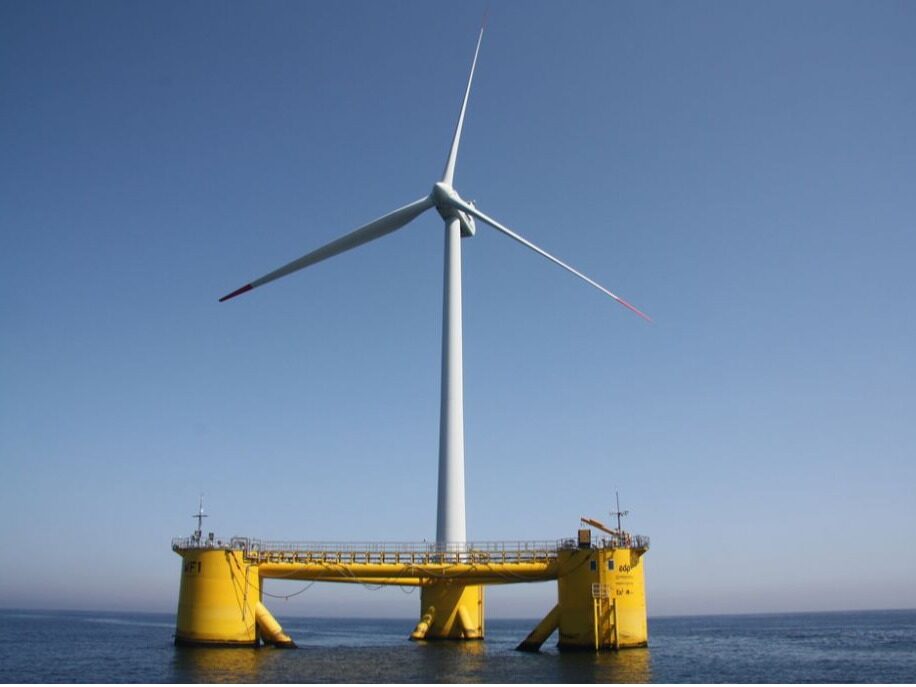
On November 7, 2025, the design scheme review meeting and demonstration project launch meeting for the "Key Technologies and Applications of Ultra Large Deep Sea Floating Wind Turbine Foundation" of the National Key R&D Program of the Ministry of Science and Technology was held in Yangjiang, Guangdong. This marks a crucial step in China's key technological breakthroughs and engineering practices in the field of deep-sea wind power, laying a solid foundation for the large-scale development of infinite wind energy in the blue territory.
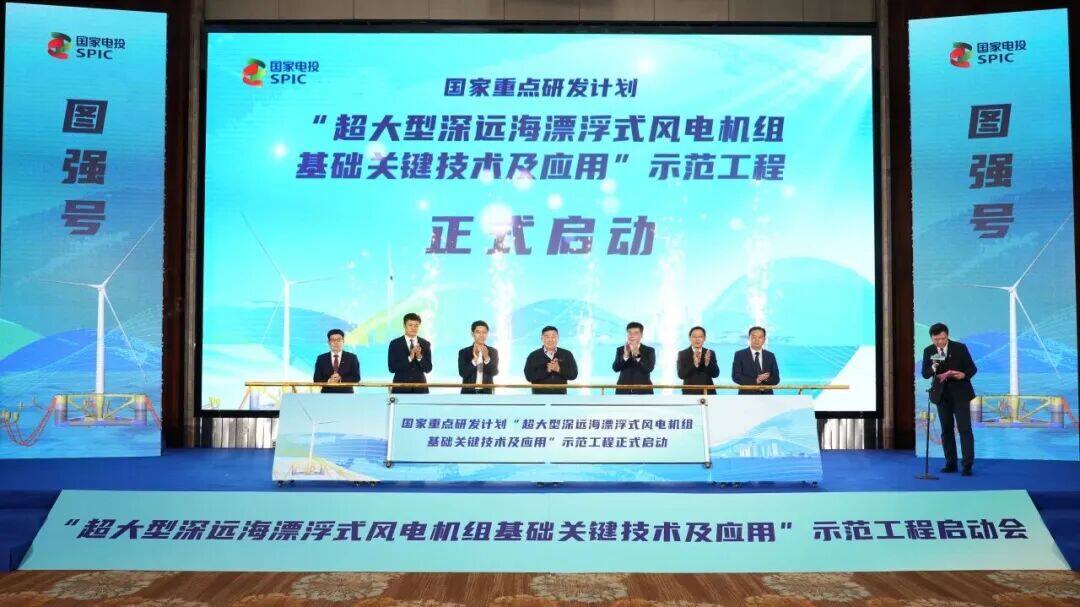
This project was approved by the Ministry of Science and Technology of China in December 2023. Led by State Power Investment Group Co., Ltd., it has joined forces with top universities, research institutes, and industry leaders such as Zhejiang University, Shanghai Jiao Tong University, Goldwind Technology, China Offshore Engineering, and Guangzhou Salvage Bureau to form a strong "industry university research application" collaborative research team, aiming to jointly overcome the technical barriers of ultra large and far-reaching offshore floating wind power.
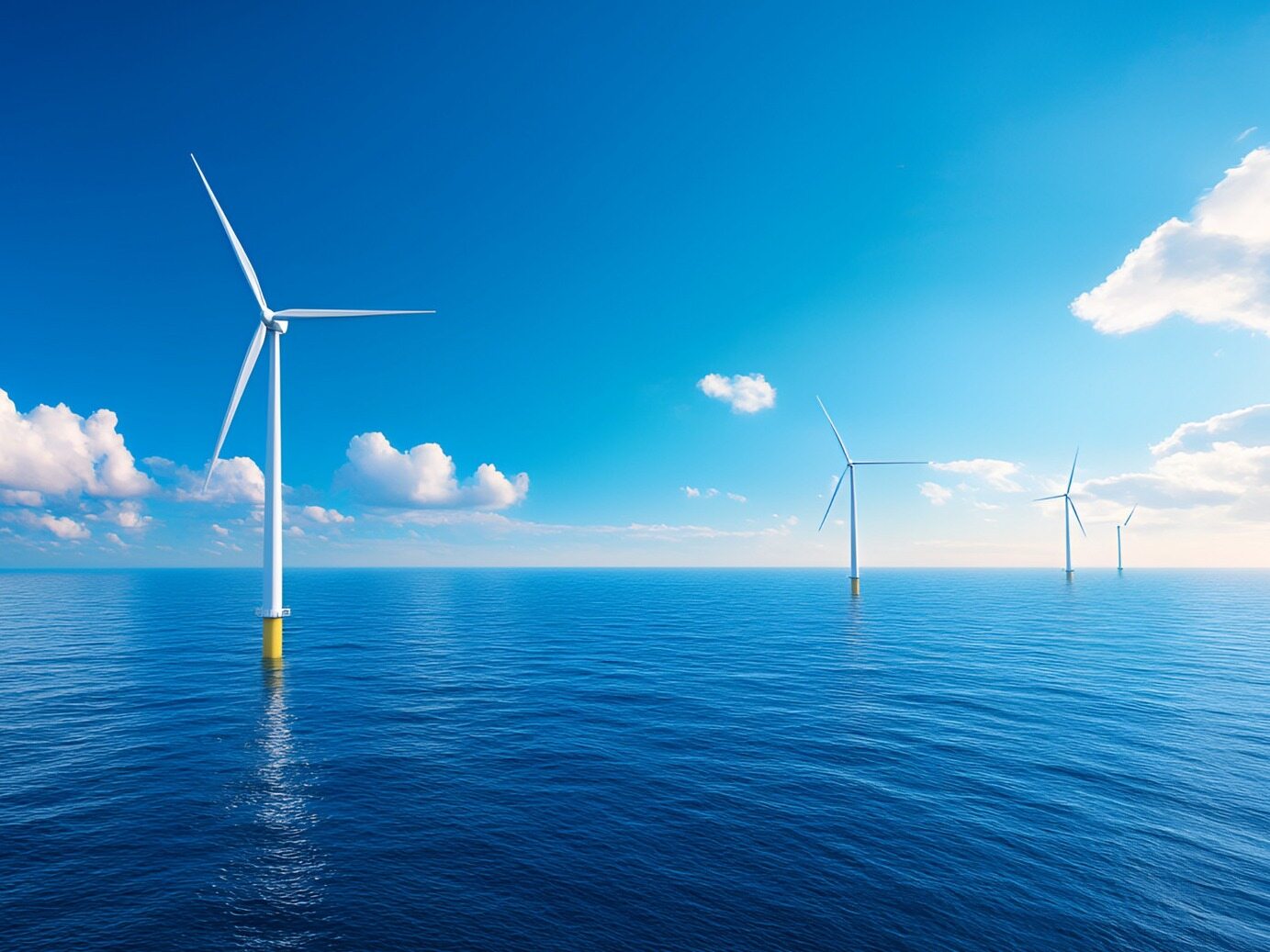
The demonstration project launched this time is named "Tuqiang", and its core highlight is the installation of the world's largest single unit capacity 20 MW typhoon resistant offshore wind turbine. This' giant 'is expected to generate up to 55 million kilowatt hours of electricity annually, with a power generation efficiency improvement of over 25% compared to the current mainstream 16 MW models, resulting in significant economic benefits. It is worth mentioning that the "Tuqiang" is specifically designed for the complex and far-reaching sea environment in China, especially the strong typhoon conditions in the South China Sea. It has excellent resistance to wind and waves, and can maintain stable operation in extremely harsh sea conditions, thus achieving continuous power generation without stopping from typhoons, effectively solving the problem of "typhoon dormancy" that has plagued offshore wind power for many years.
According to the plan, the "Tuqiang" project is scheduled to be completed by the end of 2026 and will conduct empirical operations for no less than 6 months in the waters of the Three Seas Wind Farm project on Sanshan Island in Yangjiang. This critical empirical period will comprehensively verify the performance, reliability, and adaptability of the unit and its infrastructure in real marine environments, providing indispensable technical support and valuable data accumulation for the large-scale and commercial development of floating wind power in China from 2028 to 2030.
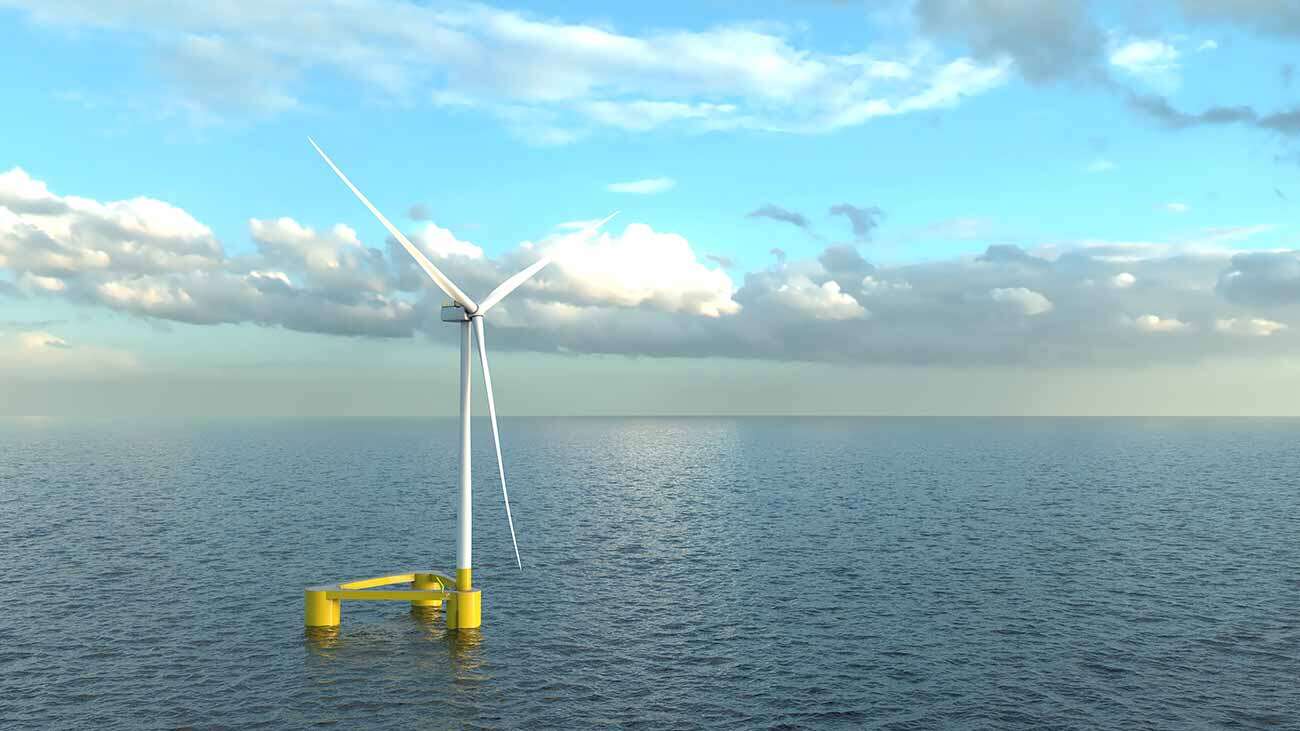
The smooth launch and future implementation of this project is not only a crucial leap for China's offshore wind power technology from nearshore to offshore and from fixed to floating, but also will strongly support the country's deep and offshore energy development strategy, injecting strong green momentum into the high-quality development of the marine economy and the achievement of the "dual carbon" goal.Editor/Cheng Liting
Comment

 Praise
 Collect
 Comment

 Share
Share


Write something~