 Search


- The price of cement in Syria is as high as 900 yuan/ton, and post-war reconstruction faces a huge shortage of building materials
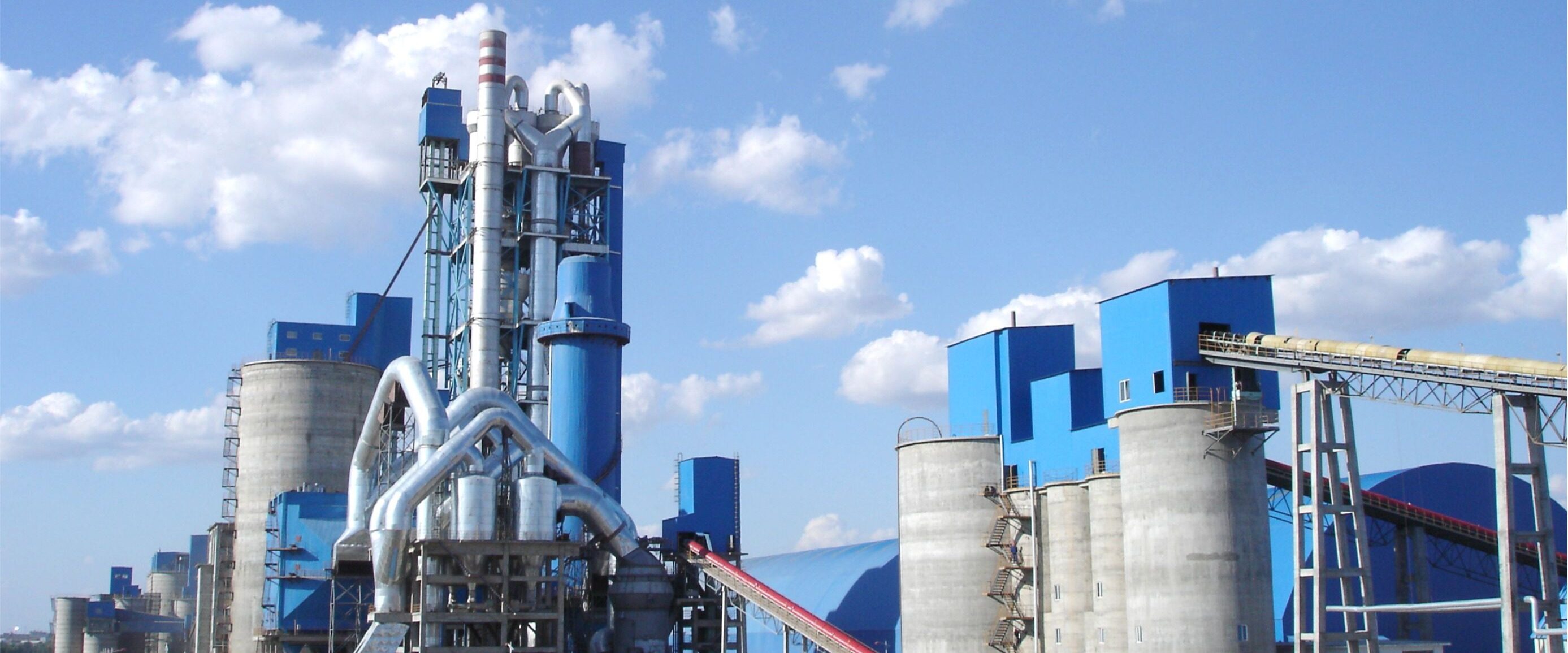
In the Abu Shamat area on the outskirts of the Syrian capital Damascus, a war-torn land is about to usher in new vitality. Recently, China National Building Materials Overseas Development Co., Ltd., a subsidiary of China National Building Materials Corporation, officially signed a cooperation agreement with Al Masumi Group in the United Arab Emirates to jointly build a modern cement plant with an annual output of 1.2 million tons. This project is not only another important export of Chinese cement engineering technology in the Middle East, but also directly points to the core pain point of post-war reconstruction in Syria - the local cement price has reached about $123/ton (equivalent to RMB 900/ton), and the huge supply-demand gap has made the construction of this factory carry profound economic and social significance.
Post war reconstruction has given rise to urgent needs, and high cement prices highlight market gaps
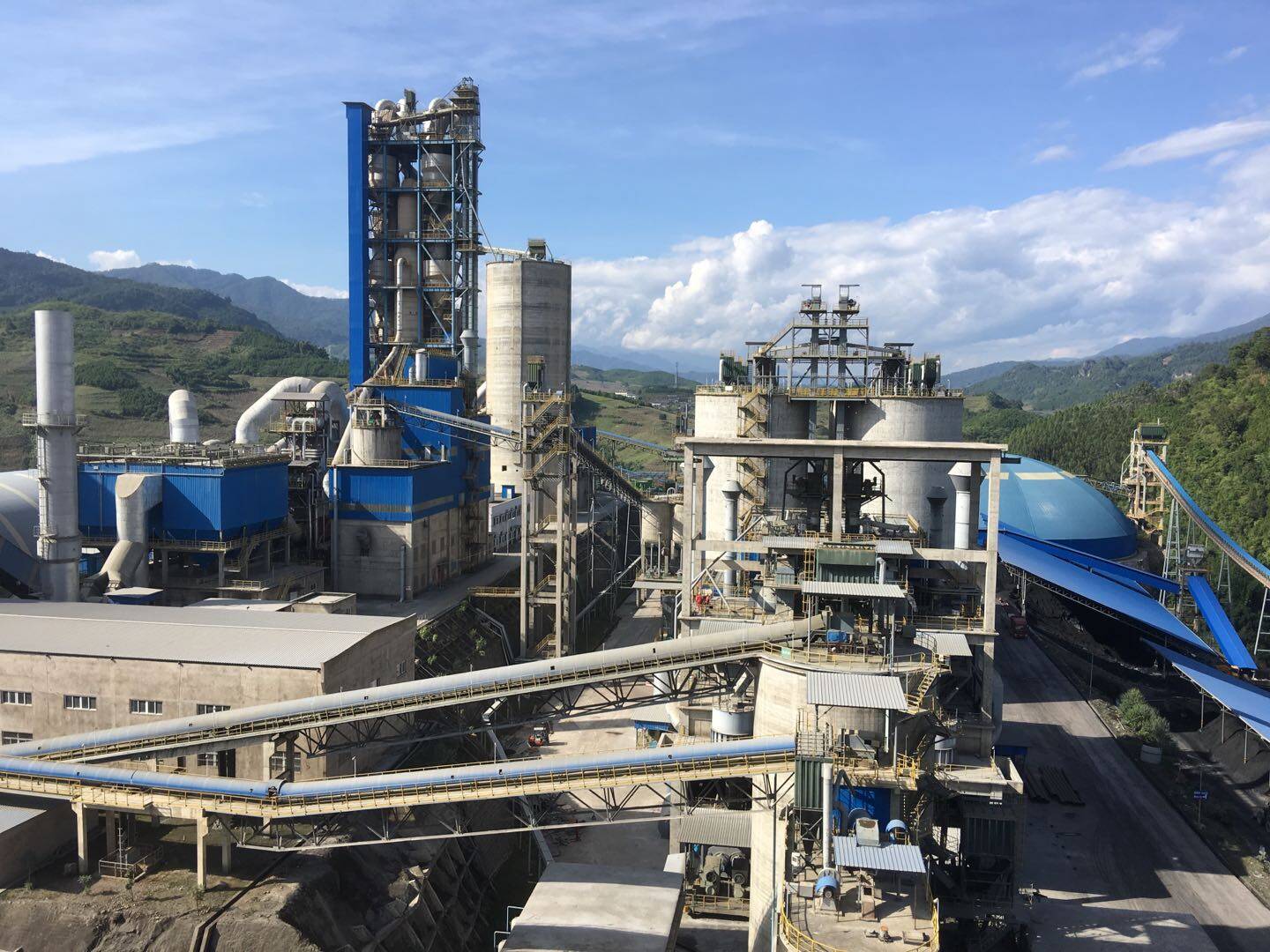
The reconstruction work in Syria is facing a severe challenge of extreme shortage of basic building materials. Data shows that about 30% of housing in the country has been completely destroyed, and 50% of housing has been damaged. The demand for basic materials such as cement for reconstruction work is extremely urgent. However, Syria's annual cement production is only about 3.6 million tons, while the annual demand is as high as 7 million tons. The huge gap heavily relies on imports, which in turn drives up cement prices. As of 2025, local cement prices have risen to approximately $123 per ton, an increase of $20 from 2024. In this context, this 1.2 million ton cement plant, as a key supporting project of Syria's "National Industrial Revival Plan", will directly relieve the supply pressure and reduce the dependence on imports from Türkiye, Egypt and other countries.
Leading technology, green and efficient, mature experience in exporting Chinese engineering solutions
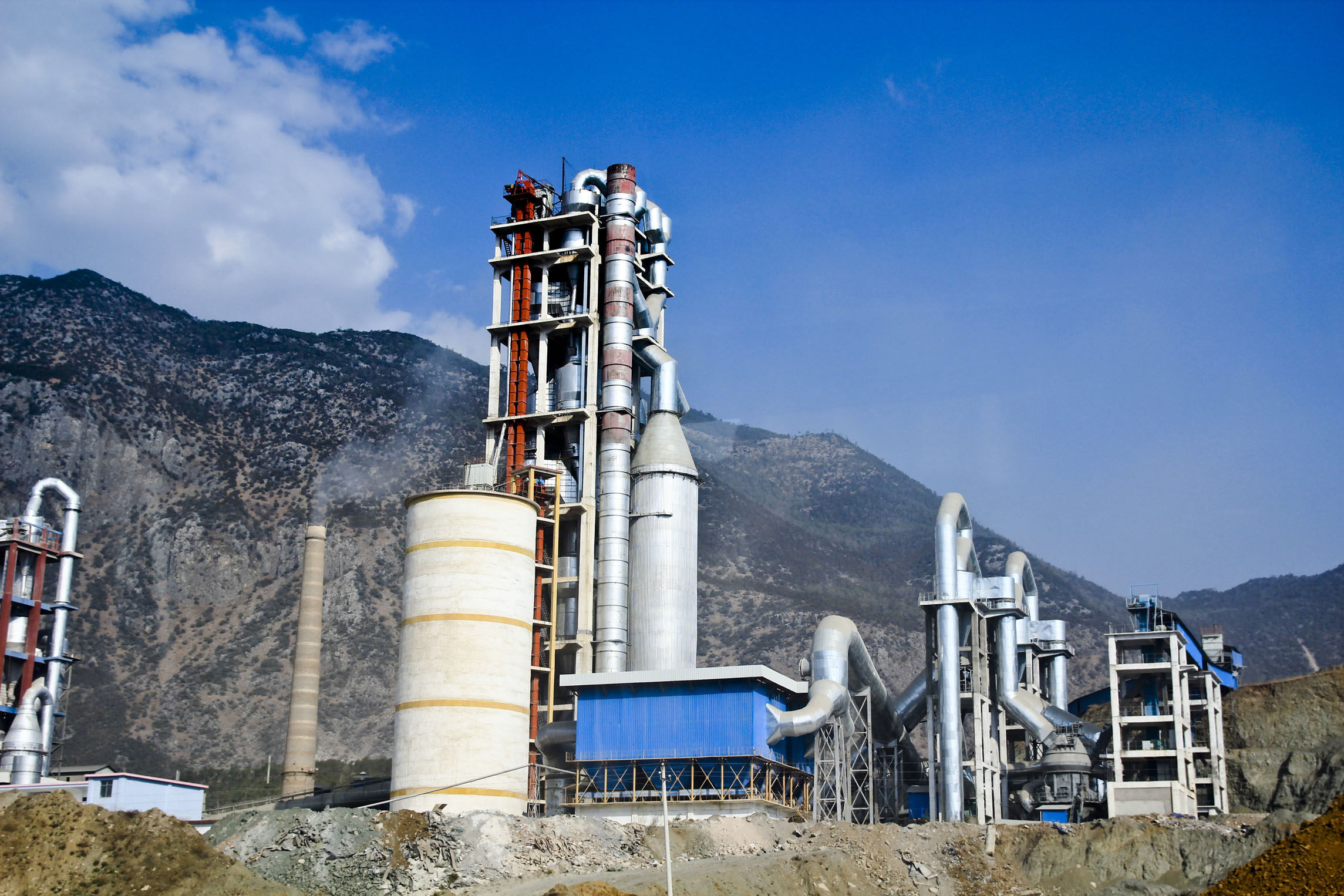
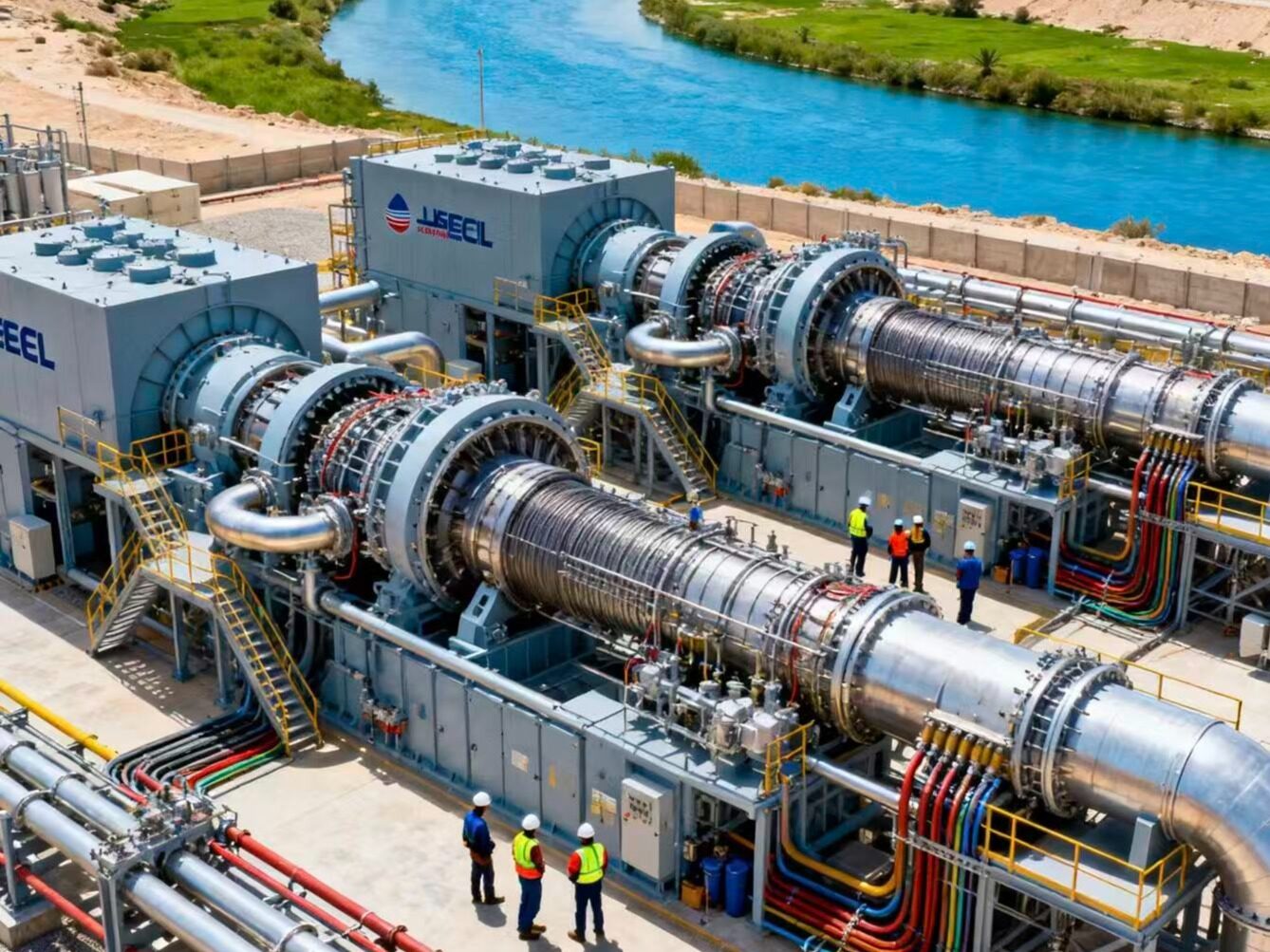
Sinoma Overseas has brought internationally advanced new dry process cement production technology for this project. This production line will integrate core processes such as raw material pre homogenization, efficient preheating decomposition, and waste heat recovery and utilization. It will not only reduce the heat consumption of clinker burning to an advanced level in the industry, but also build a waste heat power generation system to greatly improve energy utilization efficiency and reduce carbon emissions. This is not the first time that Sinoma Overseas has demonstrated its technological strength in the Middle East region. Previously, it has successfully constructed multiple clinker production lines with a daily output of over 6000 tons in countries such as Iraq and Uzbekistan. With its technical advantages in EPC general contracting mode and excellent engineering management capabilities, it has established a reputation for efficient delivery in overseas markets. Keywords: Middle East International News, Middle East Latest News
Strong cooperation to ensure landing, deep cultivation of the Middle East market to lay the foundation for cooperation
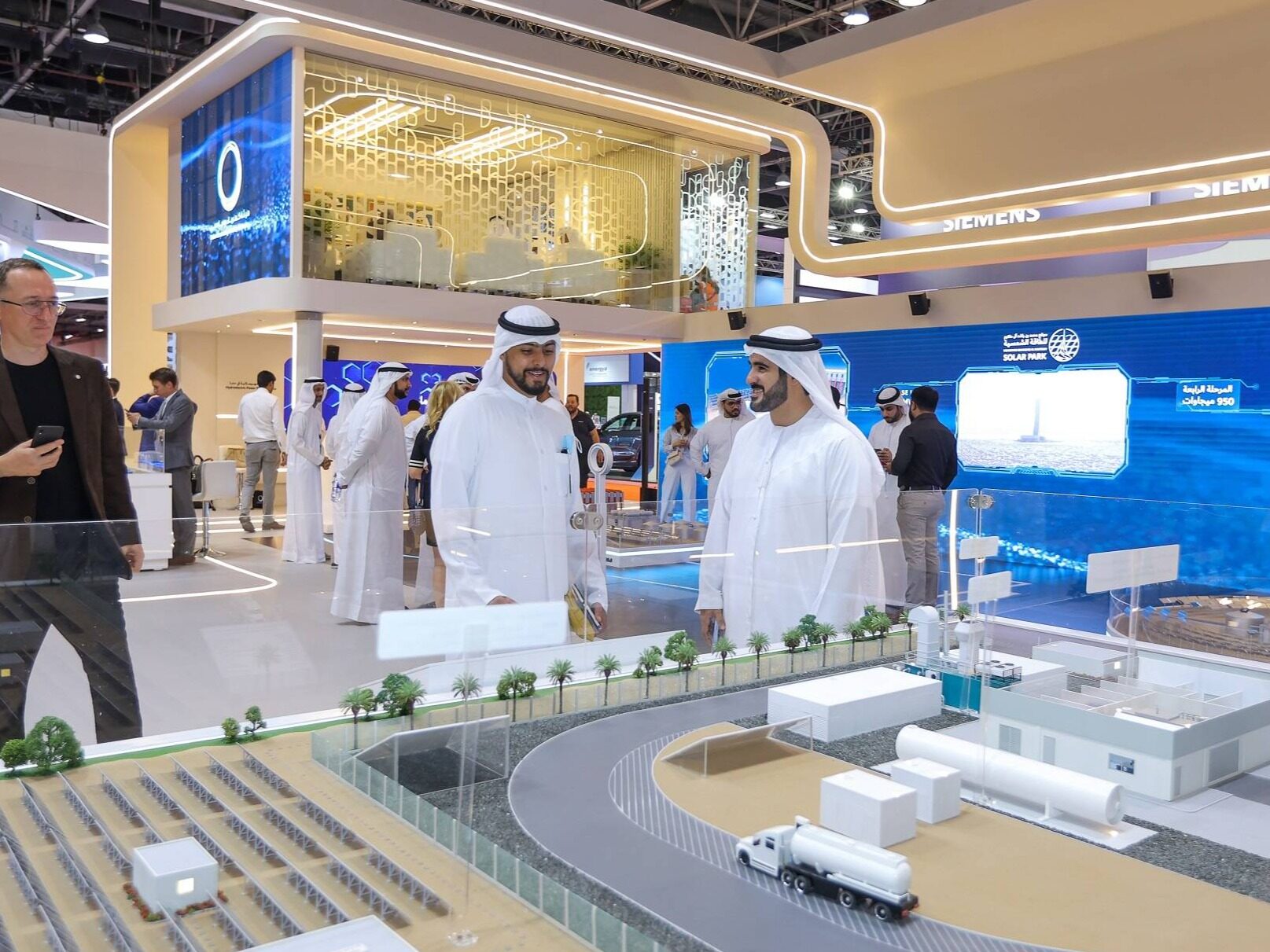
This cooperation is a perfect complement of resources and capabilities between both parties. As a leading enterprise in the global cement engineering field, Sinoma Overseas has had a cement production line cooperation with Syria as early as 2010, and has a profound understanding of the local geological conditions, resource distribution, and market demand. The Al Masumi Group, founded in 1970 in the United Arab Emirates, as an old family owned enterprise with business covering 18 fields including industry, engineering, and real estate, has a mature supply chain network and strong resource integration capabilities in the Middle East, which will provide crucial localized operational support for the project. This strong alliance has built a solid cooperation bridge between China's advanced industrial capacity and the urgent need for reconstruction and development in the Middle East region. Editor/Yang Beihua
Comment


 Praise
 Collect
 Comment

 Share
Share


Write something~