 Search


- The floods and landslides caused by continuous heavy rainfall have caused serious loss of life on Sumatra Island, Indonesia
- As of December 4th, the number of fatalities has risen to 817, with 537 people missing. Search and rescue efforts are still struggling
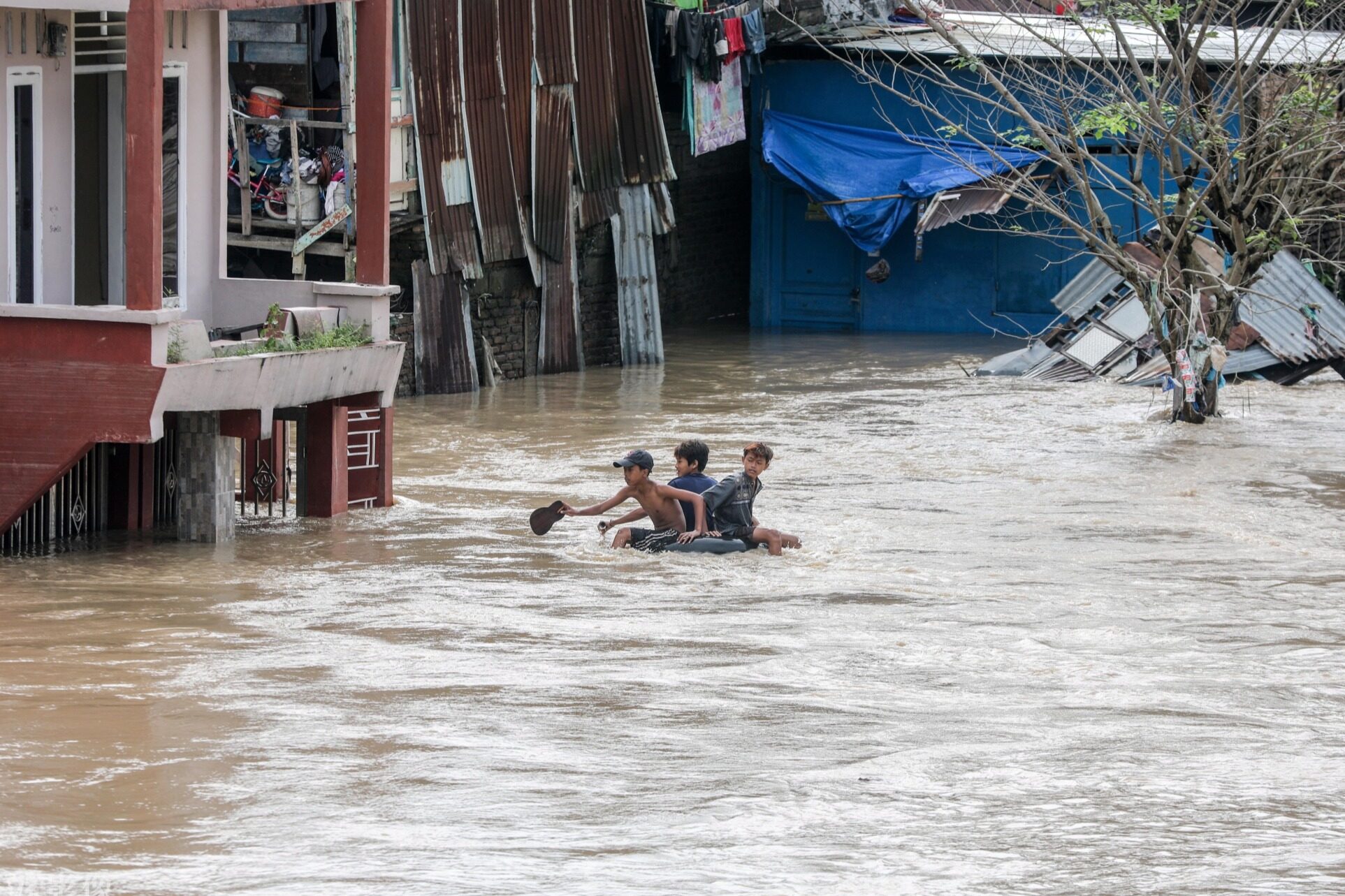
On the afternoon of December 4th local time, the latest data released by Indonesia's National Disaster Relief Agency revealed the severity of the disaster: the number of deaths caused by floods and landslides has risen to 817, and another 537 people are missing, posing severe challenges to search and rescue and disaster relief work. In recent days, several provinces on Sumatra Island, Indonesia, have been shrouded in continuous rainstorm and subsequent disasters.
Disaster data continues to be updated, with alarming casualty figures
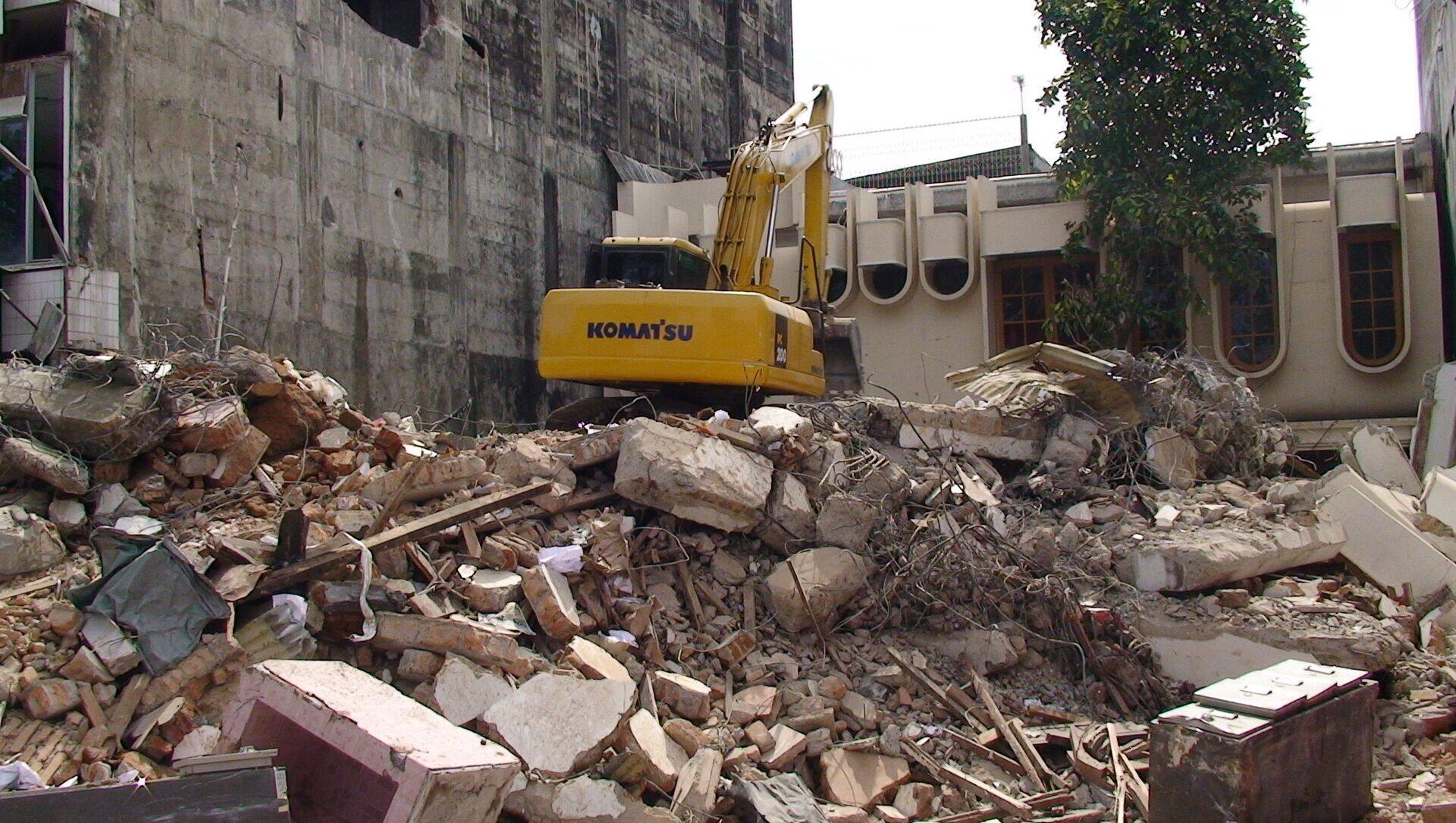
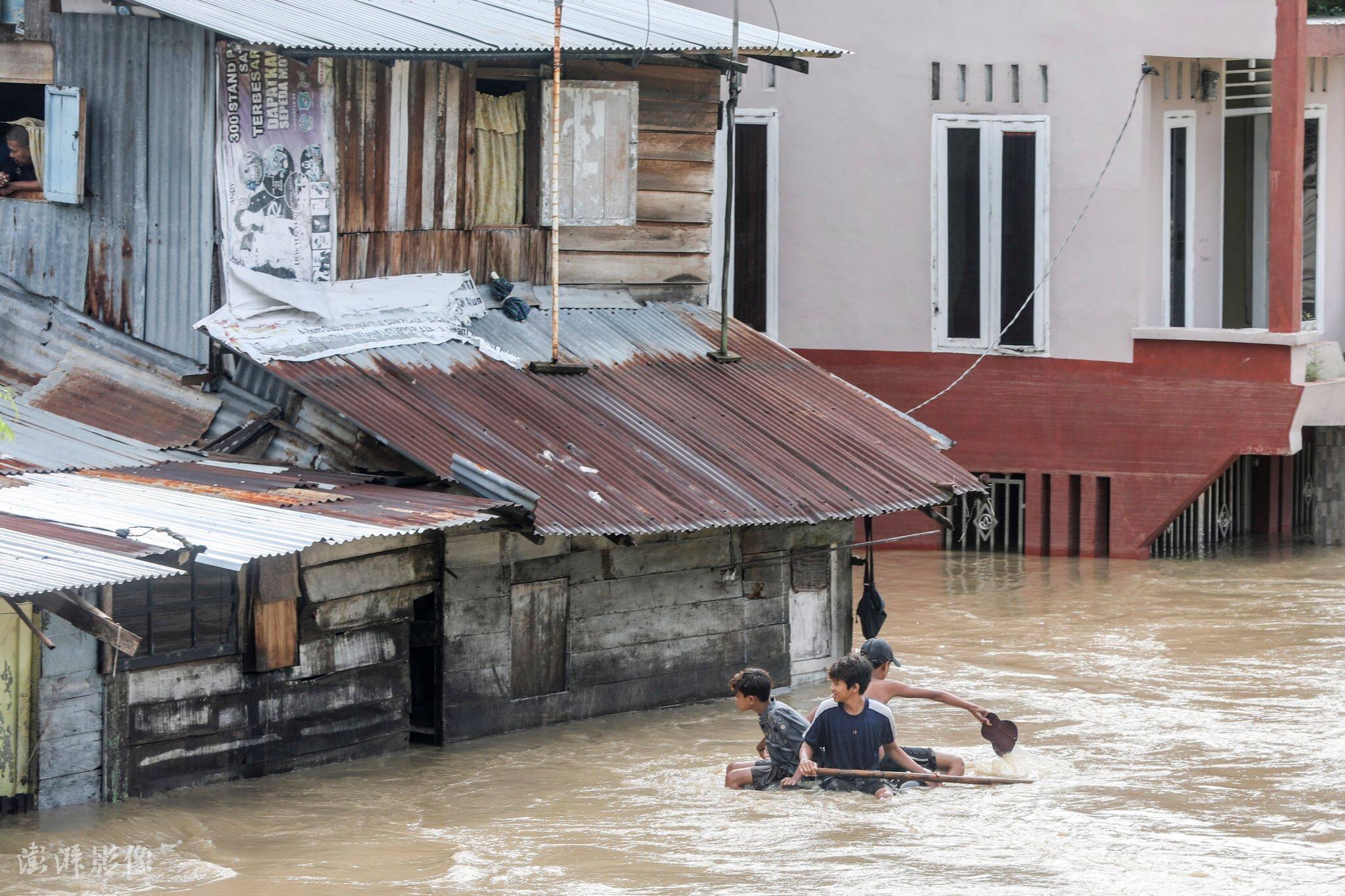
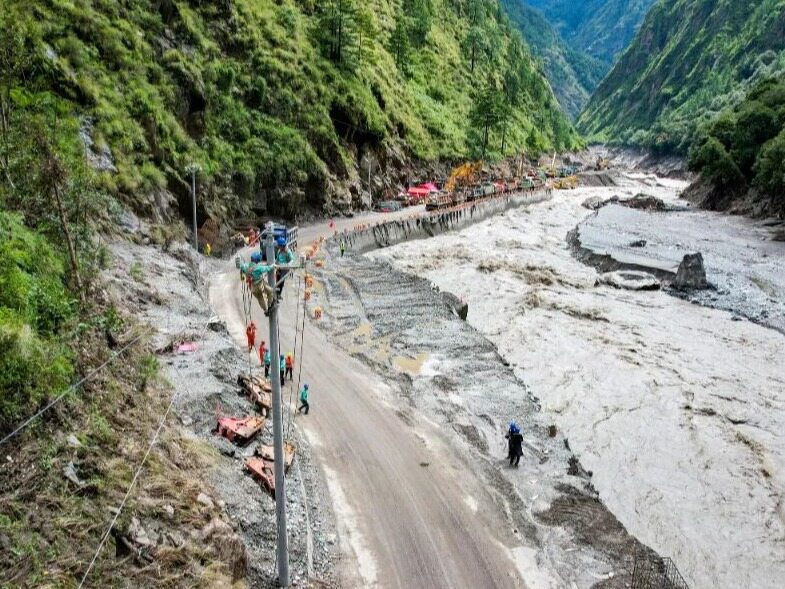
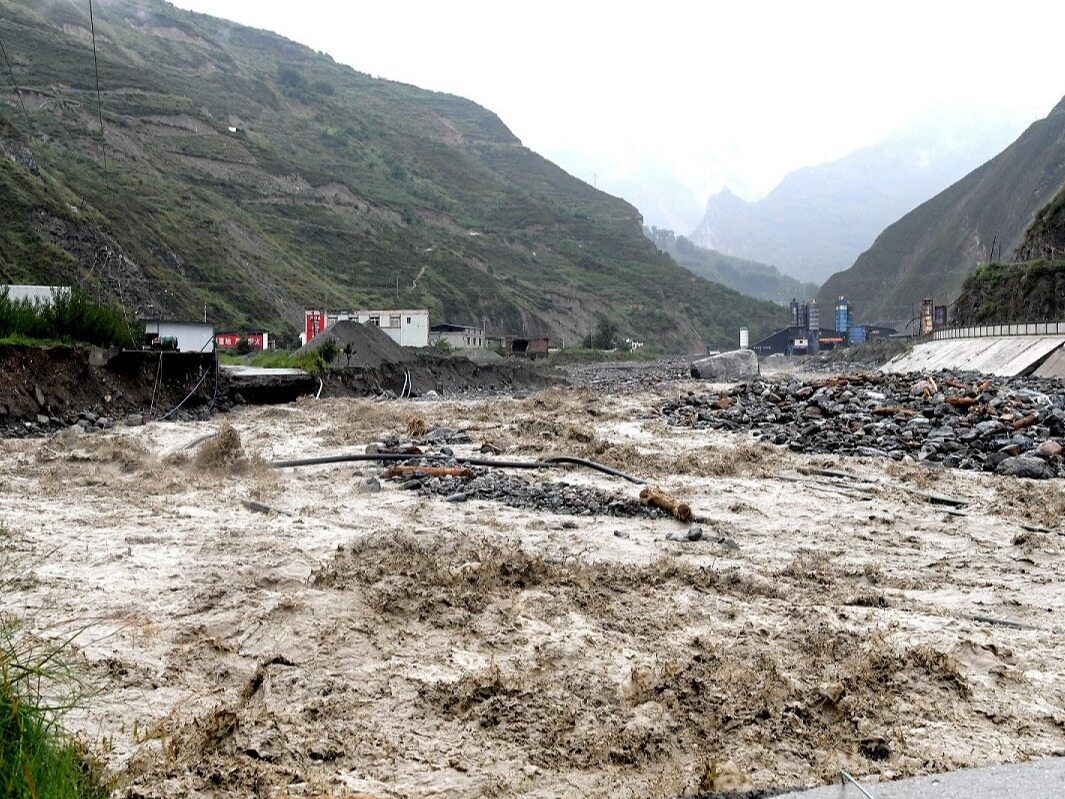
This disaster is mainly concentrated in the provinces of Aceh, North Sumatra, and West Sumatra on the island of Sumatra. The continuous heavy rainfall has triggered large-scale floods and landslides, destroying a large number of houses, roads, and bridges, causing communication interruptions, and many areas becoming isolated islands. As of December 4th, the officially confirmed number of victims has reached 817, and the missing figure of 537 means that the scale of casualties may further expand, and the people in the disaster area are suffering huge pain and losses.
Multiple areas have suffered heavy losses, and rescue operations are fully underway
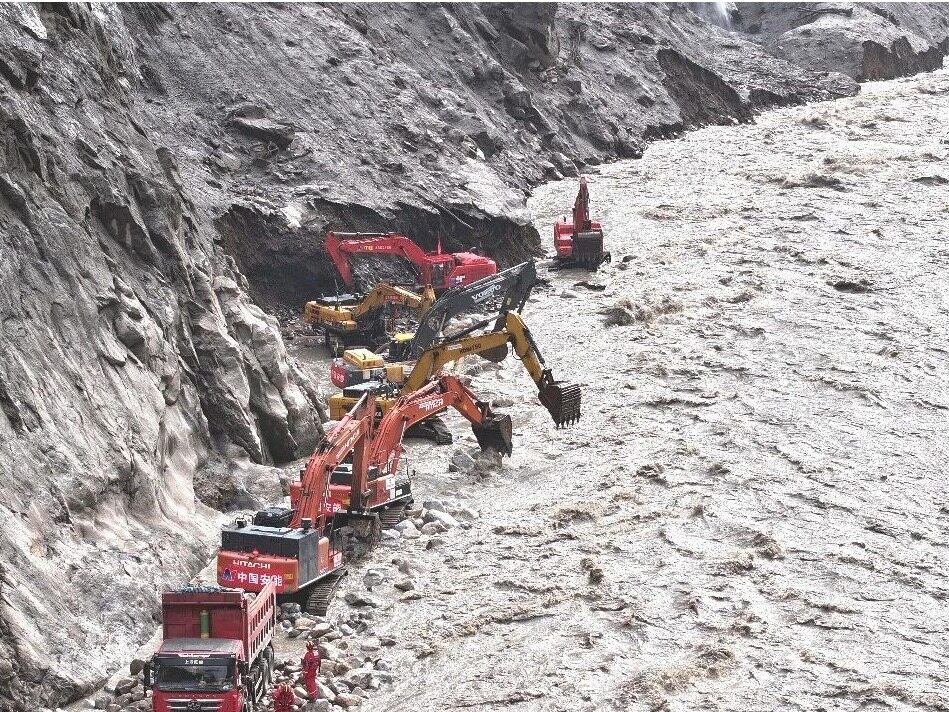
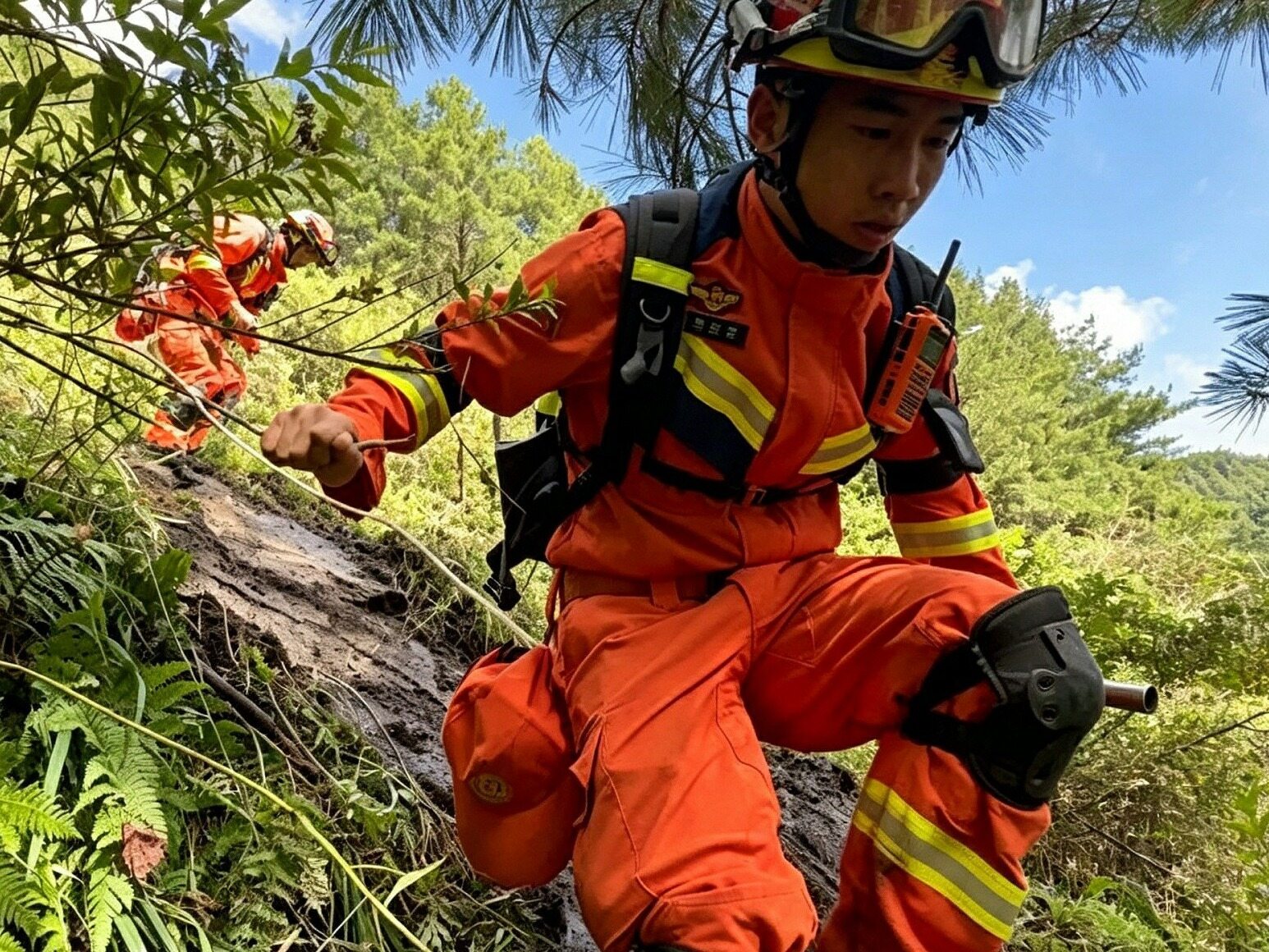
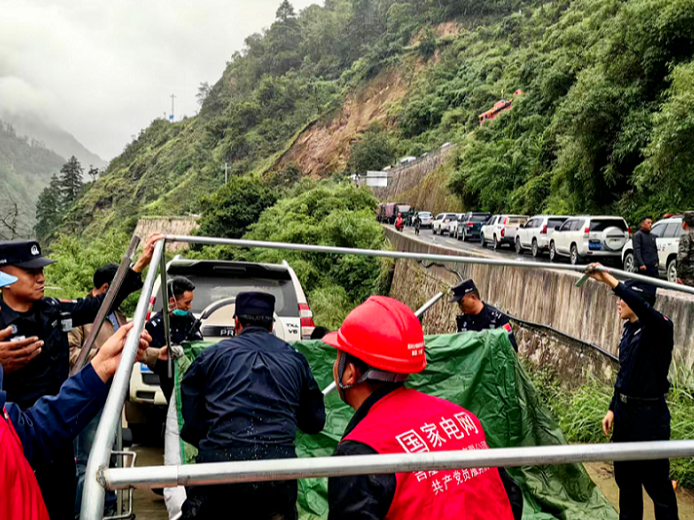
After the disaster, the Indonesian National Disaster Relief Agency, military, police, and volunteer organizations quickly mobilized and fully engaged in rescue efforts. However, adverse weather conditions, disrupted transportation routes, and complex geographical environments have brought great difficulties to search and rescue work. Rescue workers are racing against time, searching for survivors in the mud and floods, and delivering emergency supplies such as food, drinking water, medicine, and temporary shelters to the trapped people. The international community has also begun to pay attention to and provide assistance. Keywords: Indonesian landslides, emergency rescue and disaster relief
Disaster Warning and Long term Response
Indonesia is located in the Pacific Rim volcanic and seismic zone, with frequent geological activity. In addition, the rainy season is characterized by concentrated rainfall, and floods and landslides are common natural disasters in the country. The severe disaster on Sumatra Island once again highlights the urgency of strengthening disaster warning systems, infrastructure construction, and community disaster prevention and mitigation capabilities. How to enhance long-term climate change adaptation and disaster risk management capabilities while addressing the current crisis will become a topic that Indonesia and the entire region need to deeply consider. Editor/Yang Beihua
Comment


 Praise
 Collect
 Comment

 Share
Share


Write something~