 Search


- The existing temporary shelters are mostly built in schools, and some areas have problems such as overcrowding
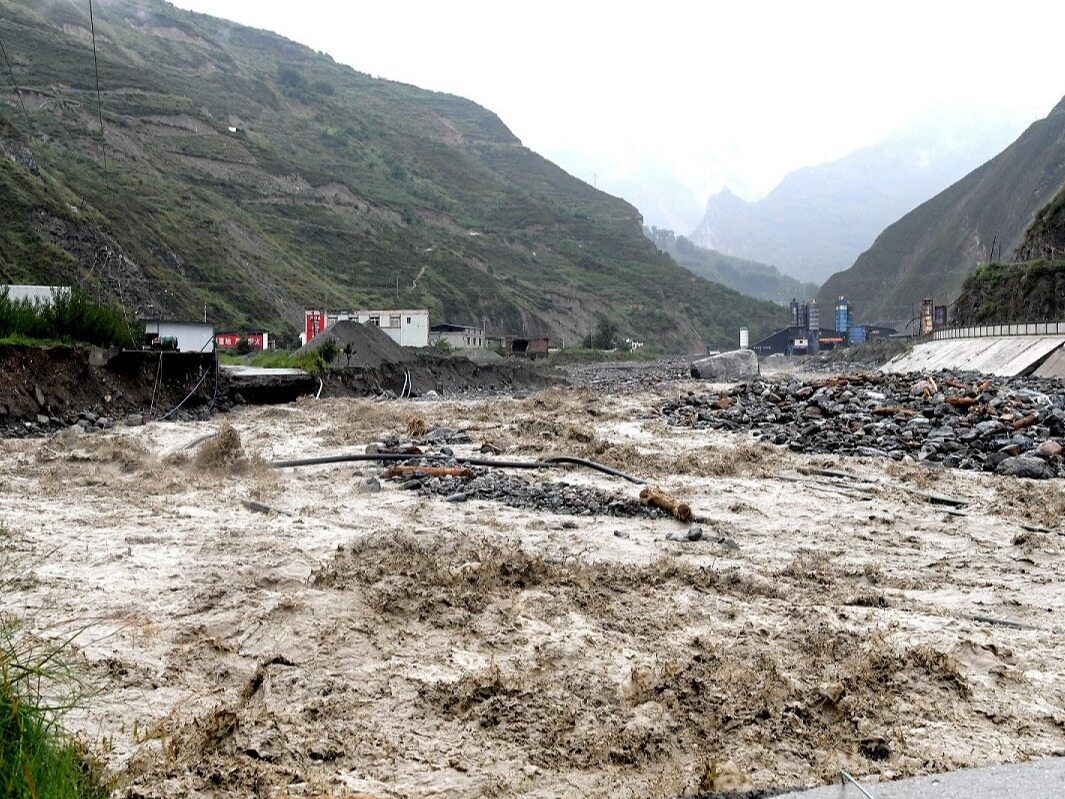
- The disaster was caused by continuous heavy rainfall. The rainstorm in a short period of time caused many rivers to burst their banks, and landslides occurred in many mountainous areas
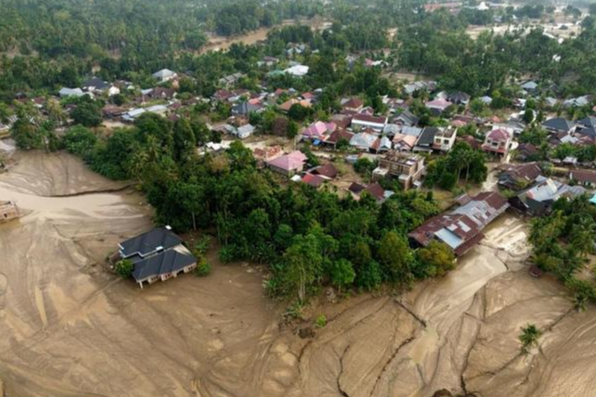
On the afternoon of December 4th local time, the latest report from Indonesia's National Disaster Relief Agency showed that floods and landslides in Aceh, North Sumatra, and West Sumatra have caused 836 deaths, 2700 injuries, and 518 missing people. Over 100000 people have been forced to relocate to temporary shelters due to the destruction of their homes. The current rescue work is facing a dual dilemma of road damage and material shortage, with post disaster resettlement and secondary disaster prevention becoming the core tasks.
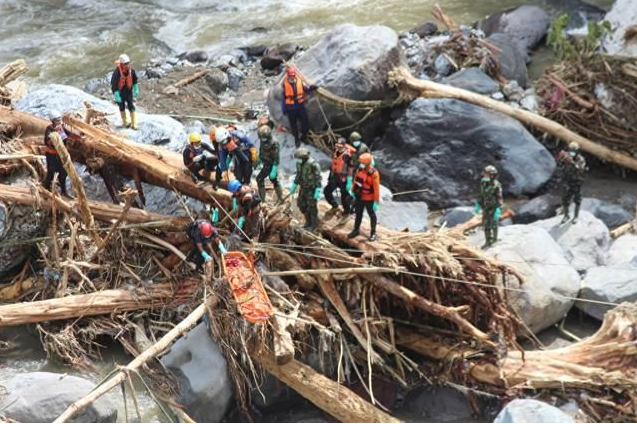
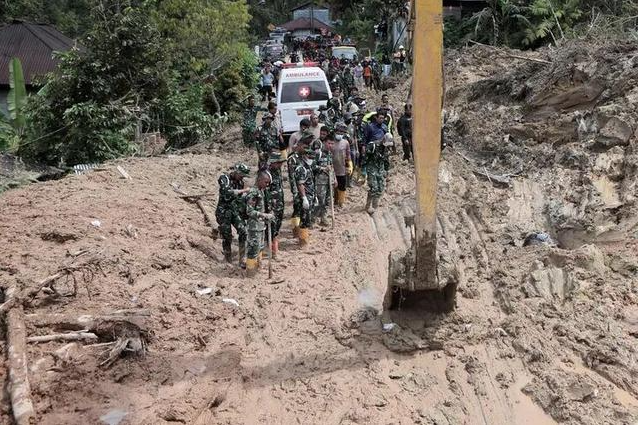
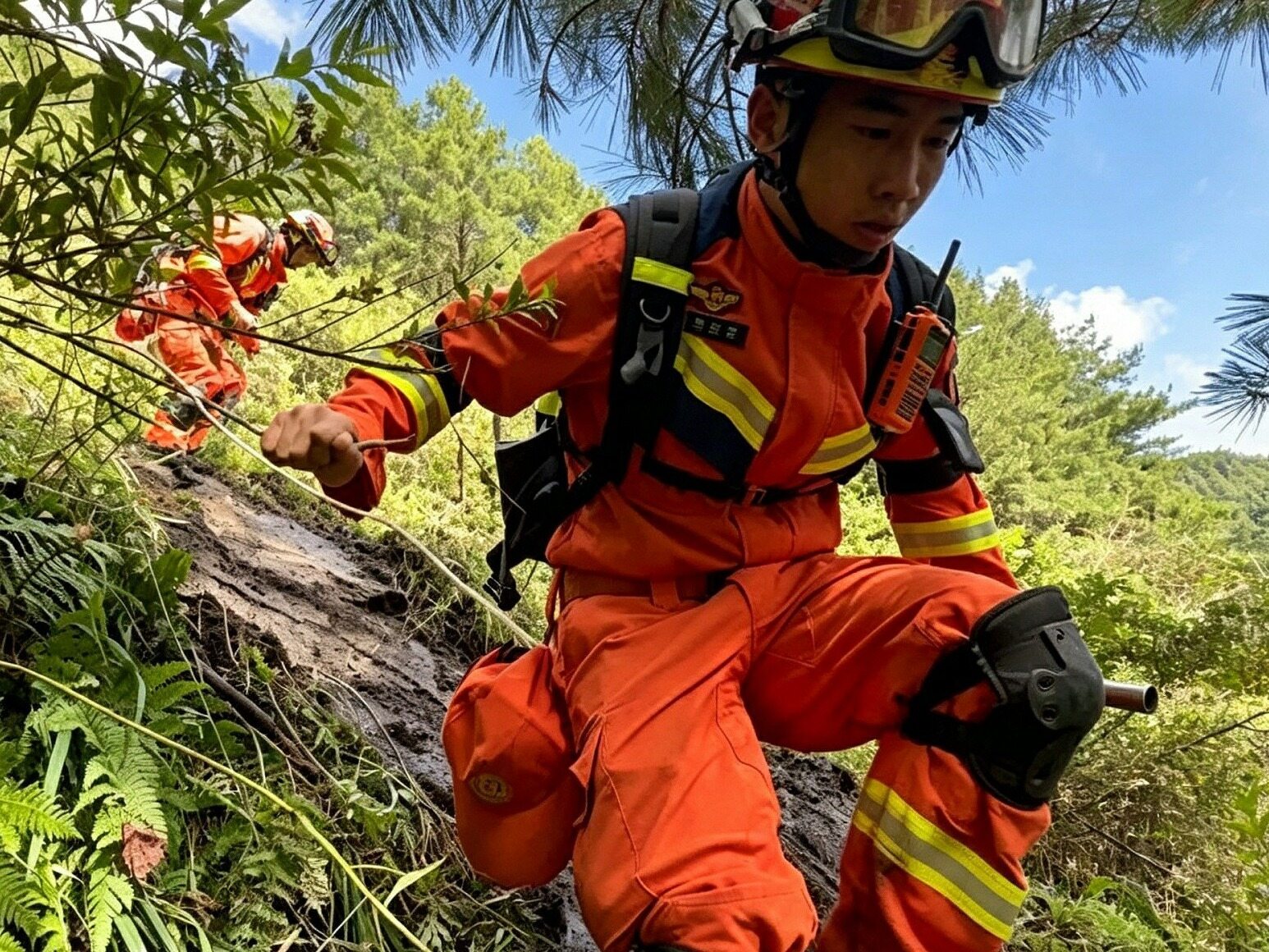
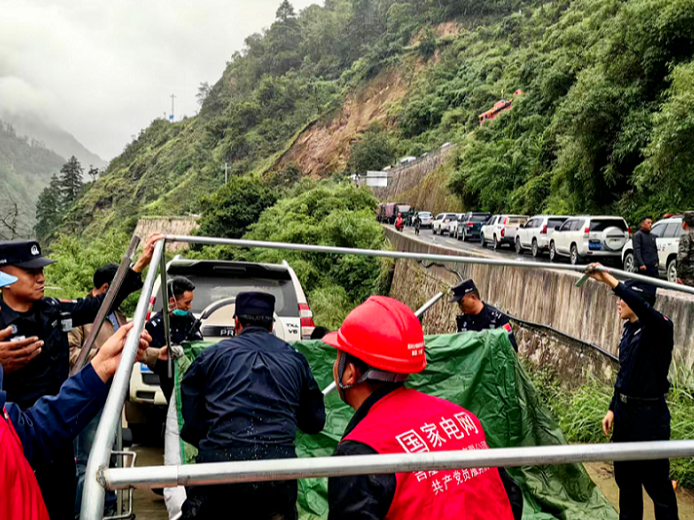
The disaster was caused by continuous heavy rainfall. The rainstorm in a short period of time caused many rivers to burst their banks, and landslides occurred in many mountainous areas. As of the 5th, over 10500 houses in the disaster area have been damaged, 536 public facilities have been destroyed, and some villages along the river in Aceh Province have been completely washed away by floods. What is even more severe is that the disaster has caused the interruption of multiple main roads on Sumatra Island, and three core roads from North Sumatra Province to the severely affected areas have been blocked by landslides and mudslides. Large rescue equipment and supplies are difficult to reach directly, and some remote villages are still missing. Search and rescue work can only rely on walking or small helicopters to advance.
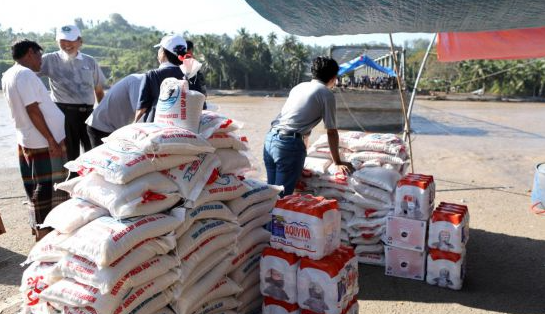
The most urgent issue at present is the supply of materials, "said a spokesperson for the Indonesian Disaster Relief Agency at a press conference. Although the government has deployed 500000 tons of relief supplies such as food, medicine, and tents, some resettlement sites are still experiencing shortages of drinking water and food due to traffic disruptions. The urgent need for medical supplies has resulted in some injured people being unable to receive timely treatment. To alleviate the situation, the Indonesian military has deployed more than 50 helicopters for airdrop supply and coordinated with naval vessels to transport supplies by sea. However, severe weather has repeatedly caused flight delays and limited the efficiency of material delivery.
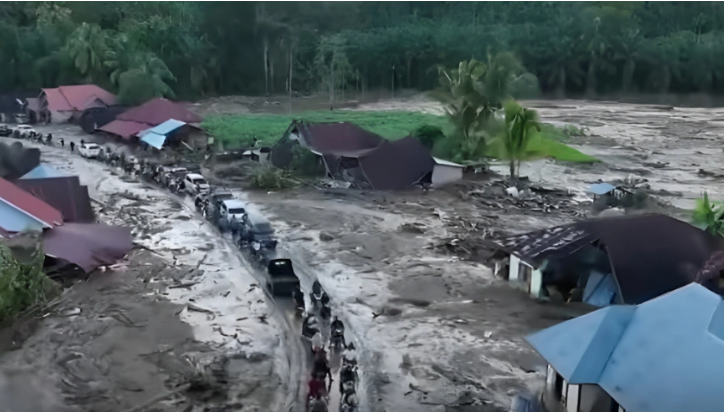
In terms of resettlement sites, existing temporary shelters are mostly built in public buildings such as schools and government office buildings, and some areas have problems such as overcrowding and poor hygiene conditions. The health department has carried out disinfection and disinfection and sterilization work at the resettlement site to guard against the spread of cholera, dengue fever and other infectious diseases, and urgently dispensed vaccines and first-aid drugs. Indonesian President Prabowo has ordered the activation of national level emergency response, prioritizing the handling of disasters in three provinces, and launching the "100 Disaster Recovery Plan", focusing on promoting the repair of infrastructure such as roads and bridges, as well as the construction of temporary housing.
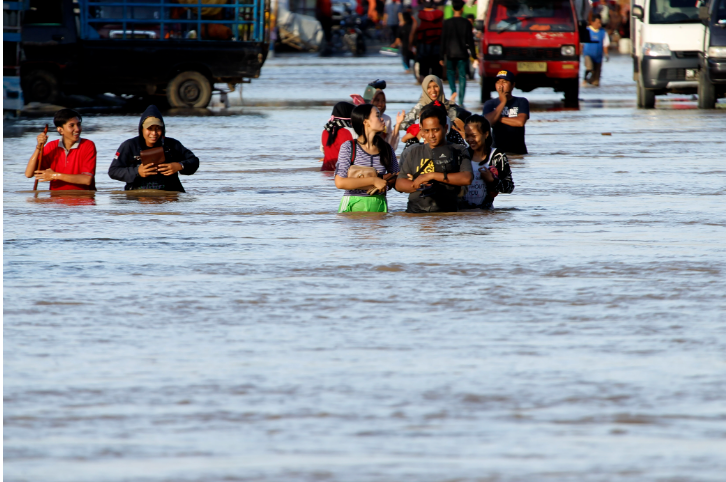
The meteorological department reminds that there will still be rainfall in some areas of Sumatra Island in the coming week, and there is a high risk of secondary disasters such as landslides and mudslides. At present, the rescue team is carrying out search and rescue operations for missing persons, accelerating road clearance and material transportation, while organizing the transfer of people to safer areas with higher terrain. The international community has also extended a helping hand, with multiple countries and UN agencies pledging to provide material assistance and technical support to help Indonesia overcome its difficulties.Editor/Bian Wenjun
Comment


 Praise
 Collect
 Comment

 Share
Share


Write something~