 Search


- The project marks the acceleration of Africa's largest oil producing country to overcome its long-term dependence on imports
- The roar of bulldozers in the free trade zone marks Nigeria's efforts to break free from its dependence on fuel imports, and a giant refinery project with a daily processing capacity of 500000 barrels has cleared key obstacles

The energy sector in Nigeria is undergoing unprecedented changes. As the largest crude oil producer in Africa, Nigeria has long had to rely on imports to meet its domestic fuel demand. This contradictory situation stems from the long-term neglect and poor management of state-owned refineries. This dependence not only leads to frequent fuel shortages in the country, but also puts sustained pressure on foreign exchange reserves.
On December 6, 2025, this structural dilemma will usher in a turning point. The large-scale refinery project with a total investment of up to 50 billion US dollars and a daily processing capacity of 500000 barrels will officially finalize key agreements in the Ondo Free Trade Zone, marking the project entering the substantive construction stage. This project is not only the largest private energy investment in West Africa to date, but is also seen as a key milestone in reshaping the African energy landscape.
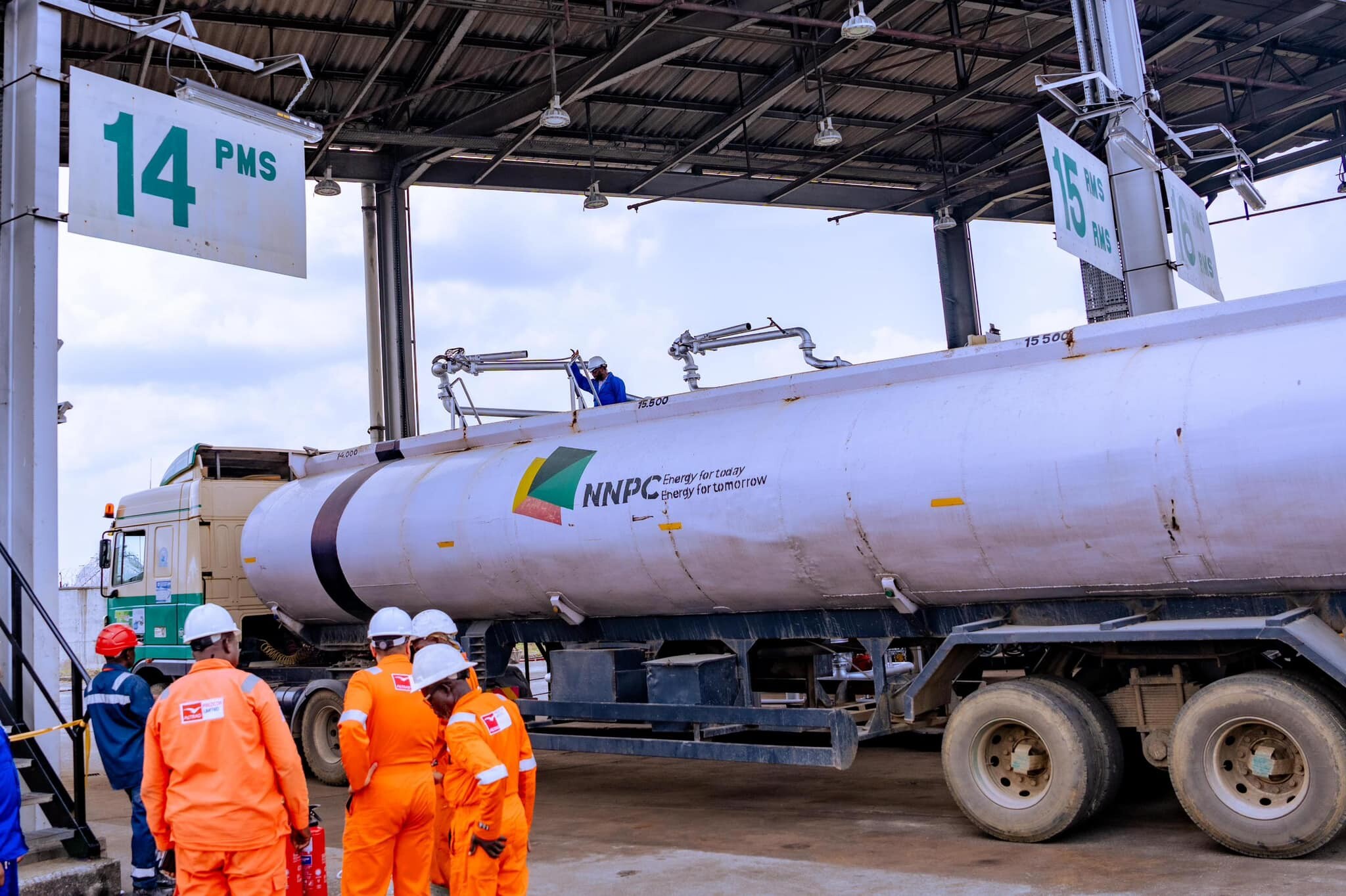
From Oil Production Shortage to Regional Hubs
Nigeria's energy crisis is deeply rooted. Despite abundant crude oil production, the four state-owned refineries in China have been idle or operating inefficiently for a long time due to poor maintenance and chaotic management, resulting in over 80% of refined oil products relying on imports. This abnormal structure not only imposes an annual import burden of billions of dollars on the national economy, but also makes domestic fuel supply extremely fragile, with frequent shortages and price fluctuations becoming a social norm.
Vale Adkola, Group Vice President of Backbone Infrastructure Nigeria Limited, announced the progress, saying, "The formal registration and establishment of the joint venture company Sunshine Joint Venture Infrastructure Limited is another significant step in our commitment to advancing the two key projects of the refinery and free trade zone. This move demonstrates the firm determination of all investors to unite and fully promote the development of the project
The core mission of this refinery is to reverse this situation. After the completion of the project, it will not only fully meet the domestic market demand in Nigeria, but also export finished oil products such as gasoline, diesel, aviation fuel, etc. to the entire West Africa and even the African continent. It will form capacity synergy with the world's largest single line refinery, also located in Nigeria and invested by Africa's richest man Dangote, to upgrade Nigeria from a simple crude oil exporting country to a hub for the production and supply of refined oil products for the entire African market, fundamentally changing the direction of regional energy flow.
Localization of International Capital and Technology
The advancement of such a massive project is driven by the precise collaboration of multiple forces. The project is led by local enterprise Backbone Infrastructure Nigeria Limited and has introduced Canadian NEFEX Holdings Limited, which has rich international operational experience, as a key partner.
This combination aims to achieve the optimal combination of global perspective and local cultivation. NEFEX Petroleum's mature operational network and advanced technology in the Middle East, Europe, and North America will ensure that refineries meet world-class standards and efficiency; Local partners, on the other hand, have a deep understanding of the local policy environment, market characteristics, and community needs, which can effectively ensure the smooth implementation of projects and their integration into the local economic ecology. Adkola emphasized that the cooperation partners have both global network advantages and deep local understanding, and this complementary cooperation is the cornerstone of project success.
The project has received strong support from the government of Ondo Prefecture and is specifically planned to be built within the free trade zone, which will provide policy convenience in land use, taxation, and logistics. The newly established entity Sunshine Joint Venture Infrastructure Co., Ltd., jointly funded by all partners, will become the core platform for overall project design, financing, construction, and future operation, marking the project's formal transition from a blueprint to a standardized and professional implementation track.
Economic catalyst beyond oil refining
The strategic significance of this refinery goes far beyond a single energy production facility. Firstly, it will directly create thousands of high-quality job opportunities and drive the development of related industrial chains such as construction, logistics, and equipment maintenance, injecting strong vitality into the local economy.
Secondly, the free trade zone built in conjunction with it aims to create a comprehensive industrial and trade park centered on petrochemical products. The park is expected to attract downstream chemical, plastic, fertilizer and other industries to gather, thereby cultivating a new petrochemical industry cluster in Nigeria, promoting industrial upgrading and economic diversification, and reducing dependence on pure resource exports.
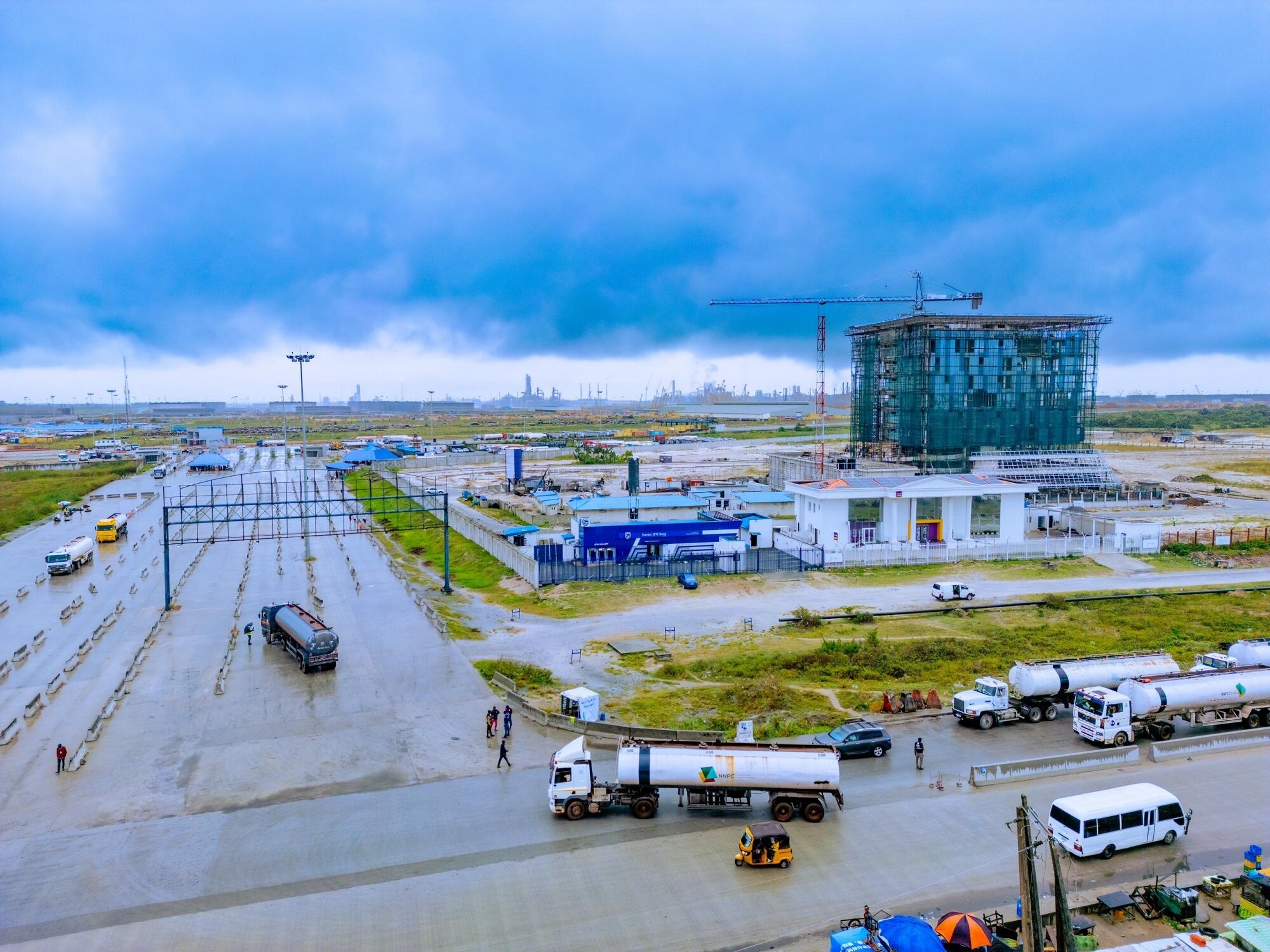
The deeper significance lies in national energy security and sovereignty. The project will greatly enhance Nigeria and even the West African region's ability to cope with international oil price fluctuations and supply chain disruption risks. In recent years, the Nigerian government has implemented policies such as the Naira for Crude Oil exchange, aimed at encouraging local processing of crude oil domestically. This project is an outstanding practice of this national strategy. It symbolizes Nigeria's transition from a passive participant in the global energy system to an active leader.
As the wave of global energy transition sweeps in, this giant refinery project in Nigeria demonstrates a pragmatic path towards energy independence. It is not only about solving the current fuel shortage, but also laying the energy foundation for industrialization and economic takeoff in the coming decades. Keywords: international news, energy news
The first sound of the construction site will be a resounding horn for Nigeria to move towards energy independence and reshape the economic geography of Africa.Editor/Cheng Liting
Comment


 Praise
 Collect
 Comment

 Share
Share


Write something~