 Search


- Algeria's $1.1 billion oil field contract lands, Egypt's Petrojet overtakes Italy for 60%
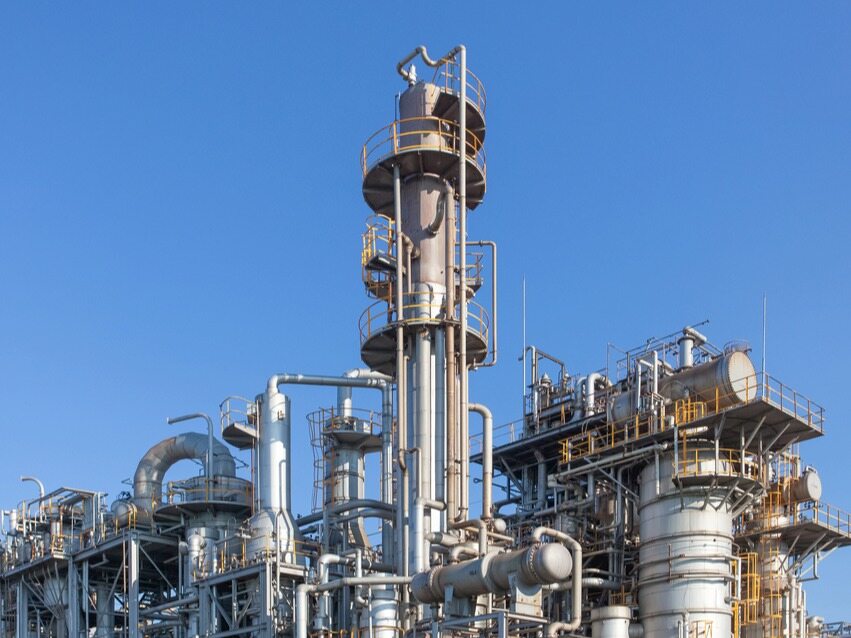
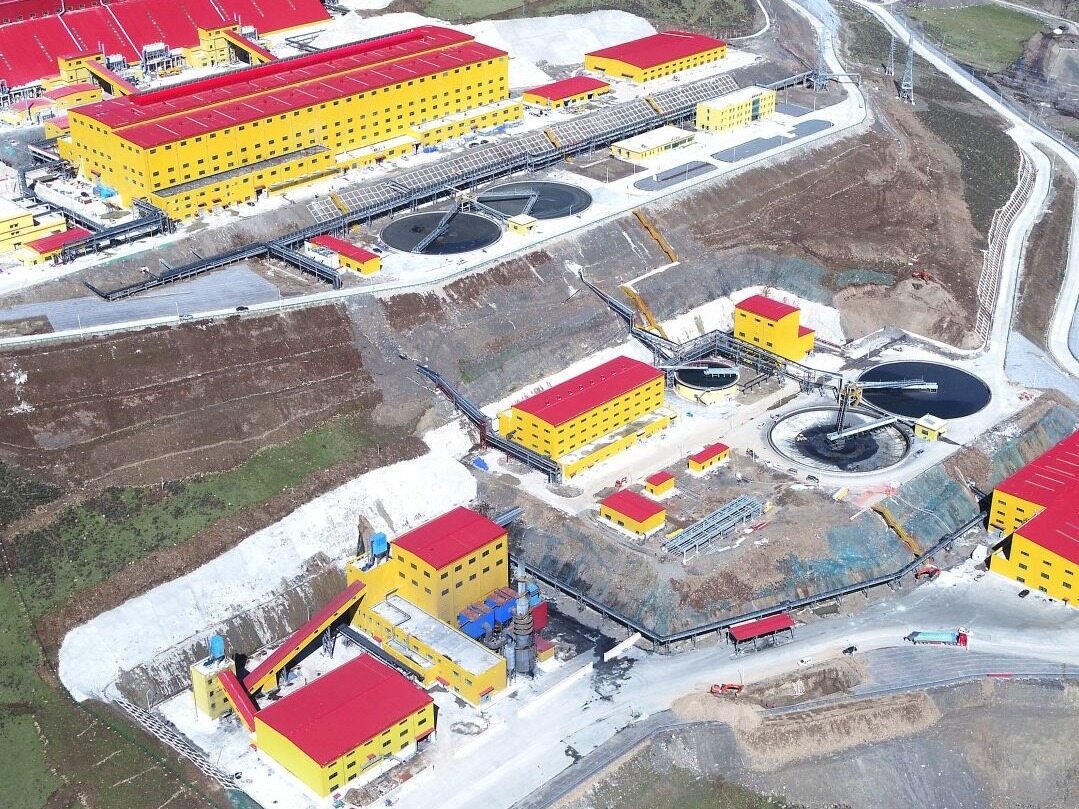
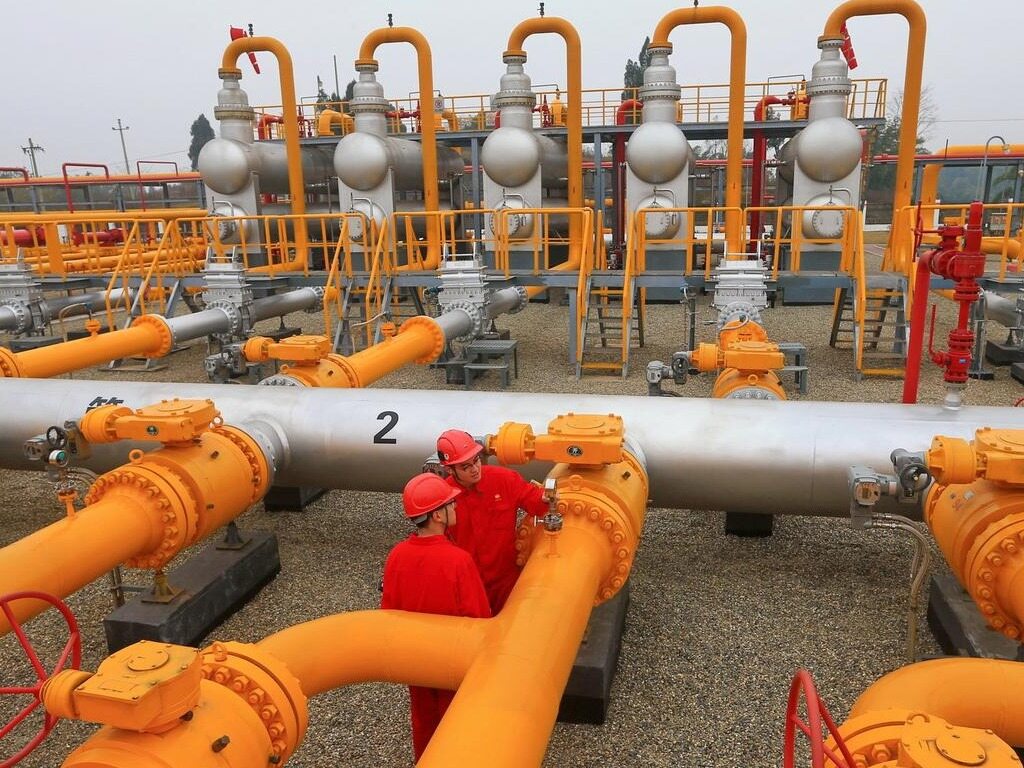
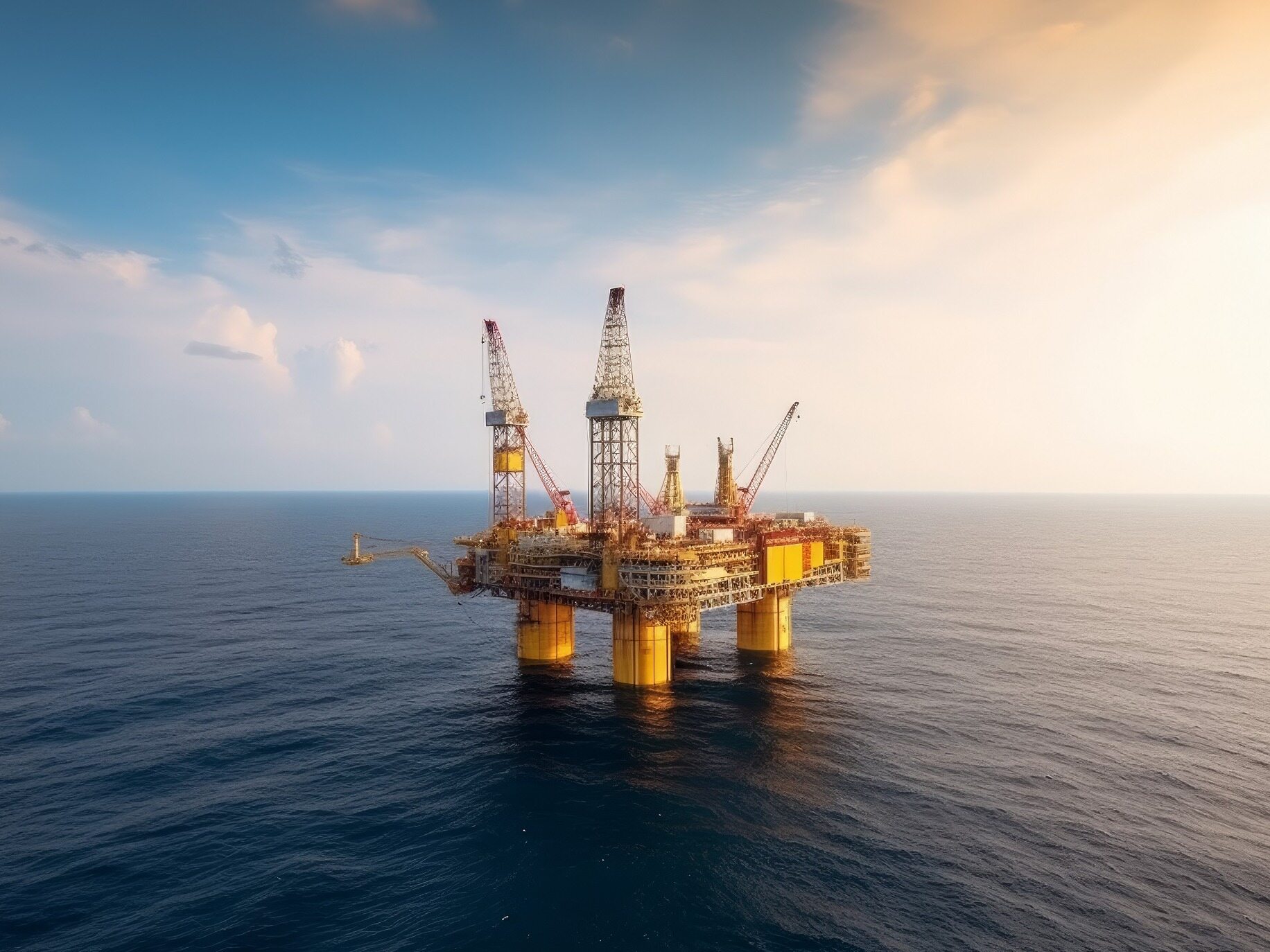
Sonatrach, the Algerian national oil and gas company, recently awarded the Hassi Bir Rekaiz oil field phase II contract to the Egyptian Petrojet and Italian Arkad consortium for a total amount of $1.1 billion. Petrojet alone holds 600 million, Arkad receives 500 million. The core of the project is to build a central processing facility that can process 32000 barrels of crude oil and associated gas per day, with a supporting 217 kilometer pipeline network. The energy ministers of the two countries personally attended the signing ceremony.
This is not an ordinary engineering order. The owner of HBR oilfield is a joint venture between Sonatrach and PTTEP in Thailand, and the second phase design has reserved space for expansion. Algeria is racing to unleash its full potential as the global energy landscape reshapes - natural gas exports to Europe are expected to increase by nearly 12% year-on-year in 2025, with annual oil and gas revenue exceeding $48 billion. Expanding production is urgent.
Why do Egyptians take big heads
Arkad from Italy has been deeply involved in Algeria for 50 years and has worked on over 30 projects, which should have been a local leader. But Petrojet took a 60% share, relying on two cards.
One is cost. The Egyptian petrochemical industry has abundant workers, and labor costs are only one-third of those in Europe; The second is cultural communication. Arabic and French dual communication is barrier free, the administrative system is highly similar, and the management cost is extremely low. More importantly, Petrojet is simultaneously negotiating with Sonatrach to establish a joint venture to manufacture static equipment such as pressure vessels and heat exchangers locally in Algeria - this is the true long-term layout. According to Statista data, the market size of static equipment in North Africa is about 2.2 billion US dollars, and it has long been monopolized by Europe and America, with almost zero local production capacity. Once built, it will not only replace imports, but also radiate to West African oil producing countries through the framework of the African Free Trade Zone.
The sales journey of two ministers
Egyptian Oil Minister Badawi personally went to Algeria to sign the contract, essentially to bring goods for state-owned enterprises. Infrastructure investment in Gulf Cooperation Council countries has slowed down, with over half of Egypt's engineering companies' overseas orders coming from overseas. Algeria is precisely the most ideal incremental market - with abundant funds, urgent expansion, and close geographical proximity. Keywords: oil fields, Algeria
$1.1 billion, ostensibly for laying pipelines and building factories. Fundamentally, Algeria wants production capacity and localization, Egypt wants foreign exchange and manufacturing to go abroad, and Europeans retreat to technology endorsement. Everyone takes what they need and calculates their own accounts. This is the true face of the North African energy game.Editor/Cheng Liting
Comment

 Praise
 Collect
 Comment

 Share
Share


Write something~