 Search


- Algerian oil expands capacity against the trend, with 75% of funds drilling 500 wells to ensure European supply
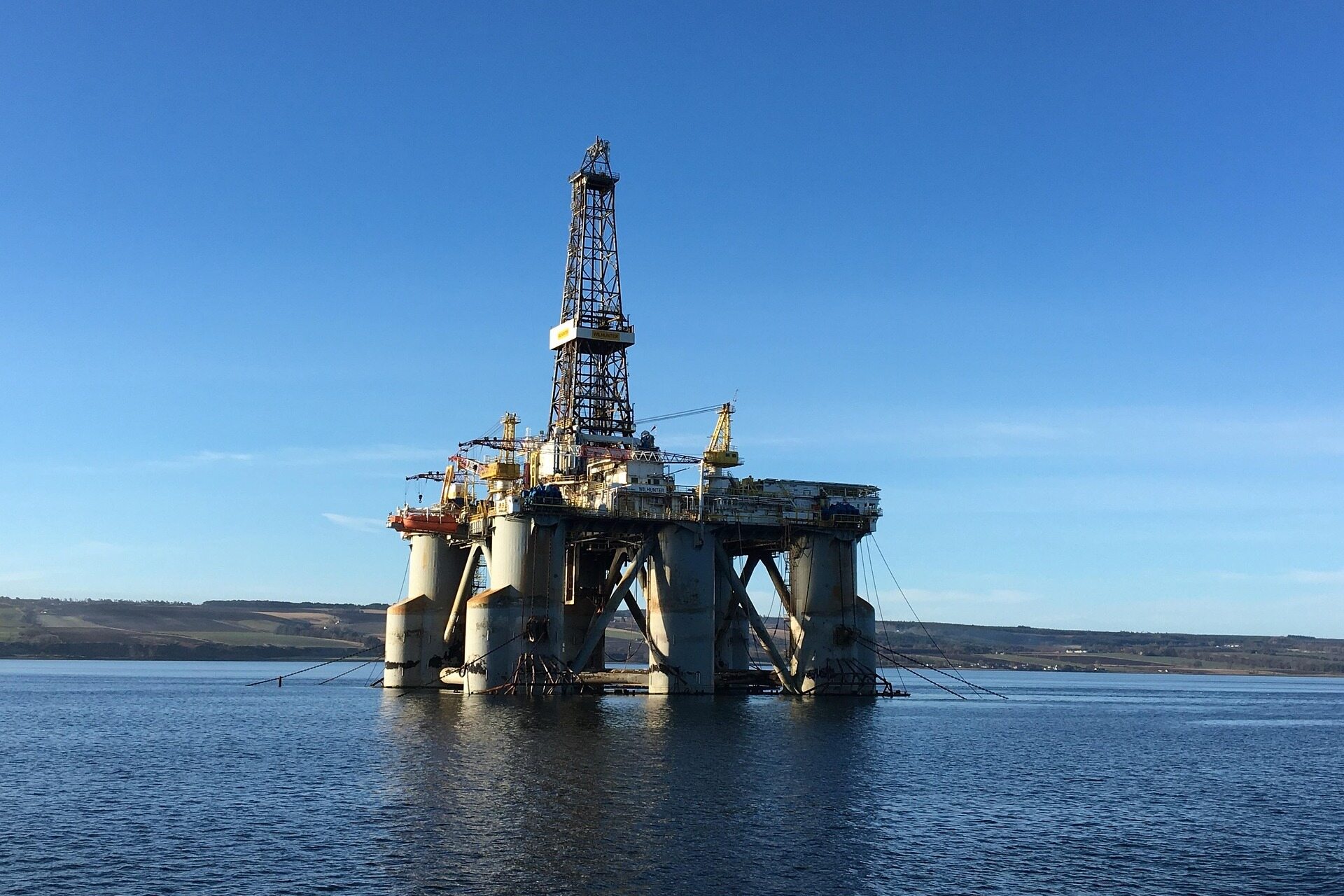
Amidst the surging global energy transition and severe fluctuations in international oil prices, the Algerian National Oil Company has made a unique choice: not to shrink or wait and see, but to counter the trend and increase production capacity comprehensively.
75% heavy injection upstream
Sonatrach President Nuruddin Daudi recently made a resounding statement at a strategic meeting: even with the fog surrounding oil prices, the medium - to long-term investment plan will never waver. In the next five years (2026-2030), the company will precisely "drip" about 75% of its capital expenditures into the oil and gas exploration and production field. In today's era where state-owned oil companies are generally seeking diversification, this proportion can be considered rare. This is not only a firm defense of traditional energy sources, but also a strong declaration of the country's economic lifeline - until new energy fully takes over, oil and gas remain the unshakable cornerstone.
Ambition of 500 wells
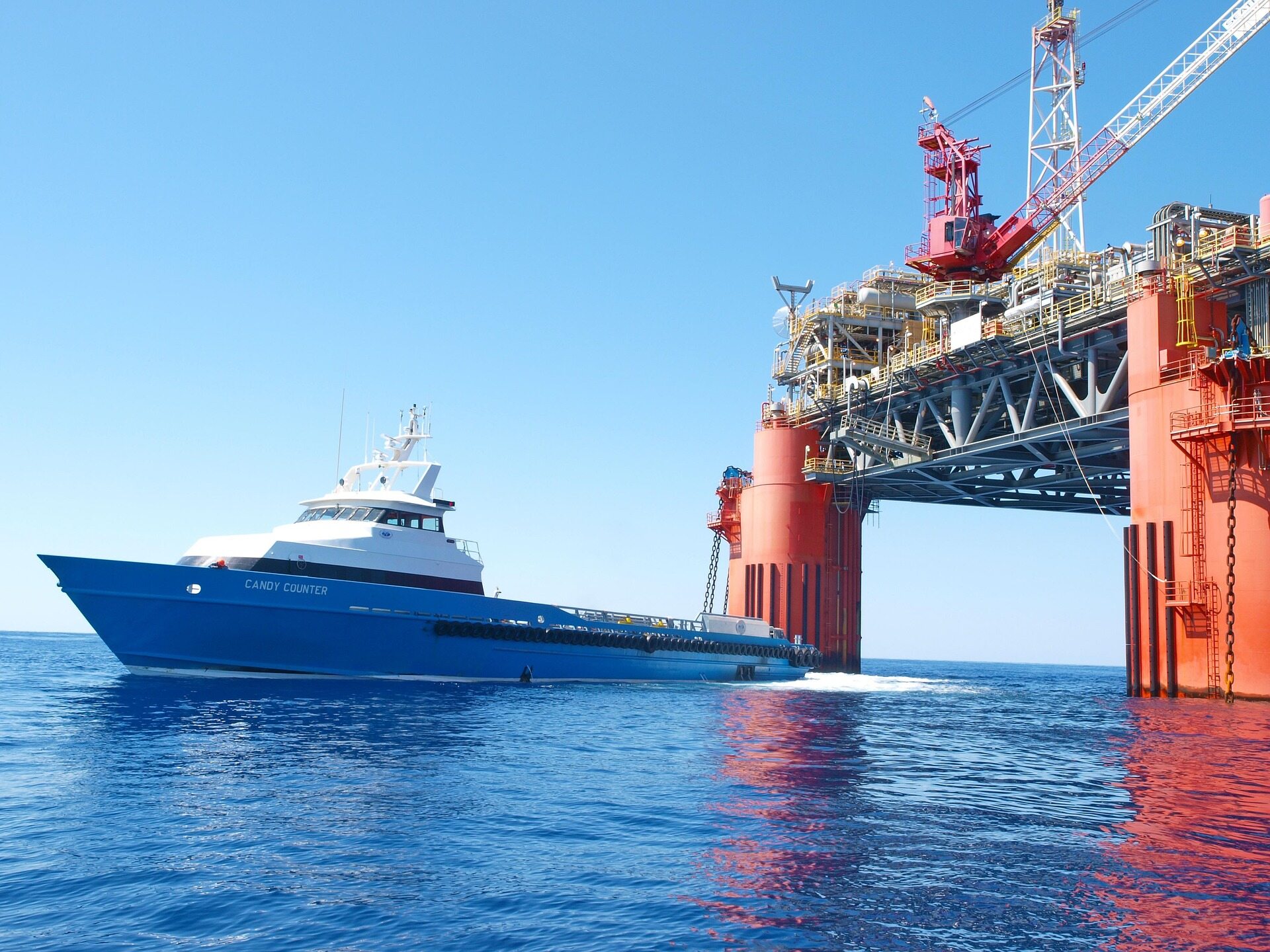
Where does the money go? Daudi provided a specific operational plan: systematically drilling about 500 exploration wells in approximately 66% of the country's oil and gas mining areas. This is not simply drilling a well, but a geological battle that covers the edge areas and deep structures. From deep natural gas to unconventional shale gas, and then to the southwestern new zone, Sonatrach is attempting to awaken dormant reserves. As one of the largest natural gas producers in Africa, Algeria has 12.2 billion barrels of oil and 4.5 trillion cubic meters of natural gas reserves (among the top ten in the world), but declining old oil fields and aging equipment are threatening production. These 500 wells are a shot in the arm to maintain export capacity for the next decade.
The Game of Geopolitics and Survival
Behind this radical plan is a cold reality consideration.
Firstly, there is the pressure to fulfill the contract. Europe is urgently seeking gas sources outside of Qatar and the United States, and Algeria could have been close by with its geographical advantage, but the prerequisite is that there must be goods available for sale.
Next is the squeezing of domestic demand. Domestic power generation and industrial gas consumption are increasing year by year. If we do not increase production, our export share will be consumed internally.
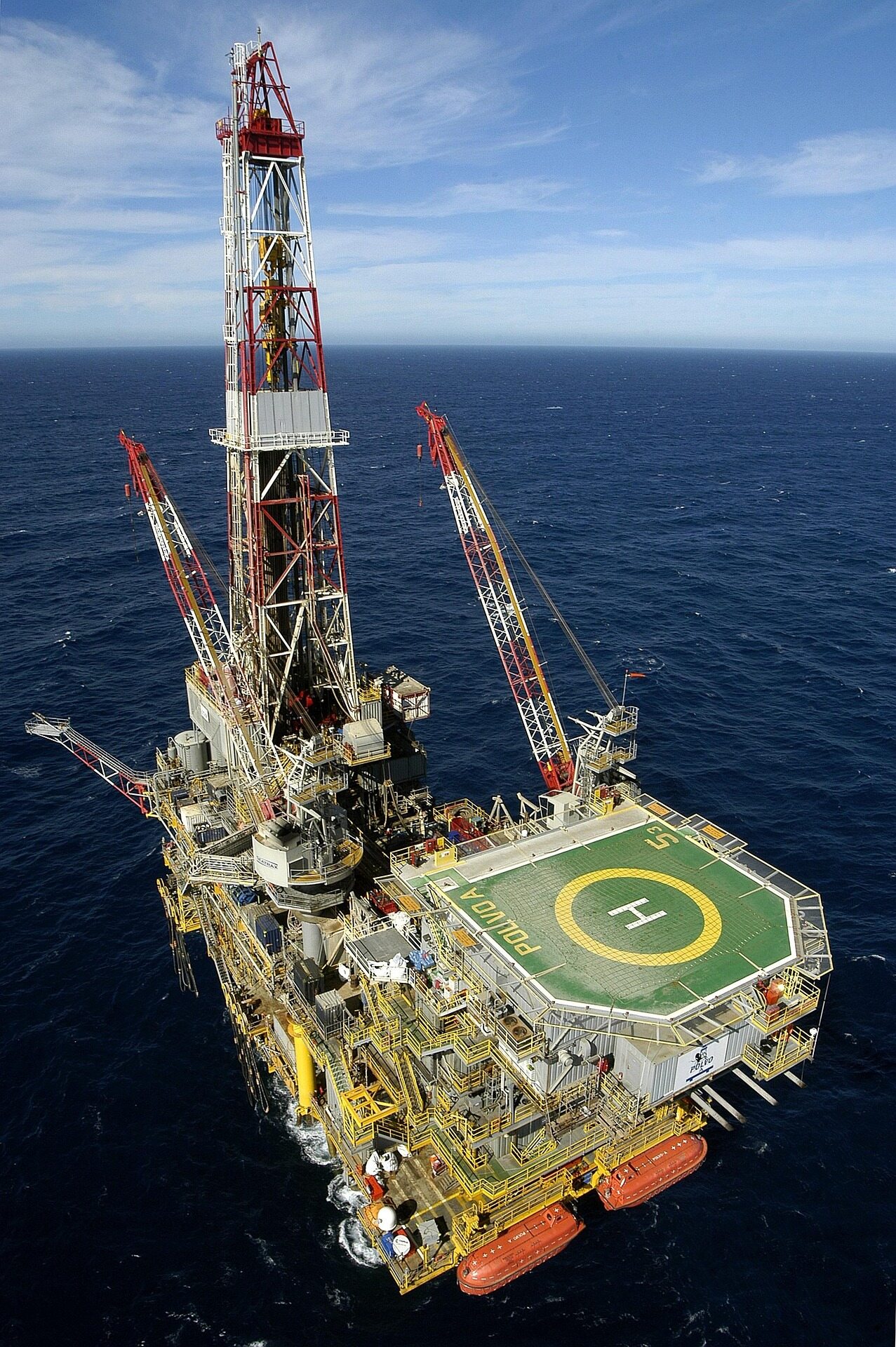
Finally, there is technological iteration. The main oil fields such as Hasimezaud have entered their middle and late years, and can only rely on encrypted wells and tertiary oil recovery technology to "squeeze" the last drop of oil, while hoping for newly discovered replacement oil fields.
Of course, challenges are always present: a shortage of drilling rigs, a shortage of technical personnel, and a lack of infrastructure in remote areas. To this end, Algeria has revised its hydrocarbon law, attempting to bundle international giants such as Eni and Total with more favorable terms to share risks. Keywords: international news, oil exploration
As peers turn to photovoltaic wind power, Sonatrach appears somewhat traditional. But this persistence is not blind - even in the era of carbon neutrality, oil and gas will still be the main energy source for the next few decades. These 500 wells are not only a reassurance for the European market, but also Algeria's longest lasting initiative in the global energy game for itself.Editor/Cheng Liting
Comment



 Praise
 Collect
 Comment

 Share
Share


Write something~